
The daily movements of the stock market are a constant source of fascination, anxiety, and opportunity for investors worldwide. Far from being a random walk, each day’s market performance is a complex interplay of macroeconomic data, corporate announcements, geopolitical events, and shifting investor sentiment. Understanding “what happened to the stock market today” requires peeling back layers of information to identify the primary catalysts and discern their potential implications for portfolios and future market trends. This article delves into the various factors that typically influence daily market action, offering insights into how to interpret these shifts and maintain a strategic long-term investing approach amidst short-term volatility.
Unpacking Today’s Market Performance
Every trading day brings a fresh set of numbers, flashing green or red across financial screens. These immediate figures provide a snapshot, but a deeper understanding requires looking beyond the headlines to the underlying metrics and the broader economic context.
Key Indices and Their Movements
The first indicators most investors check are the major market indices. In the United States, these typically include the S&P 500 (representing 500 large U.S. companies), the Dow Jones Industrial Average (a price-weighted index of 30 significant U.S. stocks), and the Nasdaq Composite (heavily weighted towards technology and growth companies). Similar benchmarks exist globally, such as the FTSE 100 in the UK, the DAX in Germany, and the Nikkei 225 in Japan.
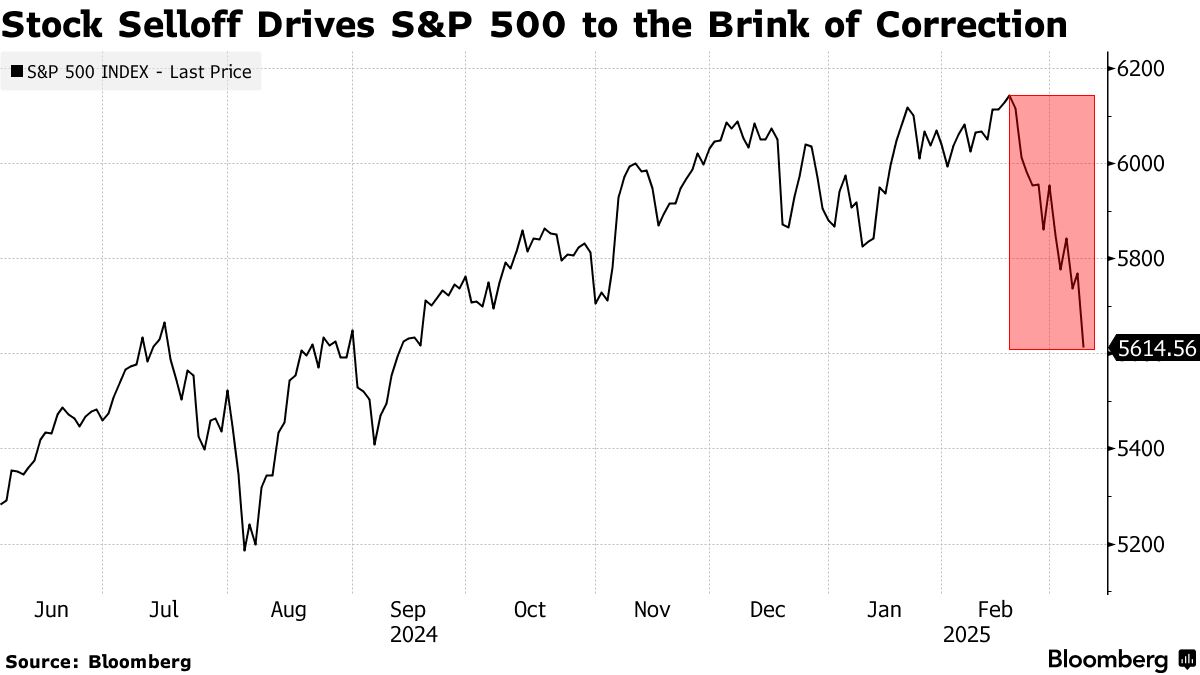
When an article asks “what happened to the stock market today,” it often refers to the collective performance of these indices. A significant upward or downward move in one or more of these benchmarks signals a broad shift in market sentiment. For instance, a strong rally in the S&P 500 suggests widespread optimism, perhaps driven by positive economic news, while a sharp decline might indicate fears of a recession or unexpected corporate woes. It’s crucial to note if all indices move in the same direction or if there’s divergence, as this can hint at specific sectors or types of companies driving the market. For example, if the Nasdaq surges while the Dow lags, it might indicate a preference for growth stocks over value stocks on that particular day.
Sectoral Highlights and Disparities
Beneath the surface of the overall market indices, individual sectors often tell a more nuanced story. The stock market is composed of various sectors, such as technology, healthcare, financials, energy, consumer discretionary, industrials, and utilities. On any given day, certain sectors may outperform while others underperform, reflecting specific industry news, commodity price fluctuations, or shifts in investor preferences.
For example, a surge in oil prices could boost energy stocks, even if the broader market is flat or down. Similarly, a positive clinical trial result could send pharmaceutical stocks soaring, while a new regulatory proposal might depress financial stocks. Understanding which sectors are leading or lagging helps in comprehending the market’s internal dynamics. It can reveal where capital is flowing, indicating investor confidence (or lack thereof) in particular industries, or reaction to specific legislative changes, consumer trends, or technological advancements that impact specific business models. Analyzing sectoral performance is vital for investors who seek to diversify their portfolios or identify potential opportunities within specific niches.
The Driving Forces Behind Today’s Shifts
Market movements are rarely arbitrary. They are typically direct responses to a complex web of economic, corporate, and geopolitical factors that constantly shape investor expectations and risk appetite.
Economic Indicators and Macroeconomic News
Macroeconomic data releases are paramount in influencing daily market direction. Reports such as inflation rates (CPI, PPI), unemployment figures (jobless claims, non-farm payrolls), GDP growth, manufacturing indices (ISM), and consumer confidence surveys provide critical insights into the health and trajectory of the economy.
Positive economic data, like lower-than-expected inflation or robust job growth, can signal a strong economy, potentially boosting corporate earnings and leading to market rallies. Conversely, disappointing figures, such as a sharp rise in unemployment or an unexpected jump in inflation, can trigger sell-offs as investors anticipate a slowdown or increased pressure on corporate profitability. These indicators are not just retrospective; they also inform expectations about future central bank policies and consumer spending patterns, which are significant drivers of equity valuations.
Corporate Earnings and Company-Specific News
While macroeconomic factors set the stage, company-specific news often dictates individual stock performance and can spill over to affect broader market sentiment. Quarterly earnings reports are perhaps the most anticipated events, as they reveal a company’s financial health, profitability, and future outlook. Companies that beat earnings expectations and provide optimistic guidance often see their stock prices surge, while those that miss expectations can face significant declines.
Beyond earnings, other company-specific news, such as mergers and acquisitions, new product launches, leadership changes, regulatory approvals, or even significant lawsuits, can dramatically impact a stock’s price and sometimes even influence its entire sector or the broader market if the company is a major constituent of an index. Analyst upgrades or downgrades, based on their research and projections, also play a role, influencing investor perceptions and trading activity.
Geopolitical Developments and Global Events
In an increasingly interconnected world, geopolitical events far from Wall Street can have immediate and profound effects on the stock market. Conflicts, political instability in major economies, trade disputes, or significant international policy shifts can introduce uncertainty and elevate risk premiums, leading investors to seek safer assets or reduce their exposure to equities.
For instance, an unexpected military conflict could send oil prices soaring, benefiting energy stocks but potentially hurting industries reliant on cheap fuel. Trade tariffs imposed by one nation on another can disrupt supply chains and reduce corporate profits for companies operating across borders. Even natural disasters, while localized, can have ripple effects on global supply chains, commodity prices, and insurance companies, thus impacting various sectors of the stock market. These events inject unpredictability into the market, often overriding economic fundamentals in the short term.
Central Bank Policies and Interest Rate Expectations
Central banks, most notably the U.S. Federal Reserve, the European Central Bank, and the Bank of Japan, wield immense power over financial markets through their monetary policies. Decisions regarding interest rates, quantitative easing (QE), or quantitative tightening (QT) directly impact the cost of borrowing for businesses and consumers, inflation expectations, and the attractiveness of different asset classes.
When central banks raise interest rates, it typically makes borrowing more expensive, which can cool economic growth and potentially reduce corporate profits, often leading to a pullback in stock valuations. Conversely, lowering interest rates or engaging in QE can stimulate economic activity and make stocks more appealing compared to bonds, often fueling market rallies. Investors constantly scrutinize central bank pronouncements, meeting minutes, and speeches for clues about future policy direction, as these expectations are often priced into the market well in advance of actual policy changes. Uncertainty or unexpected hawkish/dovish shifts in central bank rhetoric can lead to significant market volatility.
Investor Sentiment and Market Psychology
While objective data points and news events provide the fundamental underpinnings, the emotional and psychological aspects of investing play a crucial role in daily market fluctuations. Investor sentiment can amplify or mitigate the impact of news, leading to market behaviors that sometimes defy pure logic.
Fear, Greed, and the Herd Mentality
Human emotions like fear and greed are powerful drivers in financial markets. Greed can drive excessive buying, creating asset bubbles, while fear can trigger panic selling, leading to market crashes or sharp corrections. These emotions often manifest in a “herd mentality,” where investors follow the actions of the majority, even if those actions are not based on sound analysis. This can lead to self-fulfilling prophecies, where a belief that the market will go down leads to selling, which then causes the market to go down further. Understanding these psychological biases is crucial for long-term investors aiming to make rational decisions rather than being swept up in the daily emotional tide.
The Role of Media and Market Narratives
Financial news media, social media, and online forums play a significant role in shaping and disseminating market narratives. A compelling story, whether based on fact or speculation, can quickly gain traction and influence large numbers of investors. Positive news can be amplified to create bullish sentiment, while negative reports can fuel fear and uncertainty. The speed at which information (and misinformation) travels today means that market reactions can be almost instantaneous and sometimes disproportionate to the actual news. Being able to critically evaluate these narratives and distinguish between noise and substantive information is a valuable skill for investors.
Algorithmic Trading and High-Frequency Impact
Modern financial markets are heavily influenced by algorithmic trading and high-frequency trading (HFT). These automated systems execute trades at speeds unimaginable to human traders, reacting to market data and news within milliseconds. While they provide liquidity and efficiency, they can also exacerbate volatility, especially during periods of market stress. A rapid cascade of algorithmic sell orders, triggered by specific keywords in news feeds or sudden price movements, can lead to “flash crashes” or rapid market corrections that are not necessarily driven by fundamental changes but by programmatic reactions. This technological aspect adds another layer of complexity to understanding daily market movements.
Navigating Volatility: A Long-Term Perspective
Given the myriad factors that influence the stock market daily, short-term volatility is an inherent characteristic. For long-term investors, the key is to develop a robust strategy that can withstand these daily gyrations and focus on achieving financial goals over years, not days.
Diversification as a Core Strategy
One of the most fundamental principles of investing is diversification. Spreading investments across different asset classes (stocks, bonds, real estate), sectors, geographies, and company sizes helps mitigate the risk associated with any single investment. When one part of your portfolio is underperforming, another might be performing well, thus smoothing out overall returns. Diversification doesn’t guarantee profits or eliminate the risk of loss, but it significantly reduces the impact of a single negative event on your entire portfolio. It’s about not putting all your eggs in one basket, a timeless piece of advice that remains acutely relevant amidst daily market swings.
The Importance of a Disciplined Investment Plan
A well-defined investment plan is the anchor in stormy market seas. This plan should outline your financial goals, risk tolerance, asset allocation strategy, and rebalancing schedule. Sticking to this plan, even when market conditions seem dire or overly exuberant, is crucial. Disciplined investing often involves strategies like dollar-cost averaging (investing a fixed amount regularly, regardless of market highs or lows), which can help you buy more shares when prices are low and fewer when prices are high, potentially lowering your average cost per share over time. Emotions can be a portfolio’s worst enemy; a disciplined plan acts as a rational guide.
Avoiding Emotional Reactions to Short-Term Swings
The daily news cycle is designed to capture attention, often by highlighting dramatic market movements. It’s easy for investors to feel compelled to act on these short-term swings—buying into euphoria or selling into panic. However, historically, market timing is exceedingly difficult, and attempts to do so often lead to worse returns than a buy-and-hold strategy. Focusing on the long-term growth potential of quality assets and resisting the urge to make impulsive decisions based on a single day’s market performance is paramount. Remember that market corrections are a normal part of the investment cycle, and temporary dips often present opportunities for long-term investors.
What This Means for Your Portfolio
Understanding today’s market action is not just an academic exercise; it has practical implications for managing your investment portfolio effectively and strategically.
Rebalancing and Risk Assessment
A day of significant market movement might be a good prompt to review your portfolio’s asset allocation. If, for instance, a strong rally in tech stocks has caused your technology holdings to exceed their target allocation, it might be time to rebalance by selling some of those holdings and reallocating to underperforming assets to bring your portfolio back in line with your desired risk profile. This proactive risk assessment ensures that your portfolio remains aligned with your long-term goals and risk tolerance, preventing overexposure to certain sectors or asset classes that have become disproportionately large due to market performance.
Opportunities in Disruption
Market volatility, while uncomfortable, often creates opportunities for discerning investors. When the market overreacts to negative news, it can present chances to acquire high-quality assets at temporarily depressed prices. Conversely, periods of excessive optimism might signal times to take profits from overvalued assets. Identifying companies that are fundamentally sound but have been unfairly punished by broader market sentiment or sector-specific headwinds can be a rewarding strategy for those with a long-term horizon and the patience to weather short-term fluctuations.
The Enduring Value of Fundamental Analysis
Amidst the daily noise and rapid-fire news, the enduring value of fundamental analysis remains critical. Focusing on a company’s financial health, management quality, competitive advantages, and long-term growth prospects provides a more stable basis for investment decisions than reacting to daily price swings. Understanding the intrinsic value of an asset allows investors to distinguish between temporary market dislocations and genuine deterioration of a company’s prospects. For “what happened to the stock market today” truly to inform your strategy, it should be viewed through the lens of how it impacts the fundamental long-term value of your investments, rather than as a sole determinant of immediate action.
In conclusion, the stock market’s daily dance is orchestrated by a complex symphony of economic data, corporate performance, global events, and human psychology. While it’s natural to inquire about “what happened to the stock market today,” true investment success lies not in reacting to every beat but in understanding the broader rhythm, maintaining a disciplined approach, and focusing on long-term goals. By doing so, investors can transform daily volatility from a source of anxiety into a landscape of informed opportunities.
aViewFromTheCave is a participant in the Amazon Services LLC Associates Program, an affiliate advertising program designed to provide a means for sites to earn advertising fees by advertising and linking to Amazon.com. Amazon, the Amazon logo, AmazonSupply, and the AmazonSupply logo are trademarks of Amazon.com, Inc. or its affiliates. As an Amazon Associate we earn affiliate commissions from qualifying purchases.