
For anyone involved in the financial markets, whether a seasoned professional or a budding retail investor, knowing the exact trading hours of major exchanges is not just a matter of convenience; it’s a critical component of strategic decision-making and risk management. The Nasdaq Stock Market, a global electronic marketplace for buying and selling securities, particularly known for listing technology and growth companies, operates within specific timeframes that dictate when orders can be placed, executed, and when the market goes dormant. Understanding these hours, including standard sessions, extended trading, and holiday schedules, is fundamental to navigating the complex world of investing.
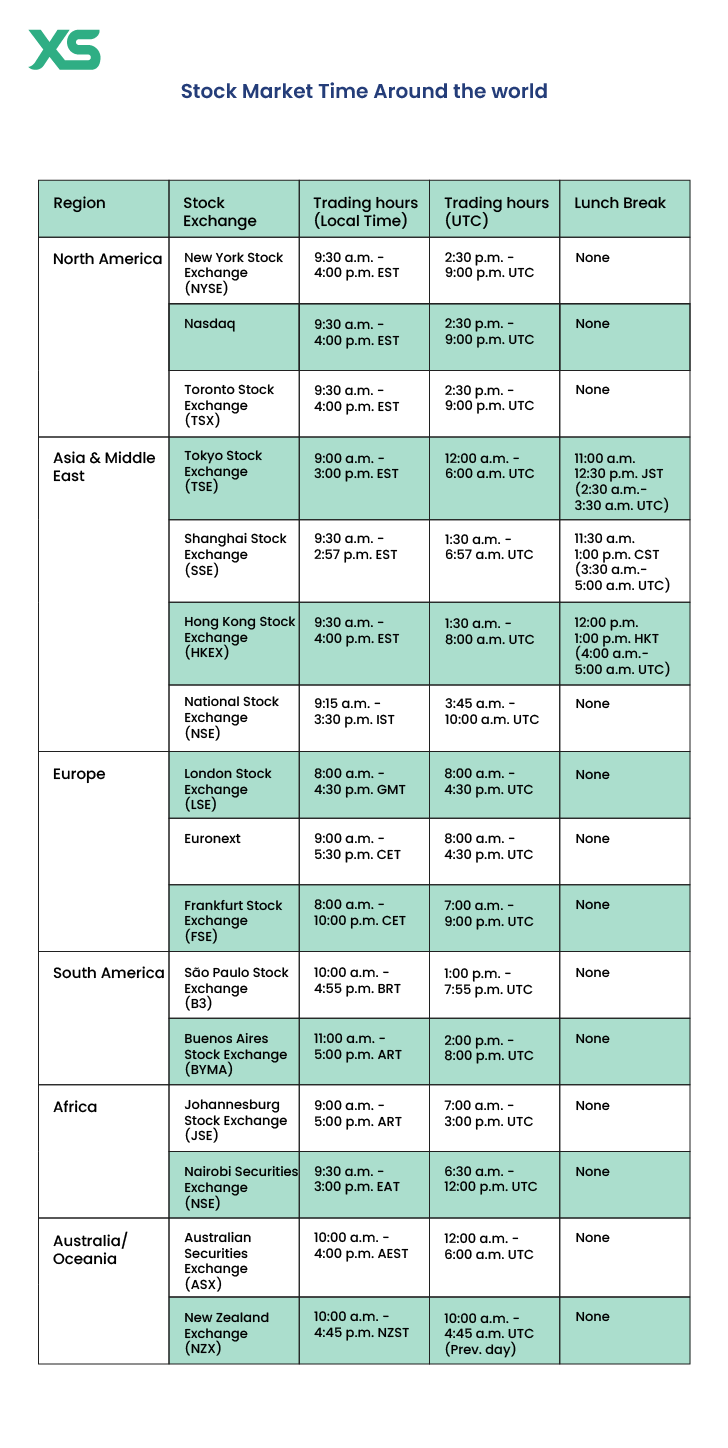
The question “When does the Nasdaq close?” might seem straightforward, but its answer unravels a deeper understanding of market dynamics, liquidity, volatility, and the strategic opportunities or pitfalls that arise outside the regular trading window. This article delves into the intricacies of Nasdaq’s operating hours, offering insights into how these schedules impact various investment strategies and what investors need to know to stay informed and agile in a fast-paced market environment.
Understanding Nasdaq’s Standard Trading Hours
The core of daily market activity revolves around the standard trading session, often referred to as “regular market hours.” These are the times when the vast majority of trading volume occurs, liquidity is at its highest, and price discovery is most efficient.
The Regular Session: Opening and Closing Bells
The Nasdaq Stock Market, like the New York Stock Exchange (NYSE), adheres to a standard trading schedule from Monday to Friday. The market officially opens at 9:30 AM Eastern Time (ET) and closes at 4:00 PM Eastern Time (ET). This six-and-a-half-hour window is characterized by its iconic “opening bell” and “closing bell” ceremonies, symbolic moments that mark the start and end of the trading day. During these hours, investors place buy and sell orders for a wide array of securities, including stocks, ETFs, and options, with the confidence of robust liquidity and a generally narrower bid-ask spread compared to extended hours.
The opening moments can often be volatile as overnight news and economic data are digested by the market, leading to significant price movements. Similarly, the closing hour can see increased activity as institutional investors rebalance portfolios, settle trades, and react to late-breaking information. For most retail investors, conducting trades within this regular session is often recommended due to better execution prices and reduced risk.
Time Zones and Their Impact
It is crucial for investors outside the Eastern Time Zone to correctly convert the Nasdaq’s operating hours to their local time. For instance, an investor on the West Coast of the United States (Pacific Time) would see the market open at 6:30 AM PT and close at 1:00 PM PT. For international investors, the time difference can be even more substantial, potentially requiring them to trade during unconventional hours in their local time zone.
Accurately calculating the market’s open and close in one’s local time is vital for several reasons:
- Timely Execution: Ensuring orders are placed and executed during desired liquidity windows.
- Monitoring News: Aligning news consumption with market reactions.
- Avoiding Missed Opportunities: Being aware of when the market is live for immediate action.
Misunderstanding time zones can lead to missed trading opportunities, incorrect order placements, or the inability to react promptly to significant market-moving events. Many trading platforms and financial news websites offer tools to display market hours in local time, which can be invaluable.
Why These Hours Matter for Investors
The specific timing of the regular session is not arbitrary; it’s designed to concentrate trading activity, facilitate fair price discovery, and provide a structured environment for market participants. For investors, these hours are important because:
- Liquidity: The highest volume of trades occurs during these hours, making it easier to buy or sell securities without significantly impacting their price.
- Volatility: While generally lower than extended hours, volatility during regular trading can still be influenced by economic reports, corporate earnings, and geopolitical events.
- Market Transparency: Real-time data and news are most actively disseminated and absorbed by the market during this period.
- Accessibility: Most brokerage services are fully operational, offering customer support and a full range of trading tools.
Understanding these dynamics empowers investors to plan their trading activities, monitor their portfolios effectively, and respond to market movements with greater precision.
Navigating Pre-Market and After-Hours Trading
While the regular session defines the core trading day, the financial markets don’t entirely sleep. Nasdaq, like other major exchanges, facilitates trading outside these standard hours through what are known as pre-market and after-hours sessions. These extended hours offer opportunities but also come with distinct characteristics and risks.
Pre-Market Trading: Seizing Early Opportunities
Pre-market trading allows investors to buy and sell securities before the official 9:30 AM ET opening bell. For Nasdaq, pre-market trading typically begins as early as 4:00 AM ET and runs until 9:30 AM ET. This period is often characterized by lower trading volumes and liquidity compared to the regular session.
Pre-market activity is commonly driven by:
- Overnight News: Reactions to news releases, economic data, or global market movements that occur when the U.S. market is closed.
- Earnings Reports: Many companies release their quarterly earnings reports before the market opens, leading to immediate price reactions during pre-market hours.
- Analyst Upgrades/Downgrades: Changes in analyst ratings can also spur early trading interest.
Investors participating in pre-market trading aim to capitalize on early price movements stemming from fresh information, potentially getting ahead of the crowd before regular market participants join in.
After-Hours Trading: Reacting to Late News
Conversely, after-hours trading extends the market beyond the 4:00 PM ET closing bell, typically running until 8:00 PM ET on Nasdaq. Similar to pre-market, this session facilitates trading based on information released after the regular close.
Key drivers for after-hours activity include:
- Earnings Reports: Many companies opt to release earnings after the market closes, causing immediate stock price reactions during after-hours.
- Company Announcements: Mergers, acquisitions, product launches, or other significant corporate news often break after the regular session ends.
- Economic Data: Important economic indicators released post-market close can also influence prices.
After-hours trading allows investors to react quickly to these developments, managing their positions or taking new ones before the next regular session begins.
Risks and Rewards of Extended Hours
While offering flexibility and the potential for early or late entry/exit points, extended-hours trading is not without its drawbacks.
Potential Rewards:
- Quick Reactions: Ability to react immediately to news, potentially securing better prices before the broader market reacts.
- Convenience: Trading outside standard hours might be more convenient for investors in different time zones or with demanding daytime schedules.
- Arbitrage Opportunities: Exploiting temporary price discrepancies caused by low liquidity.
Significant Risks:
- Lower Liquidity: Fewer participants mean wider bid-ask spreads, making it harder to execute trades at desired prices. Large orders can significantly impact prices.
- Higher Volatility: Thin liquidity can lead to exaggerated price swings on relatively small trading volumes, increasing risk.
- Limited Order Types: Not all order types (e.g., stop-loss orders) are available in extended hours, which can limit risk management strategies.
- Information Disparity: Some investors may have access to information sooner than others, creating an uneven playing field.
- Brokerage Limitations: Not all brokers offer extended-hours trading, and those that do may have specific rules or restrictions.
For these reasons, investors considering extended-hours trading should exercise caution, use limit orders to control prices, and fully understand the magnified risks involved.
Nasdaq Holidays and Market Closures
The Nasdaq Stock Market observes a schedule of holidays and occasional early closures, during which the market is either completely shut down or operates for a reduced period. These closures are important for investors to know, as they impact trading availability and can influence market behavior immediately before and after the closure.
Federal Holidays: Full-Day Closures
Nasdaq generally follows the U.S. federal holiday calendar for full-day market closures. On these days, the market is completely closed, and no trading occurs. These holidays typically include:
- New Year’s Day
- Martin Luther King, Jr. Day
- Washington’s Birthday (Presidents’ Day)
- Good Friday (often observed by financial markets, though not a federal holiday)
- Memorial Day
- Juneteenth National Independence Day
- Independence Day (July 4th)
- Labor Day
- Thanksgiving Day
- Christmas Day
When these holidays fall on a weekend, the market typically observes the holiday on the preceding Friday or the subsequent Monday. It’s essential to check the official Nasdaq holiday schedule annually, as specific dates can vary and new holidays may be added.
Early Closures: Select Trading Days
In addition to full-day closures, Nasdaq sometimes observes early closures on specific days, typically around major holidays. On these days, the market might close at 1:00 PM ET instead of the usual 4:00 PM ET. Common examples include:
- The day after Thanksgiving (Black Friday)
- The day before Christmas (if it falls on a weekday)
- The day before Independence Day (if July 4th falls on a weekday)
These early closures allow market participants to observe holidays while still providing a shortened trading session. Liquidity can be thinner during these abbreviated sessions, particularly towards the end of the trading day.
Unexpected Closures: Black Swan Events
While rare, markets can also experience unexpected closures due to unforeseen circumstances, often referred to as “black swan events.” These could include:
- Natural Disasters: Severe weather events (e.g., hurricanes, blizzards) that prevent normal operations.
- Technological Failures: Major system outages that disrupt trading infrastructure.
- Geopolitical Events: Significant national or international crises that warrant a temporary market halt for stability or security reasons.
Historically, such closures have been infrequent but have occurred during significant national tragedies or severe operational disruptions. In such cases, official announcements from Nasdaq and regulatory bodies like the SEC would provide guidance on reopening schedules. Investors should stay informed through reliable news sources during periods of high uncertainty.
The Strategic Importance of Trading Hours for Investors
Understanding Nasdaq’s operating hours is more than just knowing when to log in; it’s a strategic imperative that influences investment methodologies, risk assessment, and overall portfolio management. The timing of market activity directly impacts how different investment strategies are best executed.
Day Trading vs. Long-Term Investing Strategies
The relevance of specific trading hours varies significantly depending on an investor’s strategy:
- Day Traders: For day traders, who aim to profit from intra-day price movements, market hours are paramount. They rely heavily on the liquidity and volatility of the regular session, often avoiding extended hours due to wider spreads and lower liquidity. Every minute the market is open represents an opportunity, and knowing the precise open and close allows them to manage positions effectively, set stop-losses, and take profits within a single day.
- Swing Traders: Swing traders, who hold positions for a few days to several weeks, also pay close attention to market hours, especially around opening and closing bells, and after-hours releases of earnings or news. These events can create gaps in prices that present opportunities or risks for their positions.
- Long-Term Investors: While long-term investors (those holding for months or years) might seem less impacted by daily market fluctuations, understanding trading hours is still important. They primarily focus on fundamental analysis and broader market trends, but knowing market closure times is crucial for placing orders efficiently and being aware of when to check portfolio values and react to major company news, particularly earnings reports or dividend announcements, which often occur outside regular hours. They also use the non-trading hours for deeper research and rebalancing strategies without market pressures.
Impact of Earnings Reports and Economic Data Releases
A significant portion of market-moving information, such as quarterly earnings reports from listed companies and key economic data (e.g., inflation reports, jobs data), is frequently released either before the market opens or after it closes. This scheduling is intentional, designed to allow all market participants sufficient time to digest the information before or after the most liquid trading session.
- Pre-Market Releases: When a company releases strong or weak earnings pre-market, it can lead to substantial price gaps at the open, creating immediate opportunities or risks.
- After-Hours Releases: Similarly, earnings or news released after the close can cause significant volatility during after-hours trading, and often dictate the sentiment and direction for the next trading day’s open.
Investors must monitor these releases diligently and understand how they interact with trading hours. This awareness allows them to anticipate market reactions, adjust their strategies, and avoid being caught off guard by overnight developments.
Tools and Resources for Tracking Market Hours
Given the complexities of standard hours, extended sessions, and holiday schedules, investors have several resources to help them stay informed:
- Official Exchange Websites: Nasdaq’s official website provides definitive schedules for trading hours and holidays.
- Brokerage Platforms: Most online brokerage platforms display current market status (open/closed) and often have calendars for upcoming holidays and early closures.
- Financial News Websites: Reputable financial news outlets (e.g., Bloomberg, Wall Street Journal, Reuters) consistently report on market hours and any deviations.
- Market Data Providers: Services like Google Finance, Yahoo Finance, and Investing.com provide real-time market status and upcoming holiday alerts.
- Trading Apps: Many mobile trading applications integrate market hour information directly into their interfaces.
Leveraging these tools ensures that investors are always aware of when they can actively participate in the market and when they should anticipate periods of inactivity or altered trading conditions.
Beyond the Bell: What Happens After Nasdaq Closes?
When the Nasdaq’s closing bell rings at 4:00 PM ET (or 8:00 PM ET for extended hours), the physical act of trading on the exchange floor or via its electronic systems ceases. However, the world of finance continues to churn, albeit in different forms. The time after the market closes is just as crucial for certain aspects of the financial ecosystem and for preparing for the next trading day.
Order Execution and Settlement
Even after the closing bell, behind-the-scenes processes related to the day’s trades continue. Orders placed during the regular or extended sessions that are executed need to be cleared and settled.
- Clearing: This involves verifying the details of a trade and confirming that both buyer and seller have the necessary assets or funds.
- Settlement: This is the actual transfer of securities to the buyer’s account and cash to the seller’s account. For most stock trades, settlement typically occurs two business days after the trade date (T+2).
These post-market operational activities ensure the integrity and efficiency of the financial system, allowing for the smooth transfer of ownership and funds, paving the way for the next trading session.
Data Analysis and Research
For many investors, especially institutional ones, the hours after the market closes are dedicated to intensive data analysis and research.
- Performance Review: Evaluating the day’s portfolio performance, identifying successful trades, and analyzing losses.
- Fundamental Research: Deep diving into company financials, industry trends, and economic indicators without the pressure of live market movements.
- Technical Analysis: Studying charts, patterns, and indicators to develop strategies for the next day.
- News Consumption: Catching up on all major news releases from the past day, including corporate announcements, analyst reports, and macroeconomic data, particularly those released after market close.
This period of reflection and preparation is vital for refining strategies, identifying new opportunities, and mitigating potential risks for future trading sessions.
Global Market Interconnections
The closure of the Nasdaq does not mean a halt to global financial activity. As the U.S. markets wind down, markets in Asia (e.g., Tokyo, Hong Kong, Shanghai) are either opening or in full swing, followed by European markets (e.g., London, Frankfurt).
- Currency Markets (Forex): The foreign exchange market operates 24 hours a day, five days a week, providing continuous liquidity and reacting to global events.
- Futures Markets: Many futures contracts, including those tied to U.S. stock indices (like the E-mini S&P 500 or Nasdaq 100 futures), trade almost 24 hours a day, offering a real-time gauge of sentiment that can influence the next day’s U.S. stock market open.
These interconnections mean that U.S. investors must remain cognizant of global developments even when the Nasdaq is closed, as events across the globe can significantly influence the market’s opening behavior the following day. Monitoring global indices and key economic releases from other major economies can provide valuable clues for the upcoming U.S. trading session.

Conclusion
Understanding “when does the Nasdaq close” is far more than a simple inquiry about operating hours; it’s a gateway to comprehending the rhythm and strategic nuances of the financial markets. From the bustling regular session to the opportunistic yet riskier extended hours, and the complete halt during holidays, each segment of the market calendar presents unique challenges and opportunities for investors.
By mastering the standard trading hours, familiarizing oneself with pre-market and after-hours dynamics, and staying updated on market holidays and unexpected closures, investors can make more informed decisions. Furthermore, appreciating the post-market activities like trade settlement, data analysis, and the continuous flow of global markets equips investors with a holistic view of the financial landscape. In the fast-paced world of investing, knowledge of market hours is not just a convenience—it’s a critical tool for strategic planning, risk management, and ultimately, navigating the path to financial success.
aViewFromTheCave is a participant in the Amazon Services LLC Associates Program, an affiliate advertising program designed to provide a means for sites to earn advertising fees by advertising and linking to Amazon.com. Amazon, the Amazon logo, AmazonSupply, and the AmazonSupply logo are trademarks of Amazon.com, Inc. or its affiliates. As an Amazon Associate we earn affiliate commissions from qualifying purchases.