
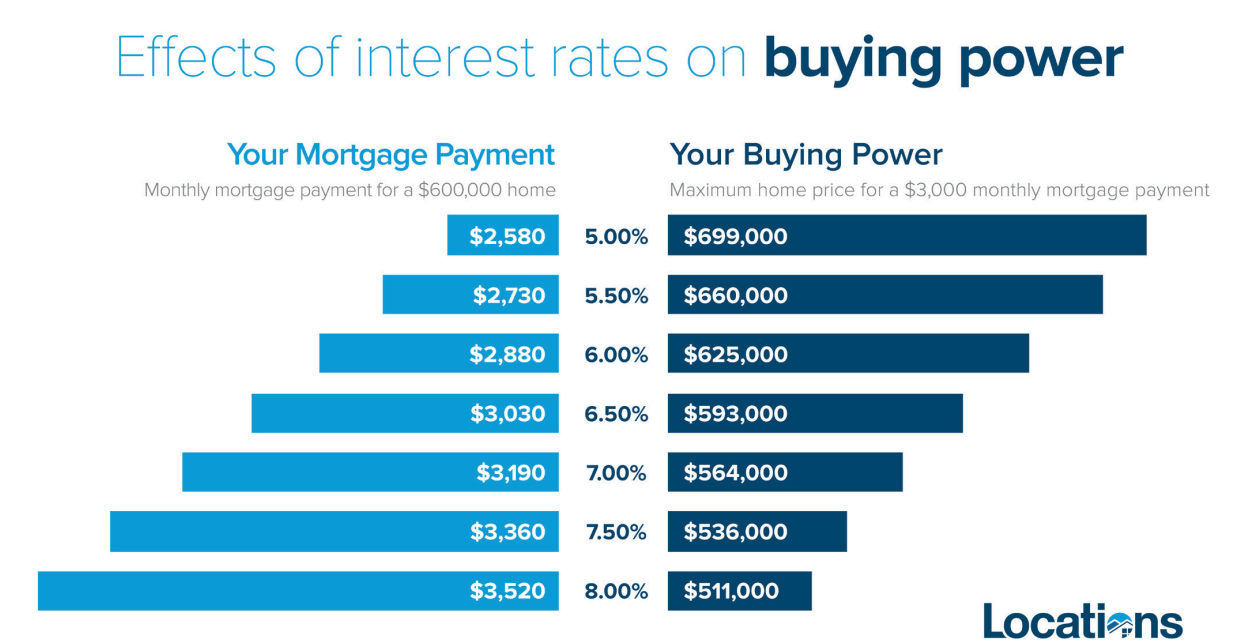
The question of what constitutes a “high interest rate” is far more complex than a simple numerical threshold. It’s a dynamic concept, continually shifting with economic tides, central bank policies, and individual financial circumstances. For borrowers, a high rate can feel like a heavy burden, impacting everything from monthly mortgage payments to the cost of consumer credit. For savers, conversely, higher rates can be a welcome boon, supercharging returns on deposits. Understanding this intricate balance is crucial for effective personal and business financial management. This article delves into the various facets that define a high interest rate, exploring the economic context, individual factors, and the implications for both borrowers and the broader economy.
The Foundation: Understanding Interest Rates and Their Purpose
Before deeming a rate “high,” it’s essential to grasp what interest rates fundamentally are and why they exist. At its core, an interest rate is the cost of borrowing money or the return on lending money, expressed as a percentage of the principal over a specified period.
Defining Interest Rates
Interest represents the price of time value of money. When you borrow, you pay interest for the privilege of using someone else’s capital now, with the promise of repayment later. When you save, you earn interest as compensation for deferring your consumption and allowing a financial institution to use your money. It compensates the lender for the risk of lending and for the lost opportunity to use the money themselves.
The Role of Central Banks and Monetary Policy
Central banks, such as the U.S. Federal Reserve, the European Central Bank, or the Bank of England, play a pivotal role in setting benchmark interest rates. These policy rates influence the rates banks charge each other for overnight lending, which in turn cascades down to consumer and business loan rates. By raising or lowering these benchmark rates, central banks aim to control inflation, stimulate economic growth, or cool down an overheating economy. A period of rising central bank rates almost invariably leads to what consumers perceive as “high” interest rates across the board.
Types of Interest Rates: Fixed vs. Variable
Interest rates come in various forms, significantly impacting how we perceive their “height.”
- Fixed-Rate: The interest rate remains constant for the entire duration of the loan. This provides predictability in payments but means you might miss out if market rates fall. For a fixed-rate loan, a “high” rate is determined at the point of origination against prevailing market conditions.
- Variable (or Adjustable) Rate: The interest rate can fluctuate over the life of the loan, typically tied to a benchmark index (like the prime rate or SOFR). This offers flexibility but introduces payment uncertainty. A variable rate might be considered high if it suddenly spikes, leading to unexpectedly large monthly payments, even if the initial rate wasn’t particularly elevated.
The Dynamic Definition of “High”: Key Influencing Factors
What is considered “high” is rarely an absolute number, but rather a relative judgment influenced by a multitude of economic and personal factors.
Economic Climate and Inflation
One of the most significant determinants is the prevailing economic environment, particularly the rate of inflation.
- High Inflation: When inflation is high, the purchasing power of money erodes quickly. Lenders demand higher interest rates to compensate for this erosion, ensuring they receive a real return on their investment. In such an environment, a 6% mortgage rate might be considered moderate, whereas in a low-inflation period, it would be seen as exceptionally high.
- Low Inflation/Deflation: Conversely, during periods of low inflation or deflation, even seemingly modest interest rates can feel high because the real cost of borrowing is greater.
- Economic Growth: A booming economy often sees higher demand for credit, which can push rates up. A recession, conversely, often leads to lower rates as central banks try to stimulate activity.
Loan Type and Risk Profile
The specific type of loan significantly impacts what’s considered a normal, or high, interest rate. Different loan products carry different risk levels for the lender.
- Mortgages: Generally have lower interest rates due to being secured by a tangible asset (the property). A mortgage rate above 7-8% in a typical economic environment (outside of very high inflation periods) would usually be considered high.
- Auto Loans: Tend to have higher rates than mortgages but lower than unsecured loans, as the vehicle serves as collateral. A 0% or very low APR is often a promotional offer, making anything above 5-6% potentially seem high, depending on credit score and market conditions.
- Personal Loans (Unsecured): These carry higher risk for lenders, as there’s no collateral. Rates can range widely, with anything over 10-15% often crossing into “high” territory for a borrower with good credit.
- Credit Cards: Historically carry the highest interest rates because they are unsecured, revolving lines of credit with high default risk. An APR under 15% is often considered good, while anything above 20-25% is unequivocally high, and some cards can go significantly higher.
Borrower’s Creditworthiness
An individual’s credit score and financial history are paramount in determining the interest rate they are offered.
- Excellent Credit: Borrowers with high credit scores (e.g., 760+) are considered low risk and qualify for the most favorable, lowest interest rates available. For them, a rate that might be considered “average” for others could be deemed “high” because they know they should qualify for better.
- Poor Credit: Borrowers with low credit scores (e.g., below 600) are viewed as high risk. Lenders compensate for this increased risk by charging significantly higher interest rates, sometimes bordering on predatory for certain products. For these individuals, what is considered “high” is relative to the limited options available to them, and even a 15% rate on a personal loan might be the best they can get.
Historical Context and Benchmarks
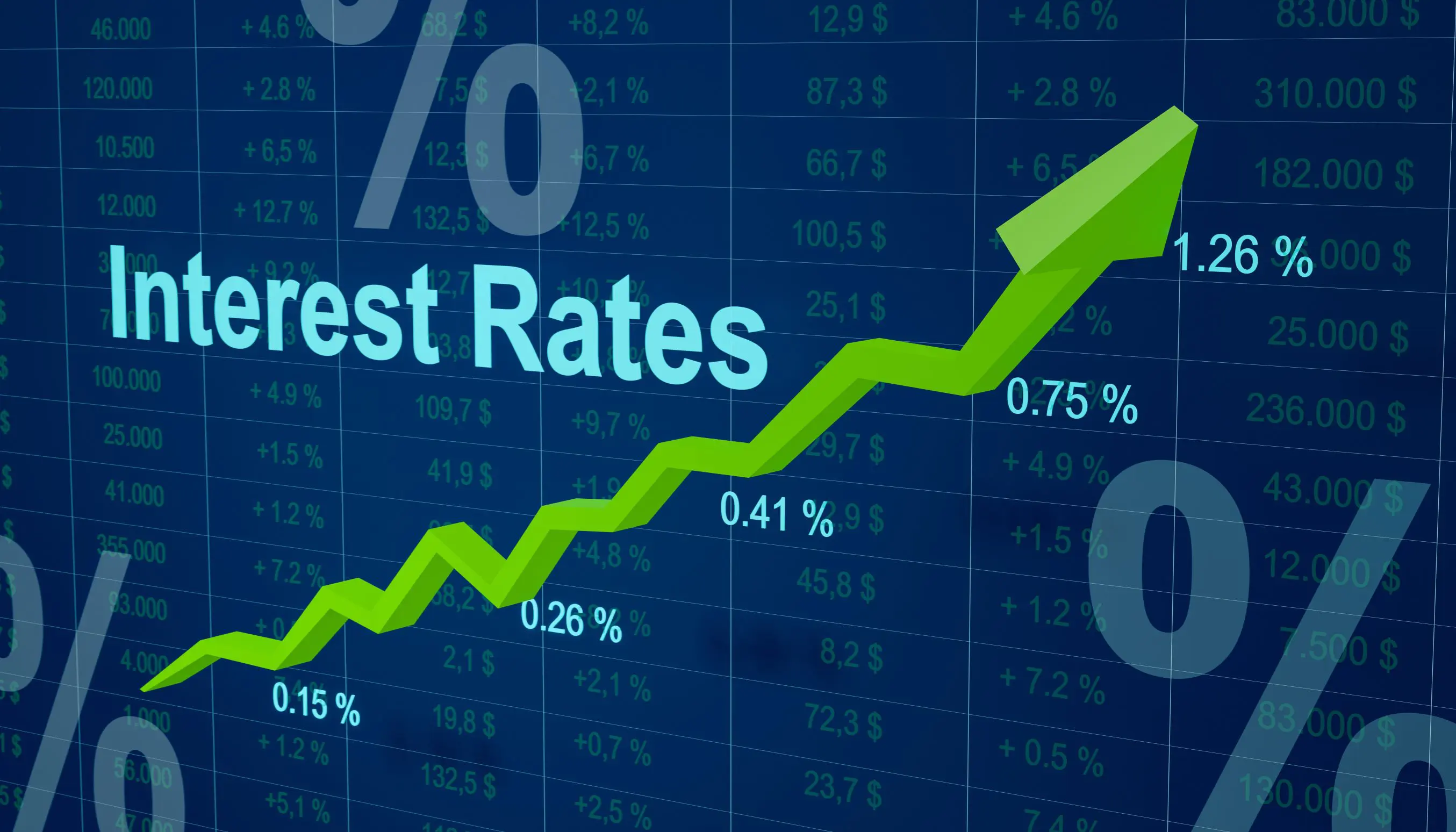
Comparing current rates to historical averages provides valuable context. For instance, mortgage rates in the U.S. reached double digits in the early 1980s. In that context, a 7% mortgage rate today would have been considered a bargain. However, for those who refinanced during the sub-3% rates of the early 2020s, a 7% rate feels prohibitively high. Benchmarks like the prime rate or the yield on U.S. Treasury bonds also serve as crucial reference points. When the rate on a loan is significantly above these benchmarks (accounting for risk premiums), it can be considered high.
The Impact of Elevated Interest Rates
High interest rates reverberate through the economy, affecting consumers, businesses, and government alike. Understanding these impacts is key to grasping why high rates are a significant financial concern.
For Consumers and Borrowers
- Increased Debt Burden: Higher interest rates mean higher monthly payments on loans, reducing disposable income and increasing the overall cost of borrowing. This can make large purchases like homes and cars less affordable.
- Reduced Spending: With more money allocated to debt servicing, consumers have less to spend on other goods and services, which can slow economic growth.
- Credit Card Debt Escalation: For those carrying credit card balances, high APRs can make it incredibly difficult to pay down debt, leading to a vicious cycle of increasing principal due to compounding interest.
- Impact on Refinancing: Borrowers with existing loans might find refinancing less appealing or even impossible if current rates are significantly higher than their original loan rates.
On Savings and Investments
- Higher Returns on Deposits: For savers, high interest rates are generally beneficial. Savings accounts, money market accounts, and Certificates of Deposit (CDs) offer more attractive returns, encouraging saving.
- Bond Market Volatility: Existing bonds (fixed-income investments) typically see their market value decrease when new bonds are issued with higher interest rates, as the older, lower-yielding bonds become less attractive.
- Equity Market Impact: Higher interest rates can make borrowing more expensive for companies, potentially reducing their profits and making their stocks less appealing. They can also draw investment away from stocks towards safer, higher-yielding bonds and savings accounts.
Broader Economic Implications
- Slowing Inflation: This is often the primary goal of central banks raising rates. By making money more expensive, they aim to curb demand and slow price increases.
- Risk of Recession: If interest rates are raised too aggressively or kept high for too long, they can choke off economic activity, leading to reduced investment, job losses, and potentially a recession.
- Stronger Currency: Higher domestic interest rates can attract foreign investment seeking better returns, leading to increased demand for the local currency and a stronger exchange rate. This makes imports cheaper but exports more expensive.
Navigating a High-Interest Rate Environment
Dealing with high interest rates requires a proactive approach, whether you are a borrower seeking to minimize costs or a saver looking to maximize returns.
Strategies for Borrowers
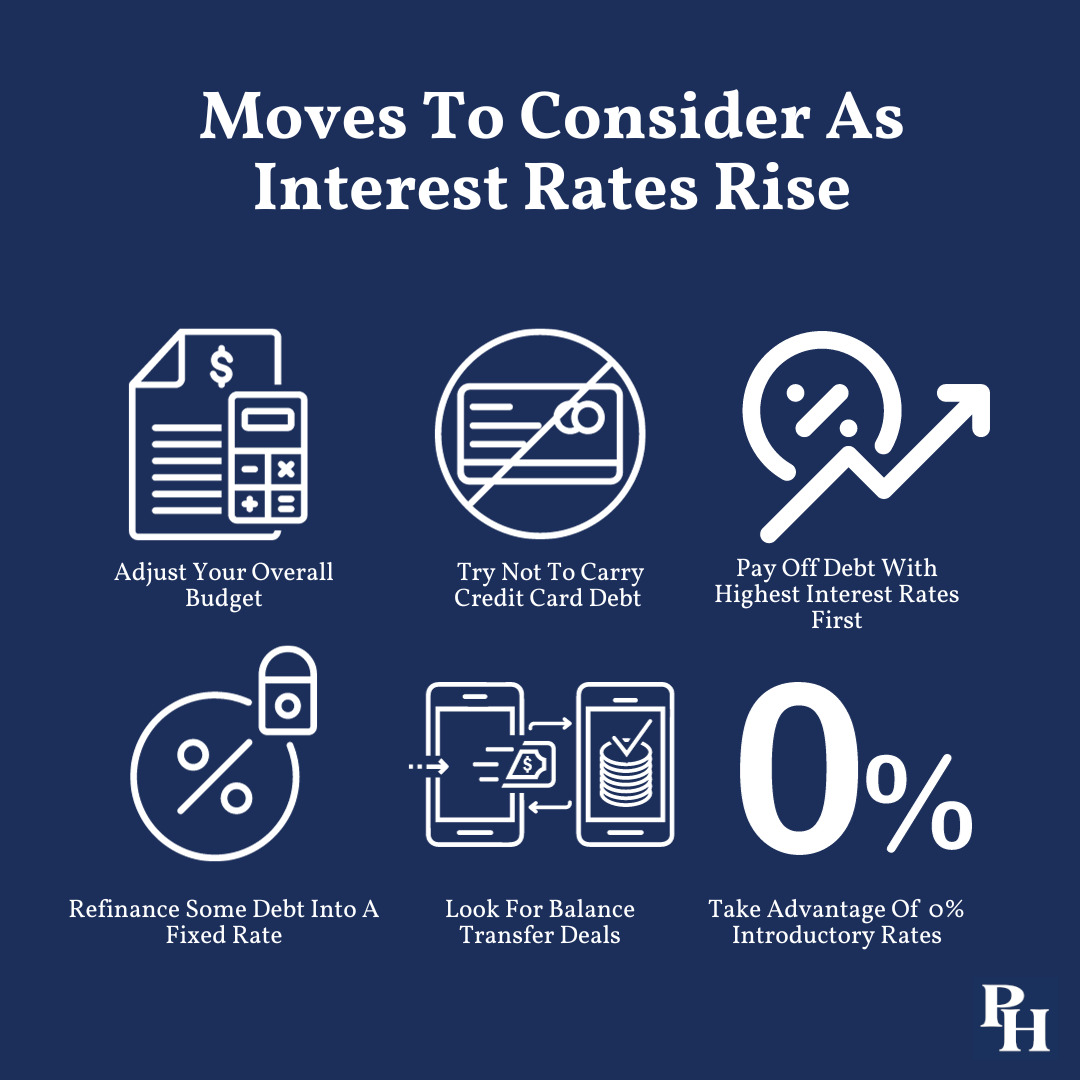
- Prioritize High-Interest Debt: Focus on paying down debts with the highest interest rates first (e.g., credit cards) to minimize the total interest paid over time. The “debt avalanche” method is particularly effective here.
- Refinance Strategically (If Rates Drop): Keep an eye on market conditions. If rates decline significantly, consider refinancing existing loans to secure a lower rate, especially for mortgages or large personal loans.
- Improve Your Credit Score: A better credit score can open doors to lower interest rates on new loans. Pay bills on time, reduce credit utilization, and regularly check your credit report for errors.
- Shop Around: Never accept the first interest rate offered. Compare rates from multiple lenders – banks, credit unions, and online lenders – to find the most competitive terms.
- Consider Fixed-Rate Options: If you anticipate rates continuing to rise, securing a fixed-rate loan can provide stability and protection against future increases.
Opportunities for Savers and Investors
- Maximize High-Yield Savings Accounts and CDs: High interest rate environments are ideal for parking emergency funds or short-term savings in accounts that offer competitive Annual Percentage Yields (APYs).
- Explore Treasury Securities: Short-term government bonds (like Treasury bills) become more attractive as their yields rise, offering a low-risk way to earn higher returns.
- Review Bond Portfolios: For investors in fixed-income, it’s crucial to understand how rising rates affect existing bond values and consider adjusting portfolios to incorporate newer, higher-yielding issues.
- Evaluate Money Market Funds: These funds invest in short-term, low-risk debt instruments and can offer competitive returns in a high-rate environment.
The Importance of Financial Literacy
Ultimately, understanding what constitutes a “high” interest rate boils down to financial literacy. It involves:
- Staying Informed: Keeping abreast of economic news, central bank decisions, and inflation trends.
- Personalized Assessment: Recognizing that “high” is subjective and dependent on your individual credit profile, financial goals, and risk tolerance.
- Scenario Planning: Understanding how potential rate changes might impact your budget and long-term financial plans.
In conclusion, “what is considered a high interest rate” is a nuanced question with no single definitive answer. It’s a dynamic interplay of macroeconomic forces, specific loan characteristics, individual creditworthiness, and historical context. By understanding these multifaceted influences, individuals and businesses can make more informed financial decisions, navigate challenging economic landscapes, and optimize their borrowing and saving strategies.
aViewFromTheCave is a participant in the Amazon Services LLC Associates Program, an affiliate advertising program designed to provide a means for sites to earn advertising fees by advertising and linking to Amazon.com. Amazon, the Amazon logo, AmazonSupply, and the AmazonSupply logo are trademarks of Amazon.com, Inc. or its affiliates. As an Amazon Associate we earn affiliate commissions from qualifying purchases.