
For many, the dream of homeownership represents not just a significant financial milestone but also a cornerstone of personal stability and future security. Yet, turning this dream into a reality often necessitates navigating one of the largest financial commitments an individual will ever undertake: securing a home loan. Also known as a mortgage, a home loan is a specialized financial instrument that allows prospective homeowners to borrow a substantial sum of money to purchase a property, using the property itself as collateral. Understanding the intricacies of home loans is not merely about appreciating financial jargon; it’s about empowering oneself with the knowledge to make informed decisions that can impact financial well-being for decades. This comprehensive guide will demystify home loans, breaking down their components, exploring various types, outlining the application process, and highlighting crucial factors that influence lending decisions and repayment strategies.
Understanding the Fundamentals of a Home Loan
A home loan is more than just a large sum of borrowed money; it’s a complex agreement with specific terms and conditions designed to facilitate property acquisition. Grasping these foundational elements is the first step toward successful homeownership.
Defining a Home Loan
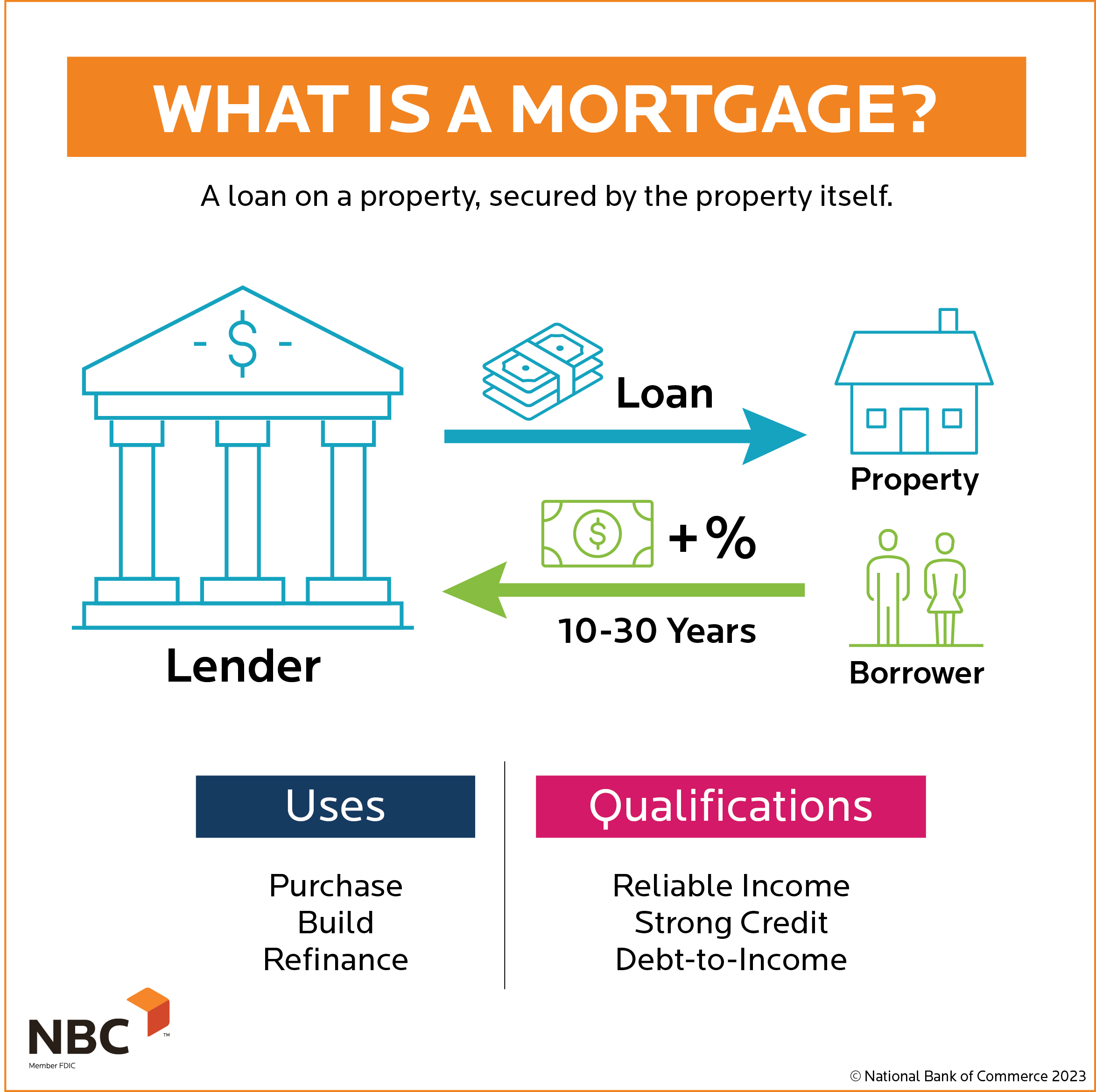
At its core, a home loan is an agreement between a borrower (the individual seeking to purchase a home) and a lender (typically a bank, credit union, or mortgage company). The lender provides the capital needed to buy the property, and in return, the borrower agrees to repay the loan over a set period, usually 15 to 30 years, with added interest. The unique aspect of a home loan is that the purchased property serves as collateral. This means that if the borrower defaults on their payments, the lender has the legal right to repossess the property through a process known as foreclosure to recover their investment. This collateralized nature makes home loans generally less risky for lenders compared to unsecured personal loans, often resulting in more favorable interest rates for borrowers.
The Core Parties Involved
Beyond the borrower and lender, several other key players contribute to the home loan process:
- Mortgage Broker: An intermediary who helps borrowers find the best loan products from various lenders. They don’t lend money themselves but facilitate the connection.
- Real Estate Agent: Represents either the buyer or seller, helping navigate the property market and negotiate purchase agreements.
- Appraiser: An independent professional who assesses the fair market value of the property, ensuring it justifies the loan amount.
- Underwriter: A person within the lending institution who reviews the loan application, verifying the borrower’s financial information and assessing risk.
- Closing Agent/Escrow Officer: Facilitates the final legal and financial transfer of the property, ensuring all documents are signed and funds are disbursed correctly.
Why Borrow for a Home?
The primary reason individuals opt for a home loan is the sheer magnitude of purchasing real estate. Few can afford to pay for a home entirely in cash. Home loans make homeownership accessible by allowing buyers to spread the cost over many years. Beyond accessibility, home loans offer several benefits:
- Leverage: Borrowing enables individuals to control a valuable asset (a home) with a relatively small upfront investment (the down payment).
- Wealth Building: As the loan is paid down, homeowners build equity in their property, which can be a significant source of wealth over time.
- Tax Advantages: In many jurisdictions, interest paid on a mortgage can be tax-deductible, reducing the overall cost of homeownership.
- Inflation Hedge: Real estate often appreciates over time, providing a hedge against inflation and increasing the homeowner’s net worth.
Types of Home Loans: Exploring Your Options
The mortgage market is diverse, offering a range of loan products tailored to different financial situations and risk tolerances. Selecting the right type of loan is a critical decision that impacts monthly payments, total interest paid, and financial flexibility.
Fixed-Rate Mortgages
The fixed-rate mortgage is perhaps the most straightforward and popular type of home loan. With a fixed-rate mortgage, the interest rate remains constant for the entire duration of the loan. This means that the principal and interest portion of your monthly payment will never change, providing predictability and stability in your personal finances. Common terms for fixed-rate mortgages are 15, 20, or 30 years, with the 30-year fixed-rate mortgage being the most prevalent.
- Pros: Predictable monthly payments, protection from rising interest rates, easier budgeting.
- Cons: Higher interest rates than initial ARM rates, less flexibility if rates fall significantly.
Adjustable-Rate Mortgages (ARMs)
In contrast to fixed-rate mortgages, adjustable-rate mortgages (ARMs) feature an interest rate that can change periodically over the life of the loan. ARMs typically start with an initial fixed-rate period (e.g., 3, 5, 7, or 10 years), after which the rate adjusts based on a specified financial index (like the prime rate or LIBOR) plus a margin set by the lender.
- Pros: Often offer lower initial interest rates compared to fixed-rate mortgages, making them attractive for borrowers planning to sell or refinance before the fixed-rate period ends.
- Cons: Payments can increase significantly if interest rates rise, introducing payment uncertainty and potential financial strain.
Government-Backed Loans (FHA, VA, USDA)
These loans are insured or guaranteed by U.S. government agencies, making them accessible to a broader range of borrowers who might not qualify for conventional loans.
- FHA Loans: Insured by the Federal Housing Administration, FHA loans are ideal for first-time homebuyers or those with lower credit scores and smaller down payments (as low as 3.5%). They require mortgage insurance premiums (MIP).
- VA Loans: Guaranteed by the Department of Veterans Affairs, VA loans are available to eligible service members, veterans, and surviving spouses. They often require no down payment and no private mortgage insurance (PMI).
- USDA Loans: Backed by the U.S. Department of Agriculture, these loans are designed for low-to-moderate-income individuals purchasing homes in eligible rural areas. They also typically require no down payment.
Other Specialized Loan Products
- Jumbo Loans: For loan amounts exceeding conventional conforming loan limits, typically for high-value properties.
- Interest-Only Mortgages: For a set period, borrowers only pay the interest on the loan, not the principal. After this period, payments increase significantly to cover both.
- Balloon Mortgages: Feature smaller payments for a short period, followed by one large “balloon” payment of the remaining principal at the end of the term.
The Home Loan Application Process
Securing a home loan is a multi-step journey that requires thorough preparation and documentation. Understanding each phase can streamline the process and reduce stress.
Pre-Approval vs. Pre-Qualification
The first step in the home loan journey often involves getting an idea of how much you can borrow.
- Pre-qualification: A preliminary assessment based on self-reported financial information. It gives you an estimate of what you might qualify for but is not a commitment from the lender.
- Pre-approval: A more rigorous process where a lender verifies your financial information (income, assets, credit history) and commits to lending you a specific amount, subject to an appraisal of the property. A pre-approval letter makes you a more attractive buyer to sellers.
Gathering Necessary Documentation
Lenders require a comprehensive array of documents to assess your financial health and ability to repay the loan. This typically includes:
- Income Verification: Pay stubs (last 30 days), W-2 forms (last two years), tax returns (last two years for self-employed individuals).
- Asset Verification: Bank statements (last two months), investment account statements.
- Credit History: Lenders pull your credit report to evaluate your borrowing history and credit score.
- Debt Information: Statements for existing loans (car loans, student loans, credit cards).
- Identification: Driver’s license, social security card.
Underwriting and Approval
Once your application and documentation are submitted, the loan enters the underwriting phase. The underwriter’s job is to thoroughly evaluate the risk associated with lending to you. They review:
- Creditworthiness: Your credit score, payment history, and any delinquencies.
- Income Stability: Consistency of employment and income sources.
- Debt-to-Income (DTI) Ratio: A critical metric comparing your total monthly debt payments to your gross monthly income.
- Loan-to-Value (LTV) Ratio: The loan amount compared to the appraised value of the property.
- Property Appraisal: Ensures the home’s value supports the loan amount.
- Title Search: Verifies that the seller has clear ownership of the property and there are no liens.
If all criteria are met, the loan is approved, and you receive a “clear to close” notification.
Closing the Loan
The closing, also known as settlement, is the final stage where all parties meet to sign the legal documents that transfer ownership of the property and finalize the mortgage. This typically involves:
- Reviewing and Signing Documents: Including the promissory note (your promise to repay) and the mortgage or deed of trust (the lien on the property).
- Paying Closing Costs: These are fees associated with the loan and property transfer, such as origination fees, appraisal fees, title insurance, and prepaid property taxes or homeowner’s insurance.
- Funding the Loan: The lender disburses the loan funds.
- Recording the Deed: The transfer of ownership is legally recorded with the local government. Once closing is complete, you officially become the homeowner.
Key Factors Influencing Your Home Loan
Several variables significantly impact the terms of your home loan, determining how much you pay, your monthly obligations, and your overall financial commitment.
Interest Rates and Their Impact
The interest rate is arguably the most crucial factor in a home loan. It’s the cost of borrowing money, expressed as a percentage of the loan amount. Even a small difference in the interest rate can translate into tens of thousands of dollars over the loan’s lifetime.
- Determinants: Interest rates are influenced by the broader economic environment (inflation, Federal Reserve policy), market conditions, and individual borrower factors (credit score, debt-to-income ratio).
- Choosing Fixed vs. Adjustable: Your choice between a fixed or adjustable rate will depend on your outlook on future interest rate movements and your risk tolerance.
Down Payment Considerations
The down payment is the initial sum of money you pay upfront for the home, reducing the amount you need to borrow.
- Impact on Loan Terms: A larger down payment reduces the loan-to-value (LTV) ratio, which can result in a lower interest rate and potentially eliminate the need for private mortgage insurance (PMI) on conventional loans (typically required if your down payment is less than 20%).
- Minimum Requirements: While 20% is often seen as ideal, many loans (like FHA, VA, USDA) allow for much smaller down payments, or even none at all for eligible borrowers.
Credit Score and Debt-to-Income Ratio
These two metrics are paramount in a lender’s risk assessment.
- Credit Score: A numerical representation of your creditworthiness. A higher credit score (generally above 740) signals a lower risk to lenders, leading to better interest rates and more favorable terms.
- Debt-to-Income (DTI) Ratio: This ratio compares your total monthly debt payments (including the proposed mortgage payment) to your gross monthly income. Lenders typically prefer a DTI ratio below 43%, though this can vary by loan type and lender. A lower DTI indicates you have more disposable income to cover your mortgage payments.
Loan Term Length
The loan term is the period over which you agree to repay the loan.
- Shorter Terms (e.g., 15 years): Result in higher monthly payments but significantly less interest paid over the life of the loan, allowing you to build equity faster.
- Longer Terms (e.g., 30 years): Offer lower monthly payments, making homeownership more affordable on a monthly basis, but accrue much more interest over the extended period. Your choice depends on your budget, income stability, and long-term financial goals.
Managing Your Home Loan Responsibly
Once you’ve secured a home loan, the journey doesn’t end; it begins a new phase of responsible financial management. Effective management of your mortgage can save you money, build equity faster, and ensure long-term financial stability.
Understanding Your Monthly Payments
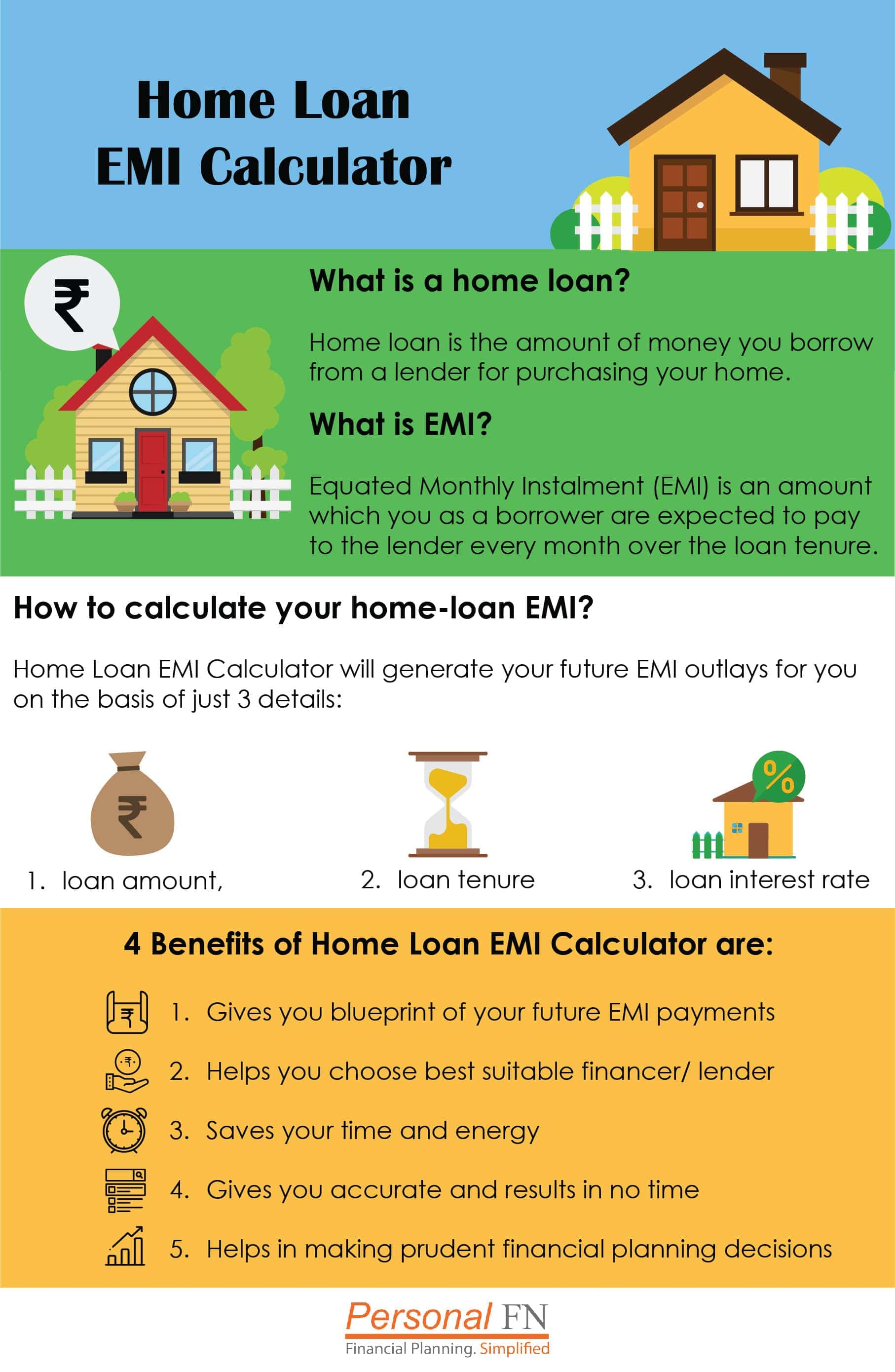
Your monthly mortgage payment typically comprises four main components, often referred to as PITI:
- Principal: The portion of your payment that goes directly towards reducing the outstanding loan balance.
- Interest: The cost of borrowing the money, paid to the lender.
- Taxes: Property taxes levied by your local government, often collected by the lender and held in an escrow account.
- Insurance: Homeowner’s insurance, protecting your property against damage, and potentially private mortgage insurance (PMI) if your down payment was less than 20%.
Understanding how each component contributes to your payment helps in budgeting and appreciating your progress toward ownership.
Strategies for Early Repayment
While a 30-year mortgage sounds long, there are several strategies to pay it off faster, saving a substantial amount in interest:
- Making Extra Payments: Even small additional payments can significantly reduce the principal balance over time.
- Bi-Weekly Payments: Instead of one monthly payment, making half a payment every two weeks results in 13 full monthly payments per year, effectively making one extra payment annually.
- Refinancing to a Shorter Term: If interest rates have dropped or your financial situation has improved, refinancing from a 30-year to a 15-year loan can save you substantial interest, though with higher monthly payments.
- Applying Bonuses/Tax Refunds: Using unexpected windfalls to make lump-sum principal payments can dramatically accelerate the payoff timeline.
Refinancing Opportunities
Refinancing involves replacing your existing mortgage with a new one, often with different terms. People refinance for various reasons:
- Lower Interest Rate: If market rates have dropped significantly since you obtained your original loan, refinancing can secure a lower rate, reducing your monthly payments and total interest.
- Shorten Loan Term: To pay off the mortgage faster and save on interest.
- Cash-Out Refinance: To tap into your home equity by taking out a new, larger mortgage and receiving the difference in cash, which can be used for home improvements, debt consolidation, or other investments.
- Change Loan Type: Switching from an ARM to a fixed-rate mortgage for payment stability, or vice versa.
Refinancing involves new closing costs, so it’s crucial to analyze whether the long-term savings outweigh these upfront expenses.

Avoiding Foreclosure
Foreclosure is the legal process by which a lender takes possession of a property when the borrower fails to make mortgage payments. It’s a financially devastating event that significantly impacts credit and future borrowing capacity. If you find yourself struggling to make payments:
- Communicate with Your Lender: Do not wait until you miss multiple payments. Lenders often have programs or options available for borrowers facing financial hardship.
- Explore Forbearance or Loan Modification: These options can temporarily reduce or suspend payments, or permanently alter loan terms to make them more affordable.
- Seek Housing Counseling: HUD-approved housing counselors can provide free or low-cost advice on avoiding foreclosure and understanding your options.
Proactive communication and understanding your options are key to navigating financial difficulties and preserving your homeownership.
In conclusion, a home loan is a powerful financial tool that opens the door to property ownership. While its complexities can seem daunting, a thorough understanding of its types, the application process, and key influencing factors empowers borrowers to make judicious decisions. Responsible management, including understanding payments, exploring early repayment strategies, and being aware of refinancing opportunities, is crucial for turning a house into a truly secure and valuable asset for the long term.
aViewFromTheCave is a participant in the Amazon Services LLC Associates Program, an affiliate advertising program designed to provide a means for sites to earn advertising fees by advertising and linking to Amazon.com. Amazon, the Amazon logo, AmazonSupply, and the AmazonSupply logo are trademarks of Amazon.com, Inc. or its affiliates. As an Amazon Associate we earn affiliate commissions from qualifying purchases.