
Navigating the world of homeownership is often an exhilarating, yet complex, journey. For most aspiring homeowners, securing the right financing is the cornerstone of this endeavor. A home loan, or mortgage, isn’t a one-size-fits-all product; it’s a sophisticated financial instrument with numerous variations designed to suit diverse financial situations, risk tolerances, and long-term goals. Understanding these different types of home loans is not just about making a purchase; it’s about making an informed financial decision that can impact your budget, wealth accumulation, and peace of mind for decades to come.
The sheer volume of options can be daunting, from fixed-rate mortgages offering predictable payments to adjustable-rate mortgages with their potential for fluctuating costs, and specialized government-backed loans designed to assist specific borrower groups. Each type carries its own set of advantages, disadvantages, eligibility requirements, and implications for a borrower’s financial future. This comprehensive guide aims to demystify the landscape of home loans, providing the insights necessary to embark on your homeownership journey with confidence and clarity. We’ll delve into the mechanics of each loan type, discuss their ideal use cases, and equip you with the knowledge to select the mortgage that aligns best with your financial profile and aspirations.

The Foundation of Home Financing: Understanding Mortgage Basics
Before diving into the specific types of home loans, it’s crucial to grasp the fundamental concepts that underpin all mortgages. A home loan is essentially a secured loan where the property itself serves as collateral. In exchange for the lender providing a large sum of money to purchase the home, the borrower agrees to repay the loan over a set period, typically 15 to 30 years, with interest.
Key Components of a Home Loan
Understanding these core elements will help you compare different loan products more effectively:
- Principal: This is the original amount of money borrowed from the lender to purchase the home. Each payment you make goes towards reducing this principal amount, alongside interest and other charges.
- Interest Rate: This is the cost of borrowing money, expressed as a percentage of the principal. It can be fixed or variable, significantly impacting your monthly payments and the total cost of the loan over its lifetime.
- Loan Term: This refers to the repayment period of the loan, usually expressed in years (e.g., 15-year, 30-year). A shorter term typically means higher monthly payments but less interest paid overall, while a longer term offers lower monthly payments but accrues more interest over time.
- Down Payment: This is the initial upfront payment a buyer makes towards the purchase price of a home. It reduces the amount needing to be financed and can influence the interest rate you qualify for and whether you need to pay Private Mortgage Insurance (PMI).
- Closing Costs: These are fees paid at the closing of a real estate transaction. They can include appraisal fees, loan origination fees, title insurance, attorney fees, and more, typically ranging from 2% to 5% of the loan amount.
- Escrow: Many lenders require an escrow account, into which a portion of your monthly mortgage payment is deposited to cover property taxes and homeowners insurance premiums. This ensures these critical expenses are paid on time.
The Role of Credit Score and Debt-to-Income Ratio
Your credit score and debt-to-income (DTI) ratio are paramount in determining not only your eligibility for a home loan but also the interest rate you’ll be offered. A higher credit score signals lower risk to lenders, often resulting in more favorable interest rates. Your DTI ratio, which compares your total monthly debt payments to your gross monthly income, indicates your ability to manage additional debt. Lenders typically look for a DTI below 43%, though this can vary by loan type and lender.
Traditional Mortgage Offerings: Fixed vs. Adjustable Rates
The most fundamental distinction among home loans lies in how their interest rates are structured: whether they remain constant or change over time.
Fixed-Rate Mortgages: Predictability and Stability
A fixed-rate mortgage is the most common and straightforward type of home loan. With this option, the interest rate remains constant for the entire duration of the loan term, which means your principal and interest payment will stay the same every month.
How Fixed-Rate Mortgages Work
Once you lock in your interest rate, it won’t change, regardless of market fluctuations. This provides a stable and predictable monthly housing expense, making budgeting easier and offering peace of mind against rising interest rates. Common terms include 15-year and 30-year fixed-rate mortgages, though other durations exist.
Advantages of Fixed-Rate Loans
- Budget Stability: Predictable monthly payments make financial planning simpler.
- Protection Against Rising Rates: You’re shielded if market interest rates increase significantly.
- Simplicity: Easy to understand and manage, with no surprises regarding payment changes.
- Long-Term Security: Ideal for borrowers who plan to stay in their home for many years.
Disadvantages and Considerations
- Missed Opportunity: If market interest rates fall, you won’t benefit unless you refinance.
- Higher Initial Rate: Often, the initial interest rate for a fixed-rate loan is slightly higher than the introductory rate for an adjustable-rate mortgage.
- Slower Equity Build-Up (30-year): While 30-year fixed loans have lower payments, a larger portion of early payments goes towards interest, slowing equity accumulation compared to shorter terms.
Adjustable-Rate Mortgages (ARMs): Flexibility with Calculated Risk
Adjustable-Rate Mortgages (ARMs) offer a different approach, with an interest rate that can change periodically based on market indexes. ARMs typically begin with a lower introductory interest rate for a set period, after which the rate adjusts up or down at predetermined intervals.
How ARMs Work
An ARM consists of an initial fixed-rate period (e.g., 3, 5, 7, or 10 years), followed by adjustment periods. For example, a “5/1 ARM” means the rate is fixed for the first five years, then adjusts annually for the remainder of the loan term. The rate adjustments are tied to a specific financial index (like the SOFR or a Treasury bill index) plus a margin set by the lender.
Advantages of ARMs
- Lower Initial Payments: The introductory interest rate is often lower than that of a fixed-rate mortgage, leading to smaller initial monthly payments.
- Potential Savings: If market interest rates decrease, your payments could also go down.
- Ideal for Short-Term Ownership: Suitable for borrowers who plan to sell or refinance their home before the fixed-rate period ends.
Disadvantages and Potential Risks
- Payment Volatility: The biggest risk is that your payments could significantly increase if interest rates rise, making budgeting challenging.
- Complexity: ARMs can be more complex to understand due to adjustment caps, margins, and indexes.
- Interest Rate Caps: While ARMs have caps that limit how much the interest rate can increase per adjustment period and over the life of the loan, increases can still be substantial.
- Forecasting Difficulty: It’s hard to predict future interest rate movements, making it difficult to project long-term costs accurately.
Government-Backed Home Loans: Specialized Support
Beyond conventional fixed and adjustable-rate options, several government agencies offer loan programs designed to make homeownership more accessible to specific groups of people or in certain areas. These loans often come with more lenient qualification requirements, such as lower down payments or credit score thresholds.
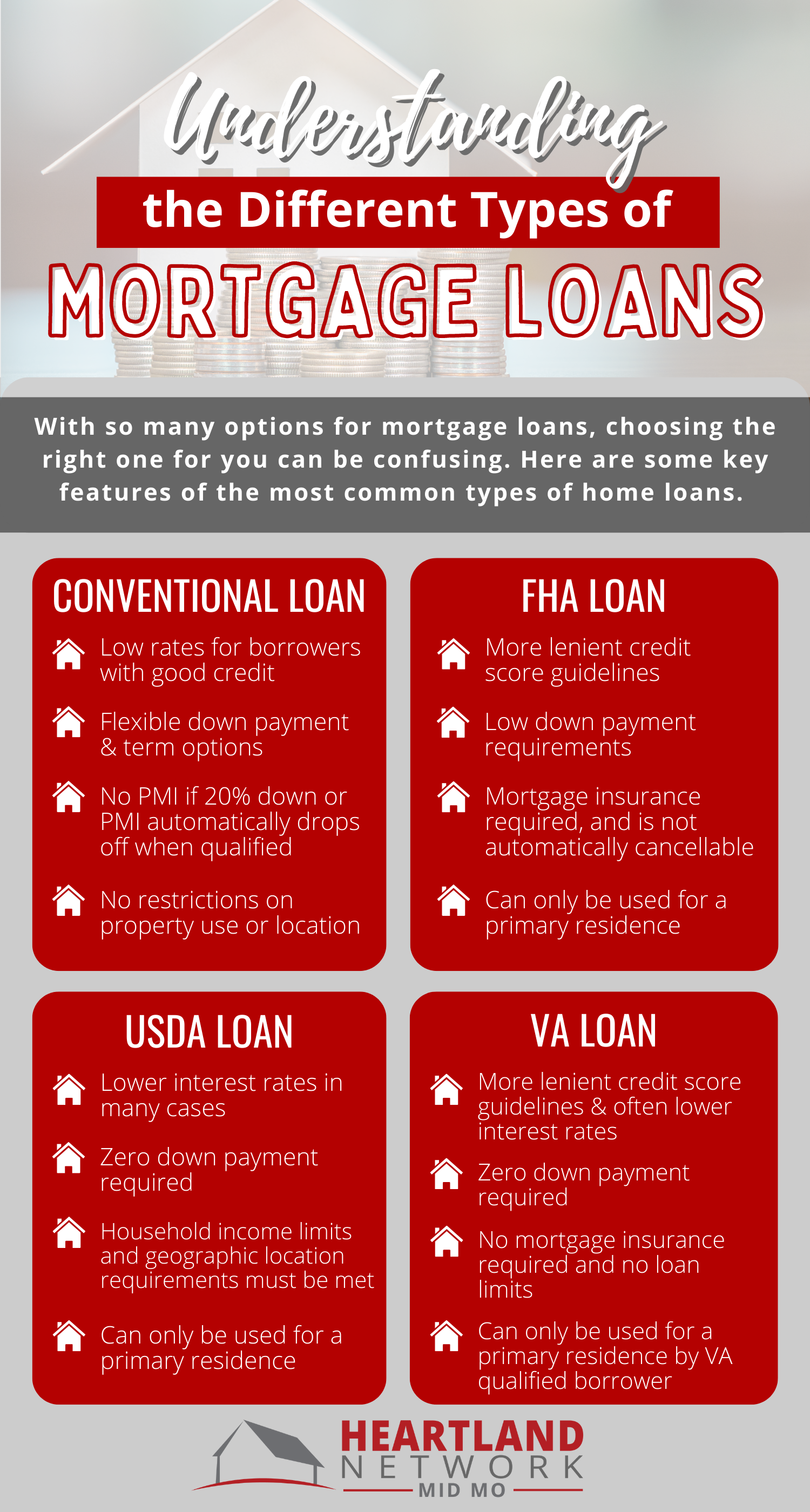
FHA Loans: Low Down Payment Options
Insured by the Federal Housing Administration (FHA), these loans are ideal for first-time homebuyers or those with lower credit scores or limited funds for a down payment.
Key Features of FHA Loans
- Low Down Payment: As little as 3.5% of the purchase price.
- Lenient Credit Requirements: Often available to borrowers with credit scores as low as 580 (with 3.5% down) or 500-579 (with 10% down).
- Mortgage Insurance Premiums (MIP): FHA loans require both an upfront MIP and an annual MIP (paid monthly), which adds to the cost but protects the lender from default.
- Property Standards: Homes must meet certain FHA appraisal guidelines to ensure they are safe, sound, and secure.
VA Loans: Benefits for Veterans and Service Members
Guaranteed by the U.S. Department of Veterans Affairs (VA), these loans are a fantastic benefit for eligible service members, veterans, and surviving spouses.
Key Features of VA Loans
- No Down Payment Required: One of the most significant advantages, allowing eligible borrowers to finance 100% of the home’s value.
- No Private Mortgage Insurance (PMI): Unlike FHA or conventional loans with low down payments, VA loans do not require PMI.
- Competitive Interest Rates: Often come with lower interest rates compared to conventional loans.
- Funding Fee: Most VA loans require a one-time funding fee, which can be financed into the loan, though some exemptions apply.
USDA Loans: Rural Development Support
Backed by the U.S. Department of Agriculture (USDA), these loans are designed to promote homeownership in eligible rural and suburban areas.
Key Features of USDA Loans
- No Down Payment: Similar to VA loans, eligible borrowers can finance 100% of the home’s purchase price.
- Income Limits: Borrowers must meet specific income limitations for the area.
- Geographic Restrictions: The property must be located in an eligible rural area, as defined by the USDA.
- Mortgage Insurance: Requires both an upfront guarantee fee and an annual fee, similar to FHA’s MIP.
Specialized Home Loan Products for Unique Situations
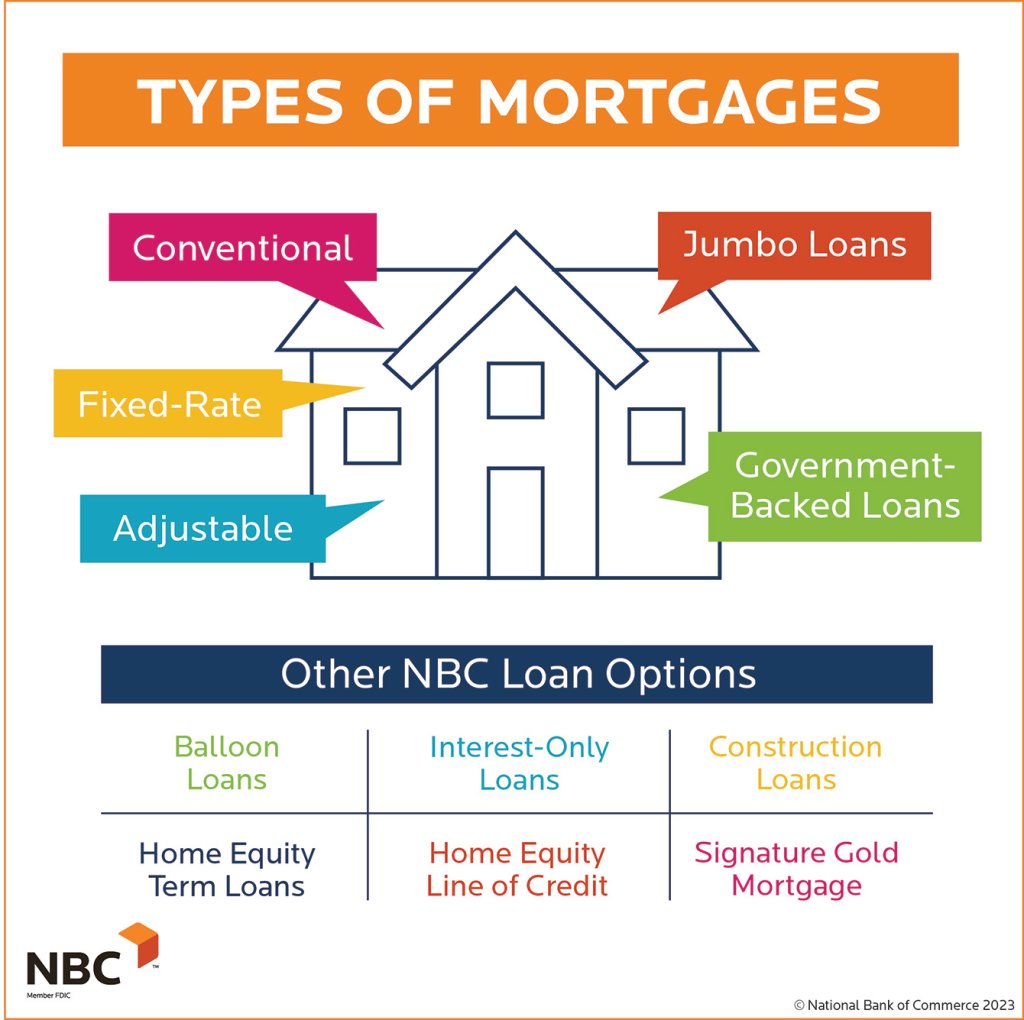
Beyond the major categories, the mortgage market offers several specialized products catering to specific financial needs or property types.
Jumbo Loans: For High-Value Properties
Jumbo loans are non-conforming mortgages that exceed the conforming loan limits set by government-sponsored enterprises (GSEs) like Fannie Mae and Freddie Mac. These are necessary for purchasing high-value properties, especially in competitive real estate markets.
Key Characteristics
- Higher Loan Amounts: Used for homes that exceed the local conforming loan limit (which varies by county).
- Stricter Qualification: Typically require higher credit scores, lower debt-to-income ratios, and larger down payments (often 10-20% or more) due to the increased risk for lenders.
- Competitive Rates: While once significantly higher, interest rates on jumbo loans have become more competitive with conforming loans.
Construction Loans: Building Your Dream Home
Designed for individuals looking to build a new home from the ground up, construction loans are short-term, higher-interest loans that cover the costs of building.
How Construction Loans Work
Funds are disbursed in stages, or “draws,” as construction progresses and milestones are met. Once the home is completed, the construction loan is typically converted into a permanent mortgage (a “take-out” loan), either a fixed-rate or adjustable-rate product.
Interest-Only Mortgages: Short-Term Lower Payments
With an interest-only mortgage, the borrower pays only the interest on the principal loan amount for an initial period (e.g., 5 to 10 years). This results in significantly lower monthly payments during that time.
Advantages and Risks
- Lower Initial Payments: Frees up cash flow in the short term, potentially useful for investors or those expecting a significant income increase.
- No Principal Reduction: During the interest-only period, you are not building equity through payments. After this period, payments typically jump significantly as you begin paying both principal and interest.
- Higher Risk: Best suited for financially sophisticated borrowers or those with a clear exit strategy, such as selling the property before the interest-only period ends.
Choosing the Right Home Loan for Your Financial Journey
The decision of which home loan to choose is a deeply personal one, contingent on your current financial standing, future aspirations, and tolerance for risk. There is no universally “best” loan; only the one that best fits you.
Assess Your Financial Situation and Goals
- Current Income and Job Stability: Do you have a steady, predictable income, or is it variable?
- Savings for Down Payment and Closing Costs: How much can you comfortably put down?
- Credit Score and Debt: A strong credit profile opens more doors to favorable rates and terms.
- Time Horizon: How long do you plan to stay in the home? If it’s short-term, an ARM might be appealing. If long-term, a fixed-rate loan offers stability.
- Risk Tolerance: Are you comfortable with potentially fluctuating payments, or do you prefer predictability?
Shop Around and Compare Lenders
Don’t settle for the first offer you receive. Different lenders—banks, credit unions, and mortgage brokers—will offer varying rates, fees, and loan programs. Get quotes from multiple sources and compare the annual percentage rate (APR), not just the interest rate, as APR accounts for additional loan costs.
Seek Professional Guidance
Consulting with a qualified mortgage loan officer or financial advisor can be invaluable. They can help you understand the intricacies of each loan type, assess your eligibility, and guide you towards the option that best aligns with your financial capacity and long-term goals. They can also help you navigate the application process and ensure you’re aware of all potential costs and obligations.
In conclusion, understanding the different types of home loans is a critical step towards informed homeownership. Each mortgage product serves a unique purpose, designed to meet specific needs within the vast spectrum of financial situations. By carefully evaluating your personal finances, weighing the pros and cons of each loan type, and leveraging expert advice, you can secure a mortgage that not only enables your dream of homeownership but also contributes positively to your overall financial well-being.
aViewFromTheCave is a participant in the Amazon Services LLC Associates Program, an affiliate advertising program designed to provide a means for sites to earn advertising fees by advertising and linking to Amazon.com. Amazon, the Amazon logo, AmazonSupply, and the AmazonSupply logo are trademarks of Amazon.com, Inc. or its affiliates. As an Amazon Associate we earn affiliate commissions from qualifying purchases.