
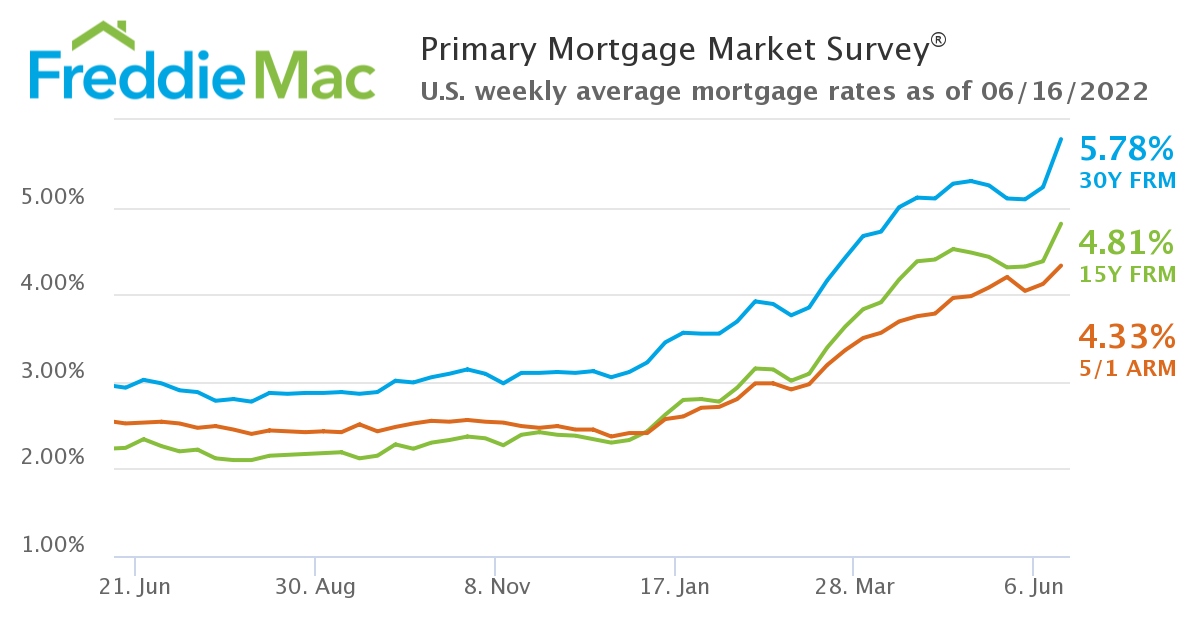
The question of when mortgage rates will finally come down has become a pervasive query for millions of aspiring homeowners and those looking to refinance. After an unprecedented era of historically low rates, the past few years have seen a dramatic surge, driven by global economic shifts and aggressive monetary policy tightening. This landscape has significantly altered housing market dynamics, making homeownership less accessible for many and impacting the financial strategies of current homeowners. Understanding the intricate web of factors that influence mortgage rates is crucial for anyone navigating today’s financial climate. It’s not merely a matter of waiting for a single event; rather, it’s a complex interplay of inflation, central bank actions, economic growth, and market sentiment. This article will delve into these critical drivers, explore expert predictions, and offer practical strategies for both buyers and current homeowners facing this period of heightened interest rate volatility.
Understanding the Forces Behind Mortgage Rates
Mortgage rates are not set in a vacuum. They are a reflection of broader economic conditions and financial market expectations. To predict their trajectory, one must first grasp the fundamental forces that propel them up and down.
The Federal Reserve’s Influence
At the heart of interest rate movements in the United States lies the Federal Reserve. While the Fed does not directly set mortgage rates, its actions profoundly impact them. The Federal Open Market Committee (FOMC) sets the federal funds rate, which is the target rate for overnight borrowing between banks. Changes to this benchmark rate ripple through the economy, affecting everything from credit card interest to auto loans and, indirectly, mortgage rates. When the Fed raises the federal funds rate, it generally increases the cost of borrowing across the board, including for the lenders who originate mortgages, which in turn leads to higher mortgage rates. Conversely, a cut in the federal funds rate tends to reduce borrowing costs and can lead to lower mortgage rates. The Fed’s primary tool for combating inflation is raising rates, and until inflation is demonstrably under control, the pressure on mortgage rates will likely remain.
Inflation’s Grip
Inflation is perhaps the most critical factor currently influencing the Fed’s decisions and, consequently, mortgage rates. Lenders, when issuing a long-term loan like a mortgage, need to ensure that the purchasing power of the money they receive back in future payments is not eroded by inflation. If inflation is high, the real value of future payments decreases. To compensate for this anticipated loss of purchasing power, lenders demand a higher interest rate. The Fed’s aggressive rate hikes over the past couple of years have been a direct response to soaring inflation, aiming to cool down economic demand and bring price stability back to the market. Until inflation convincingly retreats to the Fed’s target of around 2%, expect continued upward pressure or at least resistance to significant drops in mortgage rates.
The Role of the 10-Year Treasury Yield
While the federal funds rate influences short-term rates, long-term mortgage rates, particularly for 30-year fixed mortgages, are more closely tied to the yield on the 10-year U.S. Treasury note. This bond is considered a benchmark for long-term borrowing costs, as its yield reflects market expectations for future inflation and economic growth over a decade. Mortgage-backed securities (MBS), which are the underlying assets for most mortgages, compete with Treasury bonds for investors’ capital. When the 10-year Treasury yield rises, MBS yields (and thus mortgage rates) typically follow suit to remain competitive. Changes in investor sentiment regarding the economy, global geopolitical events, and fiscal policy can all sway the 10-year Treasury yield, providing a real-time pulse for where mortgage rates are headed.
Economic Growth and Consumer Confidence
The overall health of the economy also plays a role. A strong economy, characterized by robust job growth, high consumer spending, and business expansion, can lead to higher inflation and encourage the Fed to maintain or raise rates. Paradoxically, a very strong economy might also signal to investors that the risk of default is lower, which could, under certain circumstances, put some downward pressure on the risk premium embedded in rates. Conversely, signs of an economic slowdown or recession can lead to a flight to safety, where investors pour money into government bonds, driving down Treasury yields and potentially mortgage rates. Consumer confidence also matters, as it influences spending and borrowing behavior, which in turn impacts economic momentum and inflation.
Key Economic Indicators to Watch
For those closely monitoring the prospects of lower mortgage rates, keeping an eye on specific economic indicators is paramount. These data points offer insights into the state of the economy and provide clues about the Federal Reserve’s likely next moves.
Inflation Reports (CPI & PCE)
The Consumer Price Index (CPI) and the Personal Consumption Expenditures (PCE) price index are the two primary gauges of inflation that the Fed watches. CPI is released monthly by the Bureau of Labor Statistics and measures the average change over time in the prices paid by urban consumers for a market basket of consumer goods and services. PCE, produced by the Bureau of Economic Analysis, is generally preferred by the Fed because it covers a broader range of goods and services and accounts for changes in consumer behavior. A consistent downward trend in both headline and core (excluding volatile food and energy prices) CPI and PCE toward the Fed’s 2% target is a necessary condition for the central bank to consider pausing rate hikes or, eventually, cutting rates, which would be a significant catalyst for lower mortgage rates.
Employment Data (Jobs Report)
The monthly jobs report, including non-farm payrolls, the unemployment rate, and wage growth, is another critical indicator. A robust labor market with strong job creation and rising wages can fuel consumer spending and contribute to inflationary pressures. Conversely, a softening labor market, characterized by higher unemployment and decelerating wage growth, could signal an economy cooling off, potentially reducing inflationary risks. Should the labor market show sustained signs of weakening, the Fed might feel more comfortable easing its monetary policy stance, which could lead to lower mortgage rates. However, a “soft landing” scenario, where inflation cools without a significant rise in unemployment, is the ideal, but difficult, path.
Retail Sales and Consumer Spending
Retail sales data, released monthly, provides a snapshot of consumer spending patterns, which account for a significant portion of economic activity. Strong retail sales indicate robust consumer demand, potentially contributing to inflation. Conversely, weaker sales can signal that consumers are pulling back, which could help curb inflation. Understanding consumer behavior is vital for predicting future economic growth and inflationary pressures. Alongside retail sales, broader consumer spending trends, including services, are critical for the Fed to assess the overall health of demand in the economy.
Housing Market Activity
While indirectly influencing broader rates, activity within the housing market itself can offer insights. Reports on existing home sales, new home sales, housing starts, and building permits provide a picture of supply and demand dynamics. A strong, rapidly appreciating housing market can contribute to inflationary pressures through wealth effects and increased construction costs. A cooling housing market, perhaps due to high rates, could indicate an economy slowing down, potentially prompting the Fed to reconsider its aggressive stance. Additionally, the demand for mortgage-backed securities in the secondary market can also be influenced by the perceived health and stability of the housing market.
Expert Predictions and Market Sentiment
Navigating the mortgage rate landscape also requires an understanding of what financial institutions and market analysts are forecasting. While no one has a crystal ball, these predictions offer valuable perspectives on potential trajectories.
Divergent Forecasts from Financial Institutions
It’s common to see a range of predictions from major banks, investment firms, and real estate associations. Some may forecast a gradual decline in rates, perhaps beginning in mid-to-late 2024, assuming inflation continues its downward trend. Others might project rates remaining elevated for a longer period, especially if economic growth proves more resilient or inflation more sticky than anticipated. These divergences often stem from differing interpretations of current economic data, varying assumptions about the Fed’s reaction function, and distinct models for forecasting global economic shifts. It’s wise to consider a spectrum of opinions rather than fixating on a single forecast.
Consensus on the Timing of Rate Cuts
Despite the variations, a general consensus often emerges regarding the timing of potential rate cuts by the Federal Reserve. For much of 2023, the market consistently pushed back its expectations for Fed rate cuts from early 2024 to later in the year, and some even into 2025, as economic data remained stronger than anticipated. The general sentiment tends to lean towards cuts occurring only when there is irrefutable evidence that inflation is sustainably moving towards the 2% target, and potentially if the labor market shows signs of significant weakening. Many analysts currently anticipate the earliest meaningful reduction in mortgage rates to align with the Fed beginning to ease its policy, likely in the second half of 2024 or early 2025.
The “Higher for Longer” Debate
A significant discussion point among economists is the “higher for longer” scenario. This hypothesis suggests that, unlike the post-2008 era of near-zero interest rates, the economy might be settling into a new regime where interest rates remain at higher levels for an extended period. This could be due to structural changes in the global economy, such as de-globalization, increased government spending, or shifts in labor market dynamics that inherently create more inflationary pressure. If “higher for longer” proves true, it would imply that while mortgage rates might come down from their peaks, they may not return to the ultra-low levels seen in 2020-2021, and could stabilize at a more historically “normal” range (e.g., 5-7%).
Global Economic Factors
Mortgage rates in the U.S. are also influenced by global economic conditions. Major geopolitical events, economic slowdowns or booms in other large economies (like China or Europe), and fluctuations in global energy prices can all impact U.S. inflation, interest rates, and investor sentiment. For example, a global recession could lead to a flight to the safety of U.S. Treasuries, driving down yields and potentially mortgage rates. Conversely, a surge in global commodity prices could exacerbate inflation, making it harder for the Fed to cut rates. The interconnectedness of the global financial system means that domestic rate forecasts must always consider international developments.
Strategies for Homeowners and Buyers Amidst Volatility
Given the current uncertainty surrounding mortgage rates, both prospective homebuyers and existing homeowners need practical strategies to navigate the market effectively.
For Prospective Homebuyers
For those looking to buy, the decision to wait or buy now and refinance later is a complex one. Waiting for rates to drop significantly might mean missing out on current inventory or facing increased competition and potentially higher home prices if rates do fall. A “buy now, refinance later” strategy involves purchasing a home with today’s higher rates with the intention of refinancing when rates eventually decline. This strategy requires careful financial planning, ensuring you can comfortably afford the current payment, and being realistic about the timeline for lower rates. Focus on improving your credit score and saving for a larger down payment to secure the best possible terms available. Explore options for smaller, more affordable homes or expanding your search area.
For Current Homeowners
Current homeowners with high-interest mortgages might be eagerly awaiting a refinance opportunity. It’s crucial to regularly monitor prevailing rates and understand the breakeven point for refinancing costs versus monthly savings. Homeowners might also consider a Home Equity Line of Credit (HELOC) or a Home Equity Loan if they need access to funds for renovations or debt consolidation, but be mindful that HELOCs often have variable rates tied to the prime rate, which directly follows the Fed funds rate. If you have significant high-interest debt, exploring consolidation strategies with lower-rate options, even if mortgage rates remain elevated, could be beneficial.
Improving Your Financial Health
Regardless of whether you’re buying or refinancing, strengthening your overall financial health is always a wise strategy. A strong credit score (typically FICO 740+) can unlock the most competitive mortgage rates. Reducing your debt-to-income (DTI) ratio, by paying down other debts, makes you a more attractive borrower. Building a substantial emergency fund provides a buffer against unexpected expenses and financial shocks, making you more resilient to market volatility. These fundamentals ensure you’re in the best possible position when rates do eventually become more favorable.
Exploring Adjustable-Rate Mortgages (ARMs)
In a high-rate environment, some buyers might consider adjustable-rate mortgages (ARMs). ARMs typically offer a lower initial interest rate for a fixed period (e.g., 3, 5, 7, or 10 years) before adjusting periodically based on a market index. The allure is the lower initial payment, but the risk is that rates could rise significantly after the fixed period, leading to substantially higher monthly payments. ARMs can be a viable option for those who plan to sell or refinance before the fixed period ends, or for those confident they can absorb potential rate increases. However, they carry inherent risk and require careful consideration of your financial stability and future plans.
The Long-Term Outlook for Mortgage Rates
Looking beyond the immediate horizon, it’s essential to consider the broader historical context and long-term trends that shape mortgage rates.
Historical Context of Mortgage Rates
It’s easy to forget that the ultra-low mortgage rates experienced during the pandemic were historically anomalous. Over the past 50 years, average 30-year fixed mortgage rates have fluctuated widely, from double-digits in the late 1970s and early 1980s to single-digits for much of the 1990s and 2000s, before touching lows under 3% in recent years. Understanding this historical context helps temper expectations; returning to 2-3% rates may be less likely than stabilizing at a more historically “normal” range, perhaps between 5% and 7%, which still represents a significant reduction from recent peaks.
The “New Normal” for Interest Rates
As discussed earlier, there’s a growing consensus that the global economy might be moving into an era of structurally higher interest rates compared to the decade following the 2008 financial crisis. Factors like deglobalization, higher government debt levels, ongoing supply chain adjustments, and demographic shifts (e.g., aging populations requiring more social services) could all contribute to persistent inflationary pressures and a higher “neutral” interest rate. If this “new normal” takes hold, it implies that while we may see cycles of rate cuts and hikes, the absolute floor for rates could be higher than what we’ve become accustomed to.
Impact of Demographic Shifts and Housing Supply
Long-term demographic trends, such as the entry of millennials and Gen Z into prime homeownership age, coupled with chronic housing supply shortages in many desirable areas, will continue to exert pressure on home prices. If supply remains constrained while demand grows, it could lead to persistent affordability challenges even if interest rates moderate. While mortgage rates primarily respond to macroeconomic factors, the underlying health and dynamics of the housing market itself can influence the perceived risk and long-term outlook for lenders and investors.
Preparing for Future Rate Cycles
Ultimately, the best approach for individuals is to prepare for the cyclical nature of interest rates. This means building financial resilience, maintaining a strong credit profile, managing debt prudently, and having a clear understanding of your personal financial goals. Rates will always fluctuate, influenced by a complex array of economic, political, and global factors. By staying informed and adopting a long-term perspective, you can position yourself to take advantage of opportunities when they arise and weather periods of volatility with greater confidence.
Conclusion
The question “when will mortgage rates come down?” does not have a simple answer. It hinges on the continued deceleration of inflation, the Federal Reserve’s response to economic data, and a myriad of other domestic and global factors. While many experts anticipate a moderation in rates in late 2024 or early 2025 as inflation moves closer to the Fed’s target, the possibility of a “higher for longer” environment suggests that we may not return to the ultra-low rates of the recent past. For homebuyers and homeowners alike, understanding these dynamics, monitoring key economic indicators, and proactively strengthening personal finances are crucial steps. Rather than waiting passively, an informed and strategic approach will empower individuals to make sound financial decisions, whether that involves navigating a purchase, considering a refinance, or simply building long-term financial stability in a fluctuating interest rate environment.
aViewFromTheCave is a participant in the Amazon Services LLC Associates Program, an affiliate advertising program designed to provide a means for sites to earn advertising fees by advertising and linking to Amazon.com. Amazon, the Amazon logo, AmazonSupply, and the AmazonSupply logo are trademarks of Amazon.com, Inc. or its affiliates. As an Amazon Associate we earn affiliate commissions from qualifying purchases.