
The dream of homeownership often begins with a simple, yet profound question: “How much is the mortgage?” For many, this isn’t just a query about a single monthly payment; it’s an exploration into one of the most significant financial commitments they will ever make. Understanding the true cost of a mortgage goes far beyond a quick calculation; it involves dissecting various components, recognizing the influence of economic factors, and planning for both expected and unexpected expenses.
A mortgage is a loan used to purchase or maintain a home, land, or other real estate. The borrower agrees to pay back the loan over a set period, typically 15 to 30 years, with interest. The property itself serves as collateral, meaning the lender can seize it if the borrower fails to make payments. The amount you ultimately pay, and how those payments are structured, can vary wildly depending on a multitude of factors. This article will demystify the mortgage cost, providing a comprehensive guide to what makes up your monthly bill and the overarching financial implications of buying a home.
Understanding the Core Components of a Mortgage
To answer “how much is the mortgage,” we must first break down its fundamental building blocks. A mortgage payment isn’t a single, monolithic figure; it’s a composite of several key elements, each playing a crucial role in the total cost.
The Principal Amount: Your Loan Foundation
The principal is the actual amount of money you borrow from the lender to purchase the home. It is the purchase price of the home minus your down payment. For example, if you buy a $300,000 home and put down $60,000, your principal loan amount will be $240,000. This is the base upon which all other costs, particularly interest, are calculated. The larger the principal, the larger your monthly payments will generally be, assuming all other factors remain constant.
Interest Rates: The Cost of Borrowing
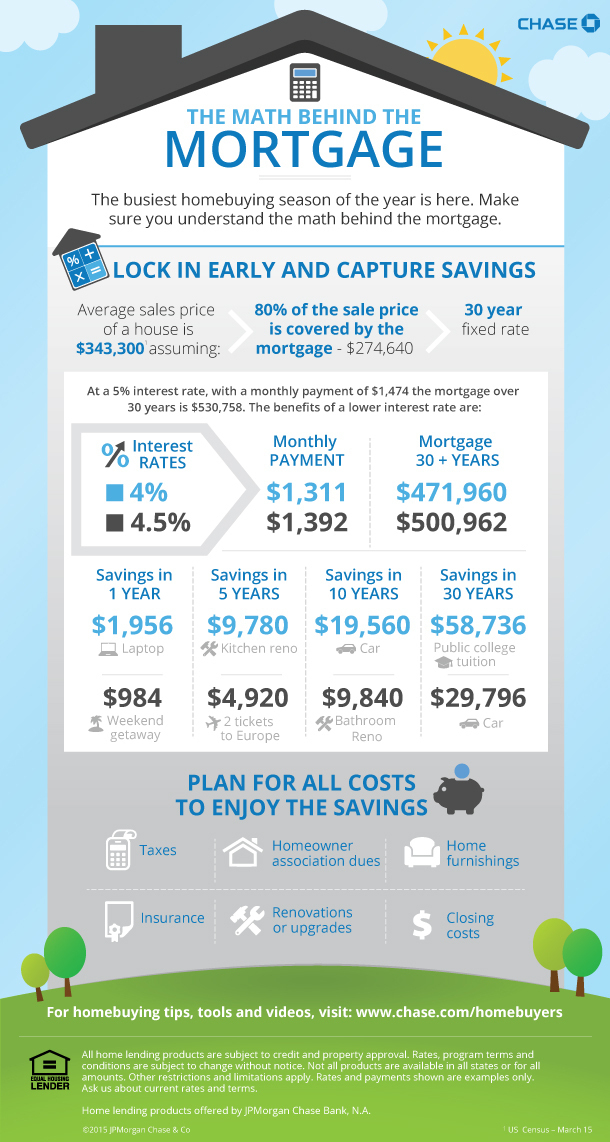
Interest is essentially the cost you pay to borrow the principal amount. It’s expressed as a percentage of the loan and is arguably the most dynamic component of your mortgage cost. Interest rates can be fixed, meaning they remain the same throughout the life of the loan, providing predictable monthly payments. Alternatively, they can be adjustable (ARMs), meaning the rate can change periodically based on a benchmark index, leading to fluctuating payments. Factors influencing interest rates include the broader economic climate, inflation, central bank policies, and the lender’s specific risk assessment. A seemingly small difference in interest rate can translate to tens of thousands of dollars over the lifetime of a 30-year mortgage.
The Mortgage Term: A Long-Term Commitment
The mortgage term refers to the length of time you have to repay the loan. Common terms are 15, 20, or 30 years. A shorter term, like 15 years, typically comes with a lower interest rate and results in significantly less total interest paid over the life of the loan. However, it also means higher monthly payments because you’re paying off the principal much faster. A 30-year term offers lower monthly payments, making homeownership more accessible, but you’ll pay substantially more in total interest over the longer duration.
Property Taxes: An Ongoing Obligation
As a homeowner, you’ll be responsible for paying property taxes to your local government. These taxes are assessed annually based on the value of your property and fund local services like schools, police, and infrastructure. Lenders typically collect a portion of your annual property taxes with each monthly mortgage payment and hold it in an escrow account, ensuring these taxes are paid on time. Property taxes can fluctuate, impacting your overall monthly housing cost.
Homeowner’s Insurance: Protecting Your Investment
Homeowner’s insurance is a mandatory requirement for most mortgage lenders. It protects both you and the lender from financial losses due to damage to the property from events like fire, theft, or natural disasters. Like property taxes, premiums are often collected by the lender as part of your monthly payment and held in escrow. The cost of homeowner’s insurance can vary based on location, property value, deductible, and coverage limits.
Private Mortgage Insurance (PMI): When Your Down Payment is Small
If your down payment is less than 20% of the home’s purchase price, lenders typically require you to pay Private Mortgage Insurance (PMI). PMI protects the lender in case you default on your loan. This additional cost is added to your monthly mortgage payment until you build up enough equity (usually 20% or more) in your home, at which point you can request its cancellation. FHA loans have their own version called Mortgage Insurance Premium (MIP).
Factors That Significantly Influence Your Mortgage Payment
Beyond the core components, several personal and economic factors play a substantial role in determining your specific mortgage rate and overall payment. Understanding these can empower you to improve your financial position before applying.
Your Credit Score: The Gateway to Better Rates
Your credit score is a numerical representation of your creditworthiness. Lenders use it to assess the risk of lending you money. A higher credit score (typically 740 and above) indicates a responsible borrower and often qualifies you for the lowest available interest rates. Conversely, a lower score will result in higher interest rates, significantly increasing your monthly payment and the total cost of the loan over time. Building and maintaining excellent credit is paramount for securing a favorable mortgage.
The Down Payment: Reducing Your Loan Burden
The down payment is the initial sum of money you pay towards the home’s purchase price, reducing the amount you need to borrow. A larger down payment has several advantages: it lowers your principal loan amount, reduces your monthly payments, and often helps you avoid PMI. A substantial down payment (20% or more) signals less risk to lenders, potentially unlocking better interest rates and terms.
Loan-to-Value (LTV) Ratio: Assessing Risk
The Loan-to-Value (LTV) ratio is a key metric lenders use to assess risk. It compares the amount of your mortgage to the appraised value of the property. For instance, a $240,000 loan on a $300,000 home results in an 80% LTV ratio. A lower LTV ratio (meaning a larger down payment) indicates less risk for the lender and can lead to more favorable loan terms and interest rates.
Debt-to-Income (DTI) Ratio: Your Ability to Pay
Your Debt-to-Income (DTI) ratio is a measure of your monthly debt payments compared to your gross monthly income. Lenders use it to determine your ability to manage monthly payments and repay the loan. Generally, a lower DTI (e.g., below 36%) is preferred, indicating you have sufficient income to cover your existing debts and a new mortgage payment. A high DTI can either prevent you from qualifying for a loan or result in less favorable terms.
Market Conditions and Economic Climate
The broader economic landscape significantly influences mortgage interest rates. Factors such as inflation, the Federal Reserve’s monetary policy, bond market performance, and investor sentiment can cause rates to rise or fall. While individual borrowers have no control over these macro factors, being aware of them can help determine the optimal time to secure a mortgage or consider refinancing.
Calculating Your Mortgage Payment: Tools and Techniques
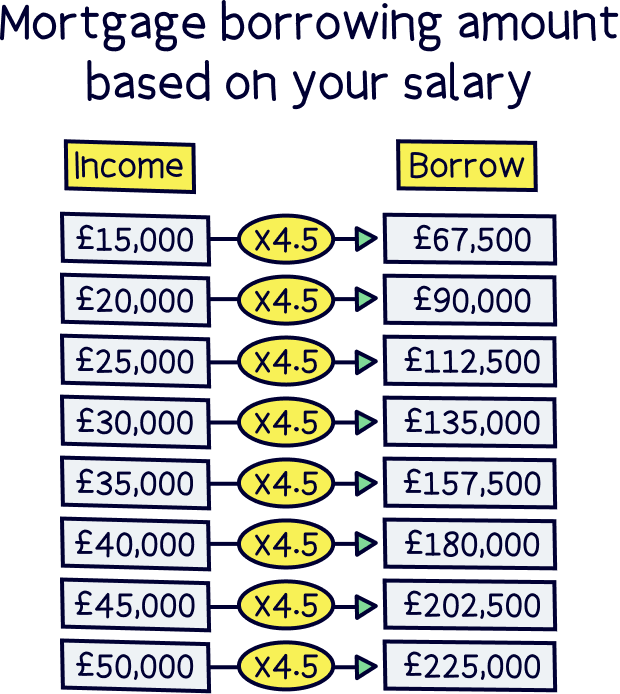
Demystifying the “how much” question requires practical tools and an understanding of how the various components coalesce into a single monthly payment.
The PITI Breakdown: What’s in Your Monthly Bill
The most common acronym for a complete mortgage payment is PITI, which stands for Principal, Interest, Taxes, and Insurance. When you receive a quote for your monthly mortgage payment, it typically encompasses all four of these elements.
- Principal & Interest: This portion goes directly towards repaying the loan amount and the cost of borrowing. In the early years of a mortgage, a larger portion of your payment goes towards interest; over time, more goes towards principal.
- Taxes: Your monthly share of annual property taxes.
- Insurance: Your monthly share of homeowner’s insurance premiums (and potentially PMI/MIP).
Understanding the PITI breakdown allows you to see exactly where your money is going and anticipate potential changes, such as adjustments in property taxes or insurance premiums.
Online Mortgage Calculators: Quick Estimates
Online mortgage calculators are invaluable tools for prospective homeowners. By inputting the principal loan amount, interest rate, loan term, estimated property taxes, and insurance premiums, these calculators provide an immediate estimate of your monthly PITI payment. They also often show an amortization schedule, detailing how your payments break down between principal and interest over the loan’s life. While great for estimates, remember that actual costs can vary due to specific lender fees, closing costs, and changes in tax assessments.
Amortization Schedules: Seeing the Long Game
An amortization schedule is a table detailing each periodic payment on an amortizing loan (like a mortgage). It shows how much of each payment goes towards interest and how much goes towards reducing the principal balance. This schedule clearly illustrates the front-loading of interest, where a significant portion of early payments is dedicated to interest, gradually shifting to more principal repayment as the loan matures. Reviewing an amortization schedule provides a long-term perspective on your mortgage and can highlight the impact of extra payments.
Strategies to Manage and Potentially Reduce Your Mortgage Cost
While some aspects of mortgage cost are fixed by market forces, many can be influenced by proactive financial planning and smart decision-making.
Boosting Your Credit Score Before Applying
Start preparing for a mortgage application well in advance by focusing on your credit score. Pay all bills on time, reduce existing debt, avoid opening new credit accounts, and regularly check your credit report for errors. A higher score translates directly into lower interest rates and significant savings over the loan’s life.
Saving for a Larger Down Payment
Aiming for a down payment of 20% or more not only reduces your principal loan amount but also helps you avoid Private Mortgage Insurance (PMI), saving you an additional monthly expense. Even a slightly larger down payment than initially planned can shave thousands off your total interest paid.
Shopping Around for the Best Rates and Lenders
Never settle for the first mortgage offer you receive. Contact multiple lenders—banks, credit unions, and mortgage brokers—to compare interest rates, fees, and terms. Lenders have different criteria and pricing structures, so shopping around can uncover substantial savings. Be sure to request a Loan Estimate from each lender to compare offers side-by-side.
Considering Shorter Loan Terms (with caution)
If your budget allows, a shorter mortgage term (e.g., 15 years instead of 30) can drastically reduce the total amount of interest you pay over the life of the loan. While monthly payments will be higher, the long-term savings can be immense. Carefully assess your income stability and future financial goals before committing to a shorter term.
Refinancing Your Mortgage: A Second Chance at Better Terms
For existing homeowners, refinancing can be an option to reduce your mortgage cost. If interest rates have fallen significantly since you took out your original loan, or if your credit score has improved, refinancing could allow you to secure a lower interest rate, reduce your monthly payments, or even shorten your loan term. However, remember that refinancing involves new closing costs, so it’s essential to calculate if the savings outweigh these upfront expenses.
Making Extra Payments: Accelerating Equity Growth
Even small, consistent extra payments towards your principal can significantly reduce the total interest paid and shorten the loan term. This could be an extra payment each year, rounding up your monthly payment, or applying windfalls like bonuses directly to the principal. Over decades, this strategy can save you tens of thousands and build equity faster.
Beyond the Monthly Payment: The True Cost of Homeownership
While the PITI payment forms the bulk of your monthly housing expense, there are other significant costs associated with homeownership that are crucial to budget for. Overlooking these can lead to financial strain.
Closing Costs: Upfront Expenses
Closing costs are a collection of fees paid at the close of a real estate transaction. These are one-time expenses that can range from 2% to 5% of the loan amount and include items such as loan origination fees, appraisal fees, title insurance, recording fees, and attorney fees. These substantial upfront costs are separate from your down payment and must be budgeted for.
Home Maintenance and Repairs: The Unexpected Costs
One of the most common oversights for new homeowners is budgeting for maintenance and repairs. Unlike renting, where the landlord handles upkeep, you are now responsible for everything from a leaky faucet to a new roof. Experts often recommend budgeting 1% to 3% of your home’s value annually for maintenance, though this can vary greatly depending on the age and condition of the property. Ignoring these costs can lead to more expensive problems down the line.
Utilities and HOA Fees: Recurring Expenses
Utilities (electricity, gas, water, internet, trash collection) are ongoing expenses that can vary based on property size, location, and usage habits. If your home is part of a homeowners’ association (HOA), you will also incur monthly or annual HOA fees. These fees cover the maintenance of common areas, amenities, and often external repairs for certain types of properties. Both utilities and HOA fees add to your total monthly housing burden and should be factored into your budget.

Conclusion
“How much is the mortgage?” is a question that opens the door to a complex, yet ultimately rewarding, financial journey. It’s not just about the principal and interest, but a comprehensive blend of taxes, insurance, and additional homeownership costs that demand careful consideration. By understanding each component, leveraging smart financial strategies, and planning for both the expected and unexpected, aspiring and current homeowners can navigate the mortgage landscape with confidence. Homeownership is a significant investment, both financially and emotionally, and approaching it with a clear understanding of its true cost is the first step towards securing your dream home responsibly.
aViewFromTheCave is a participant in the Amazon Services LLC Associates Program, an affiliate advertising program designed to provide a means for sites to earn advertising fees by advertising and linking to Amazon.com. Amazon, the Amazon logo, AmazonSupply, and the AmazonSupply logo are trademarks of Amazon.com, Inc. or its affiliates. As an Amazon Associate we earn affiliate commissions from qualifying purchases.