
In the dynamic world of personal finance, understanding the current landscape of refinance rates is paramount for homeowners looking to optimize their financial position. Whether you’re aiming to lower your monthly payments, reduce your loan term, tap into home equity, or consolidate high-interest debt, prevailing interest rates play a pivotal role in determining the feasibility and attractiveness of refinancing. Today’s market is a complex interplay of economic indicators, Federal Reserve policies, and individual borrower profiles, making a nuanced understanding essential for informed decision-making.
Refinancing, at its core, involves replacing your existing mortgage with a new one, often with different terms and, crucially, a different interest rate. The decision to refinance is rarely straightforward, as it entails costs, effort, and a careful evaluation of one’s long-term financial objectives against short-term market fluctuations. This comprehensive guide will delve into the current factors shaping refinance rates, provide insights into how your personal circumstances influence available rates, explore different refinancing strategies, and offer actionable advice for navigating the process effectively.
Understanding Today’s Refinance Rate Landscape
The “today” in “refinance rates today” refers not just to a specific calendar date but to a continuously evolving economic environment. Mortgage rates, including those for refinancing, are highly sensitive to broader economic trends and central bank actions. To grasp what rates are available, it’s critical to comprehend the forces driving them.
The Federal Reserve’s Influence and Economic Indicators
The Federal Reserve does not directly set mortgage rates, but its monetary policy decisions exert a powerful indirect influence. When the Fed raises or lowers the federal funds rate – its benchmark interest rate – it impacts borrowing costs across the economy, including those for mortgages. For instance, aggressive rate hikes aimed at curbing inflation typically translate to higher mortgage rates as lenders adjust their pricing. Conversely, a dovish stance or rate cuts can lead to a reduction in mortgage rates.
Beyond the federal funds rate, a multitude of economic indicators constantly shape market sentiment and, consequently, refinance rates. Inflation reports, employment figures (such as the unemployment rate and non-farm payrolls), Gross Domestic Product (GDP) growth, and consumer confidence indices all contribute to the market’s outlook on interest rates. A strong economy with low unemployment and rising inflation might signal to bond investors – who ultimately dictate mortgage rates – that interest rates need to climb, as bonds become less attractive relative to other investments. Conversely, signs of economic slowdown or recession can drive rates down as investors seek the relative safety of mortgage-backed securities. Geopolitical events and global economic stability also play a role, introducing an element of unpredictability that financial markets must price in. Staying abreast of these macroeconomic developments provides a crucial context for understanding daily rate movements.
Mortgage Market Volatility and Trends
The mortgage market itself is a dynamic ecosystem influenced by the supply and demand for mortgage-backed securities (MBS). Lenders originate mortgages and then typically package them into MBS, which are sold to investors. The yield on these MBS largely determines the interest rates offered to borrowers. Factors like investor demand for MBS, the overall health of the housing market, and the inventory of available homes can all contribute to market volatility.
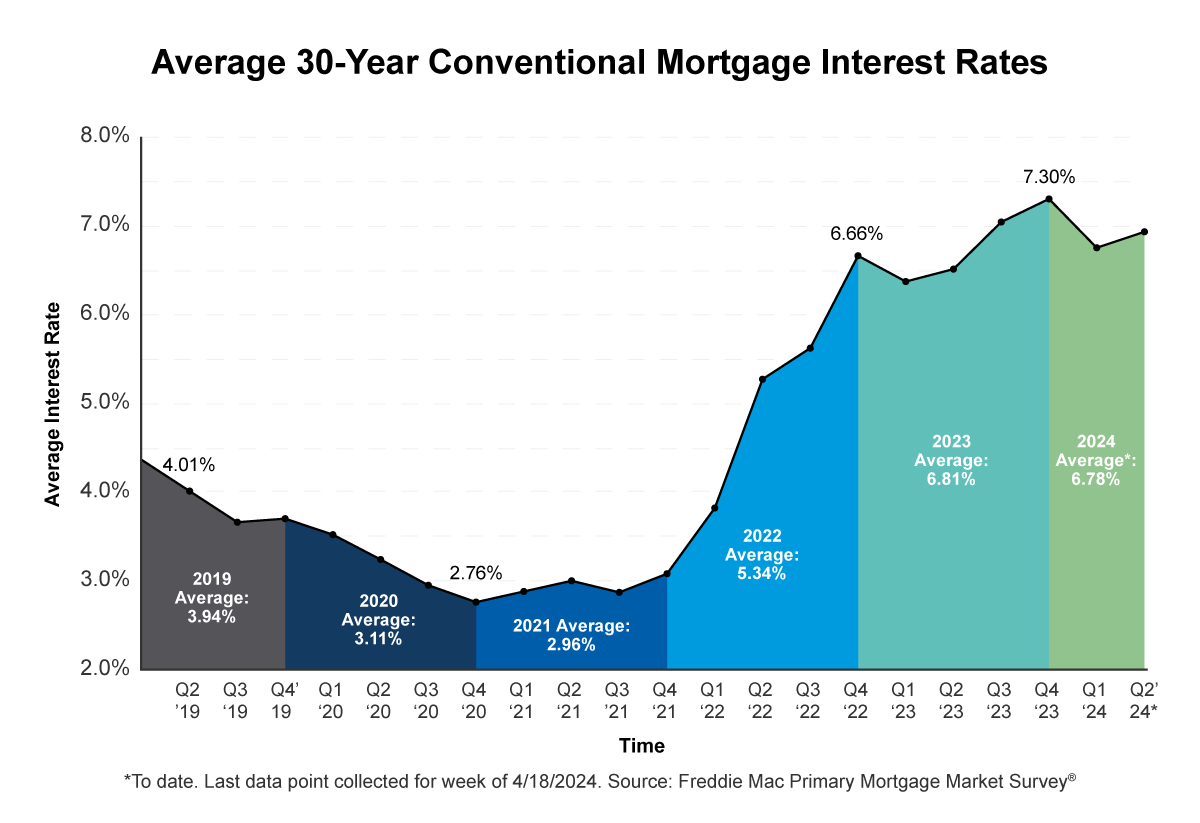
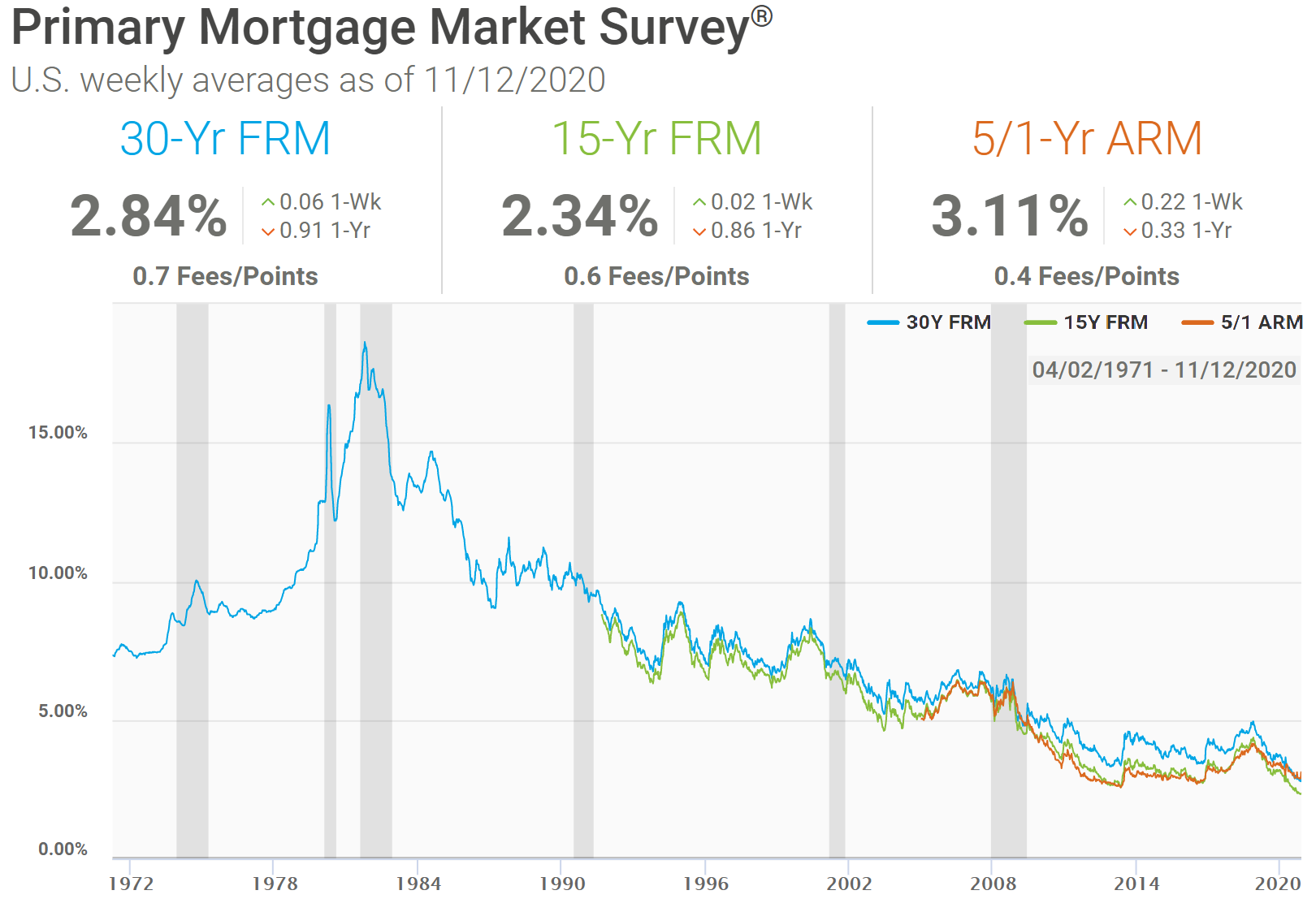
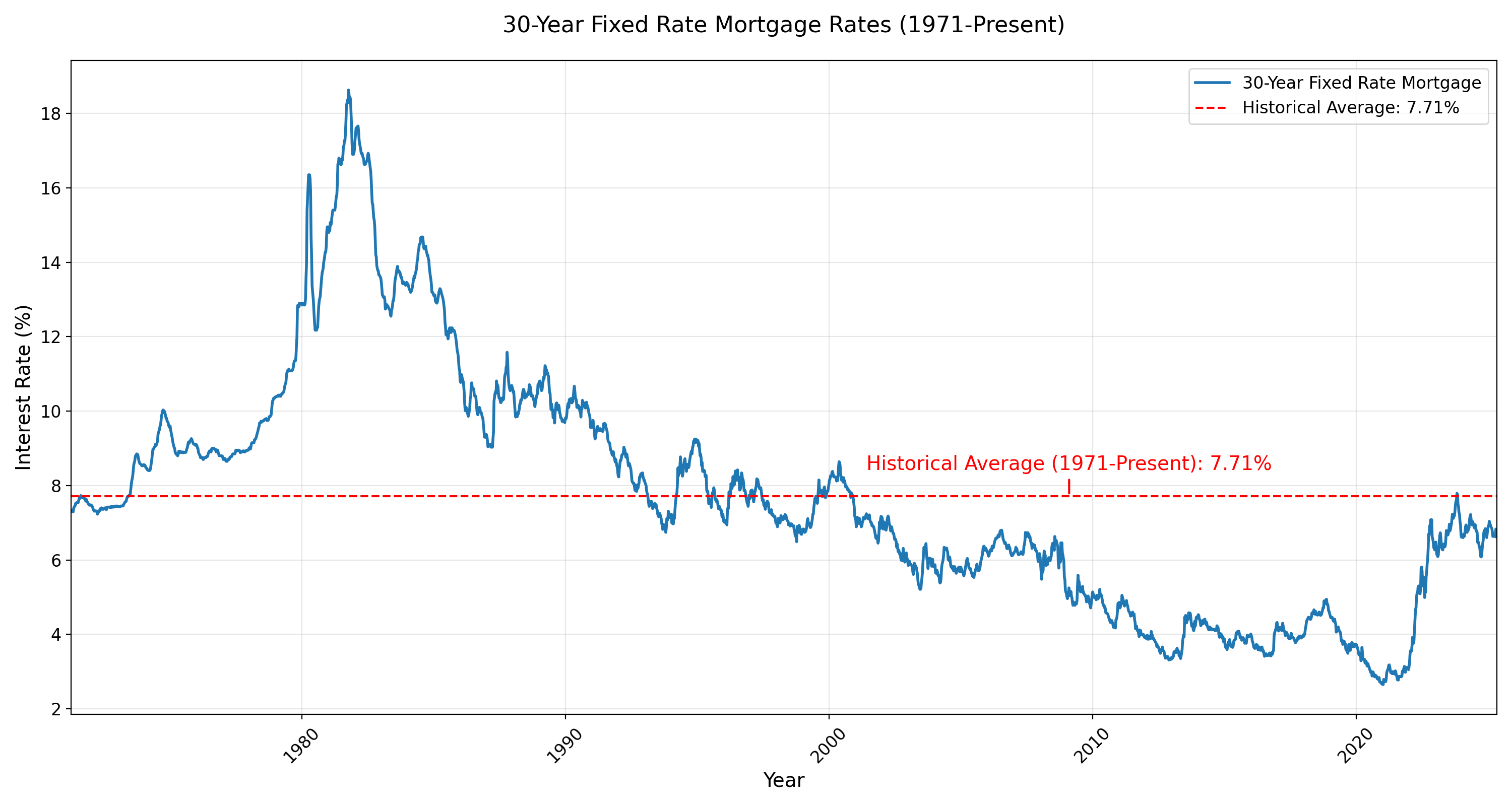
In recent years, the mortgage market has experienced significant swings. Periods of historically low rates prompted a refinancing boom, while subsequent rate increases have cooled this activity. Trends such as the prevalence of adjustable-rate mortgages (ARMs) versus fixed-rate mortgages, the availability of different loan products, and shifts in lender underwriting standards also reflect the current state of the market. Online tools and financial news outlets provide real-time updates and historical data, which are invaluable for tracking these trends and understanding the broader trajectory of rates. However, it’s important to remember that advertised rates are often the best-case scenarios and individual rates can vary significantly.
How to Access Real-Time Rate Data
For homeowners contemplating a refinance, accessing accurate, real-time rate data is fundamental. While general market trends provide context, specific rates change daily, sometimes hourly. Reputable financial websites, mortgage lenders’ platforms, and financial news aggregators are excellent sources for today’s average refinance rates across various loan types (e.g., 30-year fixed, 15-year fixed, FHA, VA).
However, these published rates are typically for borrowers with excellent credit scores (e.g., 740+) and a low loan-to-value (LTV) ratio. It’s crucial to use these as benchmarks rather than guaranteed offers. To get a personalized rate, you’ll need to contact multiple lenders directly. Many lenders offer online forms where you can input basic information about your property and financial situation to receive a customized rate quote without a hard credit pull, which can temporarily impact your credit score. This allows for effective comparison shopping, a critical step in securing the most favorable terms.
Key Factors Influencing Your Individual Refinance Rate
While macroeconomic conditions set the general range of refinance rates, your personal financial profile and the specifics of your existing mortgage and property play an equally significant role in determining the exact rate you’ll be offered. Lenders assess risk, and your individual circumstances directly influence their perception of that risk.
Your Credit Score and Financial Profile
Undoubtedly, your credit score is one of the most critical determinants of your refinance rate. A higher credit score (typically FICO scores above 740) signals to lenders that you are a responsible borrower with a history of timely payments, reducing their perceived risk. Borrowers with excellent credit often qualify for the lowest available rates. Conversely, a lower credit score will likely result in a higher interest rate, as lenders factor in the increased risk of default.
Beyond the numerical score, lenders also review your broader financial profile. This includes your payment history on all debts, the amount of outstanding debt you carry, and the length of your credit history. Any recent delinquencies, bankruptcies, or foreclosures can significantly impair your ability to secure competitive refinance rates, or even to qualify for a refinance at all. It is wise to review your credit report for inaccuracies and address any issues before applying.
Loan-to-Value (LTV) Ratio and Home Equity
Your loan-to-value (LTV) ratio is another crucial metric. It compares the amount you owe on your mortgage to the current appraised value of your home. For example, if your home is valued at $400,000 and you owe $300,000, your LTV is 75% ($300,000 / $400,000). A lower LTV ratio indicates you have more equity in your home, which is favorable to lenders as it provides a larger buffer in case of a default.
Generally, borrowers with LTVs below 80% (meaning they have at least 20% equity) receive the most competitive rates and may avoid the requirement for private mortgage insurance (PMI). If your LTV is above 80%, you might still qualify for a refinance, but the rates could be higher, and you might be required to pay PMI, adding to your overall costs. The current market value of your home, as determined by an appraisal, will therefore directly impact your LTV and, consequently, your refinance rate.
Loan Type, Term, and Lender Considerations
The type of mortgage you’re seeking (e.g., conventional, FHA, VA) and the loan term (e.g., 30-year fixed, 15-year fixed, 5/1 ARM) also significantly affect the interest rate. Shorter-term loans (like a 15-year fixed-rate mortgage) typically carry lower interest rates than longer-term loans (like a 30-year fixed) because the lender’s risk is spread over a shorter period. Adjustable-rate mortgages (ARMs) often start with lower rates than fixed-rate mortgages, but these rates can change after an initial fixed period, introducing potential future payment volatility.
Furthermore, different lenders may offer varying rates for the same borrower profile. Large national banks, credit unions, and online mortgage brokers each have different cost structures, risk appetites, and product offerings. This underscores the importance of shopping around. A credit union, for example, might offer slightly better rates or lower fees to its members than a larger commercial bank. Comparing offers from at least three to five different lenders can reveal significant differences in both interest rates and associated fees, potentially saving you thousands of dollars over the life of the loan.
Types of Refinancing and Their Strategic Applications
Refinancing isn’t a one-size-fits-all solution; there are distinct types, each designed to meet different financial objectives. Understanding these options is crucial for selecting the strategy that best aligns with your goals.
Rate-and-Term Refinancing: Optimizing Payments and Terms
Rate-and-term refinancing is the most common type, primarily aimed at changing the interest rate or the loan term (or both) of your existing mortgage without extracting any cash from your home equity. Homeowners typically pursue this option when interest rates have dropped significantly since they first purchased their home, or when their financial situation has improved, allowing them to qualify for a lower rate.
The strategic applications of rate-and-term refinancing are clear:
- Lowering Monthly Payments: By securing a lower interest rate, you can reduce your principal and interest payment each month, freeing up cash flow for other financial goals or simply easing your budget.
- Reducing the Loan Term: If you refinance from a 30-year mortgage to a 15-year mortgage, you’ll pay off your home faster, often at a lower interest rate. While monthly payments might increase, you’ll pay significantly less interest over the life of the loan. This is ideal for those who prioritize building equity quickly and becoming debt-free.
- Converting Loan Types: You might refinance an adjustable-rate mortgage (ARM) into a fixed-rate mortgage to gain payment predictability, especially if interest rates are expected to rise. Conversely, some might switch from a fixed to an ARM if they plan to sell in a few years and want to capitalize on initially lower ARM rates.
Cash-Out Refinancing: Tapping Into Home Equity
Cash-out refinancing allows you to replace your current mortgage with a new, larger mortgage and receive the difference in cash at closing. This option essentially converts a portion of your home equity into liquid funds. It’s a popular choice for homeowners who have built up substantial equity and need a lump sum for specific purposes.
Strategic uses for cash-out refinancing include:
- Home Improvements: Funding major renovations or repairs that can enhance your home’s value.
- Debt Consolidation: Paying off high-interest debts, such as credit card balances or personal loans, with a lower-interest mortgage loan. This can simplify your finances and reduce overall interest paid, but it converts unsecured debt into secured debt against your home.
- Investing or Education: Using the funds for investments, starting a business, or covering educational expenses.
- Emergency Fund: Creating a robust emergency fund to safeguard against unforeseen financial challenges.
However, it’s crucial to exercise caution with cash-out refinancing, as it increases your mortgage debt and reduces your home equity. Misusing the funds or taking on too much debt can put your home at risk if you fail to make payments.
Government-Backed Refinance Options (FHA, VA)
For eligible borrowers, government-backed refinance programs offer specific advantages.
- FHA Streamline Refinance: Available to homeowners with existing FHA loans, this program often requires less paperwork, no appraisal, and no income verification, making it a faster and simpler process. Its primary goal is to help FHA borrowers obtain a lower interest rate.
- VA Streamline Refinance (IRRRL – Interest Rate Reduction Refinance Loan): Designed for veterans with existing VA loans, the IRRRL also simplifies the refinancing process, often without requiring an appraisal or credit underwriting. It’s focused on reducing interest rates or converting an ARM to a fixed-rate mortgage.
- FHA and VA Cash-Out Refinance: Both programs also offer cash-out options, allowing eligible borrowers to tap into their home equity under specific guidelines, often with more flexible credit requirements than conventional cash-out loans.
These government-backed options can be particularly beneficial for borrowers who might not qualify for conventional refinancing due to lower credit scores or higher LTV ratios, offering a valuable pathway to better mortgage terms.
Is Now the Right Time to Refinance? A Strategic Assessment
Deciding whether to refinance today hinges on more than just current interest rates; it involves a comprehensive analysis of your financial goals, the costs involved, and your long-term plans. A strategic assessment will help you determine if the benefits outweigh the effort and expense.
Evaluating Your Financial Goals: Savings vs. Liquidity
Before looking at rates, clarify your primary objective. Are you prioritizing long-term savings by reducing total interest paid? Or do you need immediate liquidity through a cash-out refinance?
- Saving Money: If your goal is to reduce your monthly payment or the total interest paid over the life of the loan, compare your current interest rate to today’s available rates. A general rule of thumb used to be that refinancing makes sense if you can lower your interest rate by at least 0.75% to 1.0%. However, with today’s sophisticated online calculators, you can analyze even smaller rate differences against closing costs.
- Accessing Liquidity: If you need cash, evaluate whether a cash-out refinance is the most cost-effective way to obtain funds compared to personal loans, HELOCs, or credit cards. Weigh the lower interest rate of a mortgage against the risk of putting your home on the line.
Consider your time horizon as well. If you plan to sell your home in the next few years, the benefits of refinancing might not materialize, as it takes time to recoup closing costs.
The Breakeven Point: Analyzing Refinancing Costs
Refinancing is not free. You will incur closing costs, similar to when you first purchased your home. These typically include:
- Origination fees: Charged by the lender for processing the loan.
- Appraisal fees: To determine your home’s current market value.
- Title insurance and search fees: To ensure clear ownership.
- Escrow fees: For managing the closing process.
- Recording fees: To file the new mortgage with local authorities.
These costs can range from 2% to 5% of the loan amount. To determine if refinancing is worthwhile, you must calculate the “breakeven point” – the time it takes for your monthly savings to offset the closing costs.
- Calculation: Divide the total closing costs by your monthly savings. For example, if closing costs are $4,000 and you save $100 per month, your breakeven point is 40 months (3 years and 4 months).
- Decision: If you plan to stay in your home beyond the breakeven point, refinancing likely makes financial sense. If not, the costs might outweigh the benefits.
Some lenders offer “no-closing-cost” refinances, but beware: these costs are usually rolled into a higher interest rate or added to the loan principal, meaning you pay them over time. It’s crucial to compare the overall cost of the loan, not just the upfront fees.
The Application Process: Steps to Success
Once you decide to proceed, the refinancing application process involves several key steps:
- Gather Documentation: Prepare financial documents such as recent pay stubs, W-2s, tax returns, bank statements, and current mortgage statements.
- Credit Check & Pre-Approval: Lenders will perform a hard credit inquiry (impacting your score slightly) and provide a pre-approval, giving you an initial idea of rates and loan amounts.
- Application Submission: Complete the formal application, providing all requested details.
- Appraisal and Underwriting: An appraiser will assess your home’s value, and the underwriter will meticulously review all your financial documents to ensure you meet loan criteria.
- Closing: If approved, you’ll sign final documents, pay closing costs, and the new loan will replace your old one.
The process typically takes 30 to 45 days, though it can vary based on market conditions and lender efficiency. Being organized and responsive to lender requests can help expedite the process.
Navigating the Refinance Process and Securing Favorable Terms
Securing the best refinance rates today requires more than just a passing glance at market averages; it demands a proactive approach, diligent research, and careful negotiation. The journey from initial inquiry to closing can be streamlined by understanding the critical steps and employing smart strategies.
Gathering Documentation and Strengthening Your Application
Preparation is key to a smooth refinancing process and can significantly impact the terms you’re offered. Before even reaching out to lenders, take the time to organize your financial life.
- Financial Records: Compile at least two years of tax returns, two months of bank statements for all accounts, the two most recent pay stubs, and any statements for investments or other assets. You’ll also need your current mortgage statement, homeowner’s insurance policy, and property tax records.
- Credit Report Review: Obtain a copy of your credit report from all three major bureaus (Equifax, Experian, TransUnion) and meticulously review them for errors. Disputing and correcting inaccuracies can potentially boost your credit score, making you a more attractive borrower.
- Debt-to-Income (DTI) Ratio: Calculate your DTI ratio by dividing your total monthly debt payments by your gross monthly income. Lenders typically prefer a DTI below 43%, though lower is always better. If your DTI is high, consider paying down some smaller debts before applying.
- Emergency Savings: Demonstrating a healthy reserve of savings (typically 3-6 months of expenses) can also bolster your application, signaling financial stability to lenders.
A well-prepared application not only expedites the underwriting process but also presents you as a low-risk borrower, which can lead to more favorable rate offers.
Shopping Around: Comparing Offers from Multiple Lenders
This step cannot be overstressed. Accepting the first offer you receive is almost certainly leaving money on the table. Mortgage rates and fees vary significantly between lenders, sometimes by as much as a quarter or half a percentage point for the same borrower profile on the same day.
- Variety of Lenders: Reach out to at least three to five different types of lenders: a large national bank, a local credit union, a mortgage broker, and an online-only lender. Each might have different niches, overhead costs, and special offers.
- Loan Estimates: Request a “Loan Estimate” from each lender. This standardized form allows for direct, apples-to-apples comparison of interest rates, closing costs, and other fees. Pay close attention to the Annual Percentage Rate (APR), which reflects the true cost of the loan over its term, including some fees.
- Negotiation: Don’t be afraid to use a competitive offer from one lender to negotiate a better deal with another. Lenders are often willing to match or beat a competitor’s offer to earn your business, especially if you have an excellent credit profile.
Comparing offers isn’t just about the interest rate; it’s about the entire package, including the closing costs, lender fees, and the responsiveness and reputation of the loan officer.
Understanding Closing Costs and Fees
As discussed, closing costs are an unavoidable part of refinancing. Beyond the breakeven analysis, it’s crucial to understand each fee listed on your Loan Estimate and Closing Disclosure.
- Itemized Review: Go through the Loan Estimate line by line. Don’t hesitate to ask your loan officer to explain any fee you don’t understand. Some fees are negotiable (like origination fees), while others are third-party costs (like appraisal and title fees) that are less flexible.
- Prepaid Items: Be aware of prepaid expenses, such as property taxes and homeowner’s insurance premiums, which you’ll typically pay in advance at closing. These are not lender fees but necessary costs of homeownership that are collected upfront.
- Mortgage Points: Consider whether to “buy down” your interest rate by paying discount points. One point typically costs 1% of the loan amount and can reduce your interest rate. Calculate if the long-term interest savings from buying points outweigh the upfront cost, especially if you plan to stay in the home for many years.
By meticulously reviewing all closing costs and understanding how they impact your total refinancing expense, you can make a truly informed decision, ensuring that today’s refinance rates translate into genuine long-term financial benefits. The market is always moving, but with a well-researched and strategically executed plan, you can successfully navigate the refinancing landscape and achieve your personal finance goals.
aViewFromTheCave is a participant in the Amazon Services LLC Associates Program, an affiliate advertising program designed to provide a means for sites to earn advertising fees by advertising and linking to Amazon.com. Amazon, the Amazon logo, AmazonSupply, and the AmazonSupply logo are trademarks of Amazon.com, Inc. or its affiliates. As an Amazon Associate we earn affiliate commissions from qualifying purchases.