
The mortgage rate you secure is more than just a number; it’s a critical financial lever that impacts your monthly budget, long-term wealth, and overall financial stability. For many, a mortgage represents the single largest financial commitment of their lives, making a deep understanding of what drives these rates essential. It’s a complex interplay of macroeconomic forces, financial market dynamics, individual borrower characteristics, and the specific strategies of lenders. Demystifying these factors can empower homebuyers and homeowners alike to make informed decisions, optimize their borrowing costs, and navigate the often-volatile housing market with greater confidence.
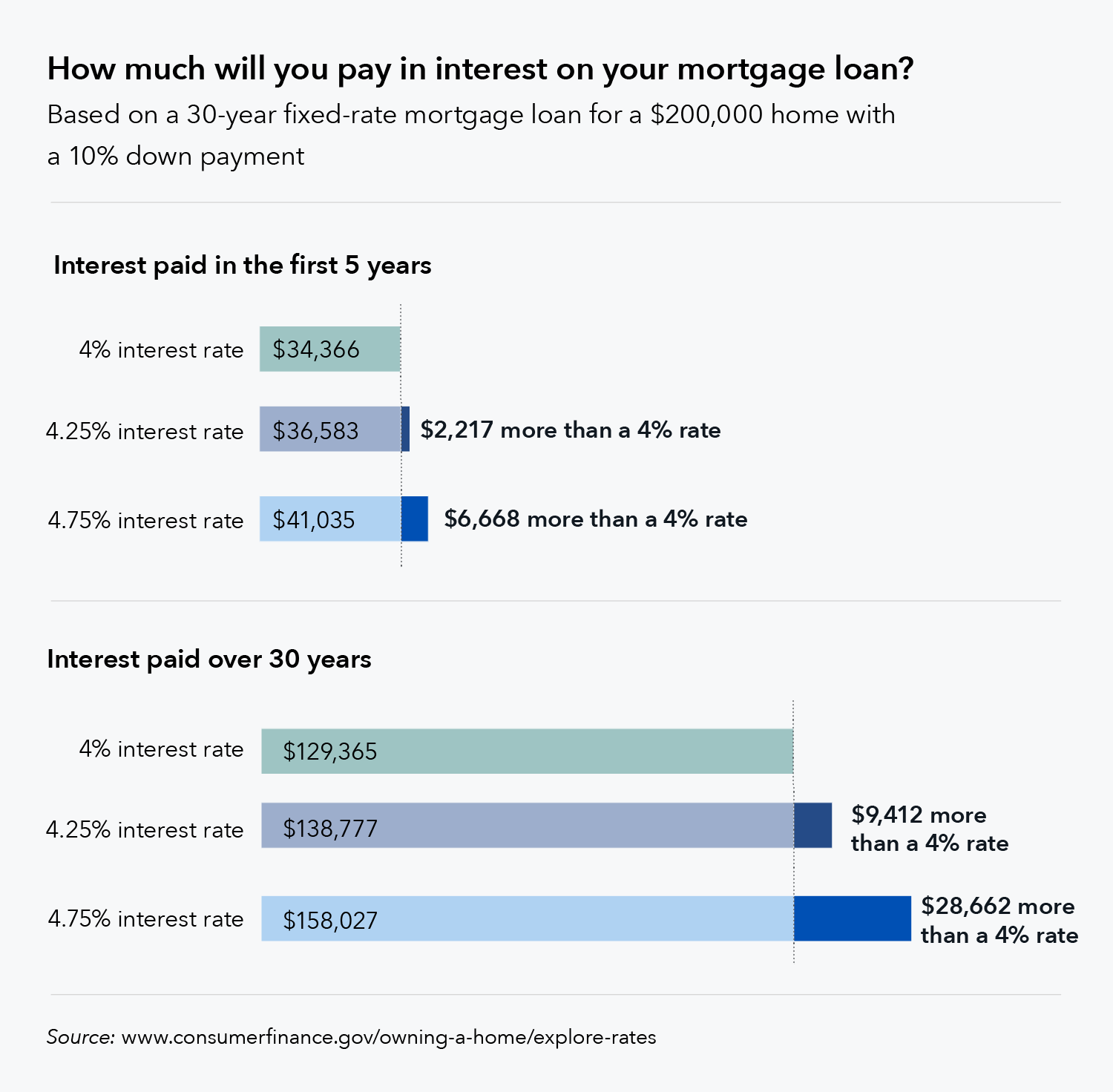
Mortgage rates are not arbitrarily set; rather, they are the culmination of a sophisticated risk assessment and economic forecasting by financial institutions. They reflect not only the cost of money for a lender but also the perceived risk of lending to a particular borrower for a specific property over a defined period. This article delves into the multi-faceted answer to “what are mortgage rates based on,” breaking down the intricate web of influences from global economic trends to your personal financial profile.
The Macroeconomic Landscape: Broad Strokes Influencing Rates
At the highest level, global and national economic conditions cast the longest shadows over mortgage rates. These broad strokes dictate the general direction and magnitude of interest rates across all financial products, including home loans. Understanding these forces provides crucial context for predicting rate movements.
Federal Reserve Policy and the Federal Funds Rate
Perhaps the most influential single entity in shaping U.S. interest rates is the Federal Reserve, the nation’s central bank. Through its Federal Open Market Committee (FOMC), the Fed sets monetary policy primarily by adjusting the federal funds rate – the target rate for overnight lending between banks. While the federal funds rate doesn’t directly dictate mortgage rates, its influence is profound and indirect.
When the Fed raises the federal funds rate, it generally signals a tightening of monetary policy, often to combat inflation or cool an overheating economy. This makes it more expensive for banks to borrow money, a cost that is then passed through the financial system, leading to higher interest rates on consumer loans, including mortgages. Conversely, when the Fed lowers the federal funds rate, it aims to stimulate economic activity by making borrowing cheaper, which tends to push mortgage rates downward. This mechanism isn’t immediate or one-to-one, as other market forces are at play, but the Fed’s stance provides a strong underlying current for rate direction.
Inflation Expectations
Inflation, the rate at which the general level of prices for goods and services is rising, is a critical factor for lenders. If lenders anticipate future inflation, they will demand a higher interest rate to compensate for the erosion of their money’s purchasing power over the life of the loan. Imagine a lender issuing a 30-year mortgage today. If inflation is expected to be high over those 30 years, the money repaid years from now will be worth less than the money lent today. To mitigate this risk, lenders build an inflation premium into their rates.
Conversely, periods of low inflation or even deflationary concerns can lead to lower mortgage rates, as the real value of future repayments is expected to remain stable or even increase. The market’s perception of future inflation, often gleaned from various economic indicators and expert forecasts, therefore plays a significant role in day-to-day rate movements.
Economic Growth and Stability
A strong, growing economy typically implies more demand for credit, potential inflationary pressures, and a healthier job market, which can indirectly lead to higher mortgage rates. Lenders feel more confident about borrowers’ ability to repay, but also might face higher demand for funds, pushing up their cost of capital. A robust economy might also attract foreign investment, which can influence currency exchange rates and, in turn, bond markets that impact mortgages.
Conversely, a stagnating or recessionary economy often sees lower interest rates as central banks try to stimulate activity. However, during times of severe economic instability, even if interest rates are low, lenders might tighten credit standards due to increased perceived risk, making it harder for some borrowers to qualify. The overall stability and outlook of the economy provide a foundational layer for rate assessments.
Global Economic Conditions
While U.S. mortgage rates are primarily influenced by domestic factors, the interconnectedness of the global economy means international events can also have an impact. Major geopolitical events, economic crises in other large economies, or significant shifts in global trade policies can create uncertainty, driving investors towards safer assets like U.S. Treasury bonds. This increased demand can push Treasury yields down, which, as we’ll see, often translates to lower mortgage rates. Conversely, a global surge in demand for capital or a flight from U.S. assets could push rates higher.
The Bond Market’s Pervasive Influence
Beyond central bank policy, the bond market is arguably the most direct and immediate driver of mortgage rates. Mortgage rates don’t move in lockstep with the federal funds rate; instead, they closely track yields on certain long-term bonds, particularly U.S. Treasury bonds and mortgage-backed securities.
The 10-Year Treasury Yield as a Benchmark
The yield on the 10-year U.S. Treasury note is widely considered a bellwether for long-term interest rates and a key benchmark for fixed-rate mortgages. Why the 10-year Treasury? Because its maturity length aligns reasonably well with the average lifespan of a 30-year mortgage (many mortgages are refinanced or paid off before their full term).
When investors buy Treasury bonds, they are essentially lending money to the U.S. government. The yield represents the return an investor gets on that loan. If demand for Treasuries is high, their prices go up, and their yields go down. This often happens during times of economic uncertainty as investors seek safe havens. Conversely, if demand for Treasuries falls, prices drop, and yields rise. Since mortgages compete with Treasuries for investor dollars, mortgage rates tend to move in the same direction as the 10-year Treasury yield, albeit with a spread.
Investor Demand for Mortgage-Backed Securities (MBS)
Mortgage lenders don’t typically hold onto all the loans they originate for the full 15 or 30 years. Instead, they bundle thousands of individual mortgages together and sell them as Mortgage-Backed Securities (MBS) to investors in the secondary market. These investors include pension funds, insurance companies, and even central banks.
The price and yield of these MBS are crucial. When there’s high demand for MBS, their prices rise, and their effective yields (the return to investors) fall. This allows lenders to offer lower mortgage rates to attract more borrowers because they know they can sell the loans for a good price. Conversely, if demand for MBS is low, their yields must rise to attract investors, which forces lenders to offer higher mortgage rates to maintain their profit margins. The perception of risk associated with these securities (e.g., prepayment risk, default risk) also influences investor demand.
Spreads Between Treasuries and MBS
While mortgage rates generally track the 10-year Treasury yield, there’s always a “spread” – the difference between the MBS yield and the Treasury yield. This spread reflects various factors, including the perceived credit risk of the underlying mortgages, the liquidity of the MBS market, and the operational costs and profit margins of lenders. During times of economic stress, for example, the spread between Treasuries and MBS can widen significantly as investors demand a higher premium for taking on mortgage-related risk, even if Treasury yields are falling. This widening spread can keep mortgage rates from falling as much as Treasury yields, or even cause them to rise independently.
Lender-Specific and Loan-Specific Factors
While macroeconomic and bond market forces set the stage, your individual financial profile and the characteristics of the specific loan product you choose also play a significant role in determining the rate you receive.
Your Creditworthiness (FICO Score)
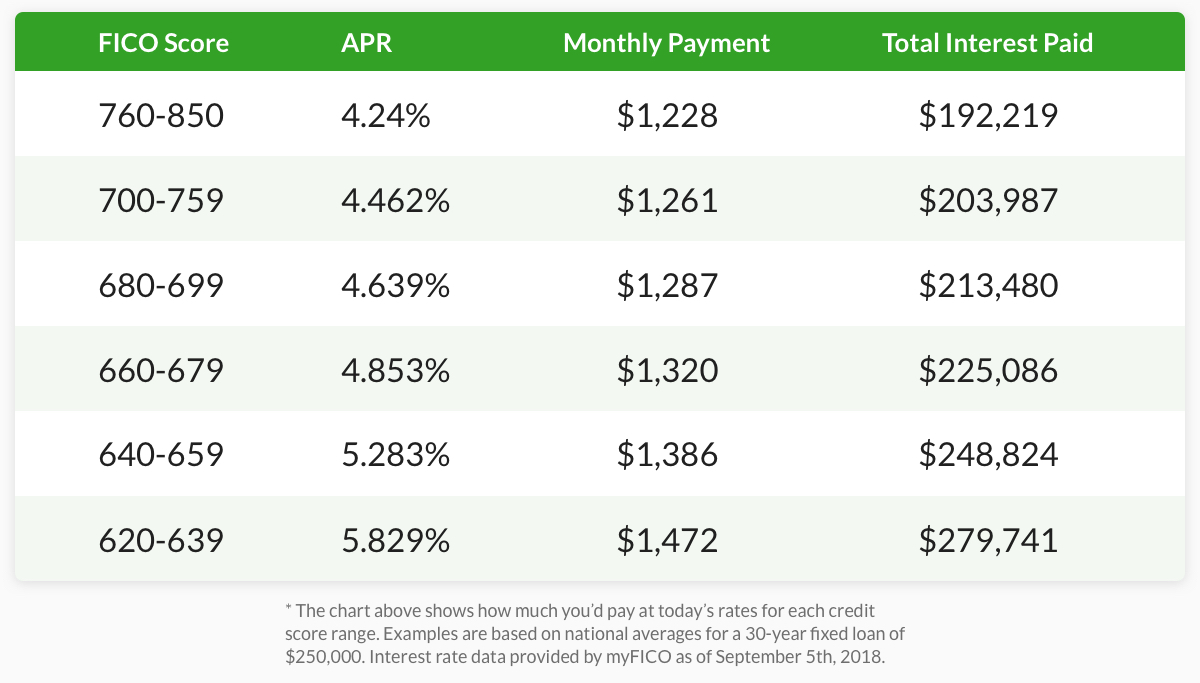
Your credit score, primarily your FICO score, is one of the most direct personal determinants of your mortgage rate. Lenders use this three-digit number to assess your likelihood of repaying debt. A higher credit score (typically 740 and above for the best rates) indicates a lower risk borrower, making you eligible for more favorable terms and lower interest rates. Conversely, a lower credit score signals higher risk to a lender, resulting in a higher interest rate to compensate them for that increased risk of default. This is why maintaining a healthy credit history is paramount when preparing for a mortgage.
Loan-to-Value (LTV) Ratio and Down Payment
The Loan-to-Value (LTV) ratio compares the amount of your mortgage loan to the appraised value of the property. For example, a $200,000 loan on a $250,000 home results in an 80% LTV. A lower LTV, meaning you’ve made a larger down payment, translates to less risk for the lender. With more equity in the home from the start, you are less likely to default, and if you do, the lender has a larger buffer before losing money. Lenders typically offer better rates for lower LTVs. Conversely, a high LTV (e.g., 90-95%) indicates greater risk and usually results in a higher interest rate, and often requires private mortgage insurance (PMI).
Loan Type (Fixed vs. Adjustable, Conventional vs. Government-Backed)
The type of mortgage you select fundamentally impacts its rate.
- Fixed-rate mortgages (FRMs) offer a constant interest rate for the entire loan term, providing predictability but often starting at a slightly higher rate than initial ARM rates. Their rates are more closely tied to long-term bond yields.
- Adjustable-rate mortgages (ARMs) offer a lower initial interest rate for a set period (e.g., 5, 7, or 10 years), after which the rate adjusts periodically based on a predetermined index. While the initial rate can be appealing, the variability introduces risk. ARM rates are typically tied to short-term indexes.
- Conventional loans are not insured or guaranteed by a government agency. Their rates are determined solely by the lender based on market conditions and borrower risk.
- Government-backed loans like FHA, VA, and USDA loans have specific eligibility requirements but often come with more lenient credit standards and sometimes lower rates due to the government guarantee that reduces lender risk.
Loan Term and Amortization Schedule
The length of your mortgage also influences the rate. Shorter-term loans (e.g., 15-year mortgages) typically carry lower interest rates than longer-term loans (e.g., 30-year mortgages). This is because lenders are exposed to interest rate risk for a shorter period with a 15-year loan, and the overall risk of default may be perceived as lower. While the monthly payments on a 15-year loan are higher, the total interest paid over the life of the loan is significantly less.
Lender’s Profit Margin and Business Costs
Finally, each individual lender has its own operational costs, risk appetite, and desired profit margins. These internal factors are layered on top of the broader market rates. Lenders need to cover their overheads, employee salaries, technology infrastructure, and marketing expenses, all while aiming for a reasonable return on investment. This means that even with identical borrower profiles and market conditions, different lenders may quote slightly different rates due to their unique business models and strategies.
Market Competition and Dynamic Pricing
The mortgage market is highly competitive, and this competition plays a vital role in keeping rates in check and offering borrowers options.
The Competitive Landscape Among Lenders
Hundreds of banks, credit unions, and independent mortgage companies vie for your business. This intense competition can lead to lenders sharpening their pencils and offering more attractive rates or lower fees to win customers. Shopping around and getting quotes from multiple lenders is crucial, as even a small difference in the interest rate can save tens of thousands of dollars over the life of a loan. Lenders continuously adjust their pricing in real-time based on competitor offerings, their own pipeline of loans, and their capacity to originate new mortgages.
Rate Locks and Float-Down Options
Once you’ve applied for a mortgage, rates can fluctuate daily. To protect borrowers from rising rates during the underwriting process, lenders offer “rate locks.” This guarantees your agreed-upon interest rate for a specific period (e.g., 30, 45, or 60 days). Some lenders may offer a “float-down” option for an additional fee, allowing you to secure a lower rate if market rates drop significantly before closing. Understanding these options is key to managing rate risk during the loan application phase.
Mortgage Points and Closing Costs
Mortgage points, also known as discount points, are essentially prepaid interest. One point equals 1% of the loan amount. Borrowers can choose to pay points upfront at closing to “buy down” their interest rate, meaning they secure a lower rate for the life of the loan. This strategy can be beneficial for borrowers who plan to stay in their home for a long time, as the savings on interest can outweigh the upfront cost of the points. Conversely, some borrowers opt for a “lender credit,” which means accepting a slightly higher interest rate in exchange for the lender covering some of their closing costs. This dynamic allows borrowers to customize their upfront costs versus their long-term interest payments.
Future Outlook and How to Monitor Rates
Predicting future mortgage rates with certainty is impossible, as they are influenced by an ever-changing mosaic of economic indicators and market sentiment. However, staying informed can help you make timely decisions.
Key Economic Indicators to Watch
Savvy prospective borrowers and homeowners keep an eye on several key economic releases and reports:
- Inflation data: Consumer Price Index (CPI), Producer Price Index (PPI).
- Employment reports: Non-farm payrolls, unemployment rate.
- Federal Reserve announcements: FOMC meeting minutes, speeches by Fed officials.
- Housing market data: Existing home sales, new home construction.
- Bond market trends: Especially the 10-year Treasury yield.
These indicators provide clues about the health of the economy and the likely direction of monetary policy, which in turn affect mortgage rates.
Consulting Financial Professionals
Engaging with an experienced mortgage broker or loan officer is invaluable. They have real-time access to market data, understand the nuances of different loan products, and can help you strategize based on your personal financial situation and goals. They can often provide insights into market trends that a casual observer might miss.

Tools for Rate Comparison
Online mortgage aggregators, lender websites, and financial news outlets provide tools and data to compare current rates from various lenders. Utilizing these resources effectively allows you to shop around efficiently and ensure you are getting the most competitive rate available for your specific circumstances. Remember to compare not just the interest rate, but also the Annual Percentage Rate (APR), which includes fees and other costs to give you a more accurate picture of the total cost of borrowing.
In conclusion, mortgage rates are a dynamic reflection of economic health, financial market activity, individual creditworthiness, and lender competition. By understanding the intricate forces at play, from the Federal Reserve’s monetary policy to the liquidity of the MBS market, and from your FICO score to your chosen loan term, you can approach the significant decision of financing a home with greater insight and strategic advantage. This knowledge empowers you to not just accept a rate, but to actively seek out the best possible terms for your financial future.
aViewFromTheCave is a participant in the Amazon Services LLC Associates Program, an affiliate advertising program designed to provide a means for sites to earn advertising fees by advertising and linking to Amazon.com. Amazon, the Amazon logo, AmazonSupply, and the AmazonSupply logo are trademarks of Amazon.com, Inc. or its affiliates. As an Amazon Associate we earn affiliate commissions from qualifying purchases.