
Understanding the average mortgage rate is far more than just knowing a number; it’s a critical component of personal finance, influencing everything from housing affordability to investment decisions. For prospective homebuyers, current homeowners considering refinancing, or even those simply observing the economic landscape, the average mortgage rate serves as a vital benchmark. This article delves into the intricacies of mortgage rates, exploring what drives them, the various types available, and how individuals can navigate this dynamic financial environment to make informed decisions.
Understanding Mortgage Rates: More Than Just a Number
At its core, a mortgage rate represents the cost of borrowing money to purchase or refinance a home, expressed as a percentage of the loan amount. However, the term “average mortgage rate” can be deceptive without deeper context. It’s often reported as a national average, typically for a 30-year fixed-rate mortgage, but this single figure masks a multitude of underlying factors and personal variables.
Defining the “Average”
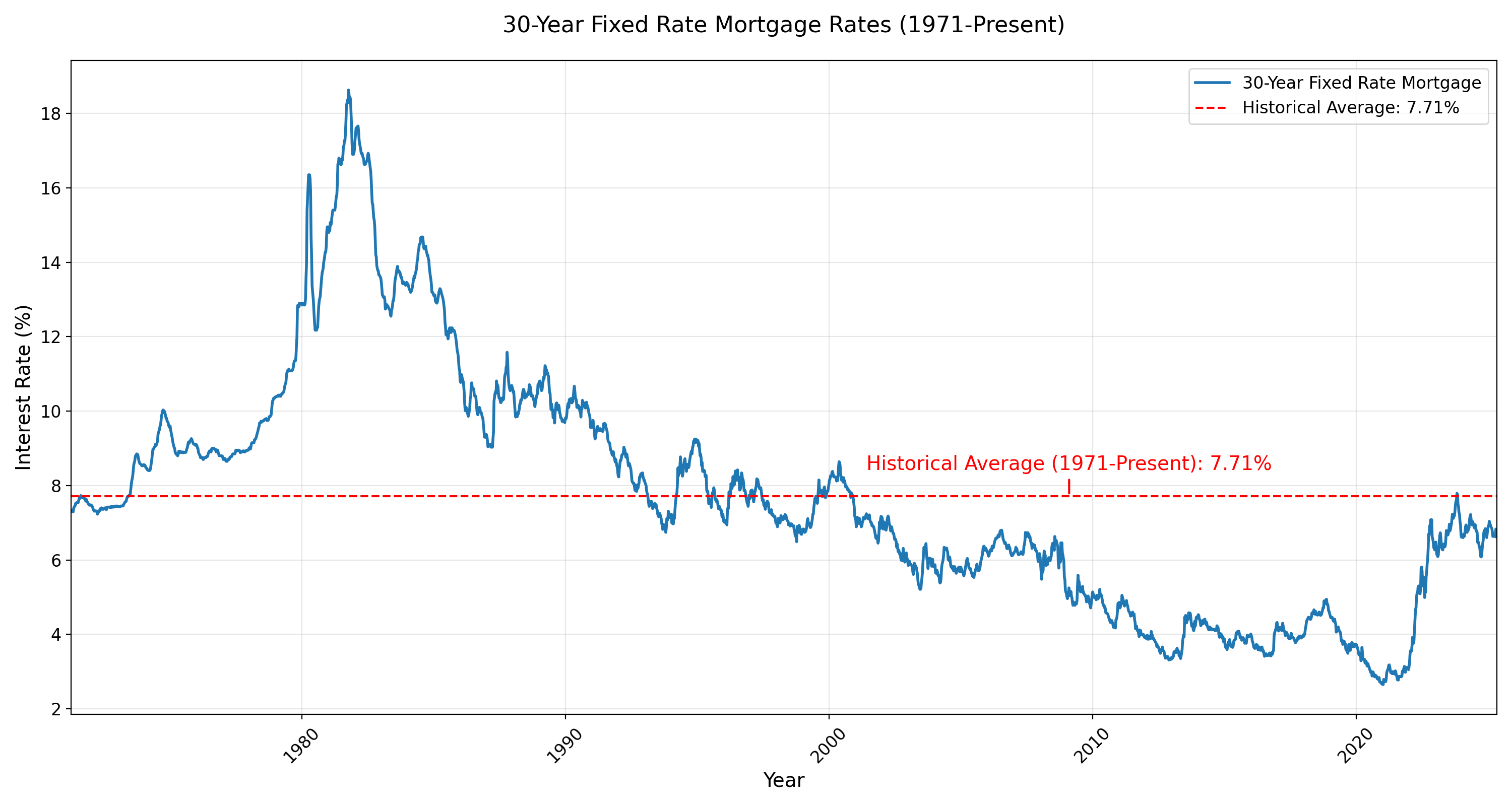
The “average mortgage rate” commonly cited in financial news is usually an aggregated statistic, often reflecting the effective interest rate for conventional 30-year fixed-rate mortgages offered by a broad spectrum of lenders across the country. These averages are compiled by various entities, including Freddie Mac’s weekly Primary Mortgage Market Survey (PMMS), which is a widely respected benchmark. It’s important to remember that this average is a snapshot in time and can fluctuate daily, even hourly, based on market conditions. It doesn’t necessarily represent the rate you will qualify for, but rather provides a general pulse of the market.
Key Components of a Mortgage Rate
Beyond the base interest rate, several other components contribute to the overall cost of a mortgage and can influence what a lender offers you.
- Principal and Interest: This is the core of your monthly payment, directly tied to the loan amount and the interest rate.
- Annual Percentage Rate (APR): The APR is a broader measure of the cost of borrowing money, reflecting not only the interest rate but also other charges and fees associated with the loan, such as origination fees, discount points, and some closing costs. It provides a more comprehensive picture of the loan’s true cost over its lifetime. Comparing APRs across different lenders can give a more accurate comparison than just comparing interest rates alone.
- Points: Mortgage points, or discount points, are fees paid to the lender at closing in exchange for a lower interest rate over the life of the loan. One point typically equals 1% of the loan amount. Borrowers can sometimes choose to pay “points” to “buy down” their interest rate, which can be beneficial for those planning to stay in their home for an extended period.
- Fees and Closing Costs: Various administrative and legal fees are incurred during the mortgage process. While not directly part of the interest rate, they impact the overall cost of the loan and can influence a borrower’s decision.
Factors Influencing Mortgage Rate Fluctuations
Mortgage rates are dynamic, constantly shifting in response to a complex interplay of economic forces, central bank policies, market competition, and individual borrower profiles. Understanding these drivers is key to anticipating rate movements and timing your mortgage decisions effectively.
Economic Indicators and Central Bank Policy
The broader economic environment plays a significant role in dictating mortgage rate trends.
- Inflation: High inflation erodes the purchasing power of money over time. Lenders, to protect their returns, typically demand higher interest rates during inflationary periods. Conversely, when inflation is low and stable, rates tend to be lower.
- Federal Reserve Policy and the Federal Funds Rate: While the Federal Reserve does not directly set mortgage rates, its monetary policy decisions—particularly changes to the federal funds rate—have a profound indirect impact. The federal funds rate influences short-term interest rates throughout the economy, which in turn affect the bond market. Mortgage rates are closely tied to the yield on the 10-year Treasury bond, as investors view mortgages as an alternative to these government-backed securities. When the Fed raises its benchmark rate, the cost of borrowing for banks increases, which often translates to higher rates for consumers, including mortgage rates.
- Economic Growth and Employment: A strong economy, characterized by robust GDP growth and low unemployment, generally leads to higher consumer demand and potentially higher inflation, pushing rates upward. Conversely, economic slowdowns or recessions often see rates fall as central banks try to stimulate activity.
- Global Economic Events: International events, such as geopolitical tensions, global financial crises, or significant policy shifts in major economies, can create uncertainty and influence capital flows, thereby impacting U.S. bond yields and, by extension, mortgage rates.
Market Competition and Lender-Specific Factors
Beyond macroeconomic trends, the competitive landscape among lenders and their individual business models also contribute to rate variations.
- Lender Appetite for Risk: Different lenders have varying appetites for risk. Some may offer slightly lower rates to attract more borrowers, while others might prioritize higher profit margins or cater to specific borrower segments.
- Operational Costs: A lender’s operational efficiency and cost structure can influence the rates they are able to offer. More efficient lenders may be able to pass on savings in the form of lower rates.
- Secondary Mortgage Market: Most mortgages are originated by lenders and then sold to investors in the secondary mortgage market (e.g., to Fannie Mae and Freddie Mac). The demand from these investors for mortgage-backed securities (MBS) affects the rates lenders can offer. High demand for MBS can push rates down.
Borrower-Specific Variables
Crucially, the “average” rate you see advertised is a general guideline. Your actual rate will be highly individualized, dependent on your financial profile.
- Credit Score: A higher credit score (e.g., 760+) indicates a lower risk to lenders, typically resulting in access to the lowest available interest rates. Borrowers with lower scores will usually be offered higher rates to compensate the lender for the increased risk.
- Debt-to-Income (DTI) Ratio: This ratio compares your total monthly debt payments to your gross monthly income. A lower DTI (generally below 36-43%) signals a healthier financial position, making you a more attractive borrower.
- Loan-to-Value (LTV) Ratio and Down Payment: The LTV ratio compares the loan amount to the appraised value of the home. A larger down payment (meaning a lower LTV) reduces the lender’s risk, often leading to better rates.
- Loan Type and Term: Different mortgage products (fixed-rate vs. adjustable-rate, 30-year vs. 15-year) inherently carry different risk profiles and thus different rates. Shorter loan terms typically have lower interest rates because the lender’s money is tied up for less time, reducing interest rate risk.
- Property Type and Location: Certain property types (e.g., multi-unit dwellings, investment properties) may carry slightly higher rates than a single-family primary residence. Rates can also vary regionally due to local market conditions and competition.
Navigating Different Mortgage Products
The choice of mortgage product significantly impacts your monthly payments, the total interest paid over the life of the loan, and your exposure to future interest rate changes. The “average mortgage rate” usually refers to a 30-year fixed, but it’s crucial to understand other options.
Fixed-Rate Mortgages: Stability in an Unpredictable Market
A fixed-rate mortgage is the most common and straightforward type. The interest rate remains the same for the entire life of the loan, providing predictable monthly principal and interest payments.
- 30-Year Fixed-Rate Mortgage: This is the most popular choice due to its lower monthly payments, which make homeownership more accessible. However, it results in paying more interest over the long term compared to shorter-term loans. The average mortgage rate typically refers to this product.
- 15-Year Fixed-Rate Mortgage: While carrying higher monthly payments, a 15-year fixed mortgage allows borrowers to pay off their home much faster and significantly reduce the total interest paid. Interest rates on 15-year fixed mortgages are generally lower than 30-year fixed rates.
Adjustable-Rate Mortgages (ARMs): Flexibility with Risk
ARMs offer an initial period with a fixed interest rate, after which the rate adjusts periodically based on a predetermined index.
- Hybrid ARMs (e.g., 5/1 ARM, 7/1 ARM): These are common ARMs where the first number (e.g., 5) indicates the number of years the initial interest rate is fixed, and the second number (e.g., 1) indicates how often the rate will adjust after the fixed period (e.g., annually).
- Benefits: ARMs often start with a lower interest rate than fixed-rate mortgages, making them attractive for borrowers who plan to sell or refinance before the fixed-rate period ends, or those who anticipate their income will increase.
- Risks: The primary risk is that rates could rise significantly after the fixed period, leading to much higher monthly payments. Most ARMs have caps that limit how much the rate can adjust per period and over the life of the loan, but payments can still increase substantially.
Other Mortgage Types and Considerations
Beyond conventional fixed and adjustable rates, specialized government-backed loans cater to specific borrower needs.
- FHA Loans: Insured by the Federal Housing Administration, these loans are popular for first-time homebuyers or those with lower credit scores. They typically require a smaller down payment (as low as 3.5%) but come with mandatory mortgage insurance premiums.
- VA Loans: Guaranteed by the Department of Veterans Affairs, these loans offer exceptional benefits to eligible service members, veterans, and surviving spouses, including no down payment requirements and no private mortgage insurance.
- USDA Loans: Backed by the U.S. Department of Agriculture, these loans are designed for low-to-moderate-income individuals purchasing homes in eligible rural areas, often requiring no down payment.
Strategies for Securing the Best Mortgage Rate
While macroeconomic forces are beyond individual control, borrowers have significant agency in improving their financial profile and approaching the mortgage market strategically to secure the most favorable terms.
Enhancing Your Financial Profile
Lenders assess your creditworthiness to determine the risk of lending to you. A strong financial profile directly translates to better rates.
- Boost Your Credit Score: Pay bills on time, reduce outstanding debt, keep credit utilization low, and avoid opening new credit accounts just before applying for a mortgage. A score of 740 or higher typically qualifies you for the best rates.
- Lower Your Debt-to-Income (DTI) Ratio: Pay down high-interest debts like credit cards and personal loans. This demonstrates your ability to manage debt and afford new payments.
- Save for a Larger Down Payment: A substantial down payment (e.g., 20% or more) reduces your loan-to-value ratio, lowering the lender’s risk and potentially eliminating the need for private mortgage insurance (PMI).
- Build Cash Reserves: Lenders look favorably upon borrowers with liquid savings, as it indicates financial stability and an ability to weather unexpected expenses.
The Importance of Shopping Around
Many borrowers make the mistake of only getting a quote from one or two lenders. This can cost them thousands of dollars over the life of the loan.
- Compare Multiple Lenders: Obtain quotes from at least three to five different lenders, including banks, credit unions, and mortgage brokers. Rates and fees can vary significantly.
- Focus on APR, Not Just Interest Rate: As discussed, the APR provides a more accurate picture of the total cost of the loan, allowing for a more apples-to-apples comparison.
- Negotiate: Don’t be afraid to use a competitive offer from one lender to negotiate a better deal with another. Lenders are often willing to match or beat competitors’ rates or reduce fees to earn your business.
- Understand All Fees: Scrutinize the Loan Estimate document carefully, paying attention to all closing costs, origination fees, and third-party fees.
When to Lock In Your Rate
Mortgage rates can be volatile. Deciding when to “lock in” your rate is a crucial decision that can protect you from rising rates during the closing process.
- Understand the Lock Period: Rate locks typically range from 30 to 60 days, though longer periods are available, often for an additional fee.
- Monitor Market Trends: If rates appear stable or are trending downward, you might wait a bit longer. If rates are volatile or trending upward, locking in sooner might be prudent.
- Consider Your Closing Timeline: Lock in your rate once your loan application is solid, and you have a clear understanding of your expected closing date. Avoid locking too early if there’s a risk of the lock expiring before closing, as you might face extension fees or a higher rate if you have to re-lock.
The Future Outlook for Mortgage Rates
Predicting the precise movement of mortgage rates is challenging, even for seasoned economists. However, understanding the factors that influence them allows for informed speculation and prudent financial planning.
Economic Projections and Potential Shifts
Future mortgage rates will primarily be shaped by the trajectory of inflation, the Federal Reserve’s monetary policy, and the overall health of the U.S. economy.
- Inflationary Pressures: If inflation persists or accelerates, the Fed may continue to keep interest rates higher for longer, which would put upward pressure on mortgage rates. Conversely, a significant cooling of inflation could lead to the Fed easing its stance.
- Federal Reserve Stance: The Fed’s “dot plot” projections and public statements offer clues about their intentions. If they signal a pivot towards rate cuts, mortgage rates would likely follow suit, although not in perfect lockstep.
- Economic Growth: A robust economy could fuel demand and potentially higher rates, while a slowdown or recession often leads to lower rates as a stimulative measure. Geopolitical events and global economic shifts will also continue to introduce volatility.

Implications for Homebuyers and Refinancers
The outlook for mortgage rates has significant implications for those looking to enter the housing market or optimize their existing mortgages.
- For Homebuyers: Higher rates increase the monthly cost of homeownership, potentially impacting affordability and qualifying loan amounts. It may necessitate adjusting budgets, considering smaller homes, or exploring alternative loan products (like ARMs if short-term savings are critical). Conversely, falling rates could spark renewed demand and competition.
- For Refinancers: Current homeowners with higher interest rates are keenly watching for opportunities to refinance into a lower rate, which can significantly reduce monthly payments or shorten the loan term. The decision to refinance involves weighing the potential savings against the closing costs associated with a new loan.
In conclusion, the “average mortgage rate” is a dynamic and multifaceted figure that serves as a cornerstone of personal finance and the broader economy. While external forces dictate its general direction, individual borrowers possess considerable power to influence the rate they ultimately secure. By understanding the underlying mechanics, diligently managing personal finances, and actively shopping for the best terms, individuals can navigate the complex mortgage landscape with confidence and make choices that align with their long-term financial goals.
aViewFromTheCave is a participant in the Amazon Services LLC Associates Program, an affiliate advertising program designed to provide a means for sites to earn advertising fees by advertising and linking to Amazon.com. Amazon, the Amazon logo, AmazonSupply, and the AmazonSupply logo are trademarks of Amazon.com, Inc. or its affiliates. As an Amazon Associate we earn affiliate commissions from qualifying purchases.