
The question “what is the current interest rate for a mortgage” is not merely a common inquiry; it is the cornerstone of one of the most significant financial decisions many individuals and families will ever make. For prospective homeowners, seasoned investors, and those considering refinancing, understanding the prevailing mortgage interest rates is paramount. These rates dictate the long-term cost of borrowing hundreds of thousands of dollars, influencing monthly payments, overall affordability, and even the broader housing market’s dynamism.
Mortgage interest rates are dynamic, fluctuating in response to a complex interplay of economic indicators, monetary policy, and market sentiment. They are rarely static for long, making it crucial for anyone entering the housing market or managing existing mortgage debt to stay informed. A slight percentage point difference can translate into tens of thousands of dollars saved or spent over the life of a 30-year loan. This article will delve into how mortgage interest rates are determined, where to find reliable current figures, and strategies for securing the most favorable terms possible, all within the exclusive domain of personal and business finance.
Understanding Mortgage Interest Rates: The Core Mechanics
Before diving into current figures, it’s essential to grasp the fundamental mechanics that underpin mortgage interest rates. These rates are not arbitrary numbers but a reflection of various economic forces and individual financial profiles.
The Anatomy of a Mortgage Rate: Fixed vs. Adjustable
Mortgage rates primarily come in two flavors: fixed-rate and adjustable-rate mortgages (ARMs). Each has distinct implications for borrowers.
- Fixed-Rate Mortgages: As the name suggests, the interest rate on a fixed-rate mortgage remains constant for the entire life of the loan, typically 15 or 30 years. This offers predictability and stability in monthly payments, making budgeting straightforward and protecting borrowers from future rate increases. While often appealing for long-term planning, borrowers might miss out if market rates fall significantly.
- Adjustable-Rate Mortgages (ARMs): ARMs feature an initial fixed-rate period, typically 3, 5, 7, or 10 years, after which the rate adjusts periodically based on a predetermined index (like the Secured Overnight Financing Rate – SOFR) plus a margin set by the lender. ARMs often start with a lower interest rate than comparable fixed-rate mortgages, making them attractive for those who anticipate selling or refinancing before the fixed period ends, or for those comfortable with potential payment fluctuations. However, they carry the risk of significantly higher payments if rates rise.
Key Factors Influencing Mortgage Rates
The “current” interest rate for a mortgage is a moving target, influenced by several macroeconomic and microeconomic factors:
- Federal Reserve Policy and the Federal Funds Rate: While the Federal Reserve doesn’t directly set mortgage rates, its monetary policy decisions, particularly adjustments to the federal funds rate, have a profound ripple effect. When the Fed raises its benchmark rate to combat inflation, it typically leads to higher borrowing costs across the board, including for mortgages. Conversely, rate cuts often make mortgages cheaper.
- Inflation Expectations: Lenders factor anticipated inflation into their rates. If inflation is expected to rise, the purchasing power of future loan repayments diminishes. To compensate, lenders charge higher interest rates to ensure a real return on their investment.
- The Bond Market (Especially 10-Year Treasury Yields): Mortgage rates, particularly for fixed-rate mortgages, are closely tied to the yields on long-term government bonds, such as the 10-year Treasury note. When bond yields rise, mortgage rates generally follow suit, and vice versa. This is because mortgage-backed securities (MBS) compete with Treasuries for investor dollars.
- Economic Growth and Employment: A strong economy, characterized by robust GDP growth and low unemployment, can lead to increased demand for credit and potential inflationary pressures, often resulting in higher rates. Conversely, a weakening economy might prompt rate cuts to stimulate activity.
- Housing Market Dynamics: Supply and demand within the housing market can also exert influence. In a booming market with high demand, lenders might be able to command higher rates. Conversely, a sluggish market could see lenders offer more competitive rates to attract buyers.
Navigating the Search: How to Find Accurate Current Rates
Given the volatility of the market, asking “what is the current interest rate for a mortgage” requires more than a single number; it demands access to up-to-date, personalized information.
Online Rate Comparison Tools and Aggregators
The digital age has made comparing mortgage rates more accessible than ever. Numerous online platforms and aggregators allow prospective borrowers to input their financial details and receive customized rate quotes from multiple lenders simultaneously.
- Benefits: These tools offer convenience, transparency, and the ability to quickly gauge market trends without direct lender contact. They can provide an excellent starting point for understanding what rates are generally available for someone with your credit profile and loan preferences.
- Limitations: The rates displayed by aggregators are often indicative and may not be guaranteed. They are frequently based on ideal borrower profiles (e.g., excellent credit, large down payment) and might not include all closing costs or fees. Actual rates can vary once a full application is submitted.
Consulting Directly with Mortgage Lenders and Brokers

For the most accurate and personalized rates, direct engagement with lenders and mortgage brokers is indispensable.
- Direct Lenders (Banks, Credit Unions, Online Lenders): Applying directly to individual banks, credit unions, or specialized online mortgage lenders allows you to receive firm quotes. Each institution has its own underwriting criteria, product offerings, and pricing strategies, so rates can vary significantly from one lender to another. Credit unions, for instance, often offer competitive rates to their members.
- Mortgage Brokers: A mortgage broker acts as an intermediary, working with multiple lenders to find you the best possible rate and terms. They can be invaluable for borrowers with unique financial situations or those who want to compare a wide array of options without contacting each lender individually. Brokers earn a commission, which can be paid by the lender or the borrower, so understanding their fee structure is important.
The Borrower’s Profile: Credit Score and Financial Health
While macroeconomic factors set the baseline, your individual financial health plays a critical role in determining the specific interest rate you’ll be offered. Lenders assess risk, and your profile is a key indicator.
- Credit Score (FICO Score): This is perhaps the most crucial factor. Borrowers with excellent credit scores (typically 740+) are perceived as lower risk and generally qualify for the lowest interest rates. A lower credit score signals higher risk to lenders, resulting in higher interest rates to compensate.
- Debt-to-Income (DTI) Ratio: Your DTI ratio compares your total monthly debt payments to your gross monthly income. A lower DTI (ideally below 36-43%) indicates you can comfortably manage additional debt, making you a more attractive borrower.
- Down Payment and Loan-to-Value (LTV) Ratio: A larger down payment reduces the amount you need to borrow, thereby lowering the lender’s risk. A lower loan-to-value (LTV) ratio (the loan amount relative to the home’s appraised value) often translates to better interest rates, as lenders view less equity as less risk.
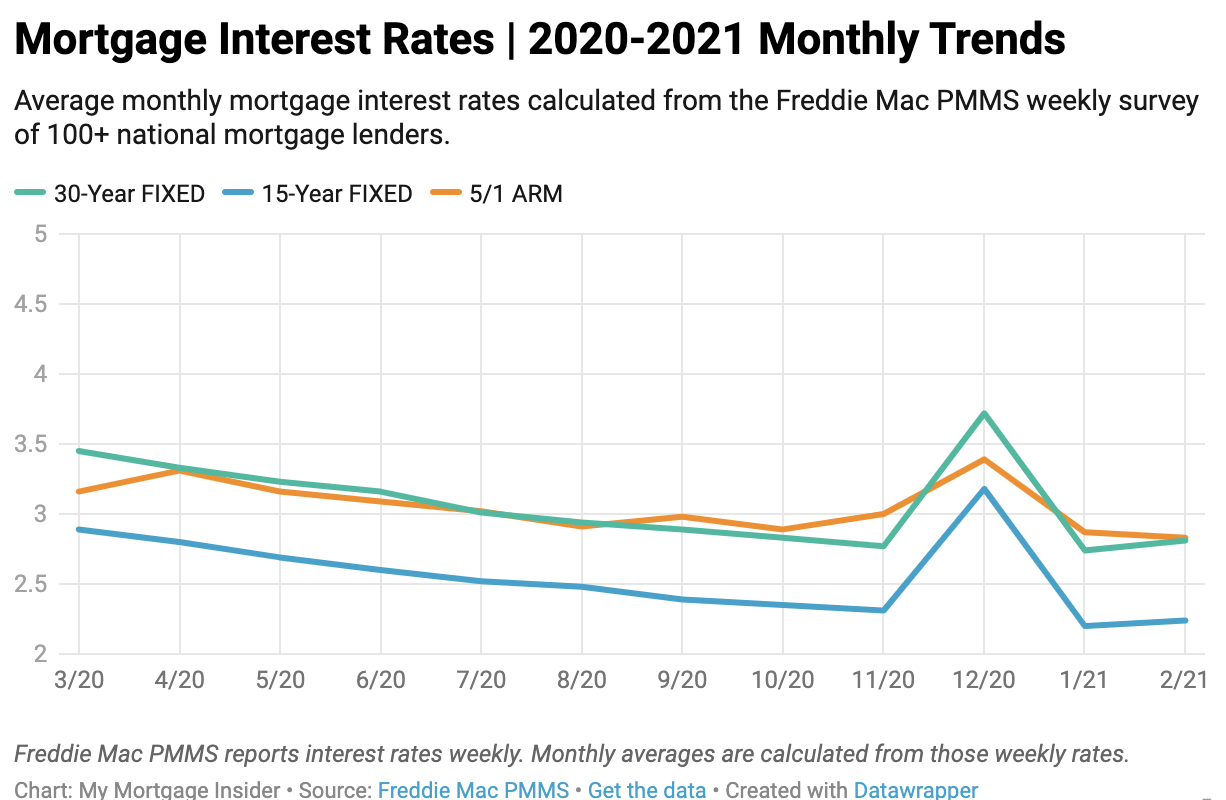
- Loan Term and Type: Shorter loan terms (e.g., 15-year fixed) typically come with lower interest rates than longer terms (e.g., 30-year fixed) because the lender’s money is tied up for a shorter period. Loan types (e.g., FHA, VA, Conventional) also have different rate structures due to varying government backing and risk profiles.
Strategies for Securing a Favorable Mortgage Rate
Knowing “what is the current interest rate for a mortgage” is only half the battle; the other half is actively working to secure the best rate for your specific situation.
Optimizing Your Financial Profile
Before even applying for a mortgage, take proactive steps to present yourself as a low-risk borrower.
- Improve Your Credit Score: Pay bills on time, reduce credit card balances, avoid opening new lines of credit, and dispute any errors on your credit report. A higher credit score can save you tens of thousands of dollars over the life of a loan.
- Lower Your Debt-to-Income Ratio: Pay down existing debts, if possible, or look for ways to increase your income. A healthier DTI signals greater financial stability.
- Save for a Larger Down Payment: A substantial down payment not only reduces your loan amount but can also open doors to better interest rates and potentially eliminate the need for private mortgage insurance (PMI).
Smart Shopping and Rate Locks
Comparison is key when it comes to mortgages. Don’t settle for the first offer.
- Shop Around Aggressively: Contact at least 3-5 different lenders (banks, credit unions, and brokers) within a short period (e.g., 14-45 days, as multiple mortgage inquiries within this window are typically grouped as one for credit scoring purposes). This allows you to compare offers directly.
- Understand and Negotiate Costs: Look beyond just the interest rate. Compare the Annual Percentage Rate (APR), which includes fees and other costs, for a more accurate overall cost assessment. Don’t hesitate to ask lenders to match or beat competitors’ offers.
- Consider “Buying Down” the Rate (Paying Points): You might have the option to pay “points” (prepaid interest) at closing to secure a lower interest rate over the life of the loan. One point typically equals 1% of the loan amount. Evaluate if the cost of the points is justified by the long-term savings.
- Lock in Your Rate: Once you’ve found a favorable rate, ask the lender to “lock” it in. A rate lock guarantees that your interest rate won’t change between the time you apply and the time you close, typically for 30, 45, or 60 days. This protects you from market fluctuations.

The Future Outlook for Mortgage Rates
Predicting the precise trajectory of mortgage rates is challenging, as it depends on a multitude of ever-changing economic variables. However, understanding the general sentiment and key indicators can help in financial planning.
- Economic Projections and Federal Reserve Guidance: Watch for signals from the Federal Reserve regarding its inflation targets and employment outlook. Their public statements and meeting minutes often provide clues about future monetary policy, which directly impacts rates.
- Inflation Trends: Continued high inflation will likely keep pressure on the Fed to maintain or even raise rates, influencing mortgage costs. Conversely, moderating inflation could pave the way for stable or even slightly lower rates.
- Geopolitical Events: Global events can introduce volatility into financial markets, affecting bond yields and, consequently, mortgage rates.
Ultimately, the decision of when to secure a mortgage or refinance often comes down to individual financial circumstances, risk tolerance, and long-term goals. While monitoring the “current interest rate for a mortgage” is crucial, it’s equally important to focus on what you can control: strengthening your financial profile and diligently comparing offers. By approaching the mortgage process with a well-informed strategy, you can significantly optimize one of life’s most substantial financial commitments.
aViewFromTheCave is a participant in the Amazon Services LLC Associates Program, an affiliate advertising program designed to provide a means for sites to earn advertising fees by advertising and linking to Amazon.com. Amazon, the Amazon logo, AmazonSupply, and the AmazonSupply logo are trademarks of Amazon.com, Inc. or its affiliates. As an Amazon Associate we earn affiliate commissions from qualifying purchases.