
Navigating the mortgage market can feel like deciphering a complex financial puzzle, especially when economic indicators and central bank policies are in constant flux. For prospective homebuyers and those looking to refinance, the burning question remains: “What is a good mortgage rate right now?” The answer, however, is rarely a simple number. Instead, it’s a dynamic reflection of broader economic conditions, individual financial health, and the specific type of loan being sought. Understanding what constitutes a “good” rate requires a deep dive into current market realities, the forces shaping interest rates, and the strategies savvy borrowers employ to secure the most favorable terms.
Understanding “Good” in Today’s Market
Defining a “good” mortgage rate isn’t about hitting a historically low benchmark; it’s about evaluating rates within the context of the present economic environment. What might have been considered an average rate a few years ago could be an exceptionally low rate today, and vice versa. This requires perspective and an understanding of the prevailing financial landscape.
The Shifting Landscape of Interest Rates
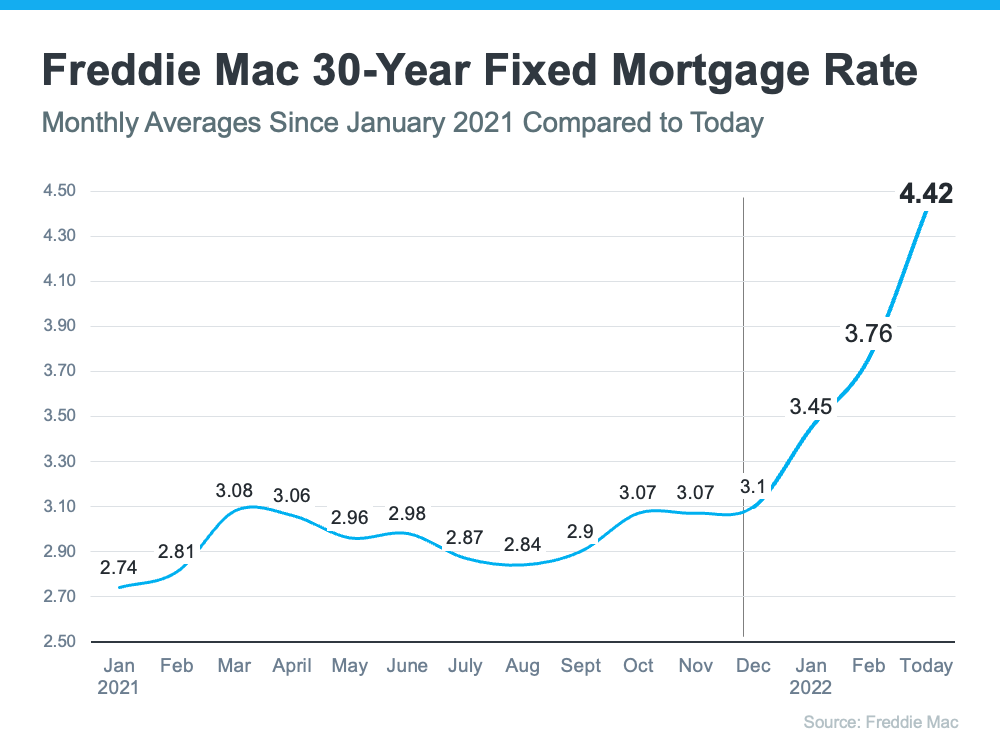
Mortgage rates are heavily influenced by a multitude of factors, primarily the Federal Reserve’s monetary policy, inflation expectations, and the yield on U.S. Treasury bonds. When the Federal Reserve raises its benchmark interest rate to combat inflation, it typically leads to an increase in borrowing costs across the board, including mortgage rates. Conversely, a loosening of monetary policy or signs of economic slowdown can put downward pressure on rates. The current landscape is characterized by efforts to stabilize inflation while managing economic growth, creating a volatile environment where rates can fluctuate significantly in short periods. Therefore, a “good” rate today is one that aligns with or is below the prevailing market average for your specific loan type and financial profile, given the existing economic pressures.
Historical Context vs. Current Reality
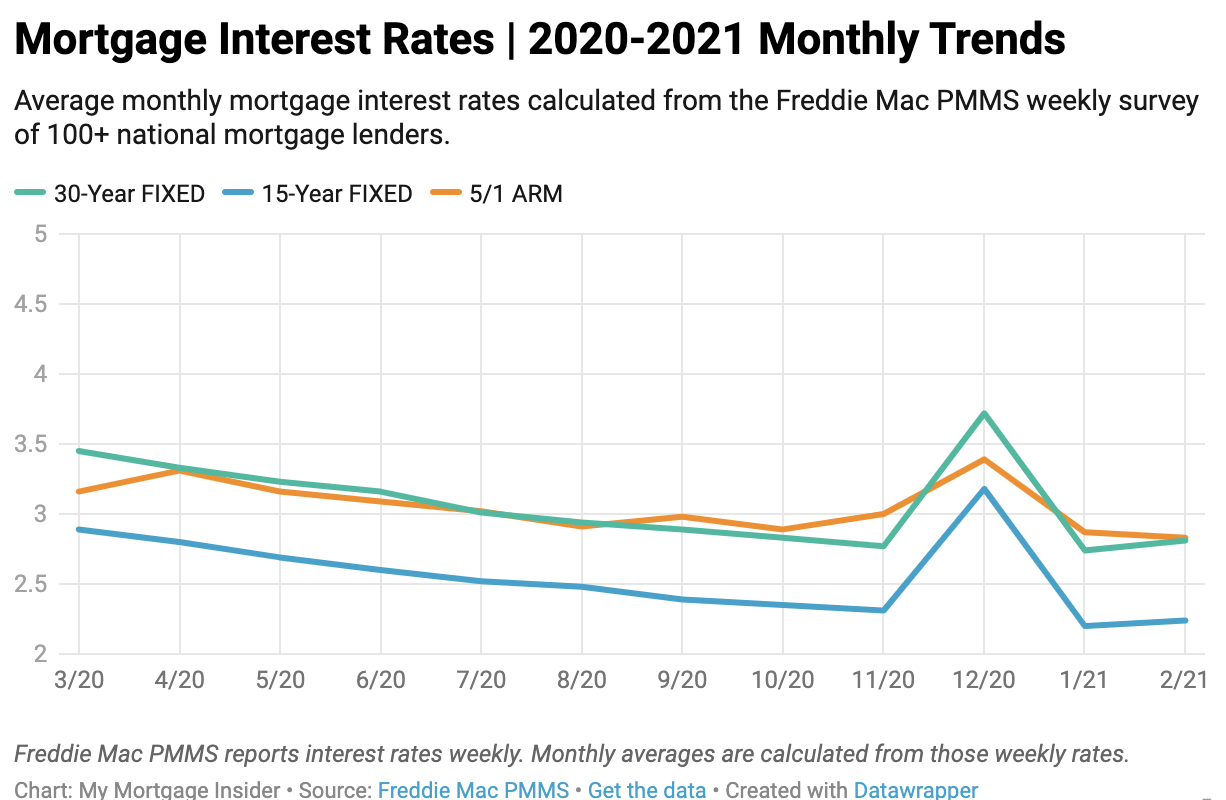
It’s natural to compare current rates to the ultra-low rates seen during periods of quantitative easing or economic stimulus. However, clinging to historical lows as the sole benchmark for a “good” rate can lead to unrealistic expectations and missed opportunities. The current reality is shaped by different economic imperatives. For instance, rates that might seem high compared to 2020 could be quite competitive when viewed against the average rates of the 1990s or early 2000s. An insightful borrower understands that a “good” rate isn’t an absolute figure but a relative one, evaluated against the current economic cycle and the general trend of interest rates. Focus should be on securing the best possible rate available now, rather than lamenting past opportunities.
Personalized “Good” Rates
Crucially, what constitutes a “good” mortgage rate is highly personalized. Lenders assess risk based on an individual’s financial standing. A borrower with an excellent credit score, a substantial down payment, and a low debt-to-income ratio will inherently qualify for better rates than someone with a lower credit score or higher financial leverage. Therefore, a “good” rate for you might be different from a “good” rate for your neighbor. The aim is to achieve the best rate you can qualify for, given your unique financial circumstances. This requires diligent preparation and a clear understanding of your financial profile.
Key Factors Influencing Mortgage Rates
To truly grasp what makes a mortgage rate “good,” it’s essential to understand the primary forces that dictate their movement. These factors can be broadly categorized into macroeconomic indicators and individual borrower characteristics.
Federal Reserve Policy and Inflation
The Federal Reserve does not directly set mortgage rates, but its actions heavily influence them. When the Fed raises the federal funds rate, it makes borrowing more expensive for banks, which in turn passes those increased costs onto consumers in the form of higher interest rates on loans, including mortgages. Inflation is another critical driver. Lenders charge higher interest rates to compensate for the eroding purchasing power of money over time. High inflation often prompts the Fed to raise rates, creating a direct link between inflation control efforts and mortgage rate trends.
Economic Indicators (Jobs, GDP)
Broader economic health also plays a significant role. Strong economic growth, characterized by robust job creation and rising Gross Domestic Product (GDP), can signal an expanding economy. While this is generally positive, it can also lead to increased demand for credit and potential inflationary pressures, which may push mortgage rates higher. Conversely, signs of economic slowdown or recession often lead to lower interest rates as central banks try to stimulate borrowing and investment. Therefore, keeping an eye on unemployment rates, consumer spending, and GDP reports can offer clues about the likely direction of mortgage rates.
Credit Score and Financial Health
On an individual level, your credit score is perhaps the most significant determinant of the mortgage rate you’ll be offered. A higher credit score (generally 740+) indicates a lower risk to lenders, allowing them to offer more competitive rates. Conversely, a lower credit score signals higher risk, leading to higher interest rates to compensate the lender for that perceived risk. Beyond the score itself, your overall financial health, including your debt-to-income (DTI) ratio, employment stability, and history of managing debt, are all scrutinized by lenders to assess your repayment capability.
Down Payment Size and Loan-to-Value (LTV) Ratio
The size of your down payment directly impacts your loan-to-value (LTV) ratio, which is the amount of your mortgage compared to the appraised value of the home. A larger down payment translates to a lower LTV, indicating less risk for the lender. For example, a 20% down payment means an 80% LTV. Lenders often offer better rates for lower LTVs because the borrower has more equity in the property, making them less likely to default. A substantial down payment also might allow you to avoid Private Mortgage Insurance (PMI), further reducing your monthly housing costs.
Types of Mortgages and Their Rate Implications
The choice of mortgage product significantly influences the rate you receive and how that rate behaves over the life of the loan. Understanding the characteristics of each is crucial for making an informed decision.
Fixed-Rate Mortgages: Stability vs. Initial Cost
Fixed-rate mortgages are the most common choice, offering a consistent interest rate for the entire life of the loan (e.g., 15, 20, or 30 years). This stability means your principal and interest payments remain the same, providing predictability and protection against rising interest rates. In times of rate volatility, the security of a fixed rate is particularly appealing. However, fixed rates are often slightly higher than initial adjustable-rate mortgage (ARM) rates when first offered, as they price in the risk of future rate increases. The longer the fixed term, the higher the rate typically is.
Adjustable-Rate Mortgages (ARMs): Flexibility with Risk
Adjustable-rate mortgages (ARMs) feature an interest rate that changes periodically after an initial fixed-rate period (e.g., 5/1 ARM, 7/1 ARM). For instance, a 5/1 ARM has a fixed rate for the first five years, after which it adjusts annually based on a specific market index plus a margin. ARMs often offer lower initial interest rates than fixed-rate mortgages, making them attractive for borrowers who plan to sell or refinance before the fixed-rate period ends, or those who anticipate future income increases. However, ARMs come with the risk that rates could increase significantly during adjustment periods, leading to higher monthly payments. Caps are usually in place to limit how much the rate can increase per adjustment period and over the life of the loan, but borrowers must be comfortable with this inherent volatility.
Government-Backed Loans (FHA, VA, USDA): Specific Benefits
Government-backed loans, such as FHA, VA, and USDA loans, are designed to make homeownership more accessible to specific groups of borrowers.
- FHA Loans: Insured by the Federal Housing Administration, these loans are popular among first-time homebuyers due to their lower down payment requirements (as little as 3.5%) and more lenient credit criteria. While rates can be competitive, FHA loans typically require upfront and annual mortgage insurance premiums, which add to the overall cost.
- VA Loans: Guaranteed by the Department of Veterans Affairs, these loans offer exceptional benefits to eligible service members, veterans, and surviving spouses. Key advantages include no down payment requirement, no private mortgage insurance (PMI), and competitive interest rates.
- USDA Loans: Backed by the U.S. Department of Agriculture, these loans are designed for low-to-moderate income borrowers purchasing homes in eligible rural areas. They also offer no down payment options for qualified applicants.
While these loans can offer favorable rates and terms, they have specific eligibility criteria that borrowers must meet.
Conventional Loans: Standard Options
Conventional loans are not insured or guaranteed by the government. They are the most common type of mortgage and adhere to guidelines set by Fannie Mae and Freddie Mac. They typically require higher credit scores and down payments (at least 3% to 5%, but ideally 20% to avoid PMI) than FHA loans. However, conventional loans offer more flexibility in terms and conditions, and once you have 20% equity, you can request to cancel PMI, which is not possible with FHA loans (unless refinanced). Rates for conventional loans are highly sensitive to credit scores and LTV ratios.
Strategies to Secure the Best Mortgage Rate
Achieving a “good” mortgage rate isn’t just about waiting for market conditions to be perfect; it also involves proactive steps on your part to present yourself as the most attractive borrower possible.
Improving Your Credit Profile
Your credit score is paramount. Before applying for a mortgage, obtain your credit reports from all three major bureaus (Equifax, Experian, TransUnion) and dispute any errors. Pay down high-interest debt, especially credit card balances, to reduce your credit utilization ratio. Make all payments on time and avoid opening new lines of credit, which can temporarily lower your score. A higher credit score (generally above 740) can translate into significantly lower interest rates over the life of the loan.
Saving for a Larger Down Payment
As discussed, a larger down payment reduces the lender’s risk and your loan-to-value (LTV) ratio. Aim for at least 20% if possible to avoid private mortgage insurance (PMI) and qualify for better rates. Even an extra few percentage points can make a difference in the rate you’re offered. Consider various savings strategies, such as setting up automated transfers to a dedicated savings account or exploring down payment assistance programs if eligible.
Shopping Around and Comparing Lenders
This is perhaps one of the most impactful steps you can take. Don’t settle for the first offer you receive. Contact multiple lenders—banks, credit unions, and online mortgage providers—and request personalized quotes. Rates can vary significantly from one lender to another, even for the same borrower profile. Get quotes on the same day to allow for an accurate comparison, as rates fluctuate daily. Utilize online comparison tools, but always follow up directly with lenders for precise figures tailored to your situation.
Understanding Points and Closing Costs
Mortgage points, also known as discount points, are fees paid to the lender at closing in exchange for a lower interest rate. One point typically equals 1% of the loan amount. Deciding whether to pay points involves a break-even analysis: calculate how long it will take for the savings from the lower interest rate to offset the upfront cost of the points. If you plan to stay in the home for a long time, paying points might be worthwhile. Additionally, be aware of all closing costs, which include various fees charged by lenders and third parties. Negotiating these fees or ensuring they are competitive can contribute to a better overall deal, even if the rate itself doesn’t change.
Considering a Mortgage Broker
A mortgage broker acts as an intermediary between you and multiple lenders. They have access to a wide range of loan products and can shop around on your behalf to find the best rates and terms that fit your financial profile. While brokers charge a fee (either from the lender or directly from you), their expertise and ability to navigate the market might save you more money in the long run by securing a more favorable rate than you could find on your own.
The Future Outlook: What to Expect
Predicting the precise trajectory of mortgage rates is challenging, as they are influenced by a complex interplay of domestic and global economic forces. However, understanding potential trends can help borrowers make more informed decisions.
Expert Predictions and Market Volatility
Financial experts and economists constantly analyze market data to forecast future rate movements. While predictions vary, many anticipate continued volatility in the short to medium term, driven by ongoing efforts to manage inflation and respond to economic data. The days of consistently declining rates may be behind us for a while, suggesting that borrowers should be prepared for potential fluctuations. Keeping abreast of reputable economic forecasts from sources like the Federal Reserve, major banks, and financial news outlets can provide valuable context.
Impact of Global Events
Mortgage rates are not solely determined by domestic factors. Geopolitical events, international trade relations, and global economic shifts can all ripple through financial markets and affect interest rates in the U.S. For example, periods of global instability might lead to investors seeking safety in U.S. Treasury bonds, which can indirectly push mortgage rates down. Conversely, global inflationary pressures or energy crises could contribute to higher rates. A holistic view that considers both national and international developments is crucial for understanding the broader rate environment.
Long-Term vs. Short-Term Planning
For prospective homebuyers, the future outlook underscores the importance of strategic planning. If you anticipate moving or refinancing within a few years, an ARM with a low initial rate might be suitable, provided you’re comfortable with the risk of future adjustments. However, if you plan to stay in your home for the long term, locking in a fixed rate, even if it’s slightly higher initially, offers invaluable stability and peace of mind against potential rate hikes. The decision ultimately depends on your personal financial goals, risk tolerance, and projected timeline.
In conclusion, a “good” mortgage rate right now is not a fixed number but a dynamic figure influenced by market conditions, economic policy, and your individual financial health. By understanding these complex factors, preparing your finances meticulously, and diligently shopping for the best terms, you can significantly improve your chances of securing a mortgage rate that is not just good, but optimal for your personal circumstances. Stay informed, be proactive, and approach the mortgage process with a clear strategy to navigate today’s evolving financial landscape successfully.
aViewFromTheCave is a participant in the Amazon Services LLC Associates Program, an affiliate advertising program designed to provide a means for sites to earn advertising fees by advertising and linking to Amazon.com. Amazon, the Amazon logo, AmazonSupply, and the AmazonSupply logo are trademarks of Amazon.com, Inc. or its affiliates. As an Amazon Associate we earn affiliate commissions from qualifying purchases.