
The question “how much is the interest rate today?” is one of the most fundamental inquiries for individuals, businesses, and investors alike. Interest rates are the lifeblood of our financial system, dictating the cost of borrowing, the return on savings, and influencing everything from mortgage payments to stock market valuations. Unlike a fixed price, interest rates are dynamic, constantly shifting in response to economic indicators, central bank policies, and global events. Understanding their current state and the forces that shape them is crucial for informed financial decision-making.
Today’s interest rate environment is a complex tapestry woven from various threads, including inflation pressures, economic growth forecasts, geopolitical tensions, and the monetary policy stance of central banks worldwide. For most individuals, the “interest rate” they refer to might be their mortgage rate, the yield on a savings account, or the APR on a credit card. For economists and policymakers, it often refers to benchmark rates like the Federal Funds Rate in the U.S. or the European Central Bank’s main refinancing operations rate. This article will demystify the current interest rate landscape, explain its nuances, and provide insights into navigating its implications.
Understanding the Landscape of Interest Rates
Before delving into the specifics of today’s rates, it’s essential to grasp the foundational concepts that govern them. Interest rates are not monolithic; they are a spectrum of charges and returns that vary based on the type of financial product, the borrower’s creditworthiness, and the duration of the loan or investment.
What Exactly Is an Interest Rate?
At its core, an interest rate is the cost of borrowing money or the return on lending money, expressed as a percentage of the principal over a specified period, typically a year. When you borrow money, the interest rate is the fee you pay to the lender for the privilege of using their capital. Conversely, when you save or invest money, the interest rate is the compensation you receive for foregoing immediate consumption and allowing a borrower to use your funds. This simple concept underpins all financial transactions, from a consumer loan to international trade finance. The existence of interest rates reflects the time value of money – the idea that a sum of money today is worth more than the same sum in the future due to its potential earning capacity.
Key Factors Influencing Today’s Rates
The determination of interest rates is a multifaceted process influenced by a confluence of economic, political, and market-driven factors. Understanding these drivers is key to anticipating future rate movements.
- Central Bank Policy: The most significant influencer of short-term interest rates is the central bank (e.g., the Federal Reserve in the U.S., the European Central Bank). Central banks set benchmark rates (like the Federal Funds Rate), which in turn influence other rates throughout the economy. They adjust these rates primarily to manage inflation, stimulate economic growth, or stabilize financial markets. When inflation is high, central banks tend to raise rates to cool the economy; when growth is sluggish, they might lower rates to encourage borrowing and spending.
- Inflation Expectations: Lenders demand compensation for the erosion of purchasing power over time. If inflation is expected to rise, lenders will demand higher interest rates to ensure their real (inflation-adjusted) return remains positive. Conversely, low inflation can lead to lower nominal interest rates.
- Economic Growth and Outlook: A strong economy, characterized by high employment and robust consumer spending, often leads to higher demand for credit, which can push interest rates up. Conversely, a weakening economy typically sees reduced demand for credit and potentially lower rates as central banks try to stimulate activity.
- Government Borrowing and Debt: When governments issue bonds to finance their spending, they compete with other borrowers for available capital. High levels of government borrowing can increase demand for funds, potentially leading to higher interest rates.
- Global Capital Flows: In an interconnected global economy, capital flows across borders. International investors seeking higher yields can influence domestic interest rates. A country offering relatively attractive rates may draw capital, potentially lowering its own rates due to increased supply of funds, while capital outflow can have the opposite effect.
- Market Sentiment and Risk Perception: During periods of economic uncertainty or geopolitical instability, investors may demand higher returns for taking on risk, leading to higher interest rates on riskier assets. Conversely, during periods of stability, investors might be content with lower returns.
Different Types of Interest Rates
The term “interest rate” is broad, encompassing various rates applied to different financial instruments and purposes.
- Federal Funds Rate (U.S.) / Policy Rates (Global): This is the target rate set by the central bank for overnight lending between banks. It’s a foundational rate that influences many others.
- Prime Rate: Typically 3% above the Federal Funds Rate, this is the interest rate commercial banks charge their most creditworthy corporate customers. It’s a benchmark for many variable-rate loans, including some credit cards and lines of credit.
- Mortgage Rates: These are the rates charged on loans for purchasing real estate. They can be fixed (unchanging for the loan’s duration) or adjustable (fluctuating periodically). They are heavily influenced by the yield on government bonds (e.g., 10-year Treasury notes).
- Savings Account Rates / CD Rates: These are the interest rates banks pay to depositors for keeping their money in savings accounts or certificates of deposit (CDs). They tend to be lower than borrowing rates but offer a secure, albeit modest, return.
- Credit Card APRs: Annual Percentage Rates on credit cards are typically among the highest interest rates due to the unsecured nature of the debt and the convenience offered.
- Auto Loan Rates / Personal Loan Rates: These vary based on the borrower’s credit score, loan term, and market conditions.
Current Interest Rate Environment: A Snapshot
Today’s interest rate landscape reflects recent economic developments and central bank actions. Following a period of historically low rates, many major economies have seen significant rate hikes in response to elevated inflation.
The Federal Reserve’s Stance
In recent years, central banks, particularly the U.S. Federal Reserve, embarked on an aggressive campaign of interest rate hikes to combat surging inflation. After a prolonged period of near-zero rates designed to stimulate economic recovery, the Fed began tightening monetary policy to bring inflation back to its 2% target. These hikes pushed the Federal Funds Rate significantly higher, directly impacting other short-term rates in the economy. The current stance typically involves a watchful waiting approach, assessing the cumulative impact of past hikes while remaining data-dependent regarding any future adjustments. Statements from the Federal Open Market Committee (FOMC) meetings provide crucial insights into their forward guidance, often signaling whether they anticipate further hikes, pauses, or eventual cuts based on inflation trends, labor market strength, and overall economic activity.
Impact on Borrowing Costs
The elevated benchmark rates have translated directly into higher borrowing costs across various financial products.
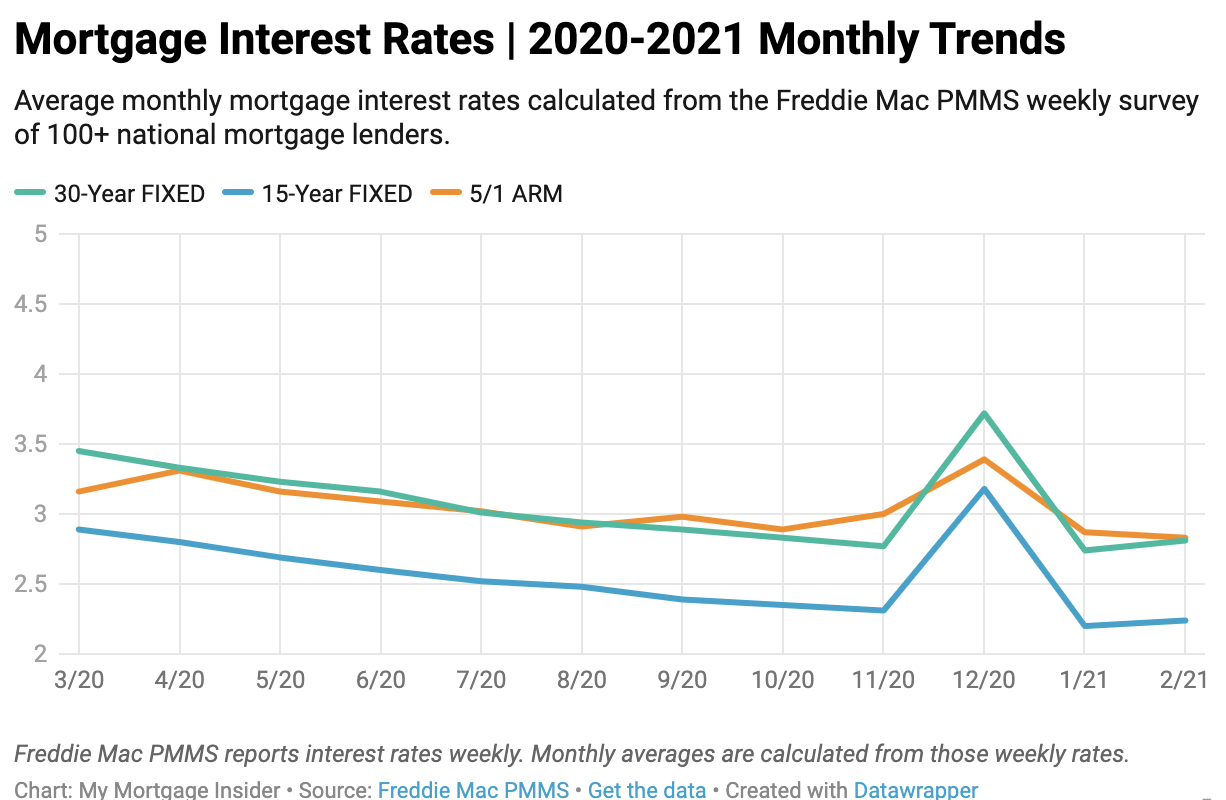
- Mortgages: Mortgage rates have risen substantially from their pandemic-era lows. This makes homeownership more expensive, reduces affordability, and can cool the housing market. For those with adjustable-rate mortgages (ARMs), payments may have increased. Refinancing opportunities, abundant in low-rate environments, have become less attractive for many.
- Personal Loans and Credit Cards: Interest rates on unsecured personal loans and credit cards have also climbed. This means higher monthly payments for those carrying balances and an increased cost for new borrowing. Managing credit card debt strategically becomes even more critical in this environment.
- Auto Loans and Business Loans: Car buyers are facing higher financing costs, potentially affecting sales. Businesses, especially small and medium-sized enterprises (SMEs), see increased costs for working capital loans and investment financing, which can impact expansion plans and profitability.
Impact on Savings and Investments
While higher rates make borrowing more expensive, they can be a boon for savers and certain types of investors.
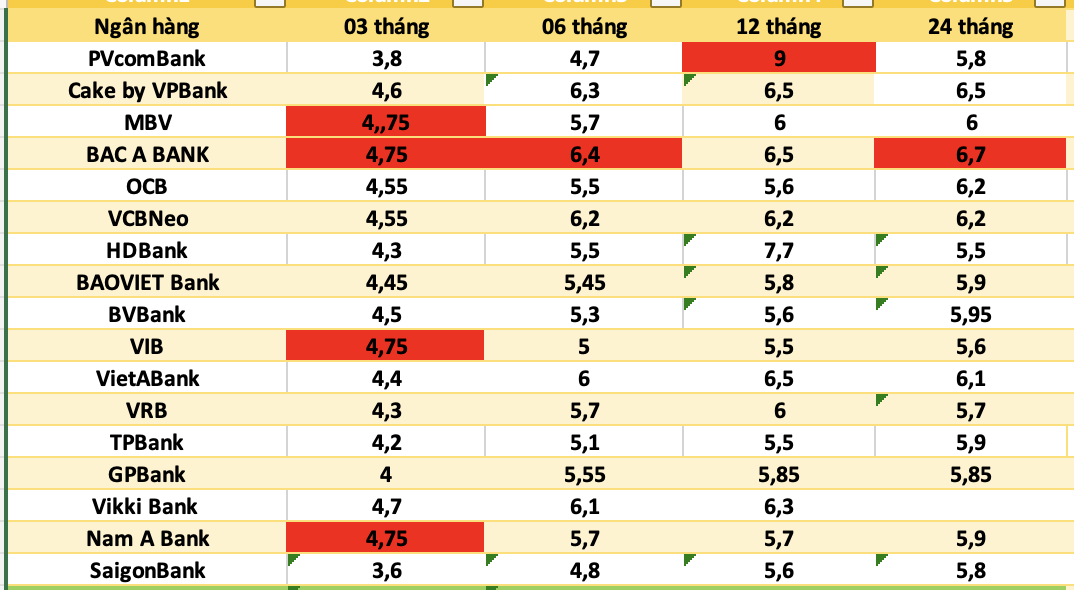
- Savings Accounts and CDs: Banks have passed on some of the rate increases to depositors, leading to higher yields on savings accounts, money market accounts, and certificates of deposit (CDs). This offers a welcome opportunity for individuals to earn a more substantial, low-risk return on their cash reserves, making it an excellent time to explore high-yield savings options.
- Bonds: Bond yields move inversely to bond prices. As interest rates rise, newly issued bonds offer higher yields, making existing lower-yield bonds less attractive and causing their prices to fall. However, for investors looking to buy new bonds, the higher yields present an opportunity for better income generation.
- Stock Market: The impact on the stock market is more nuanced. Higher interest rates can dampen corporate profits by increasing borrowing costs and reducing consumer spending. They also make future earnings less valuable through discounting, and higher bond yields provide a more attractive, lower-risk alternative to stocks, potentially drawing some capital away from equities. However, resilient companies with strong balance sheets may weather this environment better.
Navigating Interest Rate Fluctuations
Living in a dynamic interest rate environment requires proactive financial planning. Both borrowers and savers can employ strategies to optimize their financial positions.
Strategies for Borrowers
For those with existing debt or considering new loans, understanding how to manage in a higher-rate world is crucial.
- Fixed vs. Variable Rates: When borrowing, especially for long-term loans like mortgages, consider the trade-offs between fixed and variable rates. In a rising rate environment, a fixed-rate loan offers stability and predictability, shielding you from payment increases. If rates are expected to fall, a variable rate might offer flexibility, but it carries risk.
- Refinancing Considerations: While refinancing was popular during low-rate periods, it might still be beneficial for certain situations, such as consolidating high-interest debt into a lower-rate personal loan, or converting a variable-rate loan to a fixed rate if future hikes are anticipated. However, the cost-benefit analysis must be carefully done.
- Debt Consolidation: For individuals with multiple high-interest debts (like credit card balances), consolidating them into a single loan with a lower interest rate can simplify payments and reduce overall interest costs.
- Aggressive Debt Paydown: Prioritizing paying down high-interest debt, such as credit card balances, becomes even more impactful when rates are high. Every dollar paid towards principal saves a greater amount in interest over time.
Maximizing Returns for Savers
Higher interest rates offer a silver lining for those with cash to save or invest.
- High-Yield Savings Accounts: Explore online banks and financial institutions that offer significantly higher interest rates on savings accounts compared to traditional brick-and-mortar banks.
- Certificates of Deposit (CDs): CDs offer guaranteed returns for a fixed period. In a rising rate environment, consider laddering CDs (investing in CDs with staggered maturity dates) or opting for shorter-term CDs to capitalize on potential future rate increases.
- Short-Term Bonds and Money Market Funds: These instruments typically offer higher yields than traditional savings accounts while maintaining a relatively high degree of liquidity and safety.
- Reviewing Investment Portfolios: Ensure your investment portfolio is aligned with the current economic climate. Higher rates might favor value stocks over growth stocks, or certain sectors might perform better. Rebalancing and diversification remain key.
Business Implications
Businesses are particularly sensitive to interest rate changes, affecting their operational costs, investment decisions, and financial planning.
- Cost of Capital: Higher interest rates directly increase the cost of borrowing for businesses, impacting everything from short-term working capital loans to long-term project financing. This can squeeze profit margins and make new investments less attractive.
- Investment and Expansion: When the cost of capital rises, businesses may defer or scale back expansion plans, capital expenditures, and hiring initiatives. This can slow overall economic growth.
- Cash Flow Management: Businesses with variable-rate loans need robust cash flow management to absorb potential payment increases. Strategic hedging instruments can be considered to mitigate interest rate risk.
- Customer Spending: Higher rates for consumers can lead to reduced disposable income and decreased demand for goods and services, impacting business revenues.
The Broader Economic Impact of Interest Rates
Interest rates are not merely a financial metric; they are a powerful tool with far-reaching consequences for the entire economy.
Inflation Control and Economic Stability
Central banks primarily use interest rates as a lever to manage inflation. When inflation is too high, raising rates cools demand by making borrowing more expensive and saving more attractive, thereby slowing down price increases. Conversely, lowering rates stimulates borrowing and spending, countering deflationary pressures and promoting economic growth. The goal is to achieve price stability while fostering sustainable economic expansion, a delicate balancing act known as the “dual mandate” for many central banks.
Consumer Spending and Investment
The direct impact on consumer spending is profound. Higher interest rates mean higher costs for mortgages, car loans, and credit card debt, leaving consumers with less discretionary income. This can lead to a slowdown in consumption, which is a significant component of GDP. Conversely, lower rates can free up consumer cash, encouraging spending. For businesses, interest rates influence investment decisions. Lower borrowing costs incentivize companies to invest in new equipment, research and development, and expansion, driving productivity and job creation. Higher costs can stifle such investments.
Global Economic Interplay
In a globalized world, a country’s interest rates do not operate in a vacuum. Higher rates in one major economy (e.g., the U.S.) can attract international capital, strengthening its currency. This can make imports cheaper but exports more expensive, affecting trade balances. For emerging markets, rising rates in developed economies can lead to capital outflows, currency depreciation, and increased debt burdens, especially if their debts are denominated in foreign currencies. Global economic coordination, or the lack thereof, in monetary policy can create ripple effects worldwide.
Staying Informed and Planning Ahead
Given the constant flux of interest rates, staying informed and planning proactively is paramount for financial well-being.
Reliable Sources for Interest Rate Information
To get the most current and accurate information on interest rates, consult reputable sources:
- Central Bank Websites: The Federal Reserve (federalreserve.gov), European Central Bank (ecb.europa.eu), and other national central banks publish their policy rates, meeting minutes, and economic projections.
- Financial News Outlets: Major financial news organizations (e.g., The Wall Street Journal, Bloomberg, Reuters, Financial Times) provide real-time updates and expert analysis.
- Economic Data Providers: Services like FRED (Federal Reserve Economic Data), Trading Economics, and reputable financial data platforms offer historical and current interest rate data.
- Your Bank/Lender: For personal rates (mortgages, savings), directly consult your financial institution.
Consulting Financial Professionals
Navigating complex interest rate environments can be challenging. A qualified financial advisor, mortgage broker, or business consultant can provide personalized guidance tailored to your specific financial situation and goals. They can help you understand the implications of current rates on your debt, savings, investments, and long-term financial plans, and assist in devising appropriate strategies.

Long-Term Financial Planning in a Dynamic Rate Environment
Effective financial planning considers various interest rate scenarios. Build a financial plan that is resilient to both rising and falling rate environments. This includes:
- Emergency Fund: Maintain a robust emergency fund in high-yield savings to capitalize on better returns while ensuring liquidity.
- Debt Management: Prioritize paying down high-interest debt, especially variable-rate debt, to reduce exposure to rising rates.
- Diversified Investments: Ensure your investment portfolio is diversified across different asset classes and sectors to mitigate risks associated with rate changes. Consider a mix of fixed-income and equity investments that perform differently under various rate conditions.
- Budgeting: Regularly review and adjust your budget to account for changes in loan payments or increased income from savings.
In conclusion, “how much is the interest rate today?” is a question with a multi-faceted answer that profoundly impacts every corner of the economy. While the specifics are constantly evolving, understanding the underlying principles, the current environment, and the strategies for managing its implications empowers individuals and businesses to make sound financial decisions. Staying informed, seeking professional advice, and engaging in proactive financial planning are the best ways to navigate the dynamic world of interest rates.
aViewFromTheCave is a participant in the Amazon Services LLC Associates Program, an affiliate advertising program designed to provide a means for sites to earn advertising fees by advertising and linking to Amazon.com. Amazon, the Amazon logo, AmazonSupply, and the AmazonSupply logo are trademarks of Amazon.com, Inc. or its affiliates. As an Amazon Associate we earn affiliate commissions from qualifying purchases.