
The dream of homeownership, for many, remains a cornerstone of financial aspiration and personal stability. Yet, navigating the complexities of the real estate market, particularly the financial instruments involved, can be daunting. At the heart of nearly every home purchase financed by a loan lies a critical concept: the housing interest rate. More than just a percentage, this rate is a powerful determinant of affordability, long-term costs, and even broader economic health. Understanding what a housing interest rate is, how it functions, and the factors that influence it is not just a matter of financial literacy; it’s a prerequisite for making informed decisions on one of life’s most significant investments.
The Fundamentals of Housing Interest Rates
At its core, a housing interest rate, often referred to as a mortgage interest rate, is the cost of borrowing money to purchase a home. It is the percentage charged by a lender on the principal amount of a loan, paid by the borrower periodically over the loan’s term. This rate dictates how much extra you’ll pay on top of the original loan amount, making it a critical figure in any mortgage agreement.
Defining the Interest Rate
In simple terms, an interest rate represents the lender’s compensation for providing capital and taking on the risk that the borrower might default. It also accounts for the time value of money – the idea that money available today is worth more than the same amount in the future due to its potential earning capacity. For a borrower, it’s the price paid for the privilege of using someone else’s money to acquire an asset immediately. This rate is usually expressed as an annual percentage rate (APR), which includes not just the interest rate but also other associated fees and costs, giving a more complete picture of the total borrowing expense.
How Interest Rates Work in Mortgages
When you take out a mortgage, the lender provides you with a lump sum to buy your home. In return, you agree to repay this principal amount over a set period, typically 15, 20, or 30 years, along with interest. Each monthly mortgage payment is composed of two main parts: a portion that goes towards reducing the principal balance, and a portion that covers the accrued interest. In the initial years of a standard amortization schedule, a larger percentage of your payment goes towards interest, while later years see a greater proportion applied to the principal. This structure means that even a small difference in the interest rate can translate into tens of thousands of dollars, or even more, over the lifespan of a long-term loan.
The Role of the Principal and Loan Term
The total interest paid over the life of a loan is a direct function of three variables: the principal amount borrowed, the interest rate, and the loan term. A larger principal will naturally incur more interest, assuming the same rate and term. A higher interest rate, as discussed, significantly increases the cost. Perhaps less intuitively, the loan term also plays a crucial role. While a longer term (e.g., 30 years) results in lower monthly payments, it typically leads to a much higher total interest paid over the life of the loan compared to a shorter term (e.g., 15 years), even if the interest rate is the same. This is because interest has more time to accrue on the outstanding balance.
Types of Housing Interest Rates
Not all housing interest rates are created equal. The market offers various structures, each with its own advantages, disadvantages, and suitability for different financial situations and risk tolerances. The two most common types are fixed-rate and adjustable-rate mortgages.
Fixed-Rate Mortgages: Stability and Predictability
A fixed-rate mortgage is perhaps the most straightforward and popular option. With this type of loan, the interest rate remains constant for the entire duration of the loan term. This means your principal and interest payment will never change, providing unparalleled stability and predictability for your monthly budget. Borrowers appreciate fixed rates because they are insulated from future market fluctuations; if interest rates rise significantly, their mortgage payment remains unaffected. This certainty makes financial planning much easier and offers peace of mind. The most common fixed-rate terms are 15-year and 30-year mortgages.
Adjustable-Rate Mortgages (ARMs): Flexibility and Risk
An Adjustable-Rate Mortgage (ARM) is characterized by an interest rate that can change periodically based on an underlying benchmark index. ARMs typically start with an initial fixed-rate period, often 3, 5, 7, or 10 years, during which the interest rate remains constant. After this introductory period, the rate adjusts at regular intervals, usually annually, according to market conditions. While ARMs often offer a lower initial interest rate than fixed-rate mortgages, they carry the risk that payments could increase significantly if interest rates rise. Most ARMs include caps that limit how much the interest rate can adjust in a single period and over the life of the loan, offering some protection against extreme increases. ARMs are often attractive to borrowers who plan to sell or refinance before the fixed-rate period ends, or those who expect their income to rise significantly in the future.
Hybrid ARMs and Other Variations
Beyond the two main categories, various hybrid options and specialized mortgage products exist. Hybrid ARMs, as described, combine elements of both fixed and adjustable rates. There are also interest-only mortgages, where for a set period, the borrower only pays the interest accrued, not reducing the principal. This results in lower initial payments but means the principal remains untouched and must be paid down later. Balloon mortgages feature lower payments for a period, followed by a large lump-sum “balloon” payment due at the end of the term. Government-backed loans like FHA (Federal Housing Administration) loans, VA (Department of Veterans Affairs) loans, and USDA (United States Department of Agriculture) loans also offer specific interest rate structures and eligibility criteria, often aimed at making homeownership more accessible to certain populations.
Factors Influencing Housing Interest Rates
Housing interest rates are not set in a vacuum. They are a dynamic reflection of numerous economic forces, monetary policies, and individual borrower characteristics. Understanding these influences is key to anticipating market movements and securing the best possible rate.
Economic Indicators: Inflation, GDP, and Employment
Broad economic health is a primary driver of interest rates. When the economy is robust, with low unemployment and strong Gross Domestic Product (GDP) growth, demand for money increases, which can push rates higher. Conversely, during economic downturns, rates often fall as lenders and central banks try to stimulate activity. Inflation is a particularly potent factor: if lenders expect inflation to erode the value of future repayments, they will demand higher interest rates to compensate for that loss of purchasing power. The Consumer Price Index (CPI) and Producer Price Index (PPI) are closely watched gauges of inflation.
Federal Reserve Policy and the Federal Funds Rate
The United States Federal Reserve (the Fed) plays a pivotal role in influencing interest rates. While the Fed does not directly set mortgage rates, its actions significantly impact them. The primary tool is the federal funds rate, the target rate for overnight lending between banks. When the Fed raises the federal funds rate, it generally makes it more expensive for banks to borrow money, which in turn can lead banks to increase their prime lending rates and, consequently, the rates they offer on various loans, including mortgages. Conversely, lowering the federal funds rate aims to stimulate borrowing and economic activity.
The Bond Market: Treasury Yields and Mortgage-Backed Securities

Mortgage rates are closely tied to the bond market, particularly the yield on 10-year U.S. Treasury bonds. Mortgage lenders typically fund their loans by selling them to investors as mortgage-backed securities (MBS). The yields on these MBS are heavily influenced by the yields on comparable safe investments like Treasury bonds. When Treasury yields rise, MBS yields often follow suit, leading to higher mortgage rates. Changes in investor demand for these securities also play a role; high demand can push yields down, while low demand can push them up.
Lender-Specific Factors: Margins and Overhead
Beyond macroeconomic factors, individual lenders also incorporate their own business considerations into the rates they offer. This includes their desired profit margins, operational overheads (such as staffing, technology, and marketing), and the cost of acquiring funds. Competition among lenders can also influence rates, as institutions vie for market share. These factors explain why different lenders may offer slightly different rates on the same day for a similar borrower profile.
Borrower-Specific Factors: Credit Score, Down Payment, and Debt-to-Income Ratio
Finally, the individual borrower’s financial profile is a critical determinant. A higher credit score (e.g., FICO score) indicates a lower risk of default to lenders, typically qualifying the borrower for lower interest rates. A larger down payment reduces the amount borrowed and, therefore, the lender’s risk exposure, often resulting in a better rate. A healthy debt-to-income (DTI) ratio, indicating a manageable amount of existing debt relative to income, also signals financial stability and can lead to more favorable terms. Lenders assess these factors to determine a borrower’s creditworthiness and assign a corresponding interest rate.
The Impact of Interest Rates on Homeownership
The trajectory of housing interest rates casts a long shadow over the housing market, profoundly impacting affordability, buying power, and the overall landscape of homeownership.
Affordability and Monthly Payments
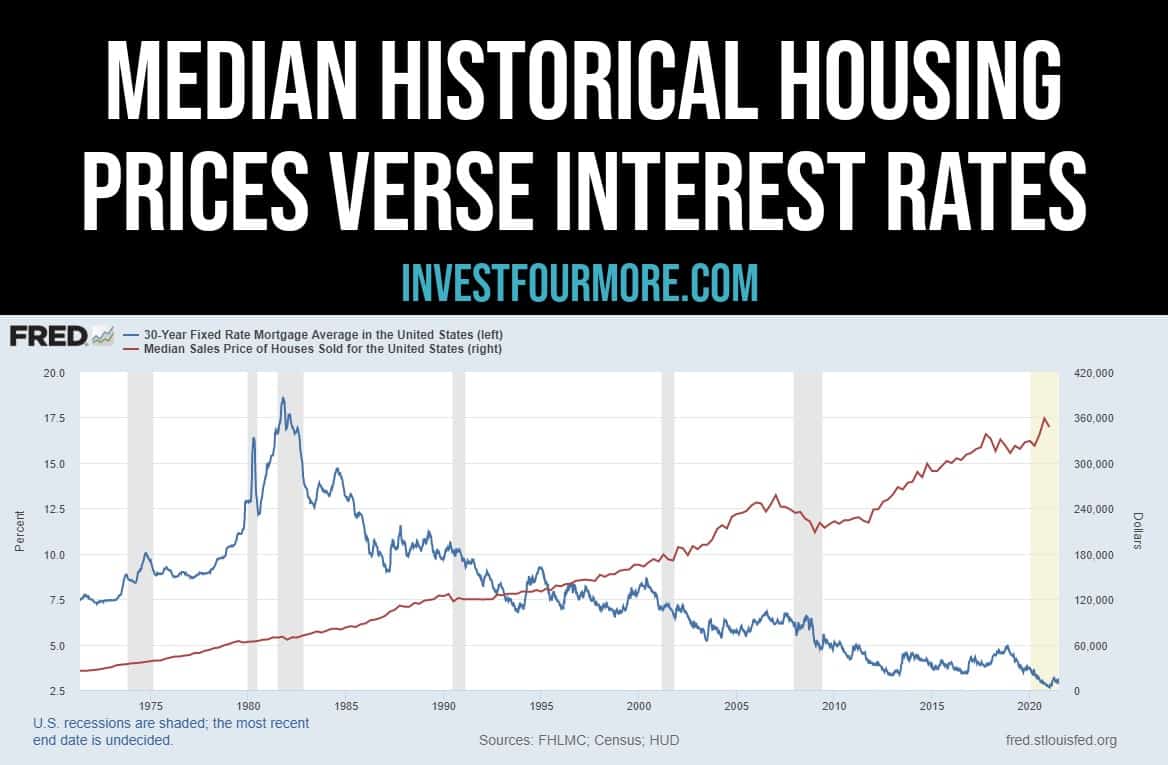
The most immediate and tangible impact of interest rates is on a borrower’s monthly mortgage payment. A higher interest rate, even by a quarter or half a percentage point, can add a substantial amount to the payment, potentially stretching a household’s budget or making homeownership unattainable for some. Conversely, lower rates reduce monthly obligations, freeing up disposable income and making homes more affordable. This direct correlation highlights why rate fluctuations are so closely watched by prospective homebuyers.
Buying Power and Loan Eligibility
Interest rates directly influence a buyer’s purchasing power. A lower rate means that for the same monthly payment, a borrower can afford to take on a larger principal loan amount, effectively allowing them to buy a more expensive home. Conversely, higher rates shrink buying power, forcing buyers to either settle for less expensive properties or delay their purchase until rates become more favorable. Lenders also use debt-to-income ratios in their eligibility criteria, and a higher interest payment directly increases this ratio, potentially disqualifying some borrowers from certain loan amounts.
Refinancing Opportunities
Existing homeowners are also significantly affected by interest rate movements, primarily through the opportunity to refinance. When interest rates fall below a homeowner’s current mortgage rate, refinancing becomes an attractive option. By securing a new loan at a lower rate, homeowners can reduce their monthly payments, shorten their loan term, or convert an adjustable-rate mortgage to a fixed-rate one, potentially saving tens of thousands of dollars over the life of the loan. Conversely, rising rates can make refinancing less appealing unless the goal is to tap into home equity.
Market Dynamics: Supply, Demand, and Home Values
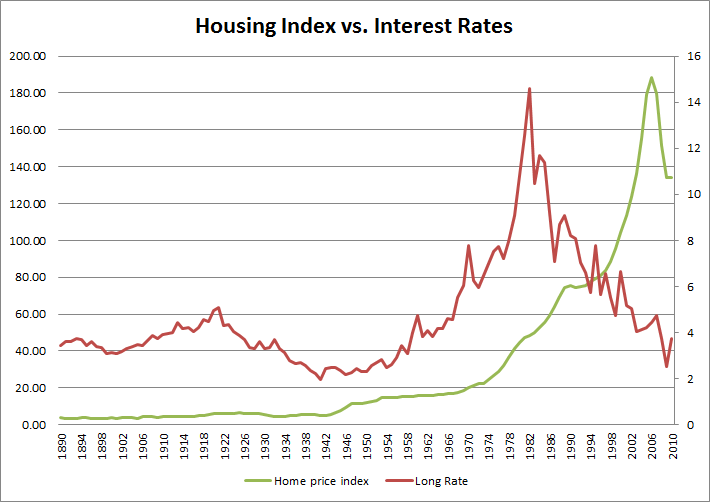
Beyond individual finances, interest rates exert a powerful influence on the broader housing market. Lower rates typically stimulate demand, as more buyers can afford homes, leading to increased competition and potentially driving up home values. This can create a seller’s market. Higher rates, on the other hand, can cool demand, making homes less affordable and potentially leading to a slowdown in sales and a stabilization or even decrease in home values, creating more of a buyer’s market. Interest rates also affect existing homeowners’ willingness to sell, as those with low fixed rates may be reluctant to move and take on a new mortgage at a higher rate.
Navigating the Interest Rate Landscape: Strategies for Homebuyers
Securing the best possible housing interest rate is a strategic endeavor that requires research, preparation, and proactive decision-making. Homebuyers can empower themselves by adopting several key strategies.
Shopping Around for the Best Rates
Just as you would compare prices for a car or a major appliance, it is imperative to shop around for mortgage rates. Different lenders – including traditional banks, credit unions, and online mortgage brokers – have varying cost structures and profit margins, leading to different rate offerings. Obtaining quotes from at least three to five lenders within a short window (typically 14-45 days to minimize impact on your credit score) can reveal significant differences and potentially save you a substantial amount of money over the loan’s term. Don’t just look at the rate; compare the Annual Percentage Rate (APR) to understand the total cost of borrowing, including fees.
Improving Your Financial Profile
Before applying for a mortgage, take steps to strengthen your financial standing. Prioritize improving your credit score by paying bills on time, reducing existing debt, and correcting any errors on your credit report. Save for a larger down payment, as this not only reduces your loan amount but also signals lower risk to lenders, often resulting in a more favorable interest rate. Additionally, work to lower your debt-to-income ratio by paying off high-interest debts. A strong financial profile is your most potent tool for unlocking the most competitive rates.
Understanding Rate Locks
Once you’ve been approved for a mortgage and found a desirable interest rate, a rate lock can be a crucial protection. A rate lock is an agreement between you and the lender that guarantees a specific interest rate for a set period (e.g., 30, 45, or 60 days) while your loan application is being processed. This protects you from rate increases if market rates rise before your loan closes. However, be aware that longer rate locks might come with a small fee, and if rates fall significantly during your lock period, you may not be able to take advantage of the lower rate unless your lender offers a “float-down” option.
Consulting with Financial Professionals
Navigating the complexities of housing interest rates and mortgage products can be overwhelming. Engaging with qualified financial professionals, such as mortgage brokers, lenders, or financial advisors, can provide invaluable guidance. They can help you understand the nuances of different loan products, assess your financial situation, and tailor a strategy to secure the most suitable interest rate for your specific needs and long-term financial goals. Their expertise can illuminate options you might not have considered and help you avoid costly mistakes.
In conclusion, the housing interest rate is far more than a simple percentage; it is a dynamic force that shapes the accessibility and cost of homeownership for millions. By understanding its definition, types, influential factors, and impact, and by employing savvy strategies, prospective and current homeowners can navigate this critical financial landscape with confidence and make choices that align with their personal financial well-being and aspirations for the future.
aViewFromTheCave is a participant in the Amazon Services LLC Associates Program, an affiliate advertising program designed to provide a means for sites to earn advertising fees by advertising and linking to Amazon.com. Amazon, the Amazon logo, AmazonSupply, and the AmazonSupply logo are trademarks of Amazon.com, Inc. or its affiliates. As an Amazon Associate we earn affiliate commissions from qualifying purchases.