
Understanding the landscape of home interest rates is paramount for anyone considering buying a home, refinancing an existing mortgage, or simply monitoring the broader economic indicators. These rates, which dictate the cost of borrowing money for a home, are not static; they fluctuate daily, influenced by a complex interplay of economic forces, central bank policies, and market sentiment. For many, a home represents the largest financial commitment of their lives, making even a small percentage shift in interest rates potentially translate into thousands of dollars over the lifetime of a loan. This article delves into the intricacies of current home interest rates, offering insights into their drivers, their impact on your financial decisions, and strategies for navigating this ever-changing environment.
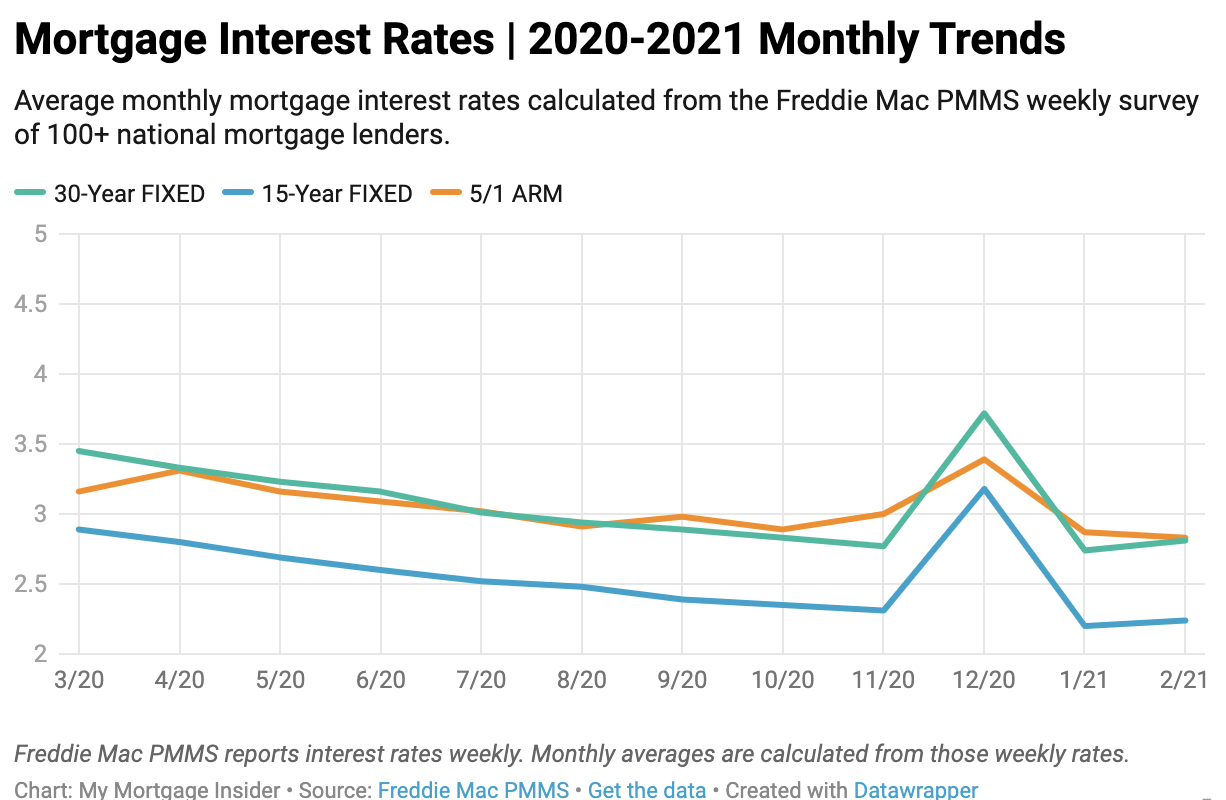
Understanding the Dynamics of Home Interest Rates
Home interest rates are a reflection of the cost of money in the economy. They are influenced by a myriad of factors, some global, some national, and some specific to the individual borrower. Grasping these underlying dynamics is the first step toward making informed decisions in the housing market.
Key Factors Influencing Rates
The primary drivers of mortgage rates are multifaceted. At the macroeconomic level, the actions of the Federal Reserve play a pivotal role. When the Fed raises or lowers the federal funds rate, it impacts the cost of borrowing for banks, which in turn influences the rates they offer to consumers. Beyond the Fed, several other economic indicators exert significant influence:
- Inflation: When inflation rises, the purchasing power of money decreases. Lenders, to protect their returns, typically demand higher interest rates to compensate for this erosion of value. Conversely, low inflation can allow rates to remain stable or even fall.
- Economic Growth: A robust economy often leads to higher interest rates. Strong economic activity can signal higher demand for credit, and if left unchecked, potential inflationary pressures, prompting the Fed to tighten monetary policy.
- Housing Market Demand: While not a direct driver of all interest rates, the demand within the housing market can indirectly influence mortgage rates. High demand coupled with limited supply can push home prices up, potentially leading to more aggressive borrowing and slight upward pressure on rates as lenders assess risk.
- Bond Market Performance: Mortgage rates are closely tied to the yield on the 10-year Treasury bond. When bond yields rise, mortgage rates tend to follow suit, as mortgage-backed securities (MBS) must offer competitive returns to attract investors.
Fixed vs. Adjustable-Rate Mortgages (ARMs)
When seeking a home loan, borrowers typically encounter two main types of mortgages, each with distinct implications for interest rates:
- Fixed-Rate Mortgages: As the name suggests, a fixed-rate mortgage locks in an interest rate for the entire duration of the loan, usually 15 or 30 years. This offers predictability in monthly payments, shielding borrowers from future rate increases. It’s a popular choice for those seeking stability and budgeting certainty.
- Adjustable-Rate Mortgages (ARMs): ARMs typically offer a lower initial interest rate for a set period (e.g., 5/1, 7/1, 10/1 ARM, meaning the rate is fixed for the first 5, 7, or 10 years, respectively). After this introductory period, the rate adjusts periodically (usually annually) based on a specified market index plus a margin. While ARMs can be attractive for their lower initial payments, they introduce interest rate risk, as future payments could increase significantly if rates rise. They are often suitable for borrowers who anticipate selling or refinancing before the fixed-rate period ends, or those who are comfortable with the risk of fluctuating payments.
Navigating the Current Rate Environment
Given the constant flux of interest rates, staying informed and understanding how lenders determine your specific rate are crucial steps for any prospective or current homeowner. The “current” rate is a moving target, and personalized factors play a significant role.
Where to Find Real-Time Rate Information
The internet has made it easier than ever to track current home interest rates. Reliable sources include:
- Financial News Websites: Major financial news outlets (e.g., Bloomberg, Wall Street Journal, Reuters, CNBC) frequently report on average mortgage rates and provide analysis of market trends.
- Mortgage Lender Websites: Almost all mortgage lenders and brokers publish their current rates online. It’s essential to remember that these are often “advertised rates” and might not reflect the exact rate you qualify for without a formal application.
- Dedicated Rate Comparison Sites: Numerous websites specialize in comparing mortgage rates from multiple lenders, allowing you to input your specific financial details to get more personalized quotes. Be cautious and verify information from such sites directly with lenders.
- The Federal Reserve and Freddie Mac/Fannie Mae: These institutions provide historical data and sometimes forecasts, which can offer context for current rates. Freddie Mac, for instance, publishes a weekly survey of mortgage rates that is widely cited.
When comparing rates, always look at the Annual Percentage Rate (APR), which reflects the total cost of the loan, including interest and most fees, giving a more accurate picture than just the interest rate alone.
How Lenders Determine Your Specific Rate
While benchmark rates provide a general idea, the actual interest rate you receive will be tailored to your individual financial profile. Lenders assess several key factors to determine your eligibility and the risk associated with lending to you:
- Credit Score: A strong credit score (typically FICO scores above 740-760) signals to lenders that you are a reliable borrower with a history of managing debt responsibly. Borrowers with excellent credit usually qualify for the lowest rates.
- Debt-to-Income (DTI) Ratio: This ratio compares your total monthly debt payments to your gross monthly income. A lower DTI indicates that you have more disposable income to cover your mortgage payments, making you a less risky borrower. Lenders typically prefer a DTI ratio of 36% or less, though some programs allow for higher.
- Down Payment: A larger down payment reduces the amount you need to borrow, thereby decreasing the lender’s risk. Borrowers who put down 20% or more often avoid Private Mortgage Insurance (PMI) and may qualify for better rates.
- Loan-to-Value (LTV) Ratio: This is the inverse of your down payment. A lower LTV (meaning you’re borrowing less relative to the home’s value) is favorable.
- Loan Type and Term: Different loan products (e.g., FHA, VA, USDA, conventional) and loan terms (15-year vs. 30-year) come with varying rates. Shorter-term loans generally have lower interest rates because the lender’s money is tied up for a shorter period.
- Points: Borrowers can sometimes pay “points” (prepaid interest) at closing to reduce their interest rate. One point equals 1% of the loan amount. Deciding whether to pay points depends on how long you plan to stay in the home and the long-term savings achieved.
Impact of Interest Rates on Homebuyers and Homeowners
Interest rates cast a long shadow over the housing market, profoundly affecting both those looking to buy a new home and those already making mortgage payments. Their movements can either open doors or create significant financial hurdles.
For Prospective Buyers: Affordability and Monthly Payments
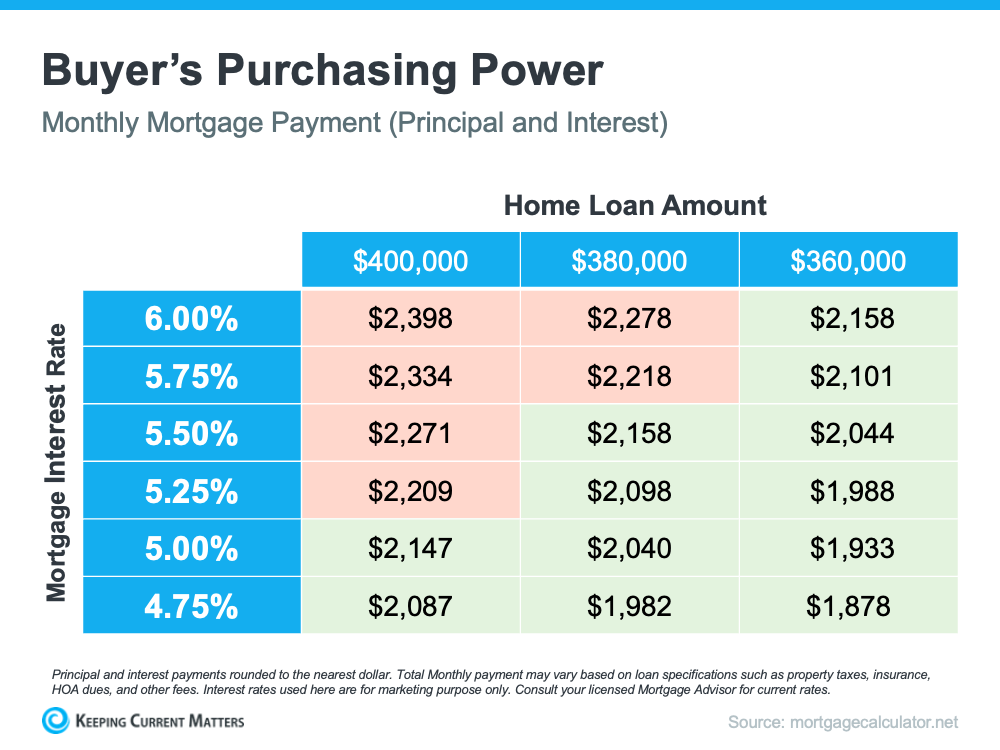
The most immediate and tangible impact of interest rates for homebuyers is on affordability. Even a modest increase in rates can significantly raise monthly mortgage payments, thereby reducing the purchasing power of buyers. For instance, a half-percent increase on a $300,000 mortgage can add tens of dollars to a monthly payment, totaling thousands over the loan’s lifetime. This can mean the difference between qualifying for a desired home or having to adjust expectations, look for less expensive properties, or save for a larger down payment. Higher rates can also cool down a hot housing market by pricing out some buyers, potentially leading to more balanced conditions. Conversely, lower rates stimulate demand, making homeownership more accessible and often driving up competition and home prices.
For Existing Homeowners: Refinancing Opportunities

Existing homeowners are primarily affected by interest rate changes through their refinancing options. When interest rates drop significantly below their current mortgage rate, refinancing becomes an attractive strategy to:
- Reduce Monthly Payments: A lower interest rate can lead to substantial savings on monthly payments, freeing up cash flow.
- Shorten Loan Term: Homeowners can choose to refinance into a shorter-term mortgage (e.g., from a 30-year to a 15-year) at a lower rate, paying off their home faster and saving on total interest, though this usually results in higher monthly payments.
- Tap into Home Equity: A “cash-out” refinance allows homeowners to borrow more than they currently owe on their mortgage, converting home equity into liquid cash, often at a lower interest rate than other forms of borrowing like personal loans or credit cards. This can be used for renovations, debt consolidation, or other large expenses.
- Switch Loan Types: Homeowners might refinance from an ARM to a fixed-rate mortgage to secure payment stability, especially if interest rates are trending upwards.
However, refinancing involves closing costs, so homeowners must carefully weigh the savings from a lower rate against these upfront expenses to determine if refinancing is financially advantageous.
The Broader Economic Ripple Effect
Beyond individual financial implications, changes in home interest rates have a broader ripple effect on the economy. Lower rates can stimulate economic activity by encouraging home sales and construction, which in turn boosts related industries like manufacturing, retail (for home goods), and services. This can lead to job creation and increased consumer spending. Conversely, rising interest rates can slow down the housing market and the broader economy as borrowing becomes more expensive, potentially curbing inflation but also risking a slowdown in growth. This delicate balance is why central banks meticulously manage interest rates as a key tool of monetary policy.
Strategies for Securing the Best Possible Rate
In a competitive and dynamic market, simply accepting the first rate quoted is rarely the best strategy. Proactive steps can significantly impact the interest rate you secure, leading to substantial savings over the life of your loan.
Improving Your Financial Profile
Before even applying for a mortgage, take time to strengthen your financial standing. This includes:
- Boost Your Credit Score: Pay bills on time, reduce credit card balances, avoid opening new lines of credit, and correct any errors on your credit report. A higher credit score directly translates to lower interest rates.
- Reduce Debt-to-Income (DTI) Ratio: Pay down existing debts, especially high-interest ones. This shows lenders you have ample capacity to take on new mortgage payments.
- Increase Your Down Payment: Saving more for a larger down payment not only reduces your loan amount but can also signal greater financial stability, potentially unlocking better rates and avoiding PMI.
- Build Savings/Emergency Fund: Having reserves can make you a more attractive borrower and provide a buffer against unexpected financial challenges.
Shopping Around and Comparing Offers
This is arguably the most critical step. Do not settle for the first quote you receive. Interest rates and fees can vary significantly between lenders.
- Contact Multiple Lenders: Reach out to traditional banks, credit unions, online lenders, and mortgage brokers. Each may offer different rates and loan products.
- Get Pre-Approved: Obtaining a pre-approval from several lenders allows you to compare their specific rate offers and closing costs without committing. This also signals to sellers that you are a serious and qualified buyer.
- Compare APR, Not Just Interest Rate: As mentioned, the Annual Percentage Rate (APR) provides a more comprehensive view of the total cost of the loan, including most fees, making it a better metric for comparison.
- Scrutinize Loan Estimates: Lenders are required to provide a Loan Estimate within three business days of application. This standardized form makes it easier to compare offers side-by-side, detailing interest rates, monthly payments, and all associated costs.
Understanding Rate Locks
Once you find a rate you’re happy with, consider locking it in. A rate lock guarantees that your interest rate will not change between the time you apply for a loan and the closing date, provided you close within a specified period (typically 30 to 60 days).
- When to Lock: If you believe rates are poised to rise, locking in a rate offers protection. If you expect rates to fall, you might consider floating your rate, but this carries risk.
- Lock-in Fees: Some lenders may charge a fee for a rate lock, or for extending a lock if closing is delayed.
- Float-Down Option: A few lenders offer a “float-down” option, allowing you to lock in a rate but still take advantage of a lower rate if market rates drop before closing. This usually comes with an additional cost.
The Future Outlook: What to Expect
Predicting the future of home interest rates is challenging, as they are subject to numerous unpredictable global and domestic influences. However, understanding the general sentiment and preparing for various scenarios can help homeowners and buyers navigate upcoming changes.
Expert Predictions and Market Volatility
Economists and financial institutions constantly analyze market data to forecast interest rate movements. These predictions often hinge on inflation trends, the Federal Reserve’s stance on monetary policy, geopolitical events, and the overall health of the job market. It’s crucial to remember that these are predictions, not guarantees, and can change rapidly. The current environment often features significant volatility, meaning rates can swing up or down quickly in response to new economic data or news. Staying informed through reputable financial news sources is key, but avoid making hasty decisions based solely on short-term forecasts.
Preparing for Rate Fluctuations
Given the inherent uncertainty, a prudent approach involves preparing for both rising and falling rate scenarios:
- For Buyers: If rates are low, locking in a favorable fixed rate offers long-term stability. If rates are high, consider if an ARM with a strong initial fixed period aligns with your short-to-medium-term plans, or if you should delay your purchase. Always factor potential rate increases into your affordability calculations.
- For Homeowners: Regularly review your current mortgage rate against prevailing market rates. If rates drop significantly, be ready to explore refinancing opportunities. Conversely, if you have an ARM and rates are rising, consider refinancing into a fixed-rate mortgage to stabilize your payments.
Ultimately, flexibility and a well-thought-out financial plan are your best tools for managing the impact of changing home interest rates. Consulting with a qualified mortgage professional can also provide personalized advice tailored to your specific situation and financial goals.
Navigating the world of home interest rates requires diligence, foresight, and a solid understanding of economic principles. By staying informed about market dynamics, optimizing your financial profile, and diligently shopping for the best loan terms, you can position yourself to make the most advantageous decisions, whether you’re buying your first home, refinancing, or simply monitoring your financial landscape. The current home interest rates are not just numbers; they are powerful indicators that shape housing affordability and the financial well-being of millions.
aViewFromTheCave is a participant in the Amazon Services LLC Associates Program, an affiliate advertising program designed to provide a means for sites to earn advertising fees by advertising and linking to Amazon.com. Amazon, the Amazon logo, AmazonSupply, and the AmazonSupply logo are trademarks of Amazon.com, Inc. or its affiliates. As an Amazon Associate we earn affiliate commissions from qualifying purchases.