
In an increasingly digitized world, the landscape of audio entertainment is vast and varied, offering consumers a dizzying array of choices from free podcasts and traditional AM/FM radio to a plethora of music streaming services. Amidst this extensive selection, XM Satellite Radio, now largely integrated under the SiriusXM umbrella, has carved out a distinct niche. For many, the allure of commercial-free music, exclusive talk shows, sports, and news is undeniable. However, the perennial question for potential subscribers, and even existing ones, remains: “How much does XM Satellite Radio truly cost?” This inquiry extends beyond a simple monthly fee; it delves into the value proposition, hidden charges, and the broader financial implications of adding another subscription to one’s personal budget.

Understanding the financial commitment to SiriusXM (the unified entity of Sirius and XM) requires a comprehensive look at its subscription tiers, potential additional expenditures, and how its value measures up against other entertainment spending. This article aims to provide a professional, insightful, and engaging financial breakdown, equipping you with the knowledge to make an informed economic decision about premium satellite radio.
Deconstructing the SiriusXM Subscription Model: Tiers and Pricing
The core of understanding SiriusXM’s cost lies in its multi-tiered subscription model, designed to cater to various listening preferences and financial capacities. These plans are regularly updated, but generally follow a structure that differentiates between content access and the method of delivery (in-car vs. streaming).
Core Plans: Navigating Entertainment, Platinum, and Music & Entertainment
SiriusXM typically offers a range of packages, each progressively unlocking more content at a higher price point. The names might vary slightly over time, but their essence remains:
- Music & Entertainment (or “Select”): Often considered the entry-level package for in-car listening, this tier usually includes hundreds of channels featuring ad-free music, sports talk, news, comedy, and exclusive entertainment. It’s a popular choice for those primarily interested in a diverse range of music and basic talk content. The promotional rate for new subscribers can be significantly lower (e.g., $5-$10 per month for a few months), but the standard rate typically settles in the range of $17-$18 per month, excluding taxes and fees.
- Platinum (or “All Access”): This is SiriusXM’s premium offering, encompassing everything in the Music & Entertainment package plus a significant expansion of content. Platinum often includes exclusive access to Howard Stern’s channels, more sports play-by-play, additional talk channels, and, crucially, a streaming-only option that allows listening on mobile devices, smart speakers, and computers. The standard monthly cost for Platinum is usually in the range of $23-$24 per month, before taxes and fees, making it a considerable jump for comprehensive access.
- Streaming Platinum (or “Streaming Only”): Recognizing the shift towards digital consumption, SiriusXM also offers a streaming-only variant of its top-tier package. This option provides access to the full Platinum content lineup without the in-car radio component. Its cost is often slightly lower than the full Platinum package, typically around $10.99-$12.99 per month, making it an attractive choice for those who prefer to listen via mobile devices or smart home systems and don’t require the in-vehicle service.
These prices are the base figures; promotional rates are frequently offered to new subscribers for an initial period, which then revert to these standard rates. Understanding this distinction is crucial for long-term financial planning.
Vehicle vs. Streaming-Only Subscriptions: A Cost-Benefit Analysis
The choice between a vehicle-specific subscription and a streaming-only plan is not just about convenience; it has direct financial implications. A vehicle-specific plan (like Music & Entertainment or the full Platinum package) is tied to the tuner in your car and often includes a streaming component as an add-on or a perk of higher tiers. This offers seamless listening during commutes and road trips.
Conversely, a streaming-only subscription is generally less expensive as it bypasses the need for an in-car tuner activation and maintenance. For individuals who primarily listen at home, at work, or via their smartphone, this can represent significant annual savings. The decision should be based on your primary listening environment and a clear assessment of whether the in-car experience justifies the additional monthly outlay. From a strict personal finance perspective, unnecessary features add to the budget without commensurate utility.
Beyond the Monthly Fee: Unveiling Additional Costs
While the quoted monthly or annual subscription fee forms the bulk of your expenditure, a truly astute financial assessment of SiriusXM involves recognizing the “hidden” or less obvious costs that can accumulate. These can significantly impact the overall financial burden.
Activation Fees and Equipment Considerations
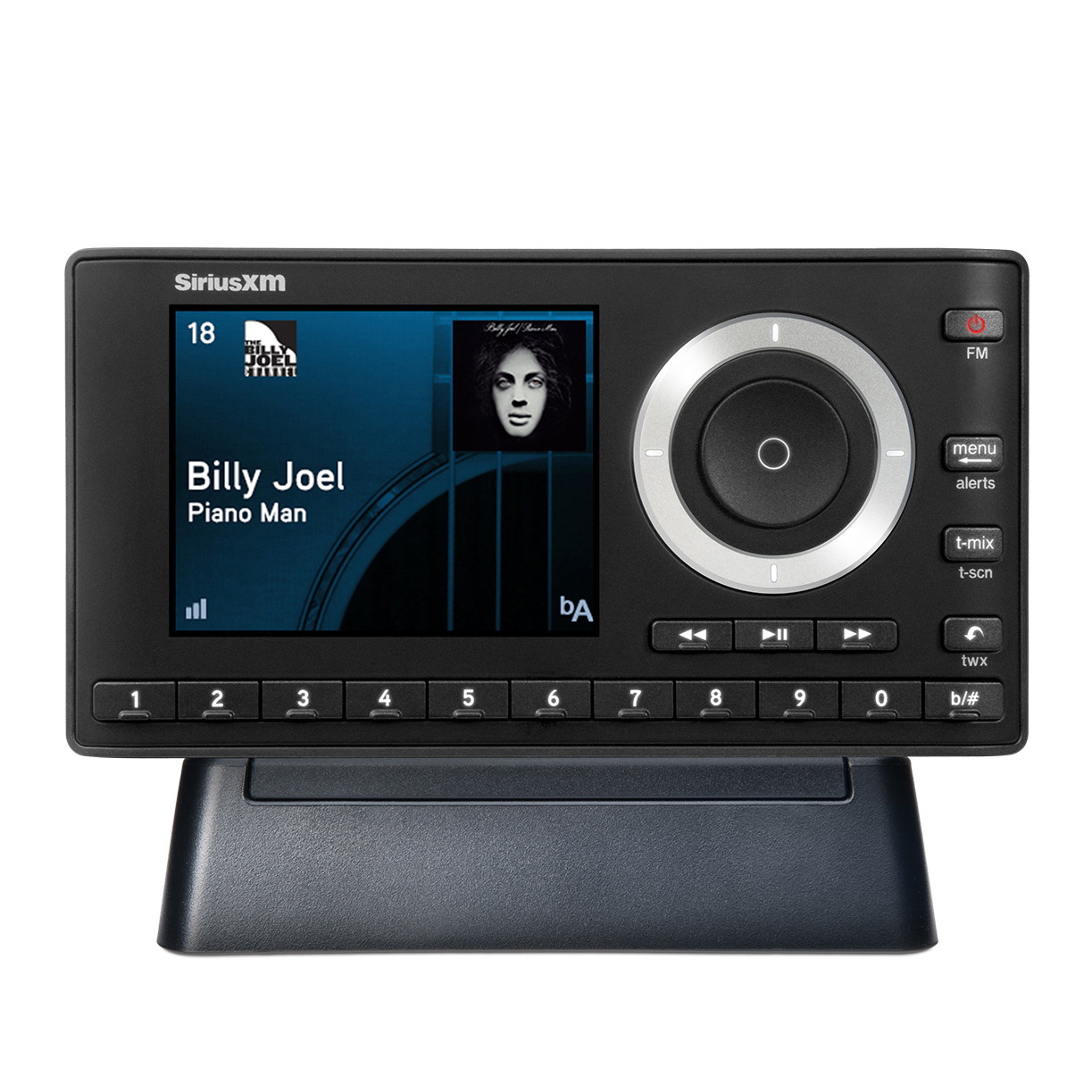
New subscribers might encounter an activation fee, typically a one-time charge ranging from $10 to $15. While seemingly small, it’s an initial outlay to factor into your first bill. Furthermore, if your vehicle isn’t equipped with a SiriusXM-ready tuner, or if you wish to listen in a second car, at home, or on the go without relying solely on a smartphone app, you might need to purchase additional equipment.
- Satellite Radio Tuners: For older vehicles or those without integrated tuners, aftermarket satellite radio kits can cost anywhere from $50 to $200, depending on features and installation complexity.
- Home Kits/Docking Stations: To extend your subscription to home listening without streaming, dedicated home kits or docking stations for portable tuners can range from $30 to $100.
These hardware costs represent a capital expenditure that, while not recurring, must be amortized over your expected period of use to calculate a true per-month financial impact.
Taxes and Royalties: The Fine Print of Your Bill
One often-overlooked aspect of subscription services like SiriusXM is the additional taxes and royalty fees. These are typically not included in the advertised base price and can add several dollars to your monthly bill.
- Sales Tax: Standard sales tax applies based on your state and local jurisdiction.
- U.S. Music Royalty Fee: SiriusXM, like other music services, pays royalties to artists, songwriters, and record labels. A portion of these costs is passed directly to subscribers as a “U.S. Music Royalty Fee.” This fee can fluctuate but generally adds another 10-20% to your base subscription cost. For example, on a $17 monthly plan, this fee might be $2-$3.
Failing to account for these mandatory additions can lead to budget discrepancies and an underestimation of the true financial commitment. Always review the “total” amount on your billing statement, not just the base plan price.
Is SiriusXM Worth the Investment? A Financial Perspective
The question of “worth” is inherently subjective, but from a purely financial standpoint, it boils down to a cost-benefit analysis where the perceived value outweighs the monetary expenditure. This requires comparing SiriusXM’s offerings and costs against its alternatives.
Comparing Costs: SiriusXM vs. Streaming Services vs. Traditional Radio
- Traditional AM/FM Radio: Free. Its primary financial advantage is zero direct cost, though it comes with commercials and limited content choice.
- Music Streaming Services (Spotify Premium, Apple Music, Amazon Music Unlimited): Typically range from $10.99-$15.99 per month for individual plans, with family plans offering better per-user value. These offer vast on-demand libraries and often ad-free experiences, but generally lack the live, curated talk radio and comprehensive sports play-by-play found on SiriusXM.
- Podcast Apps: Mostly free, with some premium subscriptions. Excellent for talk and niche content, but lack music curation and live elements.
When comparing, consider not just the dollar amount, but the utility derived. If you value live sports, specific exclusive talk shows (like Howard Stern), or curated, commercial-free music channels specifically for in-car listening without data usage concerns, SiriusXM might present a unique value proposition that other services don’t fully replicate. However, if your primary need is a vast music library or on-demand podcasts, dedicated streaming or podcast services might offer a more cost-effective solution.
Quantifying Value: Content, Ad-Free Experience, and Portability
The financial value of SiriusXM often lies in its differentiated features:
- Exclusive Content: Access to unique channels, personalities, and live events that cannot be found elsewhere. For dedicated fans, this exclusivity represents significant value.
- Ad-Free Music: The uninterrupted music experience, a luxury in the world of traditional radio, holds substantial financial weight for many who value their listening time.
- Nationwide Coverage: Unlike traditional radio, SiriusXM offers consistent reception across the continental U.S., regardless of local station availability, a major advantage for frequent travelers or those in rural areas. This reliability can be a significant intangible benefit.
- Portability (with Platinum/Streaming plans): The ability to listen in your car, at home, or on the go through the app adds flexibility and increases the usage opportunities, thereby enhancing the per-dollar value.
From a financial lens, if these features significantly enhance your daily life or replace multiple other paid entertainment sources, the investment might be justifiable. Conversely, if you only occasionally use it for background music, the cost-to-value ratio may be less favorable.

Financial Tools for Budgeting Entertainment Expenses
To integrate SiriusXM into your personal finance strategy, consider using budgeting tools. Apps like Mint, YNAB (You Need a Budget), or even simple spreadsheets can help categorize your entertainment spending. Allocate a specific monthly budget for all subscriptions (streaming, gaming, audio), and evaluate if SiriusXM fits comfortably within that allocation. Regularly review this budget to identify areas for optimization, especially when promotional rates expire.
Smart Strategies for Saving Money on Your SiriusXM Subscription
SiriusXM, like many subscription services, often has a degree of flexibility in its pricing, particularly for existing customers. Understanding and utilizing these strategies can lead to substantial annual savings.
Negotiating Your Rate: The Power of Calling Customer Service
This is arguably the most effective money-saving tactic. SiriusXM frequently offers retention deals to customers who call to cancel or inquire about their bill.
- Be Prepared: Know what you are paying and what competitors offer.
- Be Polite, Yet Firm: Explain that the current price is too high for your budget and you are considering cancellation.
- Ask for Better Offers: Specifically inquire about promotional rates for existing customers or a “select” package at a lower price point. Many subscribers report being offered rates significantly below the standard cost, often in the range of $5-$10 per month (plus taxes/fees) for a 6-12 month period.
- Repeat Annually: These discounted rates are typically not permanent. Mark your calendar for a month before your promotional rate expires and call again to negotiate a new deal.
This proactive approach can save hundreds of dollars over several years, transforming a potentially expensive subscription into a more budget-friendly amenity.
Leveraging Discounts and Bundles
SiriusXM occasionally offers discounts for:
- Multi-Vehicle Subscriptions: If you have multiple cars, inquire about reduced rates for additional radios on the same account.
- Military/First Responder Discounts: These are sometimes available and can offer a percentage off your monthly bill.
- Bundles: While less common directly from SiriusXM, some car manufacturers or telecommunications providers might offer promotional bundles that include SiriusXM at a reduced rate.
Always ask about any applicable discounts when you call customer service.
Annual vs. Monthly Billing: A Cost-Benefit Analysis
While monthly billing offers flexibility, SiriusXM often provides a discount for annual prepayment.
- Annual Prepayment: Paying for a full year upfront can result in a lower effective monthly rate, as it reduces administrative costs for SiriusXM and guarantees revenue. If you are confident in your long-term use, this can be a straightforward way to save.
- Monthly Billing: Offers financial flexibility and allows easier cancellation if your circumstances change. However, it typically comes at a slightly higher overall annual cost.
Assess your cash flow and commitment level before opting for annual billing. The savings, while modest monthly, can add up.
Free Trials and Renewal Timing
Many new vehicles come with a free trial of SiriusXM, often for 3-12 months.
- Utilize the Trial Fully: Enjoy the service without commitment.
- Cancel Before Auto-Renewal: If you don’t intend to continue, mark your calendar to call and cancel before the trial period ends to avoid automatic charges. This is also an opportune moment to negotiate for a discounted rate if you wish to continue the service. Don’t wait until the last day; call a week or two prior.
The Evolving Financial Landscape of Digital Audio
The audio entertainment market is dynamic, with new services and pricing models emerging constantly. SiriusXM operates within this competitive environment, influencing its strategies and consumer financial decisions.
Subscription Fatigue and Consumer Spending Habits
Consumers are increasingly facing “subscription fatigue,” grappling with a growing number of monthly charges for various services. This phenomenon makes consumers more critical of each individual subscription’s value proposition. For SiriusXM, this means its financial benefits (ad-free, exclusive content, nationwide coverage) must be demonstrably superior to its cost, especially when compared to a single, cheaper music streaming service or the “free” option of traditional radio. Budget-conscious consumers are constantly evaluating which subscriptions make the cut.
The Future of Premium Audio Pricing
The trend in digital audio suggests a continued diversification of pricing models, including:
- Tiered Access: More granular control over what content you pay for.
- Ad-Supported Tiers: Potentially a lower-cost or free option with commercials, mirroring music streaming services.
- Bundling with Automotive Services: As vehicles become more connected, SiriusXM could be bundled with other in-car data or entertainment packages.
These future trends will continually reshape the financial equation for consumers considering premium audio. Staying informed about these developments will be key to optimizing your entertainment budget.
Conclusion: Making an Informed Financial Decision
“How much is XM Satellite Radio?” is a question with a multi-faceted answer, extending far beyond a simple advertised monthly rate. It encompasses a careful examination of subscription tiers, understanding often-overlooked fees like activation and music royalties, and a critical evaluation of its financial value compared to a host of alternatives.
For those who frequently drive, crave specific exclusive content, or demand an ad-free, nationwide listening experience, SiriusXM can offer a compelling value proposition that justifies its cost. However, for casual listeners or those primarily seeking vast music libraries on demand, cheaper streaming services or free options might be more financially prudent.
Ultimately, by applying astute personal finance principles – dissecting costs, comparing value, negotiating rates, and proactively managing your subscription – you can ensure that your investment in premium audio entertainment aligns perfectly with your budget and your listening preferences. Make an informed financial choice, and enjoy the sounds that matter most to you.
aViewFromTheCave is a participant in the Amazon Services LLC Associates Program, an affiliate advertising program designed to provide a means for sites to earn advertising fees by advertising and linking to Amazon.com. Amazon, the Amazon logo, AmazonSupply, and the AmazonSupply logo are trademarks of Amazon.com, Inc. or its affiliates. As an Amazon Associate we earn affiliate commissions from qualifying purchases.