
In an increasingly competitive audio entertainment landscape, satellite radio, primarily dominated by SiriusXM, presents a unique proposition. For many, it’s a staple of daily commutes and road trips, offering an expansive range of commercial-free music, talk shows, news, and sports. However, a common query for potential and existing subscribers alike revolves around its cost: “How much is satellite radio?” This isn’t a simple question with a single answer. The financial commitment to satellite radio is multifaceted, involving a spectrum of subscription tiers, introductory offers, equipment costs, and potential hidden fees. Understanding these financial components is crucial for making an informed budgeting decision and ensuring you get the most value for your money. This article will delve deep into the financial implications of satellite radio, helping you navigate the pricing maze and determine if it aligns with your personal finance goals.
Unpacking the Core Costs: Subscription Tiers and Their Value
The fundamental financial outlay for satellite radio comes down to its subscription plans. SiriusXM, as the sole major player, offers various packages designed to cater to different listening preferences and budgets. Understanding these tiers is the first step in assessing the overall financial commitment.
Understanding SiriusXM’s Pricing Structure
SiriusXM operates on a tiered subscription model, meaning the more features and channels you desire, the higher your monthly fee. This structure allows for flexibility, but it also necessitates a careful evaluation of what you truly need versus what you might merely want. Their offerings typically fall into a few primary categories, each with escalating costs and benefits. These usually include a basic “Music & Entertainment” package, a more comprehensive “Platinum” package that adds a wealth of sports and talk content, and sometimes a “Streaming” only option for those who don’t need in-car access. The key financial takeaway here is that you’re paying for access to content, and the breadth of that access dictates the price point.
Decoding the Different Subscription Packages
Let’s break down the typical financial contours of SiriusXM’s main packages, though specific channel lineups and pricing can fluctuate:
- SiriusXM Music & Entertainment (or similar entry-level): This package typically forms the most affordable entry point. It focuses primarily on commercial-free music channels, some news, and comedy. From a financial perspective, this is designed for budget-conscious listeners who prioritize music variety over talk or sports. The monthly cost often hovers around $10-$13, offering a substantial library without breaking the bank.
- SiriusXM Platinum (or similar premium-level): This is the flagship offering, providing access to virtually all of SiriusXM’s content. This includes an extensive array of sports, exclusive talk shows, more news channels, and the full music catalog. Financially, this represents a significant step up, with monthly fees typically ranging from $20-$25. Subscribers opting for this tier are making a financial decision to pay a premium for comprehensive access, often valuing specific sports broadcasts (NFL, NBA, MLB, etc.), exclusive Howard Stern content, or a wider variety of specialized talk radio.
- Streaming Platinum (or similar streaming-only): For those who primarily listen on their phones, smart speakers, or computers, SiriusXM often offers a streaming-only option. This can sometimes be slightly cheaper than the in-car equivalent, as it bypasses the need for satellite hardware. Its cost usually sits in a similar range to the Music & Entertainment package, making it a financially attractive option for non-drivers or those who prefer multi-device access.
It’s crucial to scrutinize what each package offers versus its price. A common financial pitfall is overpaying for channels you never listen to. A detailed assessment of your listening habits against the channel lineup is a vital step in optimizing your satellite radio expenditure.
Introductory Offers vs. Standard Rates
One of the most significant financial considerations for new satellite radio subscribers is the common practice of introductory offers. SiriusXM frequently entices new customers with deeply discounted rates for the first few months or even a year. These “teaser rates” can be as low as $5 per month or even a few months free. While financially appealing in the short term, it’s imperative to understand that these are temporary. After the promotional period ends, your subscription will automatically renew at the much higher standard rate, which, as discussed, can be two to five times the introductory price.
For astute financial planning, never base your long-term budget on the introductory offer. Always factor in the standard renewal price when deciding if satellite radio is a sustainable expense for your personal finances. Many consumers experience “bill shock” when the promotional period expires, highlighting the importance of reading the fine print and budgeting for the actual long-term cost.
Beyond the Monthly Fee: Hidden and Ancillary Expenses
The subscription fee is just one piece of the financial puzzle. Satellite radio, like many services, can come with additional costs that, if overlooked, can add up significantly and impact your overall budget.
Equipment and Activation Costs
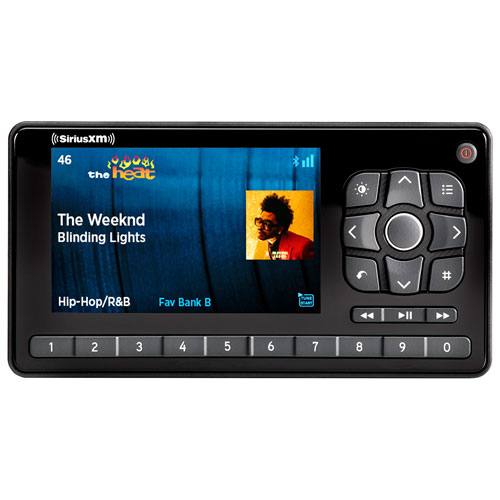
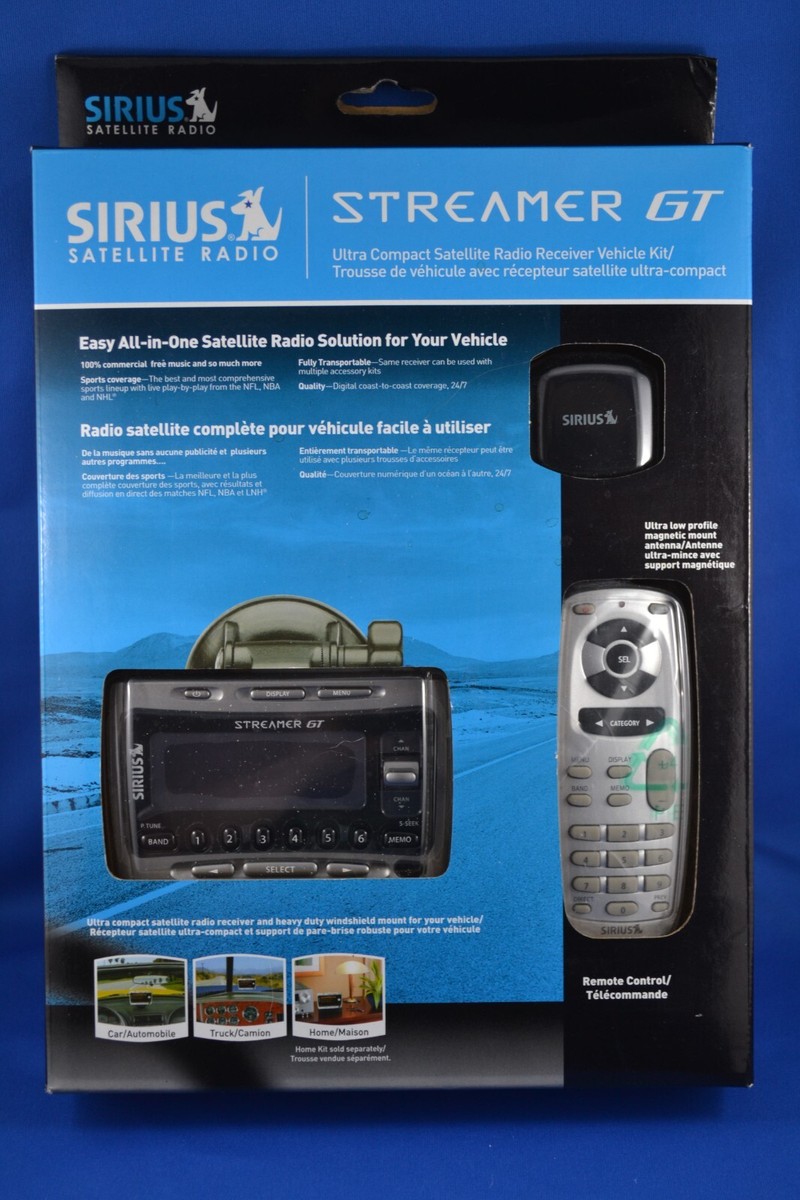
For in-car satellite radio, a compatible receiver is necessary. Many newer cars come with factory-installed SiriusXM radios, often bundled with a free trial. However, if your vehicle doesn’t have one, or if you wish to add satellite radio to an older car or for home use, you’ll need to purchase a receiver.
- Standalone Receivers: These can range in price from $50 to over $200, depending on the features and brand. This is an upfront capital expenditure that needs to be factored into your initial cost assessment. While a one-time cost, it’s a significant barrier to entry for some budgets.
- Installation: If you’re not comfortable installing the receiver yourself, professional installation can add another $50 to $100 to the total cost.
- Activation Fee: SiriusXM typically charges an activation fee for new subscriptions, which can be around $15-$20. While seemingly minor, this is an additional upfront cost that contributes to your initial financial outlay. Occasionally, promotions waive this fee, but it’s important to confirm.
These non-subscription costs can significantly inflate the first year’s expense, especially if you’re buying new equipment. Savvy consumers often look for bundled deals that include a receiver or seek out promotions that waive activation fees to mitigate these initial financial burdens.
Taxes, Fees, and Other Regulatory Charges
Like most telecommunication services, satellite radio subscriptions are subject to various taxes and regulatory fees. These aren’t included in the advertised monthly subscription price and are added on top of your bill.
- Sales Tax: Depending on your state or locality, sales tax will be applied to your monthly subscription fee, typically adding a few extra dollars to your bill.
- Music Royalty Fees/Regulatory Fees: SiriusXM, like other content providers, incurs costs for music royalties and various regulatory compliance. They often pass a portion of these costs directly to the consumer in the form of a “Music Royalty Fee” or similar regulatory surcharge. This fee is non-negotiable and typically adds another $2-$5 to your monthly bill.
While these individual charges may seem small, they consistently push the “advertised” price higher, sometimes by 10-20%. When budgeting for satellite radio, always assume your final bill will be slightly higher than the stated subscription price due to these mandatory additions.
Exploring In-Car vs. Standalone Device Costs
The ecosystem of satellite radio extends beyond the car. You can listen via dedicated portable receivers, home kits, or through the SiriusXM app on various devices. Each option has different financial implications.
- In-Car (Factory-Installed): The most cost-effective in terms of equipment, as the radio is already there. You only pay for the subscription and related fees.
- Aftermarket Car Radio: Requires purchasing a compatible head unit (often $100-$300) and possibly installation.
- Portable Receivers: These compact devices allow you to take your satellite radio experience with you. They usually cost between $50-$150. Some come with car kits, home kits, or both, but these accessories can also be purchased separately, adding to the expense.
- Home Kits: If you want to listen at home, you might need a home docking station and antenna, which can cost $30-$70.
- App-Based Streaming: This is often the most financially flexible option. If you have an existing smartphone, tablet, or smart speaker, there are no additional hardware costs. You only pay the streaming subscription fee, which can sometimes be a dedicated “streaming only” package at a lower price point.
When considering satellite radio, evaluate where you’ll be listening most. If it’s exclusively on a phone, a streaming-only plan is the most financially prudent choice. If it’s primarily in a car without a built-in receiver, factor in the receiver and installation costs from the outset.
Is Satellite Radio a Sound Financial Investment for You?
Determining if satellite radio is “worth it” from a financial perspective involves a personal cost-benefit analysis. It’s not just about the absolute dollar amount, but the perceived value relative to your personal spending habits and available alternatives.
Weighing the Cost Against Content Value and Alternatives
The core of this financial assessment lies in the content. Do the unique channels, commercial-free experience, and exclusive programming offered by SiriusXM justify the monthly expense?
- Unique Content: If you’re a die-hard fan of a specific sport (e.g., every NFL game), a particular talk show host (e.g., Howard Stern), or a niche music genre with limited terrestrial radio presence, the value proposition increases significantly. For these individuals, the financial outlay is often seen as an investment in highly specific entertainment.
- Commercial-Free Experience: The absence of commercials is a major draw for many, enhancing the listening experience. Monetarily, this “time saved” from ads can be difficult to quantify, but for those who value uninterrupted content, it adds psychological value that might justify the cost.
- Alternatives: Consider free alternatives like terrestrial radio, podcasts, and ad-supported streaming services (e.g., Spotify Free, Pandora Free). Also, consider paid alternatives like ad-free streaming music (Spotify Premium, Apple Music, YouTube Music) which typically cost $10-$12 per month and offer vast on-demand libraries. If your primary need is just music, a dedicated music streaming service might offer more flexibility and a better financial deal than a full SiriusXM package. If you primarily want news and talk, podcasts are often free.

The financial decision hinges on whether SiriusXM provides a unique benefit that cannot be replicated by cheaper or free alternatives. For the casual listener, the financial investment might be harder to justify.
Analyzing the Long-Term Financial Commitment
Unlike a one-time purchase, satellite radio is a recurring expense. Over a year, even a basic subscription can cost over $100 (plus fees and taxes), and a premium package can easily exceed $300 annually. Over five years, these costs accumulate significantly. Before committing, consider this long-term impact on your budget.
- Budgeting for Recurring Costs: Can your monthly or annual budget comfortably absorb this expense without sacrificing other financial goals?
- Inflation and Price Increases: Subscription services are prone to price increases over time. While not always dramatic, these incremental increases can add up. Factor in potential future price adjustments when assessing long-term affordability.
- Opportunity Cost: Every dollar spent on satellite radio is a dollar not spent elsewhere. What else could that money be used for? Savings, investments, another subscription service, or leisure activities? This is a core tenet of personal finance.
A robust financial plan considers not just today’s cost, but the cumulative expense and its impact on your financial future.
Cost-Benefit Analysis: When Does Satellite Radio Make Sense?
Satellite radio often makes the most financial sense for specific user profiles:
- Frequent Drivers/Commuters: People who spend a significant amount of time in their car, especially traveling through areas with poor terrestrial radio reception, find immense value in satellite radio’s consistent signal and diverse content. The cost per hour of entertainment becomes very reasonable for heavy users.
- Niche Content Enthusiasts: As mentioned, if there’s specific content on SiriusXM that is a “must-have” and unavailable elsewhere (or not conveniently available), the financial justification is strong.
- Road Trippers: For long journeys, the variety and commercial-free nature can be invaluable, making the monthly or annual fee a worthwhile expense for enhanced travel enjoyment.
- Those Who Value Simplicity: Some prefer the curated, channel-based listening experience over the complexity of managing personal music libraries or on-demand streaming. For them, the financial premium is for convenience and curation.
Conversely, for someone who drives infrequently, has excellent local radio options, or primarily listens to music via streaming apps, the financial outlay for satellite radio might not yield sufficient value.
Strategies for Optimizing Your Satellite Radio Spending
Even if you decide satellite radio is a worthwhile financial investment, there are smart strategies to minimize its impact on your budget and ensure you’re getting the best possible deal.
Leveraging Promotions and Deals for Maximum Savings
As noted, introductory offers are prevalent. But the savings don’t stop there.
- New Car Trials: Many new vehicles come with a free trial, often for 3-6 months. Take advantage of this trial period to thoroughly evaluate if you truly use the service enough to justify a paid subscription.
- Renewal Offers: When your introductory period ends, or when you receive a renewal notice at the standard rate, do not automatically renew. SiriusXM is known for offering retention deals to customers who call to cancel. These offers can be significantly lower than the standard rate, sometimes matching or even beating introductory prices for another 6-12 months. This is a key financial negotiation tactic.
- Bundles: Occasionally, SiriusXM might offer bundles with other services or discounted rates if you subscribe for longer periods (e.g., annual vs. monthly payments).
- Holiday Sales/Special Promotions: Keep an eye out for special promotions around holidays or major sales events.
Actively seeking out and utilizing these promotions can save hundreds of dollars over the lifetime of your subscription.
The Art of Negotiation: Securing Better Rates
This is perhaps the most powerful financial tool in a satellite radio subscriber’s arsenal. When your current promotion is about to expire or you receive a bill for the standard rate:
- Call to Cancel: The most effective strategy is to call SiriusXM’s customer retention department and express your intention to cancel due to the high cost.
- Be Prepared: Have a clear idea of what you’re willing to pay. Research current introductory offers to use as leverage.
- Be Polite but Firm: Explain that while you enjoy the service, the standard rate is simply too expensive for your budget. Often, they will immediately offer a reduced rate (e.g., $5-$8/month for 6-12 months).
- Don’t Settle Too Quickly: If the first offer isn’t satisfactory, politely ask if they can do better. Sometimes, saying you need to think about it or that you might consider alternatives will prompt a better offer.
- Document the Deal: Note down the terms of the offer, including the new monthly price, the duration, and any applicable fees.
This negotiation process can feel like a chore, but for a 10-15 minute phone call, you could save $100-$200 annually, a significant return on your time investment from a personal finance perspective.
Considering Alternatives: Free Streaming vs. Paid Subscriptions
Before committing or recommitting to satellite radio, always re-evaluate your alternatives.
- Free Streaming Radio (Pandora, Spotify Free, iHeartRadio): These offer vast music libraries and genre stations for free, supported by ads. For casual music listening, they can be a zero-cost alternative.
- Podcasts: For talk and news, podcasts offer an immense and largely free library of content, often on-demand.
- Paid On-Demand Streaming (Spotify Premium, Apple Music, YouTube Music): These services typically cost $10-$12/month and provide commercial-free, on-demand access to millions of songs. If music is your primary focus, these often offer better value and more control over your listening experience.
- HD Radio/Digital Terrestrial Radio: Some local stations broadcast in HD, offering improved sound quality and often additional sub-channels for free.
By periodically assessing these alternatives, you can ensure that your financial commitment to satellite radio remains the most cost-effective solution for your specific audio entertainment needs.
The Evolving Financial Landscape of Satellite Radio
The audio entertainment market is dynamic, and satellite radio’s financial model is not immune to these changes. Understanding future trends can help you make long-term financial projections.
Future Pricing Trends and Market Dynamics
As competition from streaming services intensifies, SiriusXM faces pressure to retain subscribers. This could lead to a few financial scenarios:
- Continued Promotional Models: Expect the use of aggressive introductory and retention offers to persist as a core strategy to attract and keep customers.
- Diversified Tiers: SiriusXM might introduce more granular subscription tiers, potentially offering even more specialized packages at varying price points to capture different market segments. This could allow consumers more flexibility in spending.
- Bundling with Other Services: Partnerships with car manufacturers, mobile carriers, or other entertainment providers could lead to bundled deals, offering combined savings for consumers.
- Focus on Exclusivity: To justify its price point, SiriusXM will likely continue to invest heavily in exclusive content (sports, specific personalities) that cannot be found elsewhere, reinforcing its unique value proposition.
Impact of New Technologies on Subscription Models
The rise of connected cars, 5G networks, and advanced in-car infotainment systems could subtly shift the financial considerations. As more vehicles offer seamless integration with streaming apps, the unique selling proposition of satellite radio’s signal reliability might diminish in urban areas. This could compel SiriusXM to adjust its pricing or enhance its streaming component to compete more effectively. From a consumer finance perspective, this means having more choices and potentially greater leverage when negotiating pricing.
Making an Informed Financial Decision
Ultimately, the question of “how much is satellite radio” is answered not just by looking at a price tag, but by conducting a thorough personal financial assessment. It requires understanding the various cost components – from subscription tiers and equipment fees to taxes and potential negotiations – and weighing these against your individual listening habits, perceived value, and the availability of alternatives. By taking a proactive and informed approach to budgeting and negotiation, you can ensure that your investment in satellite radio aligns perfectly with your personal finance goals, providing entertainment without undue financial strain.
aViewFromTheCave is a participant in the Amazon Services LLC Associates Program, an affiliate advertising program designed to provide a means for sites to earn advertising fees by advertising and linking to Amazon.com. Amazon, the Amazon logo, AmazonSupply, and the AmazonSupply logo are trademarks of Amazon.com, Inc. or its affiliates. As an Amazon Associate we earn affiliate commissions from qualifying purchases.