
In an era defined by economic volatility and the omnipresent digital landscape, tangible assets like silver coins are increasingly catching the attention of both seasoned investors and newcomers. Silver, often dubbed “poor man’s gold,” offers a unique blend of industrial utility and monetary history, making it a compelling component for a diversified financial portfolio. However, for those new to the world of precious metals, the sheer volume of options and the nuances of the market can be daunting. This comprehensive guide aims to demystify the process, providing a professional, insightful, and engaging roadmap for individuals looking to confidently purchase silver coins. From understanding the intrinsic value of silver to navigating reputable dealers and crucial financial considerations, we will explore everything you need to know to make informed investment decisions.
Why Investing in Silver Coins Makes Financial Sense
Before delving into the “where,” it’s crucial to understand the “why.” Silver has a long-standing history as a store of value and a medium of exchange, and its modern appeal is multifaceted, offering several compelling financial benefits.
Hedge Against Inflation and Economic Uncertainty
One of silver’s primary draws is its role as a hedge against inflation. When fiat currencies lose purchasing power due to inflationary pressures, hard assets like silver tend to retain or even increase in value. In times of economic instability, geopolitical tensions, or market downturns, investors often flock to safe-haven assets, and silver, alongside gold, typically sees increased demand. This counter-cyclical nature can provide a crucial layer of protection for an investment portfolio. Holding physical silver coins means possessing a tangible asset that cannot be devalued by government printing presses or abstract digital fluctuations.
Tangible Asset with Intrinsic Value
Unlike stocks, bonds, or digital currencies, silver coins are physical assets that you can hold in your hand. This tangibility offers a psychological comfort and a fundamental layer of security. Silver’s value is not solely speculative; it is driven by its extensive industrial applications in electronics, solar panels, medical devices, and automotive manufacturing, coupled with its role in jewelry and investment. This intrinsic demand provides a floor to its value, making it less susceptible to complete collapse than assets purely based on sentiment or trust in a third party. The demand from industrial sectors ensures a baseline level of consumption, independent of investment sentiment.
Portfolio Diversification and Growth Potential
Including silver in an investment portfolio can significantly enhance diversification. Precious metals often move independently of traditional financial assets like stocks and bonds, meaning they can help reduce overall portfolio volatility. When one asset class underperforms, silver might be performing well, thus balancing out returns. Furthermore, as global industrialization continues and new technologies emerge, the demand for silver is projected to grow. This increasing demand, coupled with finite supply, positions silver for potential long-term capital appreciation, offering investors a dual benefit of stability and growth potential.
Accessibility and Liquidity
Compared to some other precious metals, silver is relatively affordable per ounce, making it accessible to a broader range of investors, from those just starting out to those with significant capital. This lower entry barrier allows for gradual accumulation and diversification. Moreover, silver coins are highly liquid assets. They can be readily bought and sold globally through various channels, ensuring that investors can convert their holdings into cash relatively quickly should the need arise arise. The widespread recognition of standard bullion coins further enhances their marketability.
Understanding Different Types of Silver Coins
Navigating the market for silver coins requires an understanding of the various types available, as each carries different implications for pricing, collectibility, and investment strategy.
Bullion Coins: The Investor’s Choice
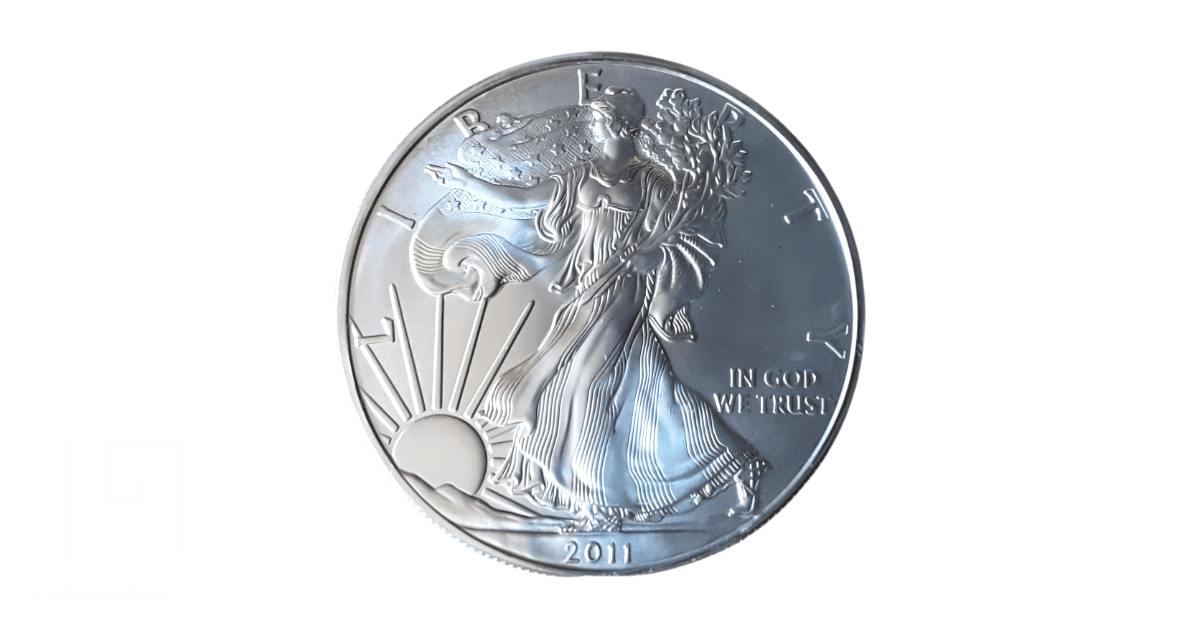
Bullion coins are minted by government Mints and are primarily valued for their silver content, which is typically very high (e.g., .999 or .9999 fine silver). Their value is closely tied to the fluctuating spot price of silver. Examples include the American Silver Eagle, Canadian Silver Maple Leaf, Austrian Philharmonic, British Britannia, and Australian Kangaroo. These coins are popular among investors due to their universally recognized purity, consistent weight, and often lower premiums over the spot price compared to numismatic coins. They are easy to buy and sell, making them excellent choices for long-term wealth preservation and investment.
Numismatic Coins: The Collector’s Premium
Numismatic coins, also known as collectible coins, derive a significant portion of their value from their rarity, historical significance, condition, and aesthetic appeal, rather than solely their precious metal content. While they contain silver, their market price often far exceeds the intrinsic value of the silver itself due to collector demand. Examples include rare date U.S. Barber Quarters, Mercury Dimes, or pre-1933 silver dollars. While some numismatic coins can appreciate significantly, they come with higher premiums, require specialized knowledge for authentication and grading, and can be less liquid than bullion coins. They are generally recommended for experienced collectors rather than pure investors focused on silver’s commodity price.
Rounds and Bars: Alternative Silver Investments
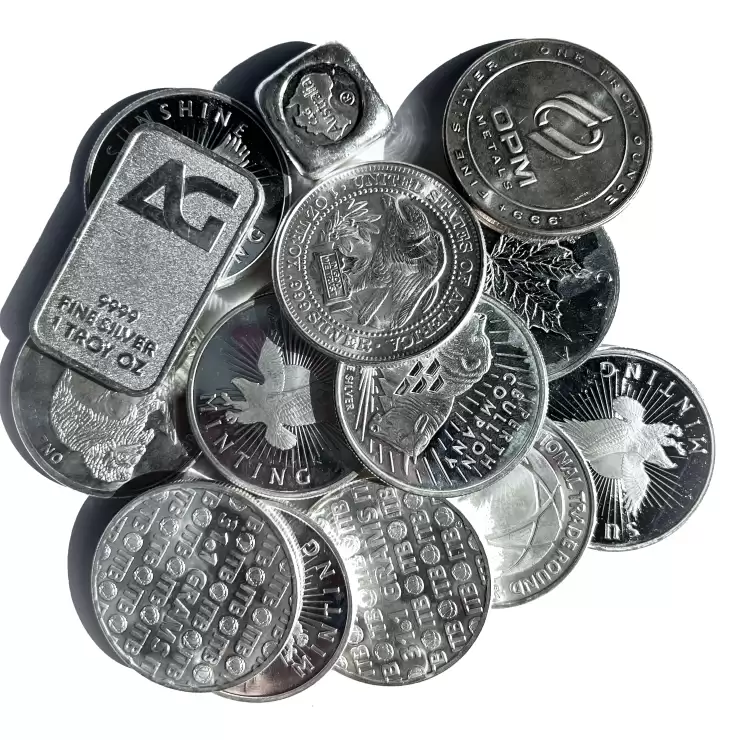
While the focus here is on coins, it’s worth briefly mentioning silver rounds and bars as alternative forms of physical silver. Silver rounds are privately minted, coin-like pieces that typically mimic the size and weight of government-issued coins but lack legal tender status. Silver bars come in various sizes (e.g., 1 oz, 10 oz, 100 oz, 1000 oz) and are often the most cost-effective way to acquire large quantities of silver due to their lower premiums per ounce. Both rounds and bars are valued solely for their silver content and are excellent options for investors prioritizing the lowest possible premium over the spot price, though they might not be as universally recognized or liquid as government-issued bullion coins.
Reputable Online Dealers: The Digital Marketplace
The internet has revolutionized the way precious metals are bought and sold, offering unparalleled convenience, selection, and often competitive pricing. Purchasing silver coins online from reputable dealers has become a preferred method for many investors.
Advantages of Online Purchasing
Online dealers typically offer a broader selection of silver coins than local shops, often at more competitive prices due to lower overheads and higher sales volumes. Price comparisons across multiple dealers are easily facilitated, ensuring you can find the best deals. The convenience of buying from home, with secure payment and insured shipping directly to your doorstep, makes online purchasing a highly attractive option. Reputable online dealers also often provide detailed product descriptions, high-resolution images, and transparent pricing structures, empowering buyers with comprehensive information.

Identifying Key Online Retailers
When selecting an online dealer, reputation, longevity, and customer reviews are paramount. Look for established companies with a long track record of reliable service, secure transactions, and positive feedback from the investment community. Key characteristics of a trustworthy dealer include transparent pricing, a clear return policy, insured shipping methods, and robust customer support. Be wary of sites with prices that seem too good to be true, as they often are. Prioritize dealers that specialize exclusively in precious metals rather than general e-commerce sites.
Security and Shipping Considerations
One of the primary concerns for online buyers is the security of their purchase. Reputable online dealers employ robust security measures for payment processing and ensure all shipments are fully insured against loss or damage during transit. Look for discreet packaging that doesn’t advertise the contents, adding an extra layer of security. Always verify the dealer’s shipping and insurance policies before making a purchase. Upon receiving your order, it’s advisable to inspect the package for any signs of tampering before accepting delivery, and to document the unboxing process if possible.
Local Options for Acquiring Silver Coins
While online purchasing offers convenience, local options provide unique advantages, particularly for those who prefer face-to-face transactions or immediate possession of their silver coins.
Local Coin Shops (LCS)
Local Coin Shops (LCS) are traditional brick-and-mortar establishments specializing in buying and selling coins and often other precious metals. The main advantage of an LCS is the ability to physically inspect the coins before purchase, ensuring their authenticity and condition. You can also develop a personal relationship with the dealer, which can be invaluable for advice, market insights, and potential future deals. For smaller purchases, LCSs can offer immediate transactions without shipping delays or costs. However, their inventory might be limited, and prices could be slightly higher than online due to higher operating costs.
Precious Metals Dealers
Beyond general coin shops, many cities have dedicated precious metals dealers who focus exclusively on bullion products. These establishments typically have a wider selection of silver bars and popular bullion coins and often offer competitive pricing for larger transactions. They operate similarly to LCSs but with a more specialized focus on investment-grade metals. It’s crucial to research their reputation, check their business license, and compare their buy/sell spreads (the difference between their buying and selling prices) with other local and online options.
Coin Shows and Expos
Coin shows and expos are excellent venues for both seasoned collectors and new investors. These events bring together numerous dealers under one roof, offering a vast array of silver coins, often at competitive prices. You can compare offerings from multiple vendors, negotiate prices, and find unique pieces that might not be available elsewhere. Coin shows also provide opportunities to learn from experts, network with other enthusiasts, and gain a deeper understanding of the market. However, it’s essential to attend with a clear budget and knowledge of current spot prices to avoid impulse purchases.
Essential Considerations Before Making a Purchase
Investing in silver coins requires careful planning and an understanding of key market dynamics to ensure a secure and profitable venture.
Spot Price vs. Premium: Understanding Your Costs
The “spot price” is the current market price for one ounce of silver for immediate delivery. However, when you purchase physical silver coins, you will always pay a “premium” above the spot price. This premium covers the costs of minting, distribution, dealer overheads, and profit margins. Premiums vary based on the type of coin (bullion vs. numismatic), its rarity, the dealer, and market demand. Understanding the difference and calculating the effective price per ounce is crucial for making cost-effective purchases. Aim for reputable dealers with reasonable premiums, especially for bullion coins where the goal is to acquire as much silver as possible for your investment.
Authenticity and Counterfeits: Due Diligence
The market for precious metals, unfortunately, attracts counterfeiters. Protecting your investment requires vigilance and knowledge. Purchase only from highly reputable dealers, whether online or local, who guarantee the authenticity of their products. Familiarize yourself with the characteristics of genuine silver coins, such as weight, diameter, thickness, and specific design details. Simple tests like the magnet test (silver is not magnetic) or the “ping” test (silver produces a distinct ring when gently struck) can offer preliminary checks. For significant investments, consider using a specialized precious metals verifier or having coins professionally authenticated.
Storage Solutions: Protecting Your Investment
Once purchased, proper storage of your silver coins is paramount to protect their value and ensure their security. Options include:
- Home Safe: Suitable for smaller quantities, but requires a robust, fire-resistant safe and adequate home insurance coverage.
- Bank Safe Deposit Box: Offers high security against theft and fire, but can be inconvenient for frequent access and may not be insured by the bank for specific contents.
- Third-Party Vault Storage: Specialized precious metals depositories offer secure, insured storage in professional vaults. This option is popular for larger holdings and can facilitate selling without physical transfer. Always choose a highly reputable and audited storage provider. Avoid burying your silver or leaving it in unsecured locations, as this exposes it to significant risks.
Taxes and Reporting: Navigating Financial Regulations
The purchase and sale of silver coins may have tax implications that vary by jurisdiction. In some regions, sales tax might apply to purchases, while in others, there are exemptions for investment-grade bullion. When selling, any profits realized might be subject to capital gains tax. Additionally, certain transactions, particularly those involving larger quantities of precious metals, might require reporting to government authorities (e.g., IRS Form 1099-B in the U.S. for certain sales). It is crucial to consult with a qualified tax advisor to understand your specific obligations and plan accordingly. Proactive tax planning can help optimize your investment returns and ensure compliance with financial regulations.
Liquidity and Selling Strategy
While purchasing is the initial step, having a clear selling strategy is equally important. Silver coins are generally liquid, but the ease and speed of selling can depend on the type of coin, market conditions, and the chosen selling channel. Bullion coins are typically easier to sell back to dealers, both online and local, often at a slight discount to the spot price. Numismatic coins may require more effort to find a buyer willing to pay their premium value. Understand the buy-back policies of your dealers and be prepared for potential bid/ask spreads. Planning your exit strategy ensures you can realize your gains efficiently when the time is right.
In conclusion, purchasing silver coins can be a wise financial decision, offering a tangible asset, inflation hedge, and portfolio diversification. By understanding the types of silver available, discerning between reputable online and local dealers, and carefully considering the associated financial and logistical aspects, investors can confidently navigate the market and build a robust silver portfolio. With meticulous research and a clear strategy, your journey into precious metals investing can be both secure and rewarding.
aViewFromTheCave is a participant in the Amazon Services LLC Associates Program, an affiliate advertising program designed to provide a means for sites to earn advertising fees by advertising and linking to Amazon.com. Amazon, the Amazon logo, AmazonSupply, and the AmazonSupply logo are trademarks of Amazon.com, Inc. or its affiliates. As an Amazon Associate we earn affiliate commissions from qualifying purchases.