
In the ever-evolving landscape of fashion, few garments hold the iconic status and enduring appeal of a good pair of jeans. They are a staple, a workhorse, and often, a statement piece. Yet, the quest for “good jeans” isn’t merely about style or fit; it’s a significant financial consideration. For the discerning consumer, “where to get good jeans” transforms into a question of value, durability, cost-effectiveness, and smart financial planning. This article delves into the monetary aspects of acquiring quality denim, guiding you through strategies to optimize your investment, whether you’re a minimalist seeking a single perfect pair or a denim enthusiast building a versatile collection. We’ll explore how to make financially astute decisions, ensuring your denim purchases not only look good but also provide long-term economic benefits.

The Financial Calculus of Quality Denim
The allure of a cheap pair of jeans can be strong, but savvy shoppers understand that the initial price tag rarely tells the whole story. “Good jeans,” from a financial perspective, are those that offer superior longevity, retain their aesthetic appeal over time, and minimize the need for frequent replacement. This involves a careful financial calculus that extends beyond the immediate purchase price.
Understanding Cost-Per-Wear (CPW)
One of the most powerful financial metrics for evaluating clothing purchases is Cost-Per-Wear (CPW). This simple calculation—dividing the item’s purchase price by the number of times you expect to wear it—reveals the true economic impact of your denim. A $20 pair of jeans worn five times before falling apart has a CPW of $4. In contrast, a $150 pair of premium jeans worn 150 times over several years boasts a CPW of just $1. This example vividly illustrates that a higher upfront cost can, paradoxically, lead to significant long-term savings. When assessing where to get good jeans, considering a brand’s reputation for durability and your own lifestyle, which dictates how often you’ll wear them, becomes paramount. Investing in denim that withstands the test of time, both in construction and timeless style, drastically lowers its CPW, making it a more financially sound choice.
Distinguishing Investment Pieces from Disposable Fashion
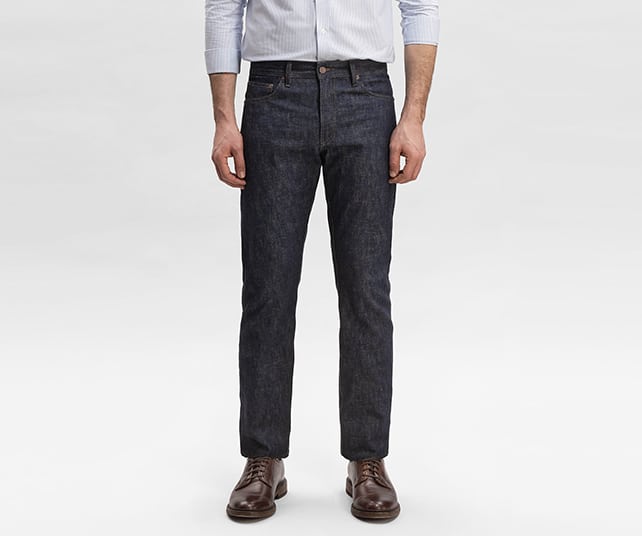
The denim market spans a vast spectrum, from ultra-fast fashion brands to artisanal, heritage labels. A crucial financial skill is the ability to distinguish between an “investment piece” and “disposable fashion.” Investment jeans are typically characterized by higher-quality denim fabric (e.g., raw denim, selvedge denim), robust construction (e.g., chain stitching, reinforced seams), and classic cuts that transcend fleeting trends. While their price point is higher, they are designed for longevity and often improve with age, developing a unique patina. Disposable jeans, conversely, are designed for seasonal appeal and often constructed with cheaper materials and less durable techniques, leading to rapid wear and tear. From a financial viewpoint, allocating a larger portion of your clothing budget to one or two pairs of high-quality investment jeans that serve as wardrobe anchors is often more prudent than accumulating multiple pairs of inexpensive, short-lived options. This strategy reduces overall spending in the long run and promotes a more sustainable financial habit.
The Hidden Costs of Cheap Jeans
The immediate savings from purchasing inexpensive jeans often obscure a range of hidden financial costs. Beyond the obvious need for frequent replacement, there are environmental and personal costs. The rapid consumption cycle of cheap clothing fuels the fast fashion industry, which has significant environmental implications—from resource depletion to waste generation—that indirectly affect everyone through broader economic and social impacts. For the individual, the constant need to replace worn-out garments equates to continuous small expenditures that accumulate, often surpassing the cost of a single quality item. Furthermore, poorly constructed jeans may require premature repairs, adding to the financial burden. Recognizing these hidden costs helps reframe the perception of value, making a compelling case for choosing durable, well-made denim from the outset.
Strategic Sourcing: Maximizing Value for Your Denim Dollar
The “where” in “where to get good jeans” is not just about location; it’s about strategic purchasing channels that offer the best financial value. Different retail environments cater to different needs and budgets, each with its own advantages and potential pitfalls for the financially savvy shopper.
Navigating Online Retailers for Deals and Selection
Online shopping has revolutionized the way we acquire goods, and denim is no exception. E-commerce platforms offer unparalleled selection, often at competitive prices due to lower overheads for retailers. Websites like Zappos, Nordstrom, ASOS, and dedicated brand sites frequently feature sales, clearance sections, and exclusive online discounts. Financial prudence dictates utilizing tools like price comparison websites, browser extensions that track price drops, and signing up for email newsletters to be alerted to promotions. However, the absence of a physical try-on can lead to costly returns or ill-fitting purchases. To mitigate this financial risk, always consult size guides, read customer reviews for fit advice, and leverage retailers with free returns. For unique or harder-to-find brands, direct-to-consumer (DTC) brands can sometimes offer better value by cutting out the middleman, passing those savings onto the consumer.
Brick-and-Mortar: The Fit Factor and Price Matching
While online shopping offers convenience, physical stores—department stores, boutiques, and brand flagships—remain invaluable, especially for denim. The ability to try on multiple sizes, cuts, and washes is critical for finding the perfect fit, which is a major component of “good jeans.” An ill-fitting pair, no matter how cheap, is a wasted expense. Sales associates can also provide expert advice on styles and sizing. From a financial perspective, brick-and-mortar stores often have price-matching policies, allowing you to secure an online price while still benefiting from an in-store try-on experience. Keep an eye out for seasonal sales events, such as post-holiday clearances or mid-season markdowns, which can yield significant savings on premium brands.
Unearthing Gems: Thrift Stores, Consignment, and Outlet Malls
For those who prioritize extreme value and sustainability, secondary markets offer a treasure trove of “good jeans” at a fraction of their original cost. Thrift stores, vintage shops, and online consignment platforms (e.g., Poshmark, The RealReal, ThredUp) are excellent places to find high-quality, often barely worn, designer denim. The financial benefit here is immense: you can acquire premium brands for a fraction of retail, effectively achieving an extremely low CPW. Similarly, outlet malls, while requiring a keen eye to differentiate true bargains from specially made “outlet quality” items, can offer previous season’s styles or factory seconds from reputable brands at discounted prices. Successful shopping in these venues requires patience and a good understanding of brand quality and typical retail pricing to identify genuine financial advantages.
The Power of Sales Cycles and Seasonal Discounts
Timing your denim purchases can significantly impact your financial outlay. Retailers operate on predictable sales cycles tied to seasons and holidays. Major sales events like Black Friday, Cyber Monday, End-of-Season Clearances (e.g., summer sales for spring/summer items, winter sales for fall/winter items), and specific holiday weekends (e.g., Memorial Day, Labor Day) are prime opportunities to secure premium denim at discounted prices. Knowing when new collections drop (typically spring and fall) also helps, as retailers will discount older inventory to make room. Planning your purchases around these cycles can lead to substantial savings, allowing you to invest in higher-quality jeans without breaking your budget.
Budgeting for Your Ideal Denim Wardrobe
A well-curated denim wardrobe is a financial asset. Approaching it with a clear budget and strategic purchasing plan ensures you make financially sound decisions that align with your overall financial goals.
Setting Realistic Denim Budgets
Before embarking on your quest for “good jeans,” establish a realistic budget. This involves assessing your current financial situation, determining how much you can comfortably allocate to clothing, and then specifically to denim. Consider your needs: do you require a single versatile pair, or are you building a collection for various occasions? If you’re targeting premium brands, acknowledge that you might save for a few months for that ideal pair, rather than making an impulse purchase. Budgeting isn’t about restriction; it’s about intentional spending, ensuring every denim dollar contributes to a valuable and lasting acquisition.
Prioritizing Purchases: Core Styles vs. Trend Pieces
A financially savvy denim strategy involves prioritizing. Invest more heavily in core styles that form the foundation of your wardrobe—classic straight-leg, slim-fit, or bootcut jeans in versatile washes like indigo or black. These are your workhorses, your high-CPW items that will see frequent rotation and provide lasting value. Trend-driven pieces, while fun, often have a shorter shelf life and lower CPW. For these, it’s financially wiser to explore more affordable options, look for sales, or opt for second-hand items. By distinguishing between wardrobe essentials and transient trends, you allocate your denim budget effectively, ensuring your significant investments are in items that offer enduring style and utility.
Leveraging Loyalty Programs and Credit Card Rewards
Smart financial consumers leverage every available advantage, and loyalty programs along with credit card rewards are no exception. Many retailers offer loyalty programs that provide points, discounts, or exclusive access to sales. If you frequently shop at a particular denim retailer or a department store that carries your preferred brands, enrolling in their program can yield significant savings over time. Similarly, utilizing credit cards that offer cash back or reward points on clothing purchases can effectively reduce the net cost of your jeans. Always pay off your credit card balance in full to avoid interest charges, ensuring that the rewards truly translate into savings. These small financial habits can cumulatively make a difference in where and how you get good jeans for less.
Long-Term Denim Investment: Care and Maintenance for Extended Value
Acquiring “good jeans” is only half the battle; maintaining them is equally crucial for maximizing their financial value and ensuring a low Cost-Per-Wear. Proper care is an investment in itself, preventing premature wear and extending the lifespan of your denim.
Proper Care Techniques to Enhance Longevity
The way you care for your jeans directly impacts their durability and appearance, thus affecting their financial value. Washing less frequently is a widely recommended practice, especially for raw or selvedge denim, as it helps preserve the fabric’s integrity and unique fading patterns. When washing, turn them inside out, use cold water, and choose a gentle cycle with a mild detergent. Avoid harsh chemicals and excessive heat from dryers, which can degrade denim fibers and cause shrinkage. Air-drying is always the best option for longevity. Understanding the specific care instructions for your denim—whether it’s premium Japanese selvedge or stretch denim—is vital. Treating your jeans with care prevents the need for early replacement, protecting your initial investment.
Repair vs. Replace: Economic Considerations
Even the best-made jeans can eventually show signs of wear, especially in high-stress areas like the crotch or knees. When this happens, a critical financial decision arises: repair or replace? From an economic standpoint, repairing quality denim is almost always the more cost-effective option. Basic repairs like patching small holes, reinforcing seams, or replacing a button are often inexpensive and can be done by a local tailor or even at home with some basic sewing skills. Many premium denim brands even offer repair services. Replacing a good pair of jeans, especially an investment piece, would incur the full cost of a new pair, making repair a financially superior choice that extends the life of your garment and reduces your overall clothing expenditure.

Resale Value: Denim as a Tangible Asset
Finally, consider the potential resale value of your premium denim. High-quality, well-maintained jeans from reputable brands can hold significant value in the secondary market. Platforms for selling used clothing allow you to recoup a portion of your initial investment, particularly for popular styles or limited editions. Viewing your denim as a tangible asset that can be liquidated later adds another dimension to its financial value. This perspective encourages better care and more thoughtful purchasing decisions from the outset, knowing that the “good jeans” you acquire today might provide a return on investment tomorrow.
Ultimately, “where to get good jeans” is not just about a shopping destination; it’s about a strategic financial approach to building a durable, stylish, and cost-effective wardrobe. By understanding cost-per-wear, making informed purchasing decisions, leveraging strategic sourcing, and committing to proper care, you transform a simple clothing purchase into a smart, long-term financial investment.
aViewFromTheCave is a participant in the Amazon Services LLC Associates Program, an affiliate advertising program designed to provide a means for sites to earn advertising fees by advertising and linking to Amazon.com. Amazon, the Amazon logo, AmazonSupply, and the AmazonSupply logo are trademarks of Amazon.com, Inc. or its affiliates. As an Amazon Associate we earn affiliate commissions from qualifying purchases.