
In the realm of personal finance, loyalty points and airline miles represent a unique and often underestimated asset. American Airlines AAdvantage miles, in particular, hold significant monetary value, offering access to flights, upgrades, and a range of partner benefits. While earning and redeeming these miles for personal travel is straightforward, the idea of transferring them to another individual introduces a complex layer of financial considerations, fees, and strategic decision-making. This guide delves into the mechanics of transferring AA miles from a personal finance perspective, helping you understand the costs, benefits, and alternative strategies to ensure you’re making the most financially sound choices with your valuable AAdvantage balance.

Understanding the Value and Mechanics of AA Mile Transfers
Before diving into the “how-to,” it’s crucial to acknowledge AAdvantage miles as a form of non-cash currency. Their utility and potential financial impact on your travel budget are significant, making their transfer a decision that merits careful financial scrutiny.
What Exactly Are AAdvantage Miles?
AAdvantage miles are the cornerstone of American Airlines’ frequent flyer program. Unlike traditional cash, their value fluctuates based on how they are redeemed. They can be earned through flying American Airlines and its Oneworld partners, co-branded credit card spending, hotel stays, car rentals, and various shopping portals. From a financial standpoint, these miles represent a future travel credit, effectively reducing out-of-pocket expenses for flights, upgrades, and other travel-related services. Understanding this inherent value is the first step in appreciating the financial implications of moving them between accounts.
Why Consider Transferring Miles? A Financial Perspective
The motivations behind transferring AA miles are often rooted in specific financial or logistical needs. Perhaps a family member is short on miles for an award ticket, or you wish to consolidate miles for a group trip, or even gift a travel experience.
- Consolidating for a Specific Redemption: One common scenario is when a desired award flight requires more miles than a single individual possesses, but combined family accounts would suffice.
- Gifting Travel: Instead of directly purchasing a ticket, transferring miles might seem like a thoughtful way to enable travel for a loved one. However, as we’ll explore, the cost associated with this can often outweigh the perceived generosity.
- Utilizing Dormant Miles: If someone has a small balance of miles nearing expiration and no immediate travel plans, transferring them might seem like a way to prevent their complete financial loss, though alternative strategies exist.
Each of these scenarios necessitates a thorough financial evaluation to determine if the transfer is truly the most cost-effective solution.
The Core Process: Navigating American Airlines’ Official Channels
American Airlines facilitates mile transfers directly through its AAdvantage program website. The process is typically straightforward:
- Log In: Access your AAdvantage account on the American Airlines website.
- Navigate to “Buy, Gift & Transfer Miles”: Locate the dedicated section for mile transactions.
- Select “Transfer Miles”: This option will lead you to the transfer portal.
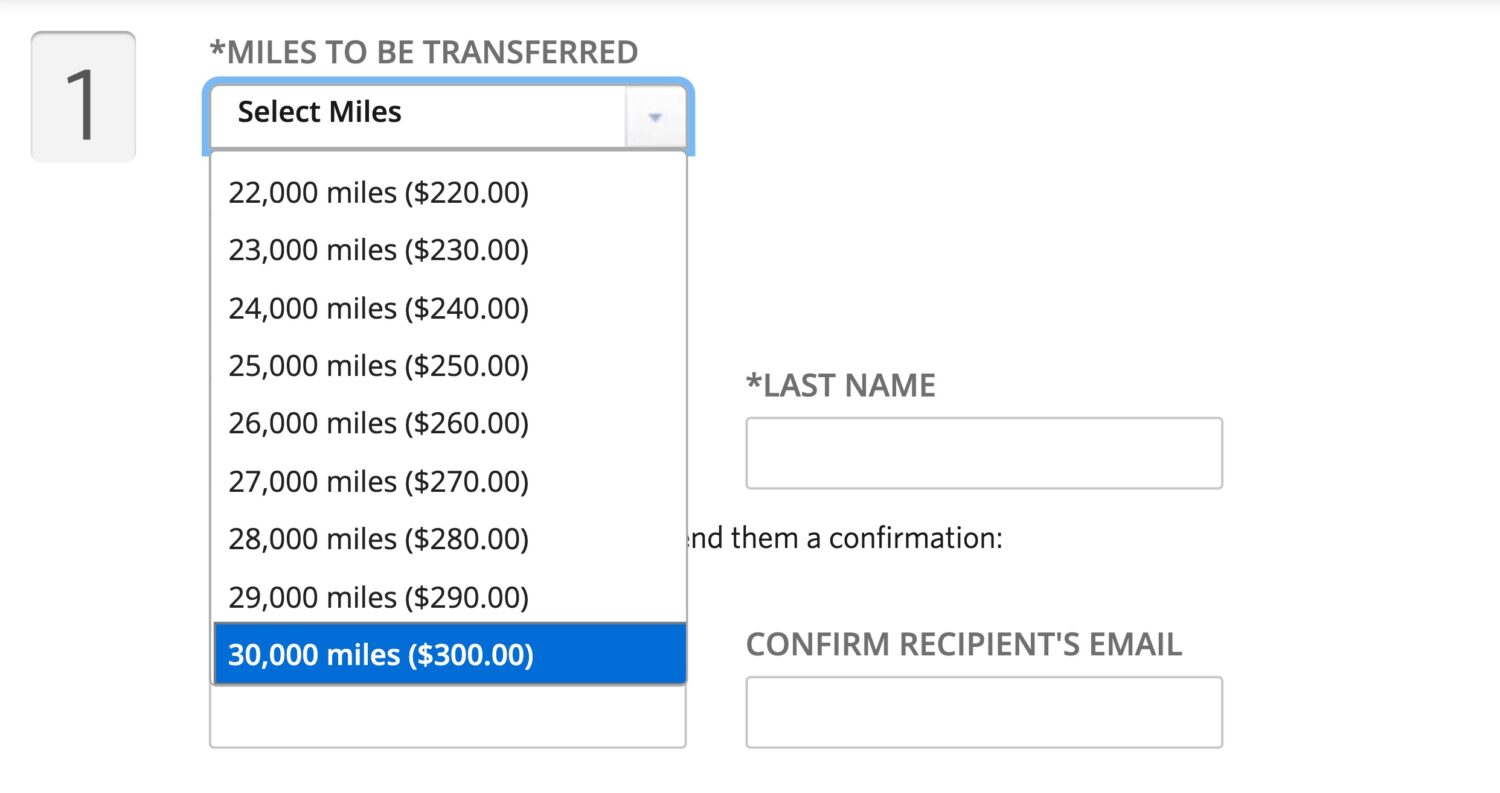
- Enter Recipient Details: You’ll need the recipient’s AAdvantage number and their last name.
- Specify Quantity: Choose the number of miles you wish to transfer.
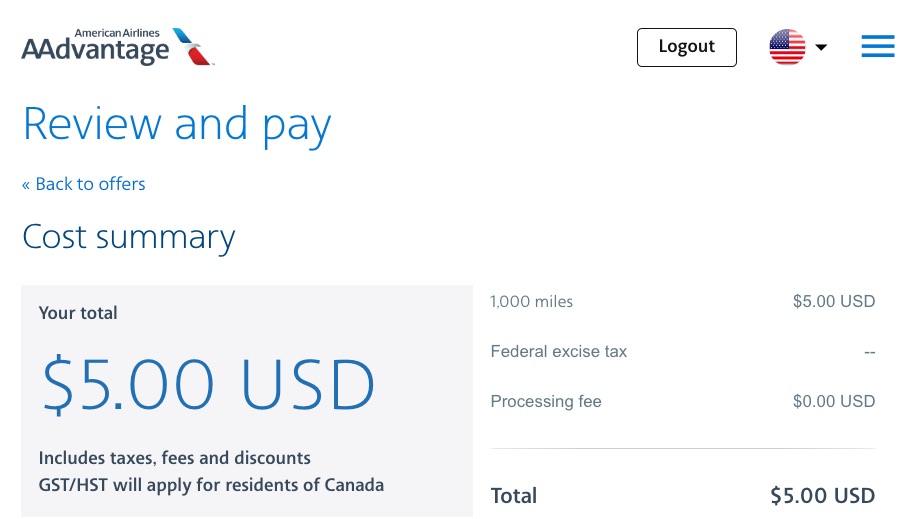
- Review and Pay: The system will calculate the transfer fees, which you must review and accept before completing the transaction with a credit card.
While the steps are simple, the financial implications embedded in the “Review and Pay” stage are paramount and require detailed analysis.
The Cost-Benefit Analysis of Mile Transfers
This is where the rubber meets the road from a personal finance standpoint. The fees associated with transferring AA miles are a critical factor that often makes direct transfers a financially suboptimal choice.
Unpacking Transfer Fees: A Detailed Financial Breakdown
American Airlines imposes a fee for transferring miles, which is typically structured per mile, plus a processing charge. Historically, this fee has been around 1.25 cents per mile, with an additional transaction fee. For instance, transferring 10,000 miles could cost upwards of $125 (10,000 miles * $0.0125/mile) plus a fixed processing fee, bringing the total significantly higher.
Consider this example:
- You want to transfer 20,000 AAdvantage miles.
- Fee per mile: $0.0125
- Processing charge: $30 (illustrative)
- Total transfer cost: (20,000 * $0.0125) + $30 = $250 + $30 = $280.
This means you are paying $280 to move miles that you likely earned for free or through credit card spending. When you factor in the typical redemption value of an AAdvantage mile (which often hovers around 1.0 to 1.5 cents per mile for economy and significantly more for premium cabins), paying 1.25 cents per mile just to transfer them can quickly erode any potential value. In many cases, you might be paying nearly as much, if not more, than the face value of the miles themselves just to move them.
Calculating the Per-Mile Value: Is it Worth It?
A critical financial exercise is to calculate the effective “purchase price” of the transferred miles. If you pay $280 to transfer 20,000 miles, you are essentially “buying” those miles for 1.4 cents per mile ($280 / 20,000 miles). Now, compare this to the value you expect the recipient to get from those miles.
- If the recipient redeems those 20,000 miles for an economy flight that would otherwise cost $200, then the value received (1 cent/mile) is less than what you paid to transfer them. This represents a net financial loss.
- If they redeem for a business class flight worth $1000, achieving a value of 5 cents/mile, then the transfer cost might be justifiable.
However, such high-value redemptions are not always guaranteed or easy to find. Often, the cash equivalent of the transfer fee alone could be better spent directly purchasing a ticket or contributing to the recipient’s travel fund. This direct comparison is a fundamental principle of sound personal finance: always assess the opportunity cost and true cost-benefit of any financial transaction.
Transaction Limits and Their Financial Implications
American Airlines also imposes limits on the number of miles that can be transferred in a single transaction and over a calendar year. These limits, while seemingly administrative, have financial implications. They can restrict your ability to consolidate large quantities of miles, forcing multiple costly transactions or making a planned large redemption impossible through transfers. Understanding these caps is essential for financial planning, especially for high-value award travel.
Alternatives to Direct Mile Transfers: Smarter Financial Strategies
Given the often prohibitive costs of direct mile transfers, savvy financial planners almost always recommend exploring alternative, more cost-effective methods to help another person fly using your miles.
Booking Travel for Others: A Fee-Free Option
This is almost universally the most financially prudent method. You, as the AAdvantage account holder, can simply use your miles to book an award flight in the name of another person. There are no fees to transfer miles, and the recipient just needs to present their ID at the airport.
- Pros: No transfer fees, full control over the booking process, ensuring the best value redemption.
- Cons: The ticket remains associated with your account for management purposes (e.g., changes, cancellations), and you must manage the booking.
From a financial perspective, this option maximizes the value of your miles by avoiding all transfer costs, making it the preferred method for gifting travel.
Gifting Miles: A Direct Purchase Approach
American Airlines also offers the option to “gift” miles, which is essentially buying miles for someone else. While this sounds similar to transferring, it’s distinct. When you gift miles, you are purchasing new miles to be deposited into the recipient’s account, rather than moving existing miles from yours. The purchase rate is typically similar to or slightly higher than the transfer rate, usually around 2.5 to 3.5 cents per mile, often with promotional discounts.
- Financial Consideration: This option only makes sense if there’s a significant promotion that reduces the per-mile cost below the value the recipient can extract, or if the recipient needs a small top-up for an immediate, high-value redemption and cannot earn them quickly otherwise. Otherwise, it’s often cheaper to pay cash for the flight.
Leveraging Household Accounts or Credit Card Benefits
While American Airlines does not offer a formal household account program like some other airlines (e.g., British Airways Executive Club), certain co-branded credit cards might offer benefits that indirectly facilitate mile accumulation for others. For instance, authorized users on your AAdvantage credit card accrue miles into your account, which you can then use to book travel for them. This isn’t a transfer, but a way of consolidating earning without incurring transfer fees.
- Strategy: If multiple family members frequently spend, having them as authorized users (with proper financial management and agreement on spending) can centralize mile earning in one primary account, making it easier to book award travel for anyone without the need for costly transfers.
Essential Considerations Before Initiating a Transfer
Should you decide that a direct mile transfer is the only viable option (after carefully considering the alternatives), several administrative and financial details must be understood to avoid costly mistakes.
Eligibility and Account Status Requirements
Both the sender and the recipient must have active AAdvantage accounts in good standing. There may also be minimum and maximum transfer limits per transaction and per calendar year. Ensure both accounts are fully registered and active to prevent delays or rejection, which could impact time-sensitive travel plans. Verifying these administrative details upfront is a basic financial diligence step.
Processing Times and Planning Your Financial Strategy
Mile transfers are typically processed within 24-72 hours, but they can sometimes take longer. If the recipient needs the miles for an imminent award booking, this delay can be critical. A desired flight might disappear or increase in price (in terms of miles or cash) while the transfer is pending. This highlights the importance of proactive financial planning rather than reacting under pressure. Always allow ample time, and consider the opportunity cost if the intended redemption becomes unavailable.
The Non-Refundable Nature of Transfers: A Financial Risk
Once miles are transferred and the fee is paid, the transaction is generally irreversible and non-refundable. This represents a significant financial risk. If the recipient’s travel plans change, or if they cannot use the miles for their intended purpose, both the miles and the transfer fee are lost. This emphasizes the need for absolute certainty regarding the recipient’s plans before committing to a costly transfer. Treat it like any other non-refundable financial investment.
Maximizing Your AAdvantage Miles: A Holistic Financial Approach
Ultimately, managing your AAdvantage miles, including potential transfers, should be part of a broader personal finance strategy aimed at maximizing value and minimizing unnecessary expenses.
Earning Miles Strategically: Credit Cards and Partners
Focus on earning miles efficiently. AAdvantage co-branded credit cards often offer substantial sign-up bonuses and accelerated earning categories. Leveraging these, along with AAdvantage eShopping portals and partner promotions, allows you to accumulate miles quickly and often at a low effective cost. Strategic earning reduces the perceived need for costly transfers or purchases later.
Redeeming Miles Wisely: Best Value Redemptions
The true financial value of your miles is realized at redemption. Aim for “sweet spots” – redemptions where the cash price of the ticket is significantly higher than the mile cost, yielding a high cents-per-mile value. Premium cabin international travel or specific domestic routes often offer the best value. Being flexible with dates and destinations can unlock these opportunities. Understanding how to extract maximum value from your miles reduces the likelihood of needing to top up with expensive transfers.
Monitoring Your Account: Preventing Financial Loss
Regularly check your AAdvantage account for mileage expiration dates, promotional offers, and accurate balances. Miles do expire, and allowing them to lapse is a direct financial loss. A small activity, such as a qualified flight, partner activity, or even a purchase through the AAdvantage eShopping portal, can often extend the expiration date of your entire balance. Proactive account management is a key component of protecting this valuable asset.
In conclusion, while American Airlines does offer the facility to transfer AAdvantage miles to another person, a thorough financial analysis reveals that this option is rarely the most cost-effective. The significant fees associated with transfers often negate the intrinsic value of the miles. For most individuals, booking award travel directly from your own account for the recipient or exploring other earning strategies will prove to be a far more financially astute approach. Always treat your loyalty miles as a valuable personal finance asset, making decisions that prioritize maximizing their utility and minimizing unnecessary costs.
aViewFromTheCave is a participant in the Amazon Services LLC Associates Program, an affiliate advertising program designed to provide a means for sites to earn advertising fees by advertising and linking to Amazon.com. Amazon, the Amazon logo, AmazonSupply, and the AmazonSupply logo are trademarks of Amazon.com, Inc. or its affiliates. As an Amazon Associate we earn affiliate commissions from qualifying purchases.