
The decision to embark on air travel often begins with a simple question: “How to purchase an airline ticket?” However, for the financially astute individual, this inquiry quickly evolves into a deeper, more strategic challenge: “How to purchase an airline ticket smartly, maximizing value, minimizing costs, and safeguarding my investment?” In an era where dynamic pricing, hidden fees, and a myriad of booking platforms can turn a simple transaction into a complex financial puzzle, understanding the monetary underpinnings of air travel is paramount. This guide delves into the financial intricacies of acquiring airline tickets, offering insights and strategies to empower consumers to make fiscally sound decisions, transforming a potential drain on personal finances into an optimized investment in experience.
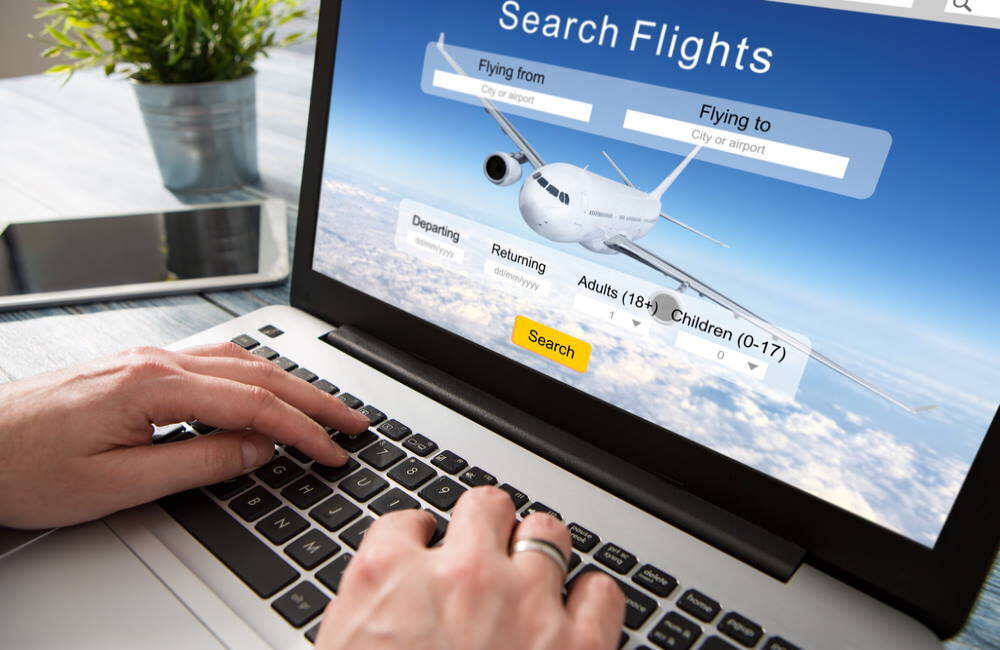
Strategic Planning for Fiscally Prudent Air Travel
The foundation of any successful financial endeavor is meticulous planning, and purchasing an airline ticket is no exception. Before even thinking about search engines, a clear understanding of your financial parameters and travel priorities is essential. This initial phase sets the stage for cost-effective decisions and helps avoid impulse purchases that can lead to unnecessary expenses.
Defining Your Travel Budget and Non-Negotiables
The very first step is to establish a realistic travel budget. This isn’t just about the ticket price; it encompasses all potential expenditures, including accommodation, ground transportation, activities, food, and importantly, ancillary airline costs like baggage fees, seat selection, and in-flight meals. A comprehensive budget helps you understand what you can truly afford and prevents overspending.
Next, identify your “non-negotiables.” Are you tied to specific dates due to work or family commitments? Is direct flight essential to avoid layovers? Is a specific cabin class (e.g., premium economy for comfort) a must-have? Each non-negotiable has a financial implication. The more flexible you can be with dates, times, and even destinations, the greater your potential for cost savings. For instance, traveling mid-week (Tuesday, Wednesday) or during off-peak seasons almost invariably offers lower fares than weekend or holiday travel. Quantifying the financial impact of your non-negotiables allows you to make informed trade-offs, deciding whether the convenience is worth the premium.
Understanding Peak vs. Off-Peak Pricing Dynamics
Airline pricing is a sophisticated algorithm, heavily influenced by demand, season, and major events. Flights during peak travel seasons—summer holidays, Christmas, spring break, or major festivals—are significantly more expensive due to heightened demand. Conversely, off-peak periods, often extending from mid-January through early March (excluding Presidents’ Day weekend) and from September through mid-November, typically offer the most competitive fares.
Understanding these cyclical patterns is a cornerstone of financially savvy ticket purchasing. If your schedule allows, aiming for off-peak travel can yield substantial savings, sometimes cutting the cost of a ticket by 30-50% or more. Beyond seasons, even the day of the week matters. Flying on Tuesdays, Wednesdays, and Saturdays is often cheaper than Fridays and Sundays. Analyzing historical pricing trends for your desired route can provide valuable insights into the sweet spots for booking. Financial tools that track flight prices over time can be incredibly useful in identifying these trends and making predictions, helping you determine the optimal window for purchase to secure the best possible price.
Leveraging Flexibility for Cost Optimization
Flexibility is perhaps the most powerful financial tool in a traveler’s arsenal. While some journeys demand strict adherence to dates and times, cultivating a degree of openness can unlock significant savings. If your travel dates are malleable, consider searching for flights across an entire month or even a range of months. Many booking platforms offer “flexible dates” options that reveal the cheapest days to fly within a given period.
Furthermore, consider alternative airports. Major hubs often serve as gateways to smaller, less expensive regional airports. Flying into a slightly less convenient airport and arranging ground transportation could still result in overall savings that outweigh the additional travel time. Even the time of day can influence prices; early morning or late-night flights, while less convenient, are often cheaper due to lower demand. For those who are destination-agnostic, exploring “everywhere” options on flight search engines during off-peak times can reveal incredibly affordable trips to unexpected locales, turning a financial constraint into an adventurous opportunity. These strategic shifts in planning directly translate into tangible financial benefits, making your travel budget stretch further.
Navigating the Digital Marketplace for Optimal Value
Once your financial parameters are set and your flexibility assessed, the next step involves navigating the vast digital landscape of airline ticket sales. The proliferation of online travel agencies (OTAs), aggregators, and direct airline websites means consumers have more choices than ever before, but also face the challenge of sifting through countless options to find the true best deal.
Comparing Aggregators, Online Travel Agencies, and Direct Airline Bookings
The digital marketplace for airline tickets can be broadly categorized into three main types:
- Flight Aggregators (Meta-search Engines): Websites like Google Flights, Skyscanner, Kayak, and Matrix ITA Software are powerful tools that scour hundreds of OTAs and airline websites to present a comprehensive overview of flight options and prices. They don’t sell tickets directly but redirect you to the source. Their financial value lies in their ability to quickly compare a vast array of prices, helping you identify the lowest possible fare across different providers.
- Online Travel Agencies (OTAs): These include Expedia, Priceline, Booking.com, and Travelocity. OTAs act as intermediaries, selling tickets directly to consumers. They often bundle flights with hotels or car rentals, potentially offering package deals that can yield significant savings, especially for longer trips. However, it’s crucial to compare their individual flight prices against aggregators and direct airline bookings, as their fees or markups can sometimes make them slightly more expensive for standalone tickets. A key financial consideration with OTAs is their change and cancellation policies, which can sometimes be more restrictive or involve higher fees than booking directly with the airline.
- Direct Airline Bookings: Purchasing directly from the airline’s website (e.g., Delta.com, United.com, Ryanair.com) offers several financial advantages. Airlines often reserve their best fares for direct bookings, and you typically have greater flexibility for changes or cancellations, often with lower fees. Furthermore, booking direct ensures you receive direct communication from the airline regarding schedule changes or disruptions, and it’s the most straightforward way to earn loyalty points and miles. For complex itineraries or when specific airline benefits are crucial, direct booking often provides the best financial security and flexibility.
A savvy financial approach involves using aggregators to identify potential low fares, then cross-referencing those findings with specific OTAs and, most importantly, the airline’s own website before making a final decision.
Harnessing Price Prediction Tools and Fare Alerts
In the volatile world of airline pricing, timing is everything. Prices can fluctuate wildly within hours or days, making it challenging to know when to pull the trigger. This is where price prediction tools and fare alerts become indispensable financial allies. Services like Hopper, Kayak’s price alerts, or Google Flights’ tracking feature monitor flight prices in real-time for specific routes and dates.

- Price Prediction Tools: These tools use historical data and complex algorithms to predict whether a fare is likely to rise or fall in the near future, advising you to “buy now” or “wait.” While not infallible, they offer a data-driven edge that can help you save money by booking at an opportune moment.
- Fare Alerts: Setting up fare alerts for your desired routes and dates means you’ll receive email notifications whenever the price drops significantly. This passive monitoring allows you to snag a great deal without constantly checking websites. By leveraging these financial technologies, you essentially outsource the arduous task of price monitoring, empowering you to secure tickets at or near their lowest possible price points.
The Incognito Mode Strategy: Fact or Fiction for Savings?
A popular myth in the realm of online flight booking is that airlines and OTAs track your browsing history and increase prices based on your repeated searches. The advice often given is to search in “incognito” or “private” browsing mode to avoid these perceived price hikes. From a financial perspective, while it’s generally good practice to clear cookies or use incognito mode for privacy, the impact on airline ticket pricing is largely negligible.
Airline pricing systems are incredibly complex and dynamic, driven by sophisticated algorithms that react to real-time supply and demand, competitor pricing, booking trends, and a multitude of other factors, rather than individual browser cookies. Prices change frequently for everyone, irrespective of their browsing history. The perception of price increases is often due to the normal fluctuations of dynamic pricing rather than targeted manipulation. Therefore, while using incognito mode doesn’t hurt, it’s not a secret weapon for significant savings. Focusing on the broader strategies of flexibility, timing, and comparing multiple sources will yield far greater financial benefits.
Decoding Ticket Pricing and Maximizing Financial Returns
Beyond the initial purchase price, a comprehensive financial evaluation of an airline ticket involves understanding what that price truly includes and how to leverage ancillary services and loyalty programs to your advantage. Many seemingly cheap tickets come with hidden costs that can quickly erode any perceived savings.
Dissecting Fare Classes and Ancillary Costs
Airline tickets are often presented with a base fare, but the true cost can escalate significantly depending on the “fare class” and a host of ancillary services.
- Fare Classes: These range from basic economy (often the cheapest, with severe restrictions on changes, no seat selection, and sometimes no carry-on bag) to full-fare economy, premium economy, business, and first class. Each step up typically offers more comfort, amenities, and flexibility, but at a higher price point. Financially, it’s crucial to assess if the added benefits justify the increased cost. A basic economy ticket might seem cheap, but if you end up paying for a checked bag, seat selection, and a meal, you might have been better off purchasing a slightly more expensive standard economy fare from the outset.
- Ancillary Costs: These are the additional fees airlines charge for services beyond the basic transport. Common examples include checked baggage fees, carry-on bag fees (especially with budget airlines), seat selection fees, priority boarding, in-flight meals and entertainment, and even fees for changing or canceling a ticket. A financially savvy traveler itemizes all potential ancillary costs when comparing fares. Sometimes, a ticket from a full-service airline that includes baggage and seat selection can be cheaper overall than a seemingly cheaper basic fare from a budget airline once all add-ons are factored in. Always read the fine print regarding what your chosen fare includes.
The Financial Prudence of Travel Insurance
Travel insurance is an often-overlooked financial product that can provide invaluable protection against unforeseen circumstances. While it represents an additional upfront cost, its value becomes apparent when things go wrong.
- Coverage: Policies can cover trip cancellation or interruption (due to illness, natural disaster, or other covered reasons), medical emergencies abroad, emergency evacuation, lost or delayed baggage, and travel delays.
- Financial Risk Mitigation: Without insurance, a medical emergency in a foreign country could result in tens of thousands of dollars in out-of-pocket expenses. A cancelled flight could mean forfeiting non-refundable hotel stays. For a modest premium, travel insurance transfers these significant financial risks to the insurer.
- When is it Worth It? For expensive trips, international travel, or when traveling with pre-existing medical conditions, travel insurance is often a financially prudent investment. Evaluate the cost of the policy against the potential financial losses you could incur without it. Many premium credit cards also offer some level of travel insurance as a benefit, so check your card’s terms before purchasing a separate policy.
Capitalizing on Airline Loyalty Programs and Credit Card Rewards
For frequent travelers, loyalty programs and specialized credit cards represent a significant opportunity to earn financial returns on their travel spending.
- Airline Loyalty Programs: Joining an airline’s frequent flyer program is a no-brainer, as it costs nothing. Every flight you take can earn you miles or points, which can later be redeemed for free flights, upgrades, or other travel perks, effectively reducing your future travel expenses. Elite status, earned through consistent travel with one airline, can provide benefits like complimentary upgrades, free checked bags, priority boarding, and lounge access – all of which translate into tangible financial savings and enhanced travel experiences.
- Travel Reward Credit Cards: Many credit cards are specifically designed to reward travel spending. These cards often offer generous sign-up bonuses (enough for a free flight), earn multiple points per dollar spent on travel, and come with benefits like travel insurance, lounge access, statement credits for travel expenses, or waived foreign transaction fees. Strategically using these cards for all your travel bookings and everyday spending can quickly accrue a significant stash of points, effectively subsidizing your future flights and helping you achieve higher-tier travel experiences for less out-of-pocket cost. However, responsible credit card use is crucial; ensure you pay off your balance in full each month to avoid interest charges that would negate any rewards earned.
Safeguarding Your Investment: Payment and Post-Purchase Considerations
The transaction doesn’t end with clicking “purchase.” Prudent financial management extends to the payment process and understanding the implications of post-purchase scenarios, ensuring your investment in air travel is secure and adaptable.
Secure Payment Methods and Fraud Prevention
When purchasing airline tickets online, securing your financial information is paramount.
- Credit Cards: Using a credit card is generally the safest payment method. Credit cards offer consumer protections against fraud, allowing you to dispute unauthorized charges or seek refunds if a service isn’t delivered as promised. This provides a crucial layer of financial security, especially when booking with unfamiliar airlines or OTAs.
- Payment Gateways: Ensure the website uses secure payment gateways (look for “https://” in the URL and a padlock icon). Avoid making payments over unsecured Wi-Fi networks.
- Avoiding Scams: Be wary of incredibly low “too good to be true” prices, unsolicited emails offering deals, or requests for payment via wire transfer or gift cards – these are red flags for fraud. Always book directly through reputable airline websites, well-known OTAs, or trusted aggregators. A small amount of vigilance can save you from significant financial losses due to scams.
Understanding Refund Policies and Change Fees
Airline tickets, particularly cheaper economy fares, are often non-refundable or come with hefty change fees. It’s critical to understand the specific terms and conditions before you finalize your purchase.
- Refundable vs. Non-Refundable: Fully refundable tickets offer the most flexibility but are significantly more expensive. Most leisure travelers opt for non-refundable tickets. However, some airlines offer a 24-hour grace period during which you can cancel a reservation without penalty, as mandated by the U.S. Department of Transportation for flights to/from the U.S. This provides a brief window to review your purchase and ensure accuracy.
- Change Fees: If your plans change, modifying a non-refundable ticket usually incurs a change fee, which can range from $75 to $200+ for domestic flights and even more for international itineraries. Some airlines have eliminated change fees for most economy and premium cabin tickets, especially for flights within North America or for higher fare classes, but basic economy tickets almost always remain subject to fees or are non-changeable. Always check the airline’s policy on changes and cancellations, as these fees can quickly negate any initial savings. Purchasing travel insurance with “cancel for any reason” benefits (though more expensive) can offer ultimate flexibility if your plans are highly uncertain.

Preparing for Unforeseen Financial Adjustments
Even with careful planning, unexpected events can disrupt travel plans. Having a financial contingency plan is vital.
- Emergency Fund: Maintain an emergency fund that can cover unexpected travel expenses, such as an extra night in a hotel due to a delayed flight, or an unplanned meal.
- Credit Card Buffer: Ensure you have enough available credit on a credit card for unforeseen costs without incurring high-interest debt.
- Documentation: Keep digital and physical copies of all travel documents, including tickets, insurance policies, and credit card contact numbers. This can expedite claims or re-bookings should an issue arise.
By approaching airline ticket acquisition with a comprehensive financial mindset—from strategic planning and digital marketplace navigation to decoding pricing and safeguarding your investment—you can transform a routine purchase into an exercise in smart money management. This not only ensures a smoother journey but also protects your personal finances, allowing you to invest wisely in the priceless experience of travel.
aViewFromTheCave is a participant in the Amazon Services LLC Associates Program, an affiliate advertising program designed to provide a means for sites to earn advertising fees by advertising and linking to Amazon.com. Amazon, the Amazon logo, AmazonSupply, and the AmazonSupply logo are trademarks of Amazon.com, Inc. or its affiliates. As an Amazon Associate we earn affiliate commissions from qualifying purchases.