
For the financially astute traveler, understanding the American Airlines AAdvantage program is not merely about accumulating points; it’s about mastering a powerful tool for personal finance management. The question “how many AA miles for a flight?” is deceptively simple, yet it unlocks a complex landscape of strategic redemption, value maximization, and smart savings. In an era where travel costs can significantly impact personal budgets, leveraging AAdvantage miles effectively transforms aspirational journeys into tangible, cost-efficient realities. This guide delves into the mechanics of AAdvantage award pricing, offering insights and strategies to ensure your miles deliver the greatest possible financial return.
Understanding the AAdvantage Program: A Primer for Smart Savers
The journey to optimal mile redemption begins with a fundamental understanding of how American Airlines prices its award flights. Unlike a fixed-price catalog, the value of an AAdvantage mile is fluid, influenced by a multitude of factors that savvy travelers learn to navigate for their financial benefit.
The Dynamic Nature of Award Pricing: Why a Fixed Number Is Elusive
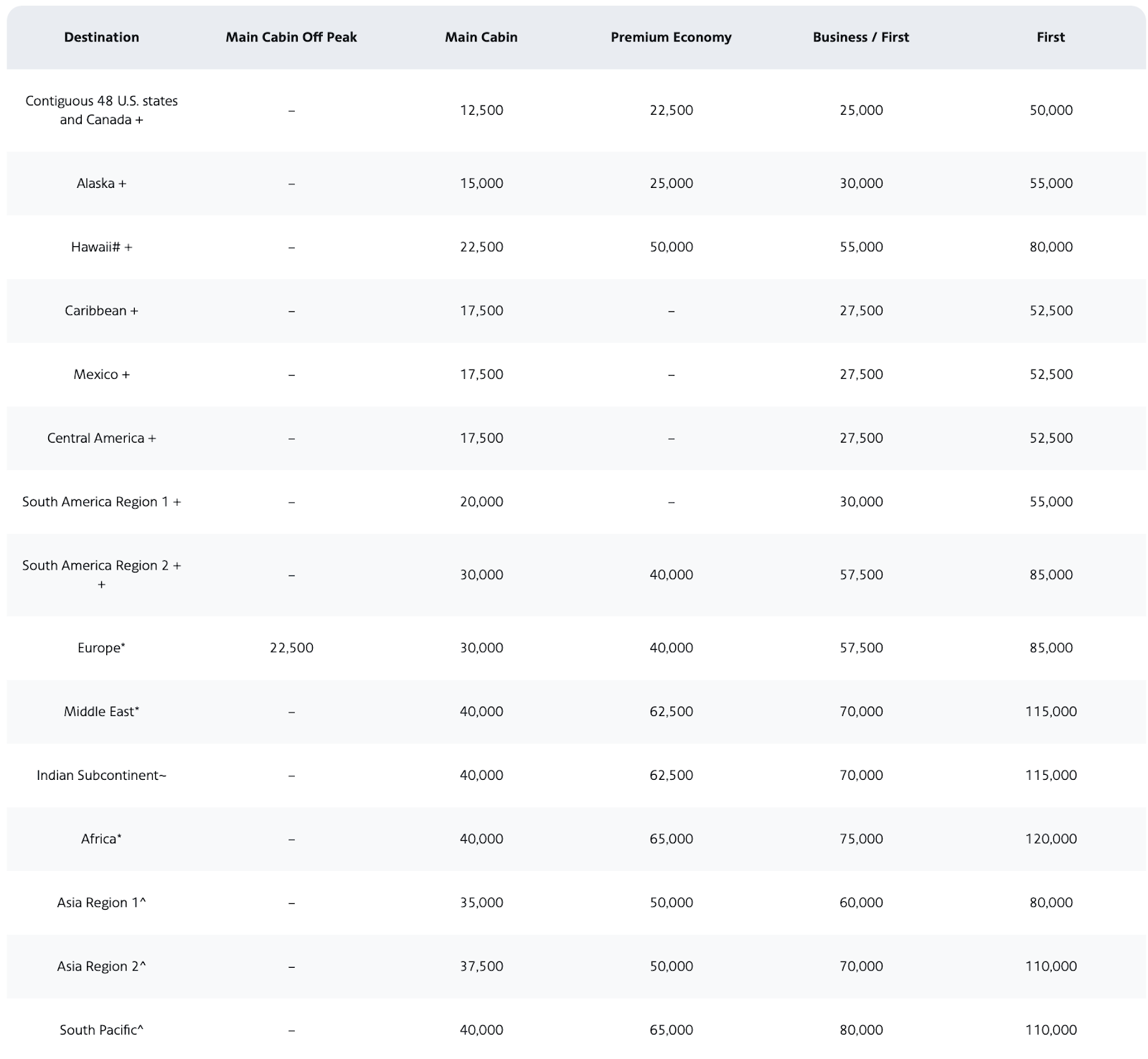
Gone are the days when a simple, static award chart dictated the exact mileage cost for every flight. While American Airlines still publishes a “Fixed Mileage Awards Chart” for specific flights, particularly for partner airlines, the reality for most American Airlines-operated flights is dynamic pricing. This means the number of miles required for a flight fluctuates based on demand, route, cabin class, and time of booking. For the financially aware, this shift necessitates a proactive approach, treating mile redemption less like a simple transaction and more like an investment decision where market timing and flexibility play crucial roles in determining value. The goal is to identify and capitalize on opportunities when the “price” of a flight in miles is low, yielding a higher “cents per mile” (CPM) value for your hard-earned rewards.
Key Factors Influencing Mile Redemption Costs: Strategic Considerations
Several variables conspire to determine the final mileage cost of your flight. Understanding these factors is paramount for making economically sound redemption choices:
- Destination and Route: Popular routes and international destinations, especially those requiring multiple segments, often command higher mileage. Conversely, less popular routes or those with ample capacity might present significant value.
- Travel Class: Economy class is typically the lowest mileage option. Premium economy, business, and first class can require exponentially more miles, but often represent the highest “cents per mile” value, especially on long-haul international flights where the cash price differential is substantial. This is where many smart travelers focus their premium redemptions for maximum financial impact.
- Time of Booking: Generally, booking further in advance increases the likelihood of securing lower-mileage “saver” awards. Last-minute bookings, especially for popular flights, almost always fall into higher “standard” or “dynamic” award categories, requiring significantly more miles.
- Demand and Seasonality: Peak travel seasons (holidays, summer, major events) inevitably drive up mileage costs. Off-peak travel or flying during shoulder seasons can unlock substantial savings in miles, a key strategy for budget-conscious travelers.
- Routing: Direct flights often require fewer miles than multi-stop itineraries, though sometimes a convoluted routing on partner airlines can uncover hidden gems at lower mileage rates if you’re willing to invest the search time.
AAdvantage Award Chart Tiers: From Fixed to Flexible Value
While the fixed award chart for partner airlines (like Oneworld members) provides a baseline, American Airlines’ own flights primarily operate on a dynamic pricing model. However, understanding the historical context and the persistent concept of “saver” awards is crucial. Saver awards represent the lowest mileage price point for a given route and class, often aligning with a limited number of seats on each flight. These are the “deals” every mile maximizer seeks, offering the best CPM. “Anytime” or “Standard” awards are available when saver space is gone but typically demand significantly more miles, often yielding a much lower CPM. The financial strategy here is clear: prioritize searching for and booking saver awards to maximize the intrinsic value of your miles.
Strategies for Maximizing Your AA Miles’ Financial Impact
Treating your AAdvantage miles as a valuable financial asset requires a strategic approach to redemption. The goal is not just to use miles, but to use them in a way that provides superior value compared to paying cash.
Identifying Sweet Spots and High-Value Redemptions
Certain redemptions consistently offer disproportionately high value, effectively yielding a higher return on your “mileage investment.”
- International Premium Cabins: This is often where miles truly shine. A business or first-class international ticket that might cost thousands of dollars in cash can often be redeemed for a fraction of that in miles (e.g., 57,500 to 80,000 miles for a business class flight to Europe, which could cost $3,000-$6,000 cash). This translates to a CPM of 5-10 cents, a fantastic return.
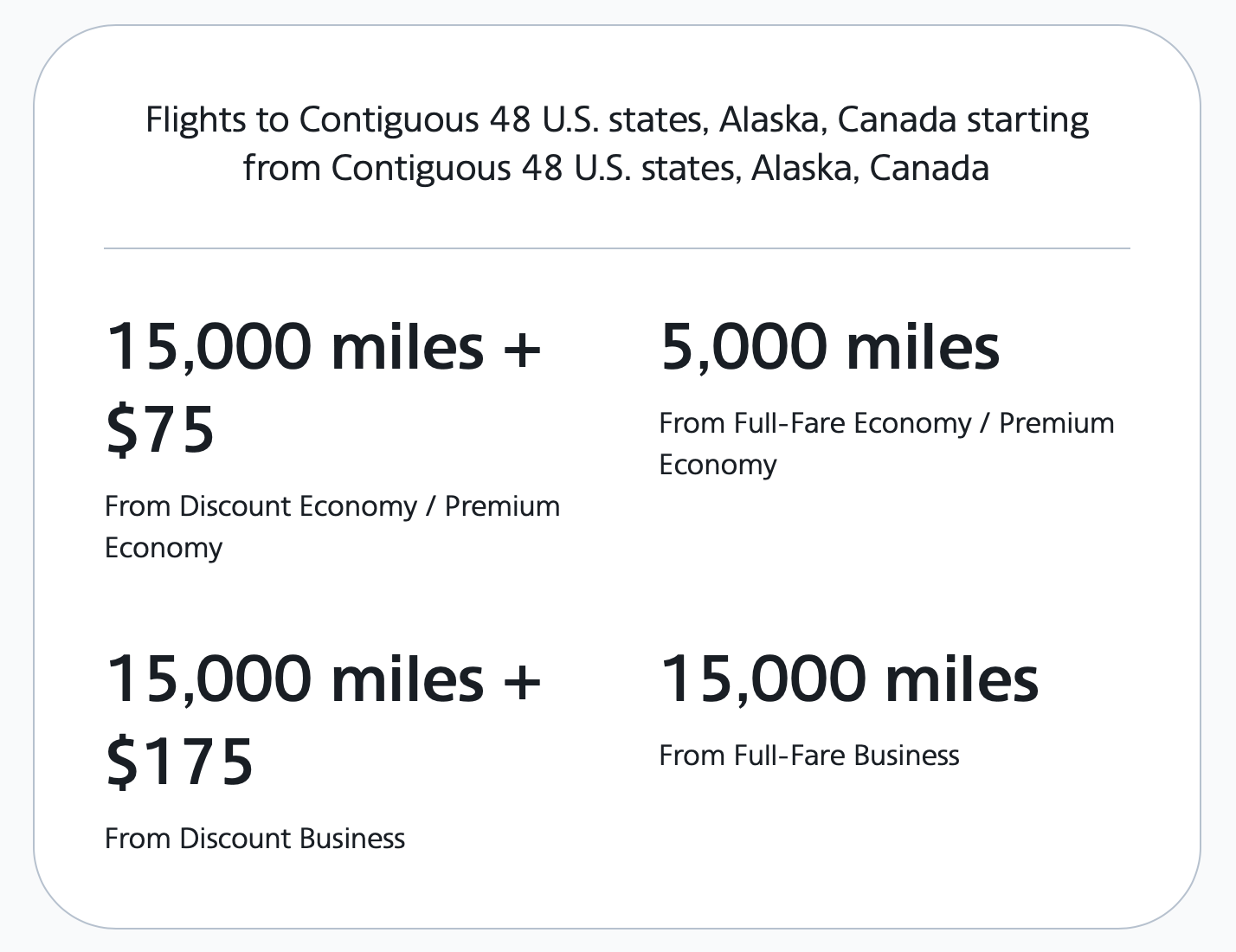
- Short-Haul Domestic Flights (Limited Cases): While less common, very short, expensive domestic routes can sometimes offer good value, especially if cash prices are inflated due to demand.
- Partner Airlines: Don’t overlook American’s Oneworld partners. Flights on carriers like Qatar Airways, Cathay Pacific, or Japan Airlines often provide exceptional service and fantastic redemption values, especially in premium cabins, which can be booked using AA miles through their fixed award chart.
The Importance of Flexibility: A Cornerstone of Financial Prudence
Flexibility is perhaps the most critical factor in extracting maximum value from your AAdvantage miles.
- Flexible Dates: Being able to travel a day or two earlier or later can dramatically alter the mileage cost, often unlocking saver awards that weren’t available on your initial preferred date. Using American’s flexible date search tool is a must.
- Flexible Airports: Consider nearby airports for departure or arrival. Sometimes flying into a secondary airport a short distance away can save tens of thousands of miles. For example, flying into London Gatwick (LGW) instead of Heathrow (LHR) or a different regional European airport and taking a short train can be a highly effective cost-saving measure.
- Flexible Cabin Class (When Necessary): While premium cabins offer high CPM, sometimes a domestic economy flight is all you need, and securing a low-mileage saver award for that trip can free up cash that would otherwise be spent.
Leveraging Off-Peak Awards and Partner Airlines for Enhanced Savings
American Airlines occasionally offers “Off-Peak” awards for specific regions during less popular travel periods. These provide significant discounts on mileage requirements, representing prime opportunities for budget-conscious travelers. For example, certain off-peak periods might see a transatlantic flight drop from 30,000 miles to 22,500 miles one-way in economy. Similarly, exploring partner airlines within the Oneworld alliance opens up a vast network of routes and often provides more predictable, fixed-mileage redemption options compared to AA’s dynamically priced flights. This diversity in redemption options enhances your financial agility.

Strategic Mile Earning for Future Travel Savings
Maximizing redemption value is only half the battle; smart earning strategies are equally crucial.
- Credit Card Welcome Bonuses: Large sign-up bonuses from AAdvantage co-branded credit cards are often the quickest way to accumulate tens of thousands of miles, providing immediate leverage for significant travel savings.
- Everyday Spending: Using AAdvantage credit cards for daily purchases, especially in bonus categories, steadily builds your mileage balance.
- Shopping Portals and Dining Programs: Utilizing the AAdvantage eShopping portal or AAdvantage Dining program earns extra miles on purchases you’d already make, effectively reducing your overall travel expenditure.
- Flying American Airlines and Partners: Naturally, flying on AA or its Oneworld partners earns miles, especially if you have elite status, which provides mileage bonuses.
Practical Tools and Tips for Calculating Your Flight’s Mile Cost
Navigating the intricacies of AAdvantage award pricing requires more than just theoretical knowledge; it demands practical application of available tools and a keen eye for value.
Utilizing American Airlines’ Website and Award Search Tools
The primary tool for estimating and booking award flights is the American Airlines website.
- Flexible Date Search: Always start with the “Redeem Miles” option and utilize the “Calendar View” or “Flexible Dates” feature to scan for saver award availability across several days or weeks. This helps you quickly identify the lowest mileage options.
- Advanced Search Filters: Explore options to filter by cabin class, number of stops, and specific airlines (including partners) to narrow down your search and find optimal routings.
- Understanding Displayed Prices: Pay attention to the mile figures displayed. “Economy/Business/First SAAver” indicates the lowest mileage (saver) awards, while “Economy/Business/First AAnytime” or higher dynamic pricing tiers will show significantly higher mile costs.
Third-Party Tools and Resources for Award Availability
While the AA website is essential, savvy travelers often complement it with third-party tools to gain a competitive edge in finding award space.
- ExpertFlyer: This subscription service allows users to set alerts for specific award availability on American and its partners, notifying you when a desired saver seat opens up. This is an invaluable resource for securing hard-to-find premium cabin awards.
- AwardHacker / FlyerMiler: These tools can help you quickly ascertain the mileage cost for various routes across different frequent flyer programs, providing a broader perspective on which program offers the best value for a particular trip. While not directly for booking, they inform your AAdvantage search strategy.
- Blogs and Forums: Dedicated travel hacking blogs and forums (e.g., FlyerTalk) often share insights on “sweet spots,” current award availability trends, and tips for complex redemptions, acting as a collective intelligence for mile optimization.
The Cash vs. Miles Dilemma: A Financial Decision
One of the most crucial aspects of AAdvantage mile strategy is knowing when to use miles versus when to pay cash. This is a pure financial cost-benefit analysis.
- Calculate Cents Per Mile (CPM): Divide the cash price of a ticket (minus taxes/fees if applicable) by the number of miles required. A general rule of thumb for American Airlines miles is that anything above 1.5-2 cents per mile is a good redemption, while 4-6+ CPM is excellent. If your CPM is below 1 cent, paying cash might be a better financial decision, saving your miles for a higher-value redemption.
- Opportunity Cost: Consider what else you could do with your miles. If a redemption yields poor CPM, those miles could be saved for a future trip offering significantly better value.
- Cash Flow Management: If using miles allows you to avoid a large cash outlay for a flight, freeing up funds for other investments or necessities, it can be a wise financial move even if the CPM isn’t extraordinarily high. It’s about personal financial priorities.
Common Pitfalls and Advanced Redemption Tactics for Financial Savvy Travelers
Even with a solid understanding, pitfalls exist. Anticipating and avoiding them, while leveraging advanced tactics, ensures your AAdvantage miles serve your financial interests optimally.
Avoiding Overpaying: When Dynamic Pricing Hurts
The dynamic pricing model means that on popular routes or during peak times, American Airlines might ask for an exorbitant number of miles for a flight—sometimes hundreds of thousands for a round trip that might cost only a few hundred dollars in cash. This is a classic example of poor value. Always cross-reference the mileage cost with the cash price and calculate the CPM. If the CPM is low (e.g., less than 1 cent), resist the urge to redeem. This is where patience and flexibility become your financial allies.
Understanding Taxes and Fees on Award Tickets
Award tickets are not entirely “free.” You will almost always be responsible for government-imposed taxes and fees. These are typically nominal for domestic flights (e.g., $5.60 each way). However, international flights, especially those originating or terminating in certain countries (like the UK with its high Air Passenger Duty), can incur substantial taxes and carrier-imposed surcharges. Always factor these cash costs into your overall financial assessment of an award redemption. A “free” business class flight might still come with $500 in taxes and fees, which impacts the net value of your miles.
Proactive Planning and Booking Ahead: Securing Optimal Value
The golden rule for maximizing AAdvantage miles, particularly for highly sought-after saver awards in premium cabins, is to plan and book as far in advance as possible. Award seats are released on a rolling basis, often 330-360 days out. Being among the first to search and book when these seats become available drastically increases your chances of securing the lowest mileage rates. This proactive approach is less about spontaneity and more about strategic financial planning for future travel, ensuring your miles are invested wisely for maximum returns.
In conclusion, determining “how many AA miles for a flight” is less about a simple answer and more about a strategic financial framework. By understanding the dynamic pricing model, focusing on high-value redemptions, embracing flexibility, and utilizing smart earning and search tools, travelers can transform their AAdvantage miles into a powerful instrument for significant travel savings and enhanced personal finance. Treating your miles as a valuable asset, rather than just points, is the key to unlocking their true financial potential.
aViewFromTheCave is a participant in the Amazon Services LLC Associates Program, an affiliate advertising program designed to provide a means for sites to earn advertising fees by advertising and linking to Amazon.com. Amazon, the Amazon logo, AmazonSupply, and the AmazonSupply logo are trademarks of Amazon.com, Inc. or its affiliates. As an Amazon Associate we earn affiliate commissions from qualifying purchases.