
The days of calling a travel agent or visiting a physical office to book a flight are, for most, a relic of the past. Today, buying a plane ticket is predominantly a digital exercise, a journey through a complex ecosystem of websites, apps, and sophisticated algorithms designed to connect you with your desired destination. This guide will walk you through the technological landscape of flight booking, equipping you with the knowledge and strategies to navigate this digital frontier efficiently, securely, and smartly. From understanding the core platforms to leveraging advanced search features and safeguarding your digital footprint, we’ll demystify the process of buying a plane ticket in the modern age.
The Digital Ecosystem of Flight Booking: Platforms and Tools
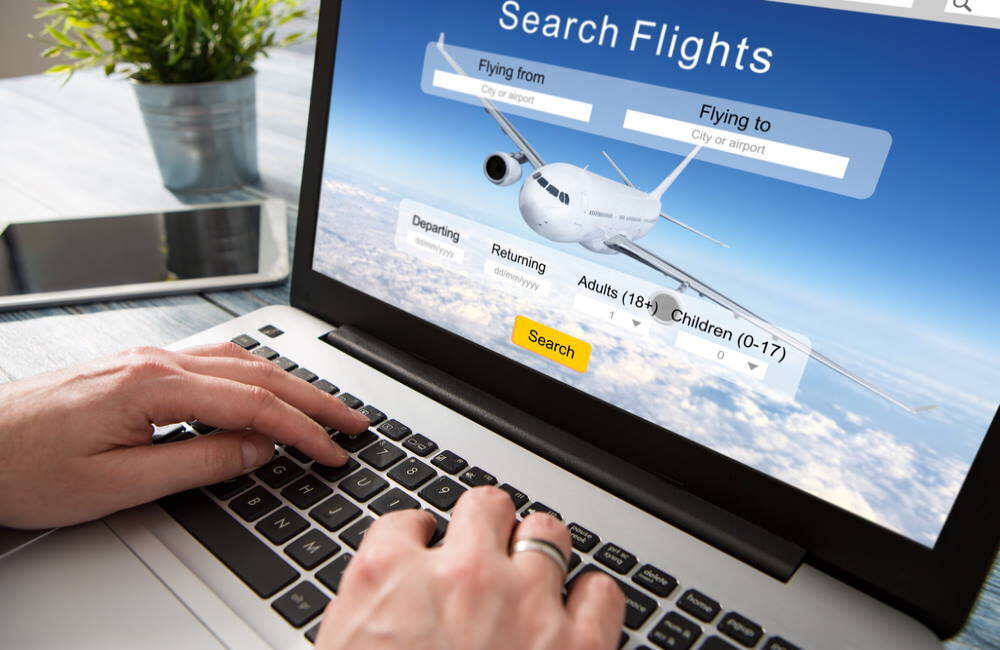
The first step in buying a plane ticket involves choosing where and how you will search and ultimately purchase your fare. The digital realm offers a multitude of options, each with its own advantages and technological nuances. Understanding these different platforms is crucial for making an informed decision.
Direct from the Airline: The Official Channel
Booking directly through an airline’s official website or mobile app is often considered the most straightforward approach. These platforms provide real-time inventory, direct access to the airline’s own fare classes and special offers, and typically the most comprehensive control over your booking. Technologically, airline websites and apps are increasingly user-friendly, offering features like seat selection, meal preferences, baggage add-ons, and direct access to loyalty program benefits. They are designed for a seamless, end-to-end customer experience, from initial search to post-flight feedback. Opting for direct booking often means better customer service if issues arise, as you’re dealing directly with the service provider without an intermediary.
Online Travel Agencies (OTAs): Aggregators and Packages
Online Travel Agencies like Expedia, Booking.com, Kayak (which is also a meta-search engine, but operates an OTA component), or Skyscanner (also a meta-search engine) act as digital intermediaries, aggregating flight options from multiple airlines. These platforms excel in offering a broad overview of available flights, often allowing users to compare prices from various carriers side-by-side. Technologically, OTAs leverage powerful aggregation engines to pull data from numerous sources, presenting it in a digestible format. They frequently offer package deals that combine flights with hotels or car rentals, facilitated by complex backend integration with hospitality and transportation providers. While convenient for comparison and package deals, be mindful that customer service issues might involve an extra layer of communication between you, the OTA, and the airline.
Meta-Search Engines: Comparing Across the Web
Meta-search engines, such as Google Flights, Skyscanner, Kayak, and Momondo, represent a different technological approach. Unlike OTAs, they don’t sell tickets directly. Instead, they scour the web, pulling flight information and prices from airlines and various OTAs, and then redirect you to the respective booking site to complete the purchase. Their primary technological innovation lies in their advanced indexing and comparison algorithms, which provide a comprehensive view of pricing options across the internet. They are invaluable tools for price comparison and discovering the cheapest routes, often featuring flexible date search options, price calendars, and “everywhere” destination searches to inspire travel based on budget. Using a meta-search engine is typically the first step for many savvy travelers to identify the best deals before proceeding to an airline’s site or an OTA.
Leveraging Mobile Apps for On-the-Go Booking
The proliferation of smartphones has made mobile apps indispensable for flight booking and management. Virtually all major airlines and OTAs offer dedicated mobile applications. These apps provide a streamlined user interface optimized for smaller screens, enabling users to search, book, check-in, and manage their flights from anywhere. Key technological features include push notifications for price drops, flight status updates, mobile boarding passes, and integration with digital wallets for quick payments. For the frequent traveler, mobile apps offer unparalleled convenience, keeping all necessary travel information at their fingertips and often syncing seamlessly across devices with cloud-based profiles.
Mastering the Search: Smart Techniques and Digital Features
Finding the best plane ticket isn’t just about punching in your dates and destination; it’s about strategically utilizing the advanced features and understanding the digital nuances of booking platforms. Effective searching can significantly impact both the price and convenience of your travel.
Utilizing Advanced Search Filters and Flexible Dates
Modern booking platforms come equipped with robust search filters that go far beyond just origin and destination. Technologically, these filters allow users to refine results by airline, number of stops, departure/arrival times, layover duration, aircraft type, and even specific airports within a metropolitan area. The “flexible dates” or “calendar view” feature is a game-changer, powered by algorithms that quickly scan prices across weeks or months. This allows travelers to identify the cheapest days to fly, often revealing significant savings by shifting travel plans by just a day or two. Leveraging these tools is paramount for uncovering the most cost-effective and convenient itineraries.
Setting Up Price Alerts and Notifications
One of the most valuable technological aids in flight booking is the ability to set up price alerts. Almost all meta-search engines and many OTAs offer this feature, where you can specify your desired route and dates, and the system will automatically notify you via email or push notification if the fare drops. These systems utilize sophisticated monitoring algorithms that continuously track price fluctuations across thousands of routes. This passive approach to searching ensures you don’t miss out on a good deal, as flight prices are highly dynamic and can change multiple times within a day based on demand, capacity, and various other factors.
Incognito Mode and Cookie Management for Price Optimization
A common piece of advice in digital flight booking is to use your browser’s incognito or private browsing mode, or to clear your cookies. While the direct impact on flight prices is debated and varies, the underlying technological premise is that websites use cookies to track your browsing history and potentially identify repeat searches for the same route. Some speculate that this information could be used to subtly increase prices on subsequent searches, although airlines and OTAs generally deny this. However, using incognito mode ensures a fresh search session, preventing any potential tracking or price discrimination based on your past activity, and ensuring you always see the most current, untainted pricing information available.
Understanding Fare Classes and Digital Upgrades
Beneath the surface of a simple ticket price lies a complex system of fare classes, each with different rules, flexibility, and benefits. These are usually denoted by single or multi-letter codes (e.g., Y for full-fare economy, K for a discounted economy fare). Booking platforms and airline websites increasingly provide more transparency around these fare classes, explaining what’s included (baggage allowance, seat selection, change fees) before purchase. Many platforms also offer digital upgrade options during booking or post-booking, allowing passengers to move to a higher cabin class (premium economy, business, first) by paying an additional fee or using loyalty points, all managed through the digital interface. Understanding these nuances, facilitated by the clear presentation of options on these digital platforms, is key to tailoring your travel experience.
Ensuring Secure Transactions and Digital Privacy

As with any online purchase involving sensitive personal and financial information, digital security and privacy are paramount when buying a plane ticket. The technological infrastructure supporting these transactions must be robust, and users must also adopt best practices to protect themselves.
Verifying Website Security (HTTPS, Trust Seals)
Before entering any personal or payment details, always ensure the website you are on is secure. Look for “HTTPS” at the beginning of the website address (the ‘S’ stands for secure) and a padlock icon in your browser’s address bar. This indicates that the connection between your browser and the website is encrypted, protecting your data from eavesdropping. Reputable booking sites also often display trust seals from security providers (e.g., Norton Secured, McAfee Secure) which, while not a guarantee, add an additional layer of confidence regarding their security practices. Never proceed with a payment on a site that does not display these fundamental security indicators.
The Importance of Strong Passwords and Two-Factor Authentication
If you create an account on an airline or OTA website, use a strong, unique password that combines letters, numbers, and symbols. Even better, enable two-factor authentication (2FA) if the platform offers it. 2FA adds an extra layer of security by requiring a second form of verification (like a code sent to your phone) in addition to your password. This technological safeguard significantly reduces the risk of unauthorized access to your account, even if your password is compromised, protecting your personal data and booking history.
Protecting Payment Information Online
When making the actual purchase, always use secure payment methods. Credit cards offer consumer protection benefits, such as chargeback rights, that might not be available with debit cards or other payment forms. Avoid using public Wi-Fi networks for financial transactions, as they can be less secure and susceptible to interception. Ensure your device’s operating system and browser are up to date, as these updates often include critical security patches. Reputable booking sites use advanced encryption standards (like SSL/TLS) to protect your payment details during transmission, but your proactive measures add an essential layer of defense.
Understanding Data Privacy Policies
Before finalizing a booking, it’s wise to quickly review the platform’s data privacy policy. These policies, often linked in the footer of websites, explain how your personal data is collected, stored, used, and shared. In an age where data breaches are common, understanding these policies helps you make informed decisions about who you share your information with and how it might be utilized for marketing or other purposes. Adherence to regulations like GDPR or CCPA indicates a platform’s commitment to robust data protection practices, leveraging technology to anonymize and secure user data.
Post-Booking Tech: Managing Your Journey Digitally
Buying the ticket is just the first step. Modern technology continues to play a vital role in managing your journey, offering tools and services that enhance convenience and keep you informed every step of the way.
Online Check-in and Digital Boarding Passes
One of the biggest technological advancements in recent air travel is the widespread adoption of online check-in and digital boarding passes. Days before your flight, airlines allow you to check in via their website or mobile app, confirm your details, select your seat (if not already done), and often add baggage. Upon completion, a digital boarding pass is generated, which can be saved to your phone’s digital wallet (like Apple Wallet or Google Pay) or accessed directly through the airline app. This eliminates the need for physical boarding passes, streamlining the airport experience and leveraging smartphone technology for seamless passage through security and boarding gates.
Flight Tracking Apps and Real-time Updates
Dedicated flight tracking apps (e.g., FlightAware, FlightStats) and features within airline apps provide real-time updates on your flight status. These applications pull data from air traffic control systems, airline operational centers, and other sources to provide accurate information on departure and arrival times, gate changes, delays, and cancellations. Technologically, they use complex data feeds and GPS coordinates to offer precise tracking. Subscribing to notifications ensures you are immediately aware of any changes, allowing you to adjust your plans accordingly and reducing stress associated with potential disruptions.
Managing Bookings via Airline Apps and Portals
Beyond check-in, airline apps and web portals serve as comprehensive digital hubs for managing your booking. From these platforms, you can often make changes to your itinerary (subject to fare rules), upgrade your seat, pre-order meals, add special assistance requests, or even view your loyalty program balance. The user-friendly interfaces of these digital tools consolidate all aspects of your trip management into one accessible location, offering flexibility and control that was unimaginable in the pre-digital era.
The Future of Flight Booking: Innovations and Trends
The digital evolution of flight booking is far from over. Emerging technologies promise to further revolutionize how we discover, purchase, and experience air travel.
AI-Powered Personalization and Predictive Analytics
Artificial intelligence (AI) is set to play an increasingly significant role in personalizing the flight booking experience. AI algorithms will analyze your past travel history, preferences, loyalty program status, and even social media data (with consent) to offer highly tailored flight recommendations, package deals, and ancillary services. Predictive analytics, another AI subset, will become even more sophisticated, not only forecasting price changes with greater accuracy but also predicting travel disruptions and suggesting alternative routes before problems even arise. This will shift the booking process from reactive searching to proactive, intelligent recommendations.
Voice Assistants and Conversational Interfaces
The rise of voice assistants (Siri, Google Assistant, Alexa) and sophisticated chatbots signals a future where booking a flight could be as simple as having a conversation. Conversational AI, powered by natural language processing (NLP), will enable users to describe their travel needs in plain language, and the system will intelligently search, compare, and even book flights without the need for manual navigation through complex websites. This hands-free, intuitive interface promises to make flight booking more accessible and effortless for a wider demographic.
Blockchain for Ticketing and Loyalty Programs
Blockchain technology, known for its decentralized and secure ledger system, holds potential for revolutionizing ticketing and loyalty programs. Imagine immutable, tokenized tickets that could reduce fraud, simplify transfers, and provide greater transparency in pricing. For loyalty programs, blockchain could enable universal, interoperable points that are easily transferable and redeemable across different airlines and travel partners, creating a more flexible and valuable rewards ecosystem. While still in nascent stages, the security and transparency inherent in blockchain could significantly enhance trust and efficiency in the travel industry’s digital infrastructure.
In conclusion, buying a plane ticket in the 21st century is a profoundly digital experience. By understanding the diverse array of technological platforms, mastering the advanced search features, prioritizing digital security, and embracing post-booking management tools, travelers can navigate this complex landscape with confidence and efficiency. As technology continues to evolve, the act of purchasing a plane ticket will only become more integrated, intelligent, and tailored to the individual, promising an even more seamless journey from search to destination.
aViewFromTheCave is a participant in the Amazon Services LLC Associates Program, an affiliate advertising program designed to provide a means for sites to earn advertising fees by advertising and linking to Amazon.com. Amazon, the Amazon logo, AmazonSupply, and the AmazonSupply logo are trademarks of Amazon.com, Inc. or its affiliates. As an Amazon Associate we earn affiliate commissions from qualifying purchases.