
Shipping a puppy across state lines is far more than a logistical challenge; it’s a significant financial undertaking that demands meticulous planning, careful budgeting, and an acute awareness of potential costs and risks. Whether you are a breeder looking to safely deliver a new companion to a buyer, or an individual relocating a beloved pet, understanding the monetary implications is paramount to a successful and stress-free experience. This guide delves exclusively into the financial facets of interstate puppy shipping, offering insights into budgeting, cost management, risk mitigation, and leveraging financial tools to ensure both the puppy’s well-being and your fiscal sanity.
The seemingly straightforward question, “How can I ship a puppy to another state?” quickly unravels into a complex web of financial decisions. From veterinary clearances and specialized crates to transportation fees and potential insurance, every step involves an expenditure. Navigating these costs effectively requires a strategic approach, treating the process not just as pet relocation, but as a mini-project requiring careful financial stewardship. Ignoring the financial elements can lead to unexpected outlays, stress, and, in worst-case scenarios, compromise the safety and comfort of the animal.
Understanding the Core Costs of Puppy Shipping
Before embarking on the journey of shipping a puppy, it’s essential to itemize and understand the various financial components. These costs can fluctuate significantly based on distance, chosen method, and individual service providers, making a detailed financial breakdown indispensable.
Transportation Fees: Air, Ground, or Pet Nanny
The largest portion of your budget will typically be allocated to the actual transportation. Each method comes with its own price tag and set of considerations.
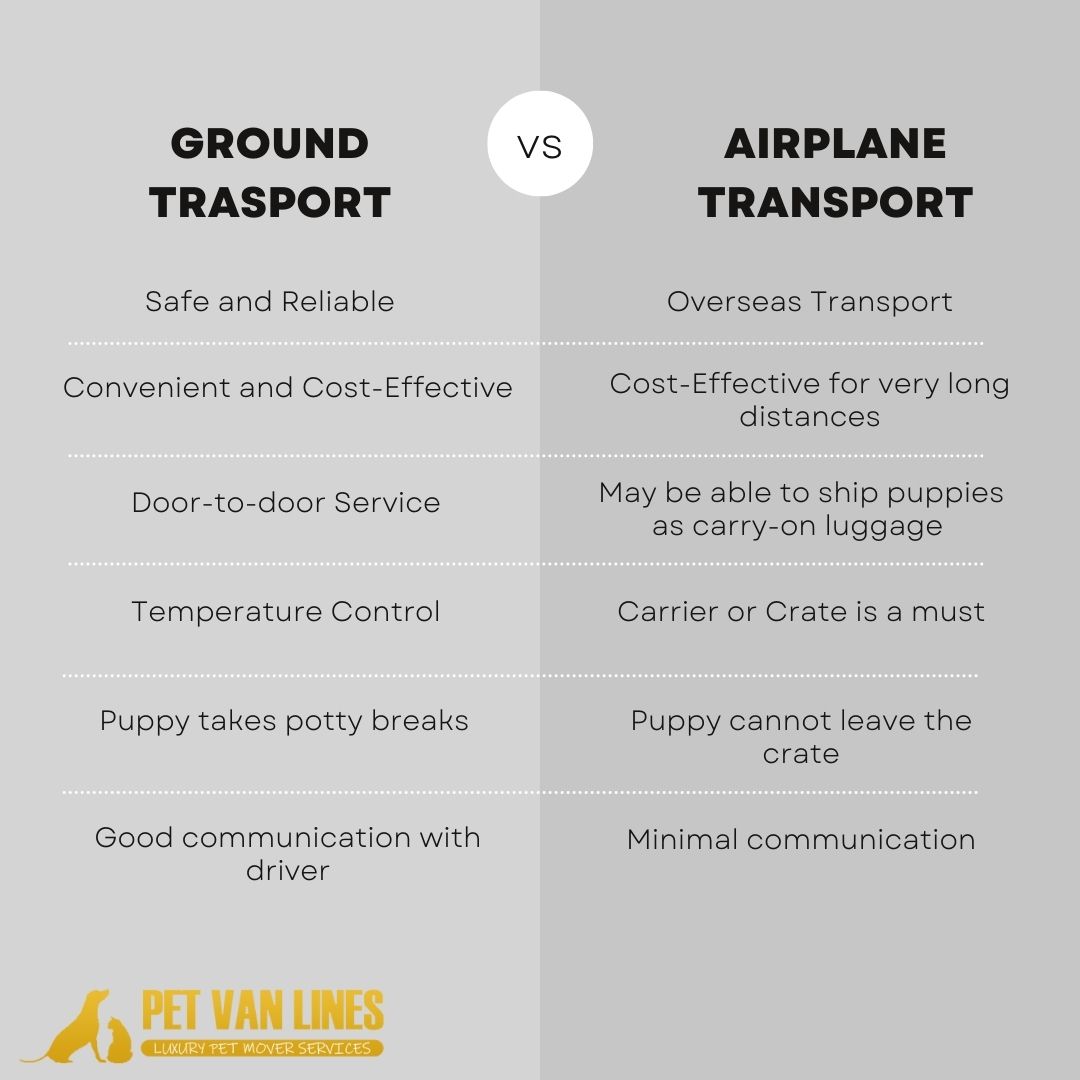
- Air Cargo: Often perceived as the fastest option, air cargo can also be among the most expensive. Airlines have strict regulations regarding pet travel, including specific crate requirements, temperature restrictions, and blackout dates. Costs typically include the airline’s pet cargo fee, which varies by destination, the puppy’s weight, and the size of the kennel. Additional charges may apply for peak travel times or specialized handling. For a cross-country flight, expect fees ranging from $250 to over $1,000, not including ancillary costs. These fees are subject to change and often require pre-booking and adherence to a strict schedule, which can incur penalty fees for missed deadlines.
- Ground Transport Services: Professional ground transport companies specialize in door-to-door pet delivery, often using climate-controlled vehicles and providing direct care. While potentially slower than air travel, it can be a less stressful option for some puppies and might be more cost-effective for shorter to moderate distances. Prices are usually based on mileage, the number of pets, and any specific care requirements. Expect to pay anywhere from $300 to $1,500+, depending on the distance and exclusivity of the service. Some services offer shared routes, which can reduce costs but might extend travel time.
- Dedicated Pet Nanny (In-Cabin Air Travel): This premium service involves a professional accompanying the puppy in the airplane cabin, providing constant care and supervision. While significantly more expensive due to the cost of a human ticket plus the pet-in-cabin fee (typically $100-$200), it offers the highest level of direct care and comfort for the puppy. This option is usually reserved for smaller puppies that can fit under the seat. The total cost can easily range from $800 to $3,000+, factoring in the nanny’s fee, airfare, and the pet-in-cabin fee. This is often chosen for high-value puppies or those requiring extra sensitivity.
Veterinary Expenses and Health Certificates
Before any interstate travel, a puppy must meet specific health requirements, which translates into mandatory veterinary expenses.
- Veterinary Examination: A comprehensive vet check-up is crucial to ensure the puppy is healthy enough for travel. This typically costs $50-$150. The veterinarian will assess general health, check for parasites, and ensure vaccinations are up to date.
- Health Certificate: A USDA-accredited veterinarian must issue a health certificate, usually within 10 days of travel (though some states or airlines require it closer, e.g., 48-72 hours). This document attests to the puppy’s good health and fitness for travel. The cost for a health certificate typically ranges from $75 to $250, depending on the complexity and any additional tests required.
- Vaccinations and Parasite Prevention: All necessary vaccinations (e.g., rabies, distemper, parvovirus) and parasite treatments (deworming, flea/tick prevention) must be current. If any are outstanding, these will add to the vet bill. The financial planning must account for these pre-travel health investments.
Crate and Accessory Investments
The travel crate isn’t just a container; it’s a temporary home for the puppy and a critical safety component. Airlines and ground transporters have specific requirements for approved shipping crates (e.g., IATA-compliant for air travel).
- Airline-Approved Crate: The cost of a suitable, sturdy, ventilated, and correctly sized crate can range from $50 to $200, depending on the size and brand. It must be large enough for the puppy to stand up, turn around, and lie down comfortably. Investing in a good quality crate is essential for the puppy’s safety and comfort, and a poorly chosen one could lead to denied travel.
- Travel Accessories: Include water dishes (clip-on bowls are often required for air travel), absorbent bedding (e.g., shredded paper or a thin, washable pad), and “Live Animal” stickers. These minor costs, typically under $50, add up and are necessary for compliance and welfare.
Budgeting and Financial Planning for Puppy Relocation
Effective financial planning is the cornerstone of a smooth puppy shipping process. It involves more than just tallying up known expenses; it requires anticipating contingencies and making informed comparisons.
Comparing Service Providers and Cost-Benefit Analysis
The market for pet shipping services is diverse, with varying price points and service levels. A thorough cost-benefit analysis is crucial.
- Obtain Multiple Quotes: Contact at least three different pet shipping companies or airlines for detailed quotes. Don’t just compare headline prices; inquire about what’s included (e.g., vet visit coordination, flight booking, crate provision, tracking services, insurance).
- Evaluate Value Beyond Price: A cheaper service might cut corners on crucial aspects like communication, direct care, or adherence to best practices. Conversely, the most expensive isn’t always the best fit. Look for companies with transparent pricing, excellent reviews (especially regarding animal welfare and communication), and comprehensive service packages that align with your budget and priorities. Consider the potential financial and emotional cost of choosing a less reputable, cheaper service if something goes wrong.
- Understand Payment Structures: Some companies require full payment upfront, while others may ask for a deposit and final payment upon delivery. Understand their refund policies, especially in cases of flight cancellations or unforeseen delays, which can have significant financial repercussions.
Unexpected Expenses and Contingency Funds
Even with meticulous planning, unforeseen circumstances can arise, leading to additional costs. A contingency fund is vital.
- Flight Delays or Cancellations: Weather, mechanical issues, or airline operational changes can lead to delays or cancellations. This might necessitate extra nights in kennels, rebooking fees, or additional vet visits if the health certificate expires. Budget an extra 10-20% of your total estimated cost for such eventualities.
- Additional Vet Requirements: Some states or airlines might have specific, less common vaccination requirements or additional tests (e.g., specific blood tests) that surface closer to the travel date.
- Last-Minute Supplies: Forgetting a crucial item or needing a different size crate at the last minute can lead to rushed, expensive purchases.
- Emergencies: While rare, a medical emergency during transit could result in immediate veterinary expenses. While insurance can help, initial out-of-pocket costs may be required.
The Role of Pet Shipping Insurance
Pet shipping insurance acts as a financial safeguard against various risks during transit, mitigating potential losses.
- Coverage Options: Most pet shipping companies offer or recommend insurance policies. These can cover various scenarios, including loss, injury, illness, or even death during transit. Some policies might also cover costs associated with travel delays or missed connections.
- Cost vs. Risk: The cost of insurance is usually a small percentage of the overall shipping fee (e.g., 1-5%). For high-value puppies, rare breeds, or puppies traveling long distances, this is a highly advisable investment. The financial peace of mind it offers can be invaluable.
- Policy Details: Thoroughly read the terms and conditions, understanding deductibles, exclusions, and the claims process. Ensure the declared value of the puppy aligns with the coverage limits. This due diligence is crucial to avoid financial surprises if a claim becomes necessary.
Financial Implications for Breeders and Buyers
The financial journey of shipping a puppy has distinct considerations for both the seller (breeder) and the buyer, influencing pricing, due diligence, and financial record-keeping.
Pricing Strategies for Breeders
For breeders, shipping costs are often factored into the overall pricing strategy or presented as a separate itemized charge.

- Transparent Cost Breakdown: Breeders should provide a clear and transparent breakdown of shipping costs to potential buyers. This builds trust and avoids misunderstandings. Options include an all-inclusive price that covers shipping or itemizing the puppy’s price separately from shipping.
- Negotiation and Invoicing: Be prepared to discuss shipping options and their associated costs. Utilize professional invoicing systems that clearly detail all charges, including the puppy price, vet checks, crate, transport, and insurance. This ensures clear financial records for both parties.
- Protecting Investment: Shipping a puppy represents the culmination of significant investment in breeding, care, and health. Adequate insurance and reputable shipping methods are crucial to protect this financial and emotional investment.
Buyer’s Due Diligence: Avoiding Financial Scams
Buyers must exercise extreme financial caution to avoid scams, which are unfortunately prevalent in the online pet market.
- Verify Seller’s Authenticity: Before making any payments, verify the breeder’s legitimacy. Look for verifiable references, professional websites, social media presence, and physical addresses. A legitimate breeder will be transparent and willing to provide detailed information.
- Secure Payment Methods: Avoid wire transfers, gift cards, or other untraceable payment methods. Opt for secure options like PayPal (using goods and services, not friends and family), credit card transactions, or bank transfers that offer some level of buyer protection. Escrow services, though sometimes incurring a small fee, can provide an excellent layer of financial security.
- Red Flags: Be wary of unusually low prices, pressure to pay immediately, refusal to provide vet records or video calls with the puppy, and requests for additional, unexpected fees after initial payment. These are common indicators of financial fraud. Never send money for a puppy you haven’t seen or from a breeder you haven’t thoroughly vetted.
Tax Considerations and Record Keeping
Both buyers and sellers should be mindful of tax implications and maintain meticulous financial records.
- Sales Tax: Depending on the state, sales tax may apply to the purchase of a puppy. Breeders, especially those operating as a business, must understand and comply with local and state sales tax regulations.
- Business Expenses for Breeders: For professional breeders, shipping costs, vet bills, advertising, and other related expenses are typically tax-deductible business expenses. Accurate record-keeping is crucial for tax purposes.
- Documentation: Maintain all invoices, receipts, health certificates, transport contracts, and communication logs. This financial documentation is essential for accounting, tax reporting, and resolving any disputes that may arise.
Leveraging Financial Tools and Best Practices
Modern financial tools can streamline the payment process, enhance security, and provide clarity in managing the costs associated with puppy shipping.
Online Payment Systems and Escrow Services
These tools offer convenience and a layer of security for financial transactions.
- PayPal for Business/Goods & Services: When paying for a puppy, always use the “Goods & Services” option on PayPal. While it incurs a small fee for the seller, it provides buyer protection, allowing you to dispute transactions if the item (puppy) is not delivered as described. This is a critical financial safeguard.
- Escrow Services: Specialized pet escrow services hold funds from the buyer in a secure third-party account until the puppy is safely delivered. This protects both parties financially. The buyer’s money is safe until they confirm receipt, and the seller is assured of payment once their part of the agreement is fulfilled. These services typically charge a percentage of the transaction, which is a worthwhile investment for peace of mind.
- Bank Transfers (Wire vs. ACH): While wire transfers are fast, they are irreversible and should be used with extreme caution, only with trusted parties. ACH (Automated Clearing House) transfers are safer but slower.
Financing Options for Significant Costs
For some, the cumulative cost of a puppy and its shipping might represent a substantial financial outlay. Exploring financing options can be helpful, though they come with their own financial responsibilities.
- Personal Loans: Banks or credit unions offer personal loans that can cover larger expenses. Interest rates vary based on creditworthiness.
- Credit Cards: Using a credit card can provide flexibility, especially those with 0% introductory APR periods. However, high interest rates after the promotional period can quickly escalate costs if not paid off promptly.
- Payment Plans: Some reputable breeders or shipping companies might offer payment plans, though this is less common for the shipping portion itself. If available, carefully review the terms and interest rates.
- Budgeting Apps and Software: Utilize apps like Mint, YNAB (You Need A Budget), or custom spreadsheets to track all puppy-related expenses. Categorizing these costs helps in understanding where your money is going and adhering to your budget.
Documenting All Transactions for Financial Clarity
Thorough documentation is not just for tax purposes; it’s essential for managing disputes, tracking expenses, and ensuring transparency.
- Receipts and Invoices: Keep digital and physical copies of every transaction: puppy purchase, vet bills, health certificates, crate purchase, shipping fees, and insurance premiums.
- Communication Records: Save emails, text messages, and call logs with breeders, veterinarians, and shipping companies, especially those related to agreements, costs, and scheduling.
- Contracts: Any written agreements with breeders or shipping companies should be signed and kept securely. These legal documents clarify financial responsibilities and service expectations.
Maximizing Value and Minimizing Risk
Beyond just managing costs, the financial strategist aims to maximize the value received for the expenditure while diligently minimizing financial and other risks.
Strategic Timing for Cost Efficiency
Timing can significantly impact shipping costs.
- Off-Peak Seasons: Shipping during off-peak travel times (e.g., outside major holidays or summer months) can often result in lower airline cargo fees and more availability.
- Flexibility: Being flexible with travel dates can sometimes unlock more economical options.
- Weather Considerations: While not directly a financial cost, shipping during extreme weather can lead to delays, necessitating additional unforeseen expenses for lodging or extended care, in addition to potential health risks for the puppy. Plan during mild weather periods to avoid costly disruptions.
Due Diligence Beyond Price
While price is a major factor, the cheapest option is rarely the best when a live animal’s welfare is at stake.
- Reputation of Shippers: Investigate the track record of pet shipping companies. Look for longevity in business, positive reviews from other pet owners (not just on their own site), and accreditation from organizations like IPATA (International Pet and Animal Transportation Association). A reputable shipper, though potentially more expensive, minimizes the risk of costly delays, mishandling, or tragic outcomes.
- Airline Pet Policies: For air travel, thoroughly research the specific airline’s pet policies. Some airlines have better pet safety records and more pet-friendly procedures, which, while not always cheaper, offer better protection for your financial and emotional investment.
- Breeder’s Practices: A responsible breeder will prioritize the puppy’s well-being over cost-cutting. They will recommend reputable shippers, ensure all health clearances are met, and be transparent about all associated fees. Their practices indirectly reduce your financial risk by ensuring a healthy, well-prepared puppy for transit.

Long-Term Financial Considerations for Pet Ownership
The cost of shipping is merely the initial outlay in the long-term financial commitment of pet ownership.
- Ongoing Pet Care: Factor in the recurring costs of food, vet visits, grooming, training, and potential emergency medical care for the puppy’s entire life. A healthy puppy delivered safely is a sound initial investment that minimizes future unexpected health-related financial burdens.
- Return on Investment (Emotional and Financial): While puppies are not financial investments in the traditional sense, their safe arrival and integration into a new home provides immense emotional returns. For breeders, successful, safe deliveries build reputation and customer loyalty, contributing to long-term business viability.
Shipping a puppy to another state is a journey fraught with financial considerations. By meticulously budgeting, comparing services, understanding potential risks, leveraging financial safeguards like insurance and secure payment methods, and maintaining thorough records, both buyers and sellers can navigate this process with confidence and financial prudence. The goal is to ensure the safe, comfortable, and financially sound relocation of a precious new family member.
aViewFromTheCave is a participant in the Amazon Services LLC Associates Program, an affiliate advertising program designed to provide a means for sites to earn advertising fees by advertising and linking to Amazon.com. Amazon, the Amazon logo, AmazonSupply, and the AmazonSupply logo are trademarks of Amazon.com, Inc. or its affiliates. As an Amazon Associate we earn affiliate commissions from qualifying purchases.