
The landscape of digital entertainment underwent a seismic shift in early 2024, marking the end of an era for one of the world’s most popular subscription services. For over a decade, Amazon Prime Video was marketed as a premium, ad-free perk of the broader Amazon Prime ecosystem. However, as the “Streaming Wars” matured and the cost of capital rose, the financial math governing these platforms shifted from a focus on rapid user acquisition to a relentless pursuit of profitability.
If you noticed commercials interrupting your favorite shows recently, you are witnessing a calculated business move that redirected billions of dollars in the global advertising market. Understanding when and why Prime Video introduced ads requires a deep dive into the financial pressures of the tech industry, the rising costs of content production, and the changing expectations of Wall Street investors.
The Official Timeline: When the Commercials Started
The transition from a purely ad-free experience to a hybrid model was not an overnight decision, but rather a carefully choreographed rollout designed to minimize subscriber churn while maximizing new revenue streams.
The January 2024 Rollout
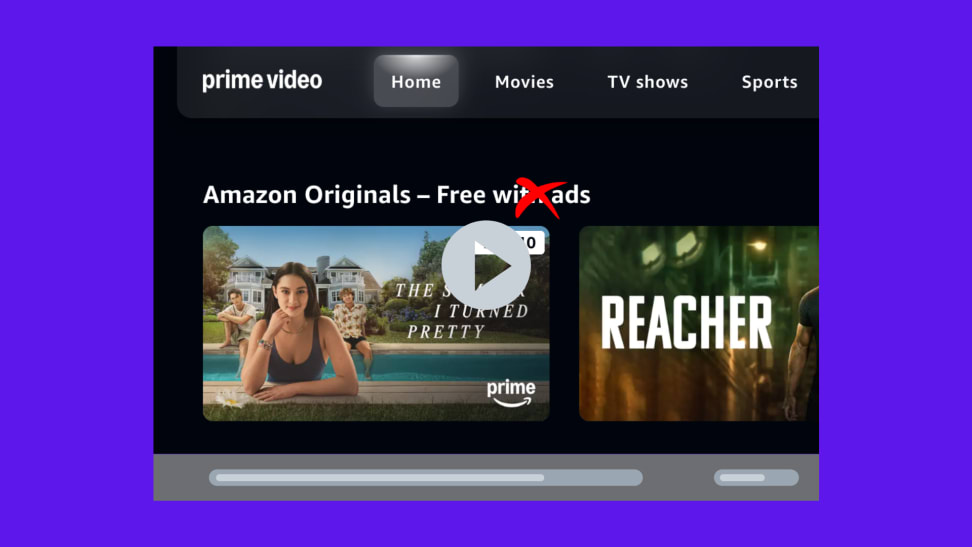
For the majority of users in the United States, the official date that Prime Video introduced ads was January 29, 2024. This date marked a fundamental change in the terms of service for millions of Prime members. Unlike other streaming services that launched separate “Ad-Lite” tiers at a lower price point, Amazon took the controversial step of converting its existing standard membership into an ad-supported tier.
This meant that users who were already paying for Prime saw ads integrated into their movies and TV shows unless they proactively opted to pay an additional monthly fee. This “opt-out” rather than “opt-in” financial strategy was a bold move by Amazon, ensuring that they immediately gained a massive audience for their new advertising platform, which in turn allowed them to charge premium rates to advertisers.
Global Expansion and Tiering
The rollout was not limited to the American market. Shortly after the U.S. launch, the ad-supported model was expanded to the United Kingdom, Germany, and Canada in February 2024. Later in the year, the model moved into France, Italy, Spain, Mexico, and Australia.
By mid-2024, the vast majority of Amazon’s global streaming footprint had been monetized through advertising. From a business finance perspective, this synchronized global rollout allowed Amazon to present a unified value proposition to global brands, offering them a massive, logged-in audience with verified purchase histories—a goldmine for targeted advertising.
The Financial Rationale Behind the Move
Why would a company worth nearly $2 trillion risk frustrating its customer base with advertisements? The answer lies in the harsh realities of the modern subscription economy. For years, streaming services operated at a loss or with razor-thin margins to capture market share. That era of “cheap money” has effectively ended.
Offsetting Rising Content Costs
The price of producing high-quality television has skyrocketed. In 2023, Amazon’s spend on video and music content reached a staggering $18.9 billion. Landmark projects like The Lord of the Rings: The Rings of Power carry price tags in the hundreds of millions for a single season.
From an investment standpoint, relying solely on annual Prime membership fees—which also cover shipping, music, and other services—was no longer a sustainable way to fund a top-tier production studio. By introducing ads, Amazon created a secondary revenue stream that directly subsidizes the production of original content, allowing them to compete with the likes of Netflix and Disney without continuously hiking the base price of the Prime membership, which could lead to mass cancellations.
The Pursuit of Average Revenue Per User (ARPU)
In the world of corporate finance, ARPU is a critical metric for determining a company’s health. Before 2024, Amazon’s video ARPU was essentially fixed based on the membership fee. By introducing ads, Amazon unlocked a variable revenue stream.
Industry analysts estimate that ad-supported tiers can generate an additional $5 to $7 in monthly revenue per user through a combination of the $2.99 ad-free “buy-up” and the revenue generated from commercials. For Amazon, this doesn’t just represent “extra” money; it represents a more resilient business model that can withstand fluctuations in subscriber growth. Even if subscriber numbers plateau, revenue can continue to grow as the advertising market matures and ad slots become more valuable.
How Prime Video Ads Impact Your Personal Finance

The introduction of ads is not just a corporate strategy; it is a direct impact on the personal finance of the consumer. As “subscription fatigue” sets in, many households are being forced to audit their monthly digital spending.
The Cost of Going Ad-Free
To maintain the experience they had for years, Amazon Prime members are now required to pay an additional $2.99 per month. While three dollars might seem negligible in isolation, it represents a nearly 20% to 25% increase in the effective cost of the video service for those who value an uninterrupted experience.
When added to the standard Prime membership—which has also seen its own price hikes over the years—the “total cost of ownership” for Amazon’s ecosystem is reaching a point where users must decide if the convenience of Prime Shipping and the library of Prime Video justifies a nearly $200 annual commitment.
Comparing the Competitive Landscape
Amazon’s move followed a trend set by its competitors. Netflix introduced its ad-supported tier in late 2022, and Disney+ followed shortly after. However, there is a distinct difference in the financial impact on the consumer:
- Netflix: Offers a cheaper tier for those willing to watch ads, keeping the “Standard” price the same for ad-free.
- Disney+: Used the introduction of ads as a reason to hike the price of the ad-free tier.
- Amazon: Converted the standard tier to include ads and added a surcharge to remove them.
From a personal finance perspective, this means the “ad-free” luxury is becoming a premium product across the entire industry. Consumers are effectively being taxed for their time or their preference for privacy, a shift that is fundamentally changing how we budget for digital entertainment.
Amazon’s Multi-Billion Dollar Advertising Machine
To understand when and why ads appeared on Prime Video, one must look at Amazon’s broader identity as an advertising powerhouse. While most people think of Amazon as a retailer, its advertising business is one of its fastest-growing and most profitable segments.
The Power of “Closed-Loop” Advertising
What makes Prime Video ads more valuable than traditional cable commercials is the “closed-loop” data Amazon possesses. Amazon knows what you watch, but they also know what you buy, what you search for, and where you live.
When an ad for a new detergent plays during a Prime Video show, Amazon can track whether that viewer subsequently purchased that detergent on the Amazon store. This level of attribution is the “holy grail” for marketers and allows Amazon to charge significantly higher CPMs (cost per thousand impressions) than traditional broadcasters. The financial incentive to integrate this data with long-form video content was simply too great to ignore.
Diversifying Beyond the Retail Marketplace
For years, Amazon’s advertising was confined to its search results page. By moving into Prime Video, the company has entered the “Upper Funnel” of marketing—brand awareness. This allows them to capture budgets that were previously reserved for national TV spots. Financially, this diversifies Amazon’s revenue away from the low-margin business of shipping physical goods and toward the high-margin business of digital ad placement.
The Future of the Subscription Economy
The arrival of ads on Prime Video in early 2024 was a signal that the “Golden Age” of ad-free, subsidized streaming is officially over. As we look forward, the financial structure of how we consume media will likely continue to evolve.
The Death of the Ad-Free Era?
We are seeing a return to a model that looks remarkably like the cable television of the 1990s, albeit delivered over the internet. The “Money” story here is one of consolidation and monetization. As the market reaches saturation—meaning almost everyone who wants a streaming service already has one—companies can no longer grow by finding new customers. They must grow by extracting more value from existing ones.
Strategic Recommendations for Consumers
From a financial planning perspective, the introduction of ads on Prime Video should serve as a catalyst for consumers to practice “subscription cycling.” Instead of maintaining a permanent, ad-free connection to every service, it is becoming more financially prudent to subscribe to one service at a time, binge the desired content, and then cancel.
The $2.99 ad-free fee on Prime Video may seem small, but across five or six services, these “micro-transactions” can easily add up to $400 or $500 a year. In the new streaming economy, your attention is the currency, and companies like Amazon are finding increasingly sophisticated ways to put a price tag on it.
The 2024 shift was not just about adding commercials; it was a pivot toward a more aggressive, data-driven financial model that prioritizes the bottom line of the balance sheet over the uninterrupted viewing experience of the user. Whether this move will lead to long-term growth or consumer backlash remains the multi-billion dollar question for Amazon’s investors.
aViewFromTheCave is a participant in the Amazon Services LLC Associates Program, an affiliate advertising program designed to provide a means for sites to earn advertising fees by advertising and linking to Amazon.com. Amazon, the Amazon logo, AmazonSupply, and the AmazonSupply logo are trademarks of Amazon.com, Inc. or its affiliates. As an Amazon Associate we earn affiliate commissions from qualifying purchases.