
The Amazon Rainforest, often referred to as the Amazon jungle, is a vast and irreplaceable natural wonder, critical to global biodiversity and climate regulation. While the direct answer to “what country is the Amazon jungle in” involves a list of South American nations, this geographical distribution is merely the preface to a much larger narrative concerning immense economic value, intricate financial challenges, and unparalleled opportunities for sustainable development. This article delves beyond the map, exploring the financial stakes, economic drivers, and monetary consequences tied to the world’s largest rainforest, viewing it through the lens of global and local economies.
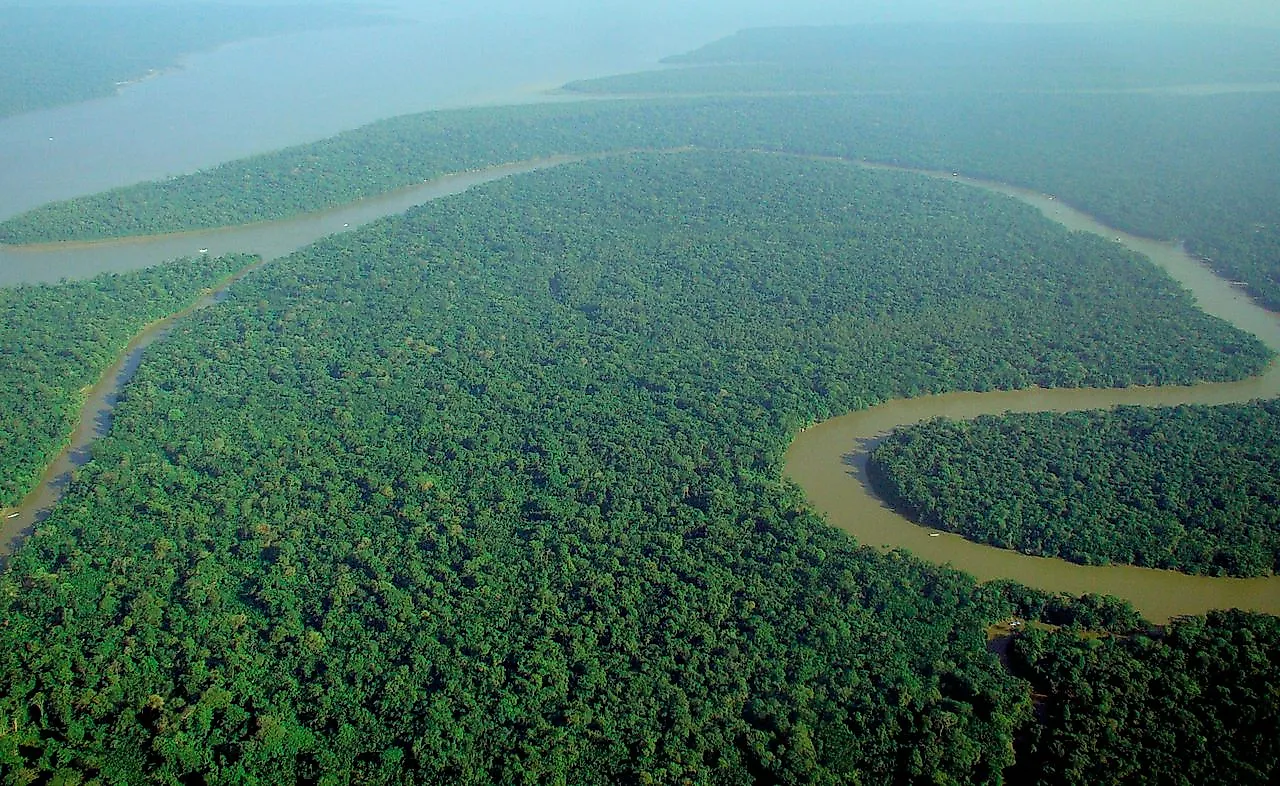
The Amazon’s Geographic Footprint and its Shared Economic Destiny
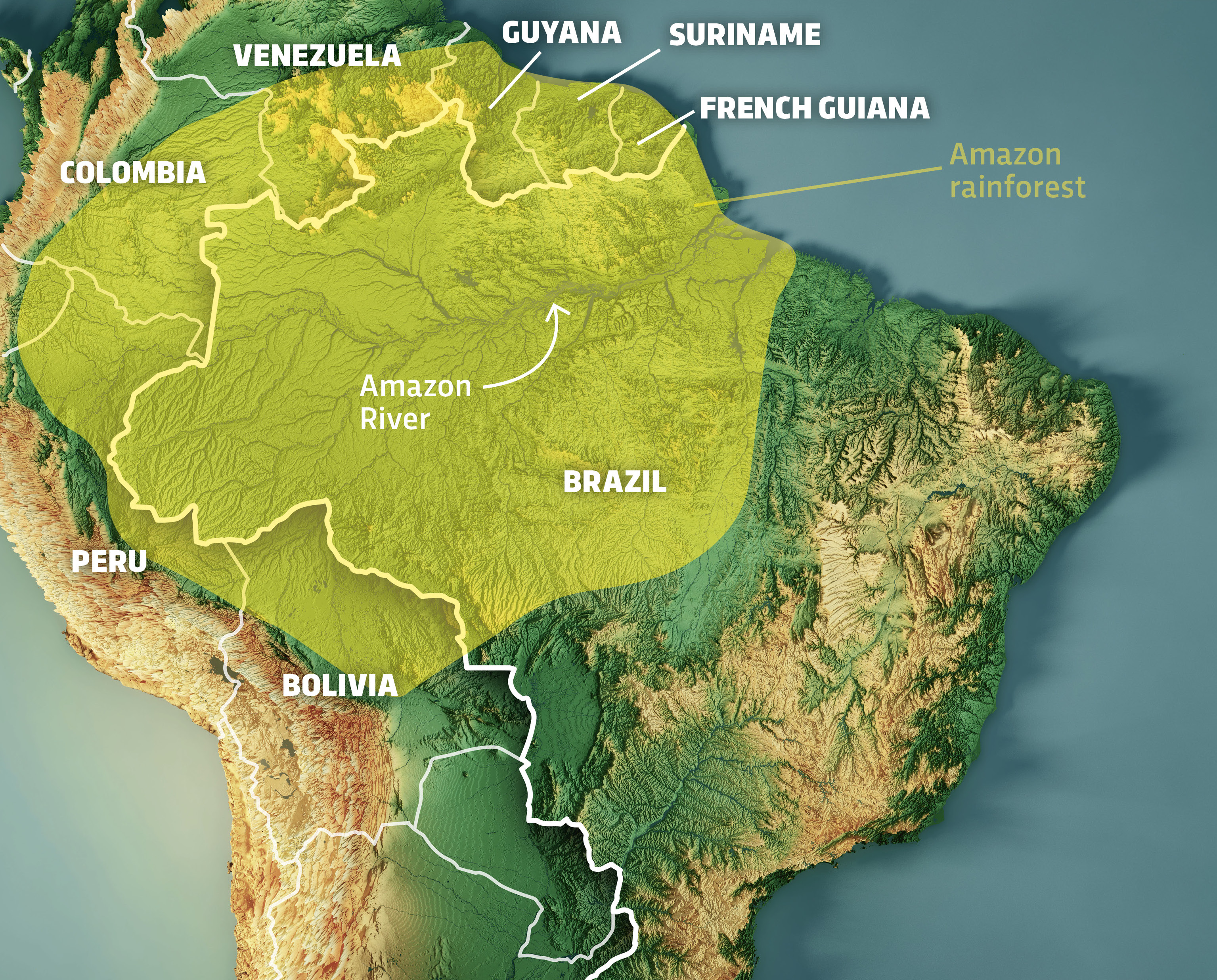
The Amazon Basin, encompassing the rainforest, spans an immense area, primarily concentrated across several South American nations. Understanding this shared geography is the initial step in comprehending the complex economic web that binds these countries to the rainforest and, by extension, to global financial systems. The territorial claims over this natural treasure imbue each nation with unique economic responsibilities, resource management challenges, and the potential for collective financial prosperity or peril.
Nine Nations, One Ecosystem: Identifying the Key Players
While commonly associated with Brazil, the Amazon Rainforest is a transboundary ecosystem touching nine sovereign nations. Brazil hosts the largest share, approximately 60% of the rainforest. The remaining significant portions are distributed among Peru (13%), Bolivia (8%), Colombia (7%), Ecuador (2%), French Guiana (1.5%, an overseas department of France), Guyana (1.5%), Suriname (2%), and Venezuela (6%). Each of these countries possesses unique geopolitical and economic landscapes that directly influence their interaction with and stewardship of their respective Amazonian territories. From the established market economies to emerging ones, the rainforest represents a colossal natural asset with varying degrees of integration into national fiscal policies and international financial frameworks. The distribution itself creates a complex patchwork of regulatory environments, investment climates, and socio-economic dynamics that are crucial for understanding the overall financial health and future of the Amazon.
Sovereignty, Resources, and Economic Interdependence
The concept of national sovereignty plays a crucial role in how each Amazonian country approaches the economic utilization and conservation of its rainforest segment. This sovereignty grants nations the right to manage their natural resources, including vast timber reserves, mineral deposits (such as gold, iron ore, and bauxite), oil and gas fields, and an unparalleled wealth of biological resources. However, the transboundary nature of the Amazon means that economic activities in one country can have ripple effects, both positive and negative, on neighboring nations and the entire ecosystem. For instance, deforestation for agricultural expansion in one country might impact rainfall patterns or river systems in another, leading to shared economic vulnerabilities or conflicts over resource management. This interdependence highlights the need for regional economic cooperation and international financial mechanisms to foster sustainable development and mitigate cross-border environmental and economic risks. The challenge lies in balancing national economic aspirations, often driven by immediate revenue needs, with the long-term ecological and financial benefits of preserving the rainforest.
Unlocking the Amazon’s Intrinsic Financial Value
The economic worth of the Amazon extends far beyond the traditional extraction of raw materials. Its true intrinsic financial value lies in its role as a global provider of ecosystem services, a reservoir of genetic resources, and a crucible of indigenous knowledge—all of which have tangible and intangible monetary implications that are increasingly being recognized and valued in global finance.
Beyond Timber: The Hidden Wealth of Biodiversity and Ecosystem Services
While timber, agriculture, and mining have historically driven much of the economic activity in the Amazon, these represent only a fraction of its total financial value, often at a significant ecological cost. The real “hidden wealth” of the Amazon resides in its unparalleled biodiversity. This biological treasure trove provides invaluable ecosystem services, including carbon sequestration (critical for climate change mitigation, valued in carbon markets), regulation of global weather patterns, freshwater generation, and nutrient cycling for global food systems. The financial value of these services, though difficult to quantify precisely, is staggering. For example, the economic cost of losing the Amazon’s carbon sink capacity alone could run into trillions of dollars globally due due to accelerated climate change impacts. Furthermore, the genetic material within its vast array of plants, animals, and microorganisms holds immense potential for pharmaceutical discoveries, biotechnology advancements, and agricultural innovation, promising significant financial returns for future generations. Investing in the preservation of this biodiversity is not merely an environmental act; it is a profound economic investment in global health, stability, and future prosperity.
Natural Capital: Quantifying the Irreplaceable Assets
The concept of natural capital seeks to integrate the value of natural assets into economic accounting, treating ecosystems like the Amazon as capital assets that generate a flow of valuable goods and services. From a financial perspective, the Amazon’s natural capital includes its forests, rivers, soils, and the life they sustain. Quantifying this capital helps policymakers and investors understand the true economic cost of degradation and the financial benefits of conservation. Methodologies like Payment for Ecosystem Services (PES) schemes are emerging, where downstream beneficiaries (e.g., cities relying on Amazonian rivers for water, or global industries reliant on climate stability) financially compensate upstream land stewards for maintaining these vital services. The development of robust natural capital accounting frameworks is crucial for attracting green finance and ensuring that the economic decisions made within the Amazonian countries reflect the full, long-term value of their natural endowments, moving beyond short-sighted extractive models.
The Economic Calculus of Indigenous Knowledge and Local Economies
Indigenous communities and traditional populations living within the Amazon possess invaluable knowledge regarding sustainable resource management, medicinal plants, and forest ecology. This traditional ecological knowledge, accumulated over millennia, represents a significant form of intangible capital with substantial economic implications. For instance, many modern pharmaceuticals have their origins in indigenous plant uses. Protecting the land rights and supporting the economic self-determination of these communities is not only a matter of social justice but also a financially savvy investment. Their sustainable practices often yield economic benefits far surpassing those of large-scale industrial exploitation, fostering local economies based on sustainable harvesting of non-timber forest products (like açaí, Brazil nuts, and rubber), eco-tourism, and handicrafts. Recognizing and integrating indigenous economic models into broader financial strategies for the Amazon can unlock novel revenue streams, reduce deforestation rates, and provide more equitable distribution of wealth generated from the rainforest’s resources.

Financial Challenges and Opportunities in Amazonian Development
The immense economic potential of the Amazon is shadowed by equally immense financial challenges, primarily stemming from the pressure to exploit its resources for short-term economic gains. Balancing economic development with environmental preservation requires innovative financial mechanisms, responsible investment, and a global commitment to sustainable practices.
The High Cost of Conservation: Funding Sustainable Futures
Effective conservation of the Amazon requires substantial and sustained financial investment. This includes funding for protected areas, enforcement against illegal deforestation and mining, sustainable land management practices, and support for communities engaged in conservation. Historically, developing nations, even those rich in biodiversity, often struggle to allocate sufficient funds for these purposes dueating to competing demands for public resources, such as infrastructure, education, and healthcare. This creates a reliance on international aid, philanthropic donations, and innovative financial instruments. The “cost of conservation” is often perceived as a burden, yet the “cost of inaction”—the economic losses from climate change, biodiversity loss, and resource depletion—is exponentially higher. Therefore, securing long-term, predictable funding for Amazonian conservation is a critical financial challenge that demands global cooperation, including debt-for-nature swaps, impact investing, and dedicated climate funds.
Sustainable Industries: Ecotourism, Bio-Trade, and Green Investments
The Amazon presents a vast frontier for sustainable economic development, moving beyond destructive practices towards industries that value and preserve its natural capital. Ecotourism, for instance, offers a significant revenue stream for local communities and national economies, providing incentives for forest preservation by showcasing its natural beauty and biodiversity. The burgeoning bio-trade sector focuses on ethically sourcing and marketing non-timber forest products, such as medicinal plants, exotic fruits, and sustainable rubber, creating value chains that directly benefit local populations while maintaining ecosystem integrity. Furthermore, there is a growing interest in green investments and climate finance targeting sustainable agriculture (e.g., agroforestry), renewable energy projects, and advanced monitoring technologies. These investments aim to decouple economic growth from deforestation and degradation, demonstrating that financial prosperity and environmental stewardship can be mutually reinforcing. The challenge lies in scaling these initiatives and attracting sufficient capital to compete with more destructive, but often immediately lucrative, ventures.
The Perils of Unsustainable Exploitation: Mining, Agriculture, and Their Financial Aftermath
Conversely, the pursuit of short-term financial gains through unsustainable exploitation poses significant long-term economic risks. Illegal mining, particularly for gold, not only causes severe deforestation and mercury pollution but also fuels illicit economies and social instability, incurring significant public health and environmental remediation costs. Large-scale cattle ranching and soy cultivation, major drivers of deforestation, offer immediate agricultural revenues but lead to soil degradation, biodiversity loss, and increased greenhouse gas emissions, undermining the region’s long-term productive capacity and climate resilience. The financial “aftermath” of these activities includes diminished natural capital, increased vulnerability to climate shocks, reduced appeal for ecotourism, and potential penalties under international climate agreements. Moreover, consumer boycotts and investor divestment stemming from unsustainable practices can lead to significant reputational and market access losses for companies and nations involved. Understanding this full economic cost is crucial for shifting financial incentives towards sustainable alternatives.
Global Finance and the Future of the Amazon
The fate of the Amazon is inextricably linked to global financial markets, international policies, and the collective decisions of corporations, governments, and individual investors worldwide. Innovative financial mechanisms and a concerted global effort are essential to secure a sustainable and prosperous future for this vital ecosystem.
International Funding Mechanisms and Carbon Credits
Global finance plays a pivotal role in shaping the economic trajectory of the Amazon. International funding mechanisms, such as grants from multilateral development banks (e.g., the World Bank, Inter-American Development Bank), bilateral aid, and climate funds (e.g., the Green Climate Fund), provide crucial capital for conservation and sustainable development projects. A particularly innovative area is the development of carbon credit markets, where countries or companies that reduce greenhouse gas emissions through forest preservation (REDD+ initiatives) can sell carbon credits to entities seeking to offset their own emissions. This mechanism offers a direct financial incentive for keeping forests standing, turning the Amazon’s carbon sequestration capacity into a valuable economic asset. However, the integrity and equity of these markets require robust monitoring, transparent governance, and fair distribution of benefits to local communities.
Corporate Responsibility and Supply Chain Economics
Multinational corporations sourcing products or raw materials from Amazonian countries wield significant economic power and influence over land-use practices. Growing consumer demand for ethically and sustainably sourced products, coupled with increasing investor scrutiny of environmental, social, and governance (ESG) factors, is pushing companies to adopt more responsible supply chain practices. This includes commitments to zero-deforestation policies, traceability systems to prevent products linked to illegal deforestation from entering markets, and investments in sustainable production methods. From a financial perspective, companies that fail to address these issues face reputational damage, consumer boycotts, regulatory fines, and potential exclusion from investment portfolios. Conversely, those that champion sustainable sourcing can gain a competitive advantage, enhance brand value, and attract socially responsible investment. The economic imperative for corporate responsibility is thus a powerful driver for change in the Amazon.
Investing in Resilience: Climate Change Adaptation and Mitigation Funds
The Amazon is on the front lines of climate change, experiencing altered rainfall patterns, increased temperatures, and more frequent extreme weather events. These changes have significant economic implications, impacting agriculture, water resources, and the health of the ecosystem itself. Investing in climate change adaptation measures—such as developing drought-resistant crops, restoring degraded lands, and building resilient infrastructure—is a financial necessity to protect the livelihoods of Amazonian communities and the long-term productivity of the region. Similarly, mitigation funds, aimed at reducing emissions through forest protection and sustainable energy projects, offer a financial pathway to stabilize the climate and safeguard the Amazon’s crucial role as a global carbon sink. These investments are not merely environmental expenditures; they are strategic financial outlays to ensure regional stability, food security, and global climate resilience, recognizing that the economic health of the Amazon is intricately tied to the financial health of the planet.
In conclusion, while the Amazon jungle is geographically located across nine South American countries, its economic significance transcends these borders. It represents an immense natural capital asset, generating invaluable ecosystem services and offering sustainable development opportunities. The financial challenges are substantial, demanding innovative funding, responsible corporate behavior, and global cooperation. Ultimately, the question of “what country is the Amazon jungle in” evolves into a more profound inquiry: “What financial future will the world collectively invest in for the Amazon?” The answer will determine not only the fate of this irreplaceable biome but also the economic and ecological well-being of the entire planet.
aViewFromTheCave is a participant in the Amazon Services LLC Associates Program, an affiliate advertising program designed to provide a means for sites to earn advertising fees by advertising and linking to Amazon.com. Amazon, the Amazon logo, AmazonSupply, and the AmazonSupply logo are trademarks of Amazon.com, Inc. or its affiliates. As an Amazon Associate we earn affiliate commissions from qualifying purchases.