
In an era where every dollar counts, optimizing your spending on essential purchases like groceries has become a paramount financial strategy. For millions of consumers, Amazon Prime offers a gateway to entertainment, expedited shipping, and, significantly, a suite of exclusive discounts and benefits at Whole Foods Market. This guide delves into the specifics of leveraging your Amazon Prime membership to unlock substantial savings, transforming your grocery shopping from a routine expenditure into a calculated financial advantage. By understanding the mechanisms and employing strategic shopping habits, Prime members can significantly reduce their food budget, making the most out of their membership investment.

Unlocking the Core Benefits: Amazon Prime’s Value at Whole Foods
At its heart, the partnership between Amazon Prime and Whole Foods Market is designed to enhance the value proposition for Prime members while attracting more customers to Whole Foods. This synergy translates into tangible savings and conveniences that, when understood and utilized effectively, can have a notable impact on your personal finances.
Exclusive Member-Only Savings: The Yellow and Blue Tag Advantage
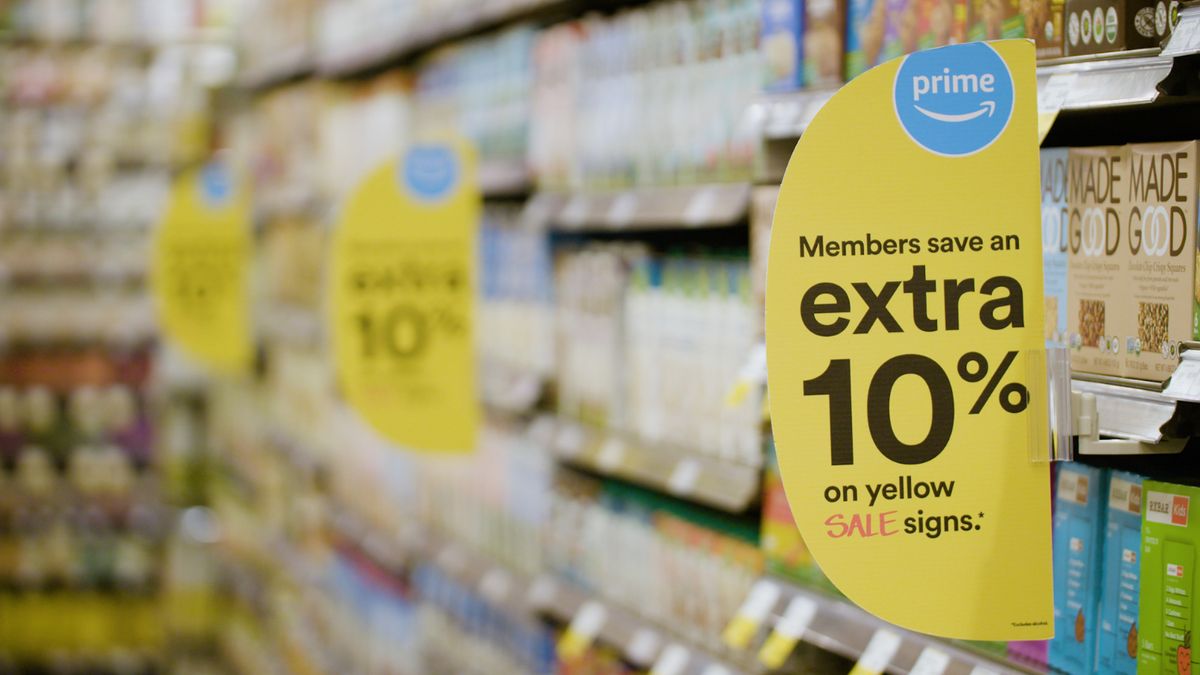
The most visible and immediate benefit for Prime members at Whole Foods are the exclusive discounts marked by distinctive yellow and blue tags throughout the store. These aren’t just random markdowns; they represent a curated selection of products across various departments – from produce and pantry staples to meat, seafood, and dairy – available at a lower price point solely for Prime members.
- Identifying Savings: Shoppers should actively look for these tags. Yellow tags typically denote general Prime member discounts, while blue “Weekly Deals” tags signify rotating, often deeper, discounts on specific items that change weekly. Familiarizing yourself with these visual cues is the first step in maximizing your savings.
- Targeted Product Selection: The discounted items often include popular brands and Whole Foods’ own 365 Everyday Value products, making it easier to save on items you might already be purchasing.
- Strategic Stock-Up: When high-demand, non-perishable items or freezer-friendly goods are on a Prime-exclusive sale, it can be financially prudent to stock up, further extending the value of these discounts. This requires a proactive approach to weekly flyers and in-store observation.
Capitalizing on the Amazon Prime Rewards Visa Signature Card
Beyond the in-store tags, the Amazon Prime Rewards Visa Signature Card offers a powerful financial tool for Whole Foods shoppers. This card is a must-have for those looking to deepen their savings and earn rewards on everyday spending.
- 5% Back at Whole Foods Market: The standout feature for grocery shoppers is the ability to earn 5% back on all purchases made at Whole Foods Market (and Amazon.com). This is a substantial rewards rate, especially considering the average household’s grocery expenditure. For a family spending $600 a month on groceries, this translates to $30 in rewards monthly, or $360 annually, effectively offsetting a significant portion of the Prime membership fee itself.
- No Annual Fee (with Prime Membership): The card carries no annual fee as long as you maintain your Prime membership, making the 5% cashback even more attractive as there’s no additional cost to access this high rewards rate.
- Flexible Redemption Options: Rewards can typically be redeemed as a statement credit, applied to Amazon.com purchases, or used for gift cards, offering flexibility in how you convert your savings into tangible financial benefit. Integrating this card into your payment strategy for Whole Foods purchases is a fundamental aspect of maximizing your monetary returns.
Seamlessly Accessing Your Prime Savings In-Store
Having identified the benefits, the next critical step is understanding the practical methods for applying these discounts at the checkout. Whole Foods has streamlined this process, offering multiple convenient ways for Prime members to ensure their savings are automatically applied.
The Whole Foods Market App: Your Digital Discount Gateway
The Whole Foods Market app is arguably the most efficient and recommended method for accessing your Prime benefits in-store. It integrates your Prime membership directly with your shopping experience.
- Linking Your Prime Account: The initial setup involves downloading the app and linking your Amazon Prime account. This one-time process securely stores your membership details, creating a personalized shopping profile.
- Prime Code Scanning: At checkout, simply open the Whole Foods Market app and present your unique Prime Code (a QR code) to the cashier for scanning. This instantaneously applies all eligible Prime member-only discounts to your transaction, eliminating the need for manual input or separate cards.
- Digital Coupons and Offers: The app also serves as a hub for additional digital coupons and personalized offers. These can be “clipped” within the app and automatically applied at checkout when you scan your Prime Code, offering an extra layer of savings beyond the standard Prime discounts. Regularly checking these offers before shopping can lead to unexpected financial gains.
Utilizing Your Phone Number at Checkout

For those who prefer a simpler, app-free approach, or in situations where opening the app might be inconvenient, Whole Foods offers an alternative.
- Verifying Your Membership: Prime members can enter their registered phone number at the self-checkout kiosk or provide it to the cashier at a staffed lane. The system then matches the phone number to your linked Prime account, applying all applicable discounts.
- Ensuring Accuracy: It’s crucial that the phone number you provide is the one associated with your Amazon Prime account to ensure proper discount application. A quick check of your Amazon account settings can confirm this detail. While convenient, this method might not automatically apply digital coupons that require manual “clipping” within the app, highlighting the app’s comprehensive advantage.
Maximizing Your Whole Foods Budget: Advanced Strategies
Beyond the basic discounts, a savvy financial approach to Whole Foods shopping involves combining various strategies to achieve optimal savings. This includes leveraging credit card rewards, understanding delivery options, and making informed purchasing decisions.
Stacking Rewards: Credit Cards and Beyond
For the financially astute shopper, the goal isn’t just to get the Prime discount, but to stack multiple layers of savings and rewards.
- Beyond the Prime Visa Card: While the Amazon Prime Rewards Visa Signature Card offers the highest cashback at Whole Foods, other credit cards might offer rotating bonus categories that include grocery stores. Check your credit card statements or apps to see if any of your other cards offer elevated rewards on groceries during specific quarters. Using these cards in conjunction with your Prime discount (by first scanning your Prime Code/app, then paying with the rewards card) can further enhance your overall financial return.
- Manufacturer Coupons: Don’t overlook traditional manufacturer coupons, both physical and digital. Whole Foods accepts valid manufacturer coupons, which can often be stacked with Prime member discounts and even some Whole Foods’ own sales. Combining these offers requires diligence but can lead to significant price reductions, especially on brand-name items.
- Cashback Apps and Programs: Explore third-party cashback apps (like Ibotta, Fetch Rewards, or Checkout 51) that partner with grocery stores. Many of these apps allow you to scan your receipt after shopping to earn additional cash back on specific items, even after applying Prime discounts. This adds another layer to your financial optimization strategy.
Leveraging Delivery and Pickup Services
Amazon Prime also extends its convenience to Whole Foods delivery and pickup, which can offer both time and indirect financial savings.
- Free Two-Hour Delivery for Prime Members: In most markets, Prime members can enjoy free two-hour delivery on Whole Foods orders over a certain threshold (typically $35). This benefit saves on transportation costs (gas, wear and tear on your car) and valuable time, indirectly contributing to your financial well-being.
- One-Hour Pickup Service: For those who prefer to pick up their groceries, the one-hour pickup option offers similar time-saving benefits without the delivery fee. This can be particularly useful for quickly grabbing a few items without navigating the entire store.
- Evaluating the True Cost: While delivery is “free” with Prime, it’s important to consider tipping delivery drivers, which is an additional cost. Factor this into your budgeting. For small orders below the free delivery threshold, consider the cost of delivery versus the time and gas saved. Sometimes a quick in-store visit for a small purchase makes more financial sense.
Strategic Shopping and Budgeting with Prime Savings
Integrating Prime discounts into your overall financial plan requires more than just knowing how to get them; it requires a strategic approach to when and what you buy.
- Weekly Ad Review: Prioritize reviewing the Whole Foods weekly ad, accessible through the app or website, before creating your shopping list. This allows you to identify Prime-exclusive deals and plan your meals around the best value items.
- Price Comparison: While Whole Foods often carries premium products, the Prime discounts can make certain items competitive with other grocery stores. Regularly compare prices on your staple items, factoring in the Prime discount, to ensure you’re getting the best value.
- Impulse Control and Budget Adherence: The allure of discounts can sometimes lead to overspending. Stick to a shopping list and a budget. Use the Prime discounts as a tool to reduce your planned expenditure, not as an excuse to buy more than you need.
- Cost-Benefit Analysis of Prime Membership: For some, the Whole Foods discounts alone could justify the annual Amazon Prime membership fee. If your monthly Whole Foods savings (from Prime discounts and 5% cashback) consistently exceed the prorated monthly cost of Prime, the membership effectively pays for itself, providing all its other benefits as a bonus. Conduct a simple calculation over a few months to determine if this holds true for your spending habits.
The Long-Term Financial Impact of Smart Whole Foods Shopping
Embracing the Amazon Prime benefits at Whole Foods is not merely about snagging a few dollars off your weekly bill; it’s about adopting a more financially intelligent approach to one of your largest recurring expenses. Over time, consistent utilization of these discounts, combined with smart shopping practices, can yield significant savings that contribute to your overall financial health. These accumulated savings can be redirected towards debt reduction, investment opportunities, or building an emergency fund, bolstering your financial resilience.
By actively engaging with the Whole Foods Market app, leveraging the Amazon Prime Rewards Visa Signature Card, and adopting a disciplined approach to grocery planning, Prime members can transform their shopping routine into a powerful component of their personal finance strategy. It’s a testament to how a well-utilized subscription service can extend its value far beyond its primary offerings, empowering consumers to make financially sound choices in their everyday lives.
aViewFromTheCave is a participant in the Amazon Services LLC Associates Program, an affiliate advertising program designed to provide a means for sites to earn advertising fees by advertising and linking to Amazon.com. Amazon, the Amazon logo, AmazonSupply, and the AmazonSupply logo are trademarks of Amazon.com, Inc. or its affiliates. As an Amazon Associate we earn affiliate commissions from qualifying purchases.