
In the landscape of modern consumerism, few subscriptions are as ubiquitous or as debated as Amazon Prime. From free two-day shipping to an expansive library of digital content, Prime membership has become a staple for millions worldwide. However, for the financially savvy consumer, the question isn’t just about what you get, but how much it truly costs and, more importantly, what its actual financial value is to your household budget. This article will meticulously break down the annual expense of Amazon Prime, analyze its multifaceted benefits from a monetary perspective, and provide a framework for individuals to determine if this investment aligns with their personal finance goals.
Unpacking the Annual Investment in Amazon Prime
Understanding the direct cost of Amazon Prime is the first step in any financial evaluation. While Amazon frequently adjusts its pricing, the core annual membership remains a significant component of many household budgets.
Standard Annual Membership Fees
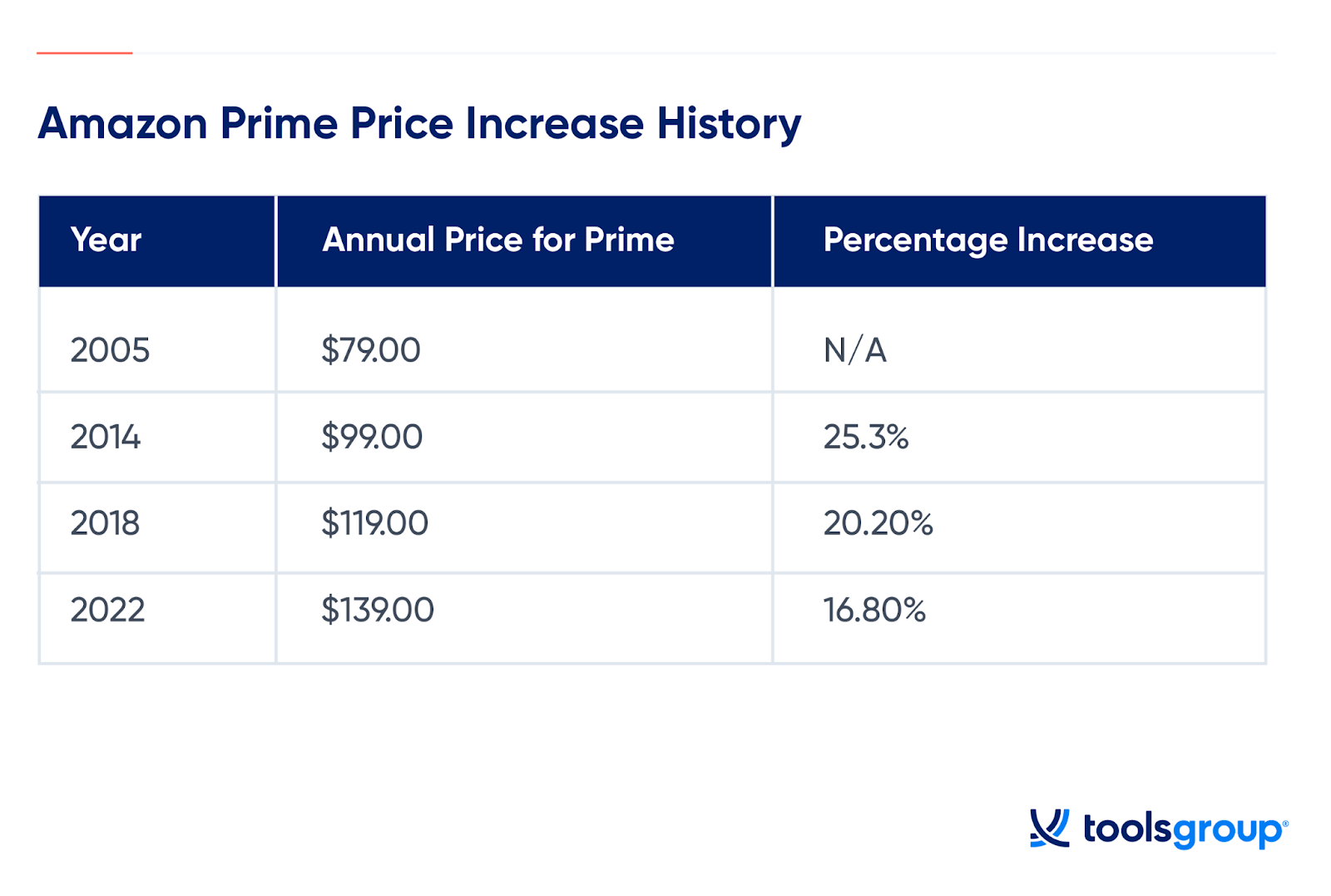
As of recent updates, the standard annual cost for an Amazon Prime membership in the United States typically stands at $139 per year. This single upfront payment grants members access to the full suite of Prime benefits for a full 12-month cycle. For many, this annual lump sum can feel substantial, prompting a closer look at alternative payment structures and the overall return on investment. It’s crucial for consumers to note that this price point has seen incremental increases over the years, reflecting Amazon’s continued expansion of services and the broader economic climate. Keeping track of these adjustments is a key aspect of managing recurring subscriptions effectively.
Monthly vs. Annual: A Cost-Benefit Analysis
While the annual payment offers convenience and a slight discount, Amazon also provides a monthly payment option. A standard monthly Prime membership usually costs $14.99 per month. A quick calculation reveals that paying monthly totals $179.88 over a year ($14.99 x 12). This means that opting for the annual payment saves members approximately $40.88 per year compared to the monthly plan.
From a purely financial standpoint, the annual option is the more economical choice for those committed to a full year of Prime. However, the monthly plan offers greater flexibility. It’s ideal for individuals who anticipate needing Prime only for specific periods, such as during holiday shopping seasons, or those who prefer to spread out their expenses rather than commit to a large upfront payment. For those on tight monthly budgets or those who are unsure about their long-term usage, the monthly flexibility can be a valuable trade-off, despite the higher cumulative cost. A personal finance principle to apply here is to consider your cash flow and commitment level; saving $40 is good, but not if it strains your budget unnecessarily or locks you into a service you might not fully use for 12 months.
Exploring Special Discounted Rates
Amazon recognizes that not all consumers have the same financial capacity and offers several discounted Prime memberships, making the service more accessible and, for eligible individuals, a much more financially attractive proposition.
- Student Prime: College students can typically subscribe to Prime at a significantly reduced rate, often around $7.49 per month or $69 per year. This discount is a massive saving, acknowledging the often-limited budgets of students and providing them with essential benefits like free shipping for textbooks and dorm supplies, alongside entertainment. Verification of student status is required, usually through a valid .edu email address. This represents a significant financial boon for students, effectively halving the annual cost and making the value proposition extremely high.
- EBT/Medicaid Recipients: Individuals receiving qualifying government assistance, such as EBT or Medicaid benefits, are often eligible for Prime at a reduced monthly rate, typically around $6.99 per month. This program underscores Amazon’s efforts to extend the convenience and benefits of Prime to a broader demographic, ensuring that those with tighter budgets can still access services that might save them money on essential goods and reduce travel costs for shopping. Again, this discount makes Prime far more affordable and can be a critical financial tool for managing household expenses.
These discounted rates are crucial to highlight from a personal finance perspective. For eligible individuals, these programs transform Prime from a discretionary expense into a potentially high-value utility, offering considerable savings that can genuinely impact their monthly or annual spending on goods and services. Always check your eligibility to ensure you’re not overpaying.
Beyond the Price Tag: Quantifying the Financial Value of Prime Benefits
The direct cost of Prime is only one side of the financial equation. To truly understand its value, one must quantify the monetary benefits derived from its extensive list of perks. This requires assessing how Prime’s services either save you money directly or eliminate the need for other paid subscriptions.
Free, Fast Shipping: Real Savings on Delivery
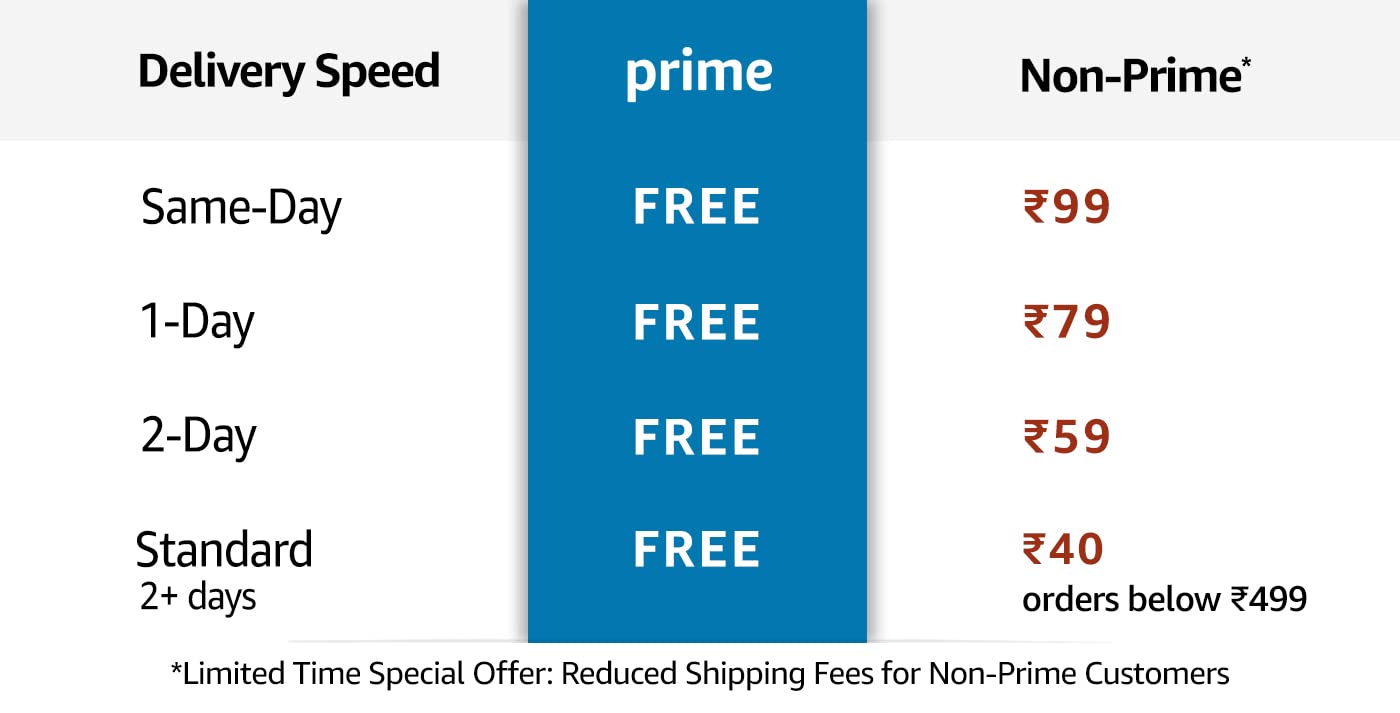
Perhaps the most iconic Prime benefit is free, fast shipping on millions of eligible items. For frequent online shoppers, this translates into tangible savings. Consider the typical shipping cost for a non-Prime order, which can range from $5 to $15 or more per order, especially for expedited services. If you place just one order a month that would otherwise incur a shipping fee, you’re looking at potential savings of $60 to $180 per year. For those who shop weekly, these savings can quickly exceed the annual membership fee.
Moreover, the speed of delivery—often one-day or two-day—can reduce the need for impulse purchases at higher-priced local stores when an item is needed quickly. This convenience factor, while not a direct monetary saving, prevents potentially more expensive alternatives, acting as an indirect financial benefit. The ability to rely on predictable and free shipping can also influence purchasing decisions, steering consumers towards Amazon where the ‘cost of delivery’ is already covered, optimizing their overall spending.
Digital Entertainment & Media: Replacing Other Subscriptions
Amazon Prime includes a robust suite of digital entertainment, which, when fully utilized, can significantly reduce or even eliminate the need for other paid streaming services.
- Prime Video: Access to a vast library of movies, TV shows, and Amazon Originals. If you were to subscribe to a standalone streaming service of comparable quality, you might pay anywhere from $7 to $15 per month. Over a year, this could be $84 to $180 saved.
- Amazon Music Prime: Ad-free access to millions of songs and thousands of stations and playlists. While not as extensive as Amazon Music Unlimited or Spotify Premium, it often suffices for casual listeners, potentially saving you $5-$10 per month, or $60-$120 annually, if it replaces another music service.
- Prime Reading: A rotating selection of free eBooks, magazines, and comics. For avid readers, this can reduce spending on digital content. While not a direct replacement for Kindle Unlimited, it offers enough variety to curb impulse purchases of new books.
- Prime Gaming (Twitch Prime): Free games, in-game content, and a free monthly channel subscription on Twitch. For gamers, this can mean saving on game purchases or subscription fees to support favorite streamers, an estimated saving of $5-$10 per month in content.
Cumulatively, by leveraging these entertainment benefits, a household could potentially save hundreds of dollars annually by consolidating their digital subscriptions under Prime. This financial synergy is a powerful argument for Prime’s value proposition.
Exclusive Deals and Prime Day Savings
Prime members gain access to exclusive deals and discounts throughout the year, culminating in the highly anticipated Prime Day sales event. While it’s crucial to shop wisely and avoid unnecessary purchases, these events offer genuine opportunities for significant savings on big-ticket items, electronics, household goods, and more. A well-planned Prime Day purchase of a high-value item, such as a new TV or a major appliance, could easily save hundreds of dollars, effectively offsetting the annual Prime membership cost many times over. The trick, from a financial perspective, is to only purchase items you genuinely need or have already budgeted for, rather than being swayed by promotional pricing alone.
Additional Perks with Tangible Financial Benefits
Beyond the core offerings, Prime includes a variety of other benefits that can contribute to financial savings:
- Amazon Fresh/Whole Foods Market: In select areas, Prime members can get free grocery delivery from Amazon Fresh or exclusive discounts at Whole Foods Market. For those who frequently shop for groceries online or at Whole Foods, the delivery fees saved and member-exclusive prices can add up to substantial monthly savings, especially for large households.
- Prime Try Before You Buy: Allows members to try on clothes at home before purchasing, reducing the risk of costly returns or buying items that don’t fit. This minimizes “return shipping costs” (even if free for Prime, it takes time and effort) and prevents money being tied up in unwanted items.
- Prime Photos: Unlimited full-resolution photo storage and 5 GB for videos. This can eliminate the need for paid cloud storage services (e.g., Google One, Dropbox), which typically cost $2-$10 per month, saving $24-$120 annually.

When considering all these additional benefits, it becomes clear that the value proposition of Amazon Prime extends far beyond just free shipping. For a household that actively utilizes even a fraction of these perks, the financial return can easily justify the annual expense.
Is Amazon Prime Worth the Annual Expense? A Financial Decision Framework
Determining the true worth of Amazon Prime is a highly individual financial decision. It requires an honest assessment of your habits, needs, and alternative spending.
Assessing Your Usage Patterns
The first step is to reflect on how frequently you use Amazon.
- How often do you place orders that would otherwise incur shipping fees?
- Do you actively stream content on Prime Video or listen to Amazon Music?
- Are you a reader who would benefit from Prime Reading?
- Do you shop at Whole Foods or use Amazon Fresh?
- Are you a student or eligible for other discounts?
If your usage is sporadic, primarily limited to a few purchases a year, the full annual membership might not be financially optimal. In such cases, the monthly option for specific periods or even non-Prime shopping (potentially reaching free shipping thresholds on individual orders) might be more cost-effective.
Calculating Your Potential Savings
Create a simple spreadsheet or list to itemize your potential savings.
- Shipping Savings: Estimate the number of orders you place per year that would incur shipping fees, then multiply by an average shipping cost (e.g., 20 orders x $8/order = $160).
- Streaming Savings: Identify any streaming services (video, music) that Prime allows you to cancel or avoid (e.g., $10/month for a video service + $7/month for a music service = $204 annually).
- Other Digital Services: Factor in savings from photo storage or gaming perks.
- Grocery Savings: Estimate delivery fees avoided or discounts applied.
- Exclusive Deal Savings: While harder to predict, consider potential savings on anticipated purchases during Prime Day or other member-exclusive sales.
Sum these potential savings. Compare this total to the annual Prime membership cost ($139, or less if discounted). If your estimated savings significantly outweigh the cost, Prime is likely a financially sound investment for you.
The Opportunity Cost of Prime Membership
Beyond direct savings, consider the opportunity cost. What else could you do with $139 (or $69 for students) per year? Could that money be better allocated to a high-yield savings account, an investment, paying down debt, or another subscription service that provides greater value? For some, $139 represents a month’s worth of groceries, a significant utility bill, or contributions to an emergency fund. From a strict personal finance perspective, every dollar spent on a subscription is a dollar not available for other financial goals. Weigh the convenience and entertainment Prime offers against these alternative uses of capital.
Strategies for Maximizing Prime Value and Managing Costs
Once you’ve decided Prime is worthwhile, several strategies can help you maximize its financial return and ensure you’re getting the most out of your annual investment.
Sharing Prime Benefits with Household Members
A significant financial advantage of Prime is the ability to share select benefits with another adult and up to four children in your household through Amazon Household. This means one annual fee can effectively serve multiple individuals, dramatically increasing the per-person value. The shared benefits typically include free Prime shipping, Prime Video, and Prime Reading. This reduces the need for multiple Prime memberships within a single residence, offering a substantial saving if multiple adults would otherwise subscribe independently.
Utilizing All Available Perks
Many Prime members only leverage free shipping and perhaps Prime Video. Take the time to explore and actively use the full range of benefits.
- Set up Prime Photos: Back up your family photos.
- Explore Prime Gaming: Claim free games or in-game content.
- Check Prime Reading: Download a free book each month.
- Consider Amazon Fresh: If available, experiment with grocery delivery to save time and potential impulse buys at the store.
The more features you integrate into your routine, the higher the perceived and actual financial value of your membership becomes.
When to Consider Cancelling or Pausing Your Membership
Regularly review your subscriptions. If your shopping habits change, if you find yourself no longer utilizing the digital benefits, or if your financial situation requires tighter budgeting, don’t hesitate to consider cancelling your Prime membership.
- Seasonal Use: If you only shop heavily around the holidays, consider signing up for a monthly membership in October/November and canceling in January.
- Trial Periods: Amazon often offers free trials. Use them to assess value before committing.
- Mid-Year Review: If you’re on an annual plan and realize halfway through that you haven’t used it much, make a note to reconsider renewal when the time comes. Amazon often provides pro-rated refunds for unused annual membership periods if you cancel early.
A diligent approach to subscription management is a cornerstone of sound personal finance.
The Future of Prime Pricing and Your Household Budget
Amazon Prime has consistently evolved, both in its offerings and its pricing structure. As a consumer focused on personal finance, it’s important to remain vigilant.
Anticipating Future Price Adjustments
Historically, Amazon Prime prices have increased every few years, reflecting inflation, expanded services, and operational costs. While it’s impossible to predict the exact timing or magnitude of future increases, it’s a reasonable expectation that the annual fee will continue to climb over time. Budgeting for recurring expenses should always include a contingency for potential price hikes in key subscriptions. Staying informed about Amazon’s announcements will allow you to adjust your personal budget proactively.
Integrating Prime into Your Personal Finance Strategy
For many households, Amazon Prime has transitioned from a luxury to a near-essential service due to its convenience and extensive benefits. The key is to integrate its cost and value thoughtfully into your overall financial strategy. Treat it like any other recurring bill, but one that demands an annual or semi-annual value assessment. Does it genuinely save you more money than it costs? Does it simplify your life enough to justify the expense, even if the direct monetary savings are marginal?
Ultimately, the $139 (or less, for eligible members) annual cost of Amazon Prime is more than just a fee; it’s an investment in convenience, entertainment, and potentially, significant savings across various categories. By meticulously analyzing your usage, quantifying the benefits, and employing smart management strategies, you can ensure that your Amazon Prime membership remains a financially sound decision for your household.
aViewFromTheCave is a participant in the Amazon Services LLC Associates Program, an affiliate advertising program designed to provide a means for sites to earn advertising fees by advertising and linking to Amazon.com. Amazon, the Amazon logo, AmazonSupply, and the AmazonSupply logo are trademarks of Amazon.com, Inc. or its affiliates. As an Amazon Associate we earn affiliate commissions from qualifying purchases.