
Amazon Prime has become an almost ubiquitous subscription service, deeply integrated into the digital lives of millions globally. Beyond its initial allure of free, fast shipping, Prime has evolved into a comprehensive ecosystem offering a vast array of benefits, from entertainment streaming to exclusive shopping discounts. For many, the question isn’t just “What does Amazon Prime cost?”, but “Is Amazon Prime worth its annual price tag?” Understanding the exact financial commitment and evaluating its value proposition is a crucial exercise in personal finance and smart budgeting.
This detailed guide will break down the precise costs associated with an Amazon Prime membership, explore the various pricing tiers and potential discounts, and, most importantly, provide a framework for individuals to assess whether this investment aligns with their spending habits and financial goals. We’ll move beyond simply quoting a price to delve into the financial utility and the often-overlooked financial benefits and drawbacks of maintaining a Prime subscription.
Unpacking the Core Costs of Amazon Prime: Annual vs. Monthly
The fundamental decision for any potential or current Amazon Prime subscriber revolves around the payment frequency: annual or monthly. Each option carries distinct financial implications that can significantly impact a personal budget over time. Understanding these differences is the first step in making an economically sound choice.
Annual vs. Monthly Membership: A Direct Comparison
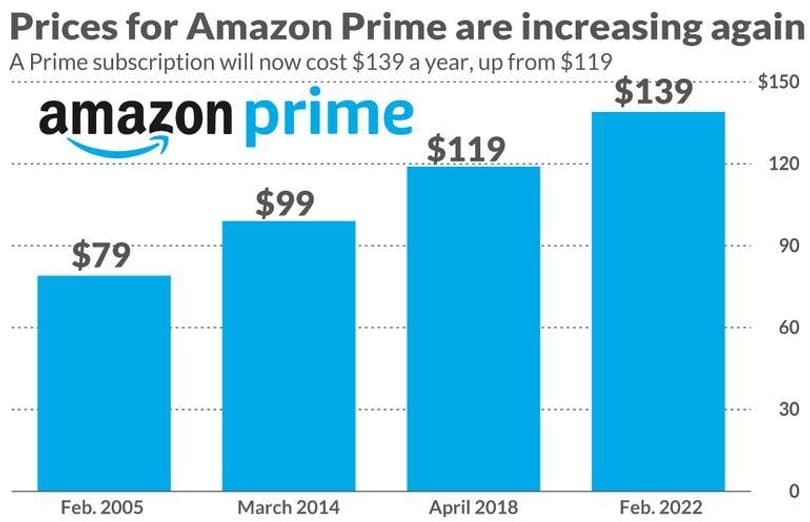
As of the most recent pricing adjustments, a standard Amazon Prime membership costs $139 per year. Alternatively, members can opt for a monthly payment plan, which is priced at $14.99 per month.
A quick calculation reveals the financial incentive behind the annual payment. Paying monthly for a full year would amount to $14.99 x 12 = $179.88. This means that opting for the annual subscription offers a direct saving of $40.88 per year compared to paying month-to-month. From a pure cost-saving perspective, the annual plan is undeniably the more fiscally responsible choice for individuals committed to maintaining their Prime membership for the entire year.
The monthly option, while more expensive in the long run, offers greater flexibility. It caters to individuals who might only need Prime for specific periods, such as during holiday shopping seasons, or those who prefer to keep their monthly financial commitments lower and more adaptable. However, for consistent users, the surcharge for this flexibility translates into a significant opportunity cost over twelve months. Budgeting for the lump sum annual payment can be a smart financial move, akin to paying for car insurance or other annual services upfront to secure a better rate.
Special Pricing Tiers: Savings for Students and Qualifying Individuals
Amazon recognizes that not all users have the same disposable income, and as such, offers discounted Prime memberships to specific demographic groups. These special pricing tiers represent significant savings and are a key consideration for eligible individuals looking to manage their expenses.
-
Prime Student: For eligible college students, Amazon offers a highly attractive discounted rate. After a generous six-month free trial, Prime Student costs $7.49 per month or $69 per year. This represents a substantial saving of over 50% off the standard annual price. The financial benefit for students, often operating on tight budgets, is immense, providing access to Prime’s benefits at a fraction of the cost. Eligibility typically requires a valid .edu email address or other proof of enrollment. This discount is a strategic financial tool for students, providing convenience without a heavy financial burden.
-
EBT and Medicaid Recipients: In an effort to make Prime more accessible, Amazon also offers a reduced-price membership for individuals who receive qualified government assistance. Those with a valid EBT card or Medicaid benefits can subscribe to Prime for just $6.99 per month. This tier provides the full suite of Prime benefits at a heavily discounted monthly rate, making it an affordable option for those with limited financial resources. This is a crucial financial aid, ensuring that essential services like fast shipping and digital content are within reach for a broader economic spectrum.
These special pricing tiers underscore Amazon’s tiered financial strategy, aiming to maximize market penetration by making the service accessible across various income brackets. For eligible individuals, exploring these options is a fundamental step in optimizing personal finance related to subscription services.
The Free Trial: A Risk-Free Introduction
Before committing any capital, Amazon offers a 30-day free trial for new Prime members. This trial period is an invaluable financial tool, allowing prospective subscribers to experience the full range of benefits without any upfront cost. It’s an opportunity to conduct a personal cost-benefit analysis in real-time.
During the free trial, users can evaluate how frequently they utilize the expedited shipping, whether Prime Video offers enough compelling content to justify the cost, and if other perks like Prime Reading or grocery discounts genuinely integrate into their lifestyle. From a financial planning perspective, this trial should be used to gauge potential savings and conveniences against future expenditures. It’s an obligation-free period to determine if the perceived value outweighs the future financial outlay, ensuring that any subsequent subscription payment is a well-informed decision. Just remember to set a reminder to cancel if the service doesn’t meet your expectations, to avoid unwanted charges.
Beyond the Price Tag: Valuing Prime’s Comprehensive Benefits
While the annual fee is a clear expenditure, the true financial assessment of Amazon Prime lies in evaluating the cumulative value of its numerous benefits. Many subscribers focus solely on shipping, overlooking a wealth of integrated services that, if utilized, can easily justify or even exceed the membership cost. Understanding these benefits from a financial utility perspective is key to making an informed decision.
Expedited Shipping: The Cornerstone Convenience
The most widely recognized and frequently utilized benefit of Amazon Prime is its expedited shipping. This includes free two-day shipping on millions of eligible items, and in many urban areas, free one-day or even same-day delivery. From a financial standpoint, this benefit translates into several tangible savings:
- Direct Shipping Cost Savings: For frequent Amazon shoppers, the cost of individual shipping fees can quickly accumulate. Without Prime, standard shipping charges on numerous small orders could easily surpass the annual membership fee. Prime effectively bundles these potential costs into one annual payment.
- Time Value of Money: Faster delivery means items arrive sooner, reducing lead times for essential purchases or urgent needs. While not a direct monetary saving, the convenience and reduction of stress associated with rapid delivery hold an intrinsic value that can prevent last-minute, higher-cost alternatives (e.g., driving to a physical store when an item could have been delivered).
- Reduced Impulse Spending: Knowing an item will arrive quickly can sometimes prevent a trip to a more expensive local store out of immediate need.
Entertainment Galore: Prime Video, Music, and Gaming
The digital entertainment suite included with Prime often rivals standalone subscription services in terms of content and value.
- Prime Video: Included with the membership, Prime Video offers a vast library of movies, TV shows, and Amazon Originals. When compared to the cost of other streaming services (e.g., Netflix, Hulu), which typically range from $7 to $20 per month, the value proposition here is significant. If you would otherwise subscribe to a similar streaming service, Prime Video effectively offers that service for “free” within your Prime subscription, representing a potential saving of hundreds of dollars annually.
- Amazon Music Prime: This service provides ad-free access to millions of songs and thousands of curated playlists and stations. While not as extensive as Amazon Music Unlimited or Spotify Premium, it offers a solid music streaming option for many, potentially eliminating the need for another paid music subscription.
- Prime Gaming: Formerly Twitch Prime, this offers free games, in-game content, and a free channel subscription on Twitch each month. For avid gamers, these perks can represent a considerable saving on individual game purchases or microtransactions.
Shopping Perks: Whole Foods, Pharmacy, and Exclusive Deals
Beyond just shipping, Prime extends its financial benefits into other critical consumer spending areas.
- Whole Foods Market Discounts: Prime members receive exclusive savings and an extra 10% off sale items (excluding alcohol) at Whole Foods Market. For regular shoppers at Whole Foods, these discounts can accrue substantial savings over a year, potentially offsetting a significant portion of the Prime membership fee. This is a direct saving on grocery bills, a major household expense.
- Amazon Pharmacy Savings: Prime members gain access to significant discounts on prescription medications when paying without insurance at Amazon Pharmacy. This can translate to hundreds of dollars in savings annually for individuals with recurring prescription needs, making Prime a surprisingly potent financial tool for healthcare cost management.
- Prime Member Deals and Early Access: During sales events like Prime Day, members get exclusive access to deals and often early access to Lightning Deals. Strategic shoppers can leverage these opportunities to save money on larger purchases, making the Prime membership an investment that yields returns through discounted buying.
Digital Perks: Prime Reading and Photo Storage
Even less-heralded benefits offer tangible value.
- Prime Reading: This allows members to borrow thousands of ebooks, magazines, and comics for free, including a rotating selection of titles. For avid readers, this can significantly reduce spending on individual book purchases or subscriptions to e-reading services.
- Amazon Photos: Prime provides unlimited full-resolution photo storage, along with 5 GB for videos. Compared to paid cloud storage services (e.g., Dropbox, Google Drive), this represents a direct monetary saving for individuals needing reliable photo backup.
Is Amazon Prime Worth It? A Financial Utility Analysis
Determining the “worth” of an Amazon Prime subscription transcends simply comparing the fee to the benefits list. It requires a personalized financial utility analysis, weighing individual usage patterns against the annual cost. This section guides you through that evaluation.

Calculating Your Potential Savings and Value
To assess Prime’s financial utility, consider these questions:
- Shipping Savings: How many Amazon orders do you place annually? What would the average shipping cost be per order without Prime (e.g., $5-$10)? Multiply your estimated orders by the average shipping cost to get your potential annual shipping expenditure without Prime. If this number is close to or exceeds $139, Prime already offers a significant financial advantage.
- Entertainment Alternatives: Do you subscribe to other streaming services? Could Prime Video replace one or more of them, saving you $7-$20 per month? Do you pay for a music service that Prime Music Prime could substitute?
- Whole Foods/Pharmacy Discounts: If you frequently shop at Whole Foods, estimate your average monthly spend and how much you might save with the 10% discount on sale items. For pharmacy users, investigate potential prescription savings through Amazon Pharmacy.
- Digital Content Consumption: How much do you spend on ebooks or digital storage annually? Prime Reading and Amazon Photos could offer direct savings here.
By quantifying these potential savings and comparing them to the $139 annual fee, you can build a personalized “Return on Investment” (ROI) calculation for your Prime membership. For instance, if you save $60 on shipping, $120 on streaming (by dropping another service), and $30 on Whole Foods discounts, your total savings of $210 already surpass the $139 cost, demonstrating a clear financial gain.
Identifying When Prime Makes Financial Sense
Prime is a strong financial investment for:
- Frequent Amazon Shoppers: If you place more than 15-20 orders a year that would otherwise incur shipping fees, Prime likely pays for itself through shipping savings alone.
- Cord-Cutters or Entertainment Enthusiasts: If Prime Video’s library appeals to you and can reduce or eliminate the need for other paid streaming services, the entertainment value is substantial.
- Whole Foods Market Patrons: Regular shoppers who can leverage the exclusive discounts will see tangible savings on their grocery bills.
- Students or Individuals with Government Assistance: The heavily discounted rates make Prime an exceptionally high-value proposition for these groups.
- Value-Oriented Consumers: Those who actively use a combination of benefits—shipping, video, music, reading, and deals—will find the cumulative value far outweighs the cost.
When to Reconsider Your Membership
Conversely, Prime might not be a financially prudent choice if:
- Infrequent Amazon Shopper: If you only place a few orders a year, the individual shipping costs for those limited purchases might be less than the annual Prime fee.
- Limited Benefit Utilization: If you only use one or two of Prime’s features (e.g., just shipping, but never video or music), you might be paying for many services you don’t use. Consider if those specific benefits are worth the full annual cost on their own.
- Budget Constraints: For individuals on extremely tight budgets, even $139 annually (or $14.99 monthly) might be better allocated to essential needs if the “luxury” of Prime’s convenience isn’t critical.
- Alternative Subscriptions: If you already subscribe to several other streaming services and find Prime Video redundant, or if you don’t shop at Whole Foods, the value diminishes.
Regularly reviewing your usage and comparing it to the subscription cost is a smart personal finance habit. If your usage patterns change, re-evaluating Prime’s value becomes essential to avoid unnecessary expenses.
Managing Your Prime Membership: Signup and Cancellation
Understanding the financial commitment also involves knowing how to initiate and, if necessary, terminate your membership. This ensures you maintain control over your spending and avoid unwanted charges.
Simple Steps to Join the Prime Ecosystem
Signing up for Amazon Prime is straightforward:
- Visit the Amazon Prime Page: Navigate to the Prime section on the Amazon website.
- Choose Your Plan: Select either the annual or monthly subscription, or one of the special pricing tiers if eligible (Prime Student, EBT/Medicaid).
- Initiate Free Trial (Optional): If you’re a new member, you’ll typically be offered a 30-day free trial. This is highly recommended for financial due diligence.
- Provide Payment Information: Enter your preferred payment method. You will be charged at the end of your free trial or immediately if you opt out of the trial.
Once subscribed, you can manage your membership details, including payment information and renewal preferences, through your Amazon account settings.
Understanding Your Renewal Options
By default, Amazon Prime memberships are set to auto-renew. This convenience ensures uninterrupted access to benefits but can also lead to unexpected charges if you’re not vigilant.
- Annual Renewal: If you choose the annual plan, your credit card on file will automatically be charged the annual fee on your renewal date.
- Monthly Renewal: For monthly subscribers, the charge will occur on the same day each month.
It’s a sound financial practice to check your renewal date in your Amazon account settings and make a note of it. This allows you to proactively decide whether to continue the subscription or cancel before the next billing cycle, ensuring you never pay for a service you no longer need or want.
How to Cancel Prime and Avoid Unwanted Charges
Canceling Amazon Prime is designed to be relatively simple, though Amazon may present options to pause or offer prorated refunds.
- Access Your Account: Log into your Amazon account and go to “Accounts & Lists” > “Prime Membership.”
- End Membership: Look for the “Manage Membership” or “End Membership” option. Amazon might offer partial refunds based on usage if you cancel mid-period. For instance, if you pay annually but cancel after two months, you might be eligible for a refund for the remaining ten months.
- Confirm Cancellation: Follow the prompts to confirm your cancellation. You may be asked why you’re canceling, which is optional.
Canceling before your next billing date prevents any future charges. If you are within a free trial, canceling before it ends ensures you are never charged. This proactive approach to managing subscriptions is a cornerstone of effective personal budgeting.
The Evolving Cost of Convenience: Future Outlook
Amazon Prime’s pricing has not been static since its inception, reflecting increasing operational costs, expanded benefits, and market dynamics. Understanding this history and potential future trends is part of a holistic financial perspective on the service.
Historical Price Changes and What They Mean
Since its launch in 2005 at $79 per year, Amazon Prime has seen several price increases, most recently to $139 per year in 2022. These adjustments are typically attributed to the continuous expansion of benefits (e.g., more Prime Video content, faster shipping options, new perks) and rising operational costs, including fuel, labor, and logistics.
From a financial planning standpoint, these historical increases suggest that future price adjustments are always a possibility. This means that while a current cost-benefit analysis might favor Prime, this could shift with future price hikes.

Anticipating Future Adjustments and Maximizing Value
Consumers should remain aware that the cost of convenience is subject to change. Future price increases could make Prime a less financially attractive option if the added value doesn’t keep pace with the increased cost.
To continuously maximize value:
- Regularly Re-evaluate Usage: Periodically review your actual use of Prime’s various benefits. Are you still using enough features to justify the cost?
- Leverage All Perks: Actively explore and utilize lesser-known benefits like Prime Reading, Amazon Photos, and Prime Gaming to extract maximum value from your investment.
- Consider Alternatives: Keep an eye on competitor offerings or alternative services that might provide similar benefits at a lower cost if your needs change.
Ultimately, the decision of “how much does Amazon Prime cost a year” isn’t just about the dollar figure, but about its integrated role in your personal financial ecosystem. A truly informed consumer looks beyond the sticker price to evaluate the total financial impact, savings, and opportunity cost, ensuring that every dollar spent on a subscription service delivers genuine, measurable value.
aViewFromTheCave is a participant in the Amazon Services LLC Associates Program, an affiliate advertising program designed to provide a means for sites to earn advertising fees by advertising and linking to Amazon.com. Amazon, the Amazon logo, AmazonSupply, and the AmazonSupply logo are trademarks of Amazon.com, Inc. or its affiliates. As an Amazon Associate we earn affiliate commissions from qualifying purchases.