
Amazon Prime Video, often colloquially referred to as “Prime TV,” has evolved from a supplementary perk of an Amazon Prime membership into a formidable global streaming giant. Far more than just a digital library of movies and shows, it represents a complex technological ecosystem, a testament to modern distributed computing, advanced media delivery, and sophisticated user experience design. For the discerning tech enthusiast and the casual viewer alike, understanding the intricate technical architecture, innovative features, and underlying mechanisms of Prime Video offers a deeper appreciation of its capabilities and its place in the rapidly evolving landscape of digital entertainment. This article delves into the technological fabric of Prime Video, exploring its core mechanics, the intelligence behind its content delivery, user interface innovations, and its strategic integration within the broader Amazon universe.
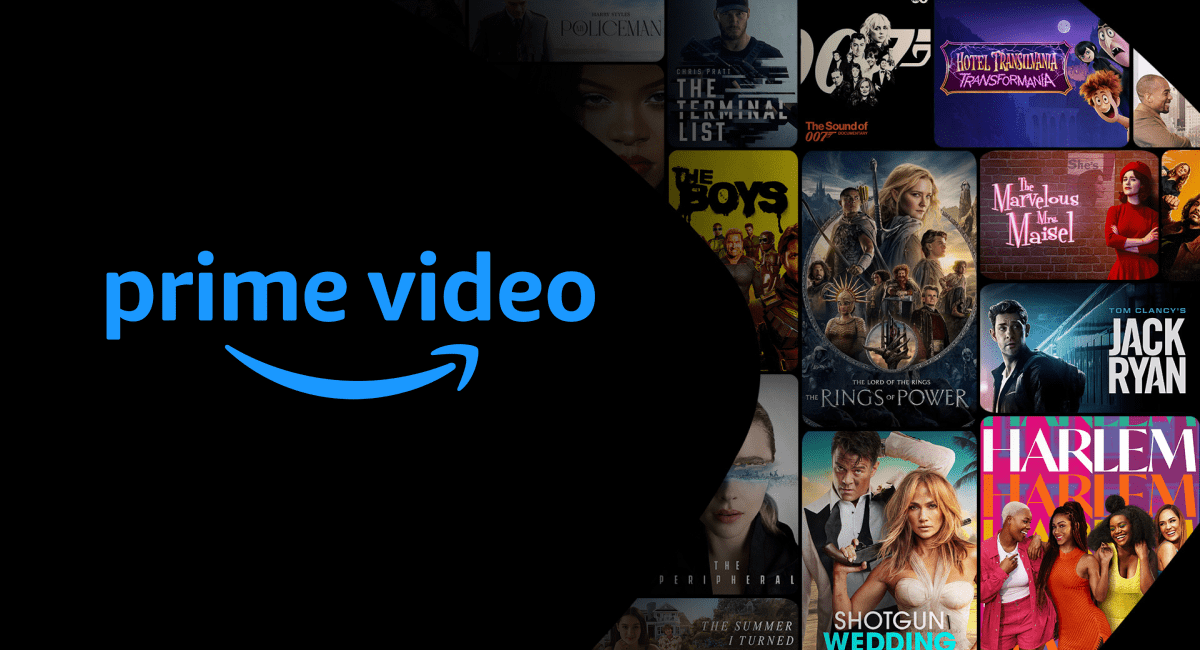
The Core Mechanics: Understanding Prime Video as a Technology Platform
At its heart, Amazon Prime Video is a sophisticated software application built upon a robust, scalable infrastructure designed to deliver high-quality video content to millions of users worldwide simultaneously. Its technical prowess is a cornerstone of its user experience.
Evolution of a Streaming Giant
Prime Video’s journey mirrors the broader evolution of digital media consumption. It began as a limited streaming service offered as part of Amazon Prime in the mid-2000s, primarily to incentivize Prime memberships, which originally focused on expedited shipping. Over the years, Amazon strategically invested in content acquisition, original programming, and crucially, the underlying technology. This transformation from a simple perk to a standalone streaming service, competing directly with industry titans, showcases a continuous commitment to technological advancement, from optimizing data compression algorithms to developing global content delivery networks. This evolution has been critical in scaling its service to diverse markets, each with unique network infrastructures and content regulations.
The Underlying Infrastructure
The backbone of Prime Video’s operations is Amazon Web Services (AWS), the world’s most comprehensive and broadly adopted cloud platform. This is a significant advantage, as Prime Video leverages AWS’s vast global network of data centers, content delivery networks (CDNs) like Amazon CloudFront, and powerful computing resources. When you stream a show, the content is delivered from servers geographically close to you, minimizing latency and buffering. This distributed architecture ensures high availability, fault tolerance, and the ability to scale up or down instantaneously based on demand fluctuations, such as during major live events or new series premieres. Furthermore, the use of advanced encoding and transcoding technologies allows Prime Video to optimize video files for various devices and network conditions, delivering the best possible quality without excessive bandwidth consumption.
Multi-Device Compatibility
A key aspect of Prime Video’s technological design is its pervasive multi-device compatibility. It’s not merely a website; it’s a suite of applications meticulously engineered for virtually every major operating system and smart device imaginable. From dedicated apps for iOS and Android smartphones and tablets to native integrations on smart TVs (Samsung, LG, Sony), gaming consoles (PlayStation, Xbox), streaming sticks (Fire TV, Roku, Apple TV), and even web browsers, the consistency of the user experience across these diverse platforms is a significant technical achievement. This requires continuous development and optimization, ensuring that the interface, playback controls, and core functionalities adapt seamlessly to varying screen sizes, input methods, and hardware capabilities, providing a truly ubiquitous viewing experience.
Decoding the Content Library: Beyond Just “What to Watch”
While the sheer volume of content is what often draws users, the technology governing how that content is presented, discovered, and consumed is equally vital. Prime Video uses sophisticated systems to manage, deliver, and personalize its vast library.
AI-Powered Personalization and Discovery
The sheer volume of content on Prime Video would be overwhelming without intelligent discovery tools. Amazon employs sophisticated artificial intelligence (AI) and machine learning (ML) algorithms to personalize content recommendations. These algorithms analyze a user’s viewing history, search queries, ratings, watchlists, and even pause/rewatch behaviors to suggest relevant titles. Beyond individual preferences, they also consider broader trends, genre popularity, and contextual information (e.g., time of day, device used). This data-driven approach moves beyond simple genre matching, identifying nuanced viewing patterns to predict what a user is likely to enjoy next, significantly enhancing user engagement and reducing “decision fatigue.” The goal is not just to show more content, but to show the right content at the right time.
Streaming Quality and Formats
Modern streaming is defined by quality, and Prime Video is at the forefront of delivering high-definition experiences. It supports a range of video formats, including 4K Ultra HD (UHD), High Dynamic Range (HDR) in various standards like HDR10+ and Dolby Vision, and immersive audio technologies such as Dolby Atmos. Delivering these high-fidelity formats requires significant technical expertise. Adaptive Bitrate (ABR) streaming is crucial here; it dynamically adjusts the video quality based on the user’s internet connection speed and device capabilities, ensuring smooth playback without buffering while maximizing visual fidelity. When your internet connection is robust, you receive a higher bitrate stream; if it falters, the system seamlessly downgrades to a lower bitrate to prevent interruptions, all without explicit user intervention.
Offline Viewing and Downloads
The ability to download content for offline viewing is a significant technological feature, particularly for mobile users and travelers. Prime Video allows subscribers to download select movies and TV shows to their mobile devices, ensuring entertainment even without an internet connection. This functionality involves complex Digital Rights Management (DRM) technologies to protect copyrighted content, secure storage management on the user’s device, and efficient compression algorithms to minimize file sizes without sacrificing too much quality. The system must also manage download limits, expiration dates for downloaded content, and device synchronization to ensure a consistent experience.
Accessibility Features
Inclusivity is a key aspect of modern tech platforms, and Prime Video integrates a comprehensive suite of accessibility features. This includes customizable subtitles and closed captions, offering options for font size, color, and background. Audio descriptions provide narrative commentary for visually impaired users, describing on-screen actions and visual cues. Multiple audio language tracks are often available, leveraging sophisticated multi-track audio encoding. These features are not merely add-ons but are deeply integrated into the content delivery pipeline, requiring meticulous metadata management and playback synchronization to ensure a seamless experience for all users.
Enhancing the User Experience: Interface and Interaction Technologies
The user interface (UI) and user experience (UX) are critical for retaining viewers. Prime Video continually refines its interface, incorporating innovative features that leverage underlying technology to create a more engaging and intuitive interaction.

Intuitive Navigation and Search
A well-designed UI/UX is paramount for content discovery and ease of use. Prime Video’s interface, while constantly evolving, aims for intuitive navigation, organizing content into browsable categories, carousels for new releases, and curated collections. The search functionality is particularly robust, supporting fuzzy logic and intelligent auto-completion. On devices like Fire TV sticks and smart TVs, voice search integration, often powered by Amazon’s Alexa, allows users to quickly find titles, actors, or even genres with spoken commands, bypassing tedious manual input and significantly streamlining content discovery. This natural language processing capability is a prime example of AI enhancing the user interaction.
Profile Management and Parental Controls
For households with multiple viewers, robust profile management is essential. Prime Video allows for the creation of individual user profiles, each maintaining its own viewing history, watchlists, and personalized recommendations. This multi-user functionality is backed by sophisticated data segregation and personalized algorithm application. Equally important are parental controls, which allow adults to restrict access to content based on age ratings (e.g., G, PG, R, TV-MA) and set PINs for purchases or specific profiles. These controls are not just simple toggles but involve granular settings, ensuring a safe and tailored viewing environment for children while preventing unauthorized access to mature content or accidental purchases.
X-Ray Feature: A Second Screen Experience
One of Prime Video’s standout technological innovations is its “X-Ray” feature, powered by IMDb (which is also owned by Amazon). X-Ray provides context-sensitive, on-screen information about actors, music, trivia, and even production facts related to the scene currently playing. With a single tap or click, users can identify actors on screen, see a list of songs playing in a sequence, or learn behind-the-scenes details. This feature blurs the lines between passive viewing and interactive engagement, turning the act of watching into a richer, more informative experience. It leverages real-time scene analysis, extensive metadata tagging, and seamless integration with the IMDb database, showcasing a remarkable blend of content and informational technology.
The Amazon Ecosystem Advantage: Integration and Future Tech Horizons
Prime Video doesn’t exist in a vacuum; it is a critical component of Amazon’s broader technological ecosystem, gaining significant synergies from its interconnectedness and hinting at future innovations.
Synergies with Amazon Devices and Services
The integration of Prime Video within the Amazon ecosystem is a powerful strategic and technical advantage. Fire TV devices are optimized for Prime Video, offering seamless playback and deep Alexa integration. Echo smart speakers can control Prime Video playback on compatible devices. The “shop now” feature for products seen in shows, while not always overtly present, demonstrates the potential for e-commerce integration. Prime Video also ties into other Amazon services like Prime Music (for soundtracks) and the broader Amazon shopping experience, creating a cohesive digital lifestyle platform. This deep integration offers unparalleled convenience and value, reinforcing the stickiness of the Amazon Prime membership.
Bridging Live and On-Demand Streaming
The acquisition of rights to live sports (e.g., NFL, Premier League in certain regions) and other live events marks a significant technological leap for Prime Video. Delivering high-quality, low-latency live streams to millions simultaneously presents unique challenges compared to on-demand content. It requires robust real-time encoding, ultra-fast content delivery, dynamic ad insertion technologies, and sophisticated event management systems. The ability to seamlessly integrate live content alongside its vast on-demand library positions Prime Video as a comprehensive entertainment hub, pushing the boundaries of what a streaming service can offer, including features like “X-Ray for live sports” providing real-time stats and player information.
Emerging Technologies in Streaming
The future of Prime Video will undoubtedly be shaped by emerging technologies. Virtual Reality (VR) and Augmented Reality (AR) offer potential for immersive viewing experiences or interactive companion content. Interactive storytelling, where viewers make choices that influence the narrative, is an area Amazon has already experimented with (e.g., “Bandersnatch” on Netflix, “The Grand Tour presents: Seamen” on Prime Video). Furthermore, advancements in AI will continue to refine personalization, potentially leading to dynamic content generation or context-aware recommendations that anticipate desires. Reduced latency in streaming and new codecs will further enhance quality and interactivity, continually pushing the boundaries of what “Prime TV” can be.
Optimizing Your Prime Video Experience: Technical Tips and Troubleshooting
Even with cutting-edge technology, user experience can be impacted by local factors. Understanding how to optimize your setup can significantly enhance your Prime Video enjoyment.
Bandwidth Requirements and Network Optimization
Optimal Prime Video streaming heavily relies on a stable and sufficiently fast internet connection. For standard definition (SD), 1 Mbps is typically sufficient, but for High Definition (HD), 3.5 Mbps is recommended, and for 4K UHD, at least 15 Mbps (and often 25 Mbps or more) is advised. Users can optimize their network by using a wired Ethernet connection instead of Wi-Fi where possible, especially for 4K streaming on stationary devices like smart TVs. Ensuring a modern router (e.g., Wi-Fi 6) and placing it centrally can also improve wireless signal strength and stability. Minimizing other bandwidth-intensive activities (downloads, other streaming) on the same network during viewing hours can also prevent buffering.
Device Performance and Updates
The performance of the device running Prime Video significantly impacts the viewing experience. Older or underpowered devices might struggle with 4K content or complex interfaces, leading to lag or buffering. Regularly updating the Prime Video app to its latest version ensures access to new features, performance improvements, and bug fixes. Similarly, keeping your device’s operating system (OS) and firmware up to date is crucial for compatibility and security. Occasionally, clearing the app’s cache or performing a device restart can resolve minor performance glitches, ensuring the app runs smoothly and efficiently.

Common Technical Issues and Solutions
While Prime Video is designed for reliability, users might occasionally encounter issues. Buffering often points to network congestion or insufficient bandwidth; checking internet speed and optimizing network settings are primary steps. Playback errors might indicate issues with DRM, which can sometimes be resolved by restarting the app or device, or ensuring your device’s software is current. Login problems typically relate to incorrect credentials or account issues; double-checking your Amazon account details and ensuring your Prime membership is active are key. For persistent issues, Prime Video’s robust help section and customer support channels offer guided troubleshooting and personalized assistance, leveraging Amazon’s extensive support infrastructure.
In conclusion, “what is on Prime TV” extends far beyond its impressive content library. It encompasses a sophisticated technological marvel, leveraging cloud computing, AI, and advanced media delivery systems to provide a seamless, personalized, and high-quality streaming experience across a multitude of devices. As Amazon continues to innovate and integrate Prime Video deeper into its vast ecosystem, understanding the technology powering this service offers a glimpse into the future of digital entertainment and consumer technology.
aViewFromTheCave is a participant in the Amazon Services LLC Associates Program, an affiliate advertising program designed to provide a means for sites to earn advertising fees by advertising and linking to Amazon.com. Amazon, the Amazon logo, AmazonSupply, and the AmazonSupply logo are trademarks of Amazon.com, Inc. or its affiliates. As an Amazon Associate we earn affiliate commissions from qualifying purchases.