
In an increasingly subscription-driven economy, understanding the true cost and inherent value of services like Amazon Prime is paramount for astute financial management. Amazon Prime, more than just a delivery service, has evolved into a multifaceted ecosystem offering a bewildering array of benefits, from expedited shipping to digital entertainment. For many, it has become an almost indispensable utility, seamlessly integrated into daily life. However, the recurring fee prompts a fundamental financial question: what exactly is the cost, and does the value proposition genuinely align with personal financial goals?
This comprehensive analysis delves deep into the financial intricacies of Amazon Prime membership. We will dissect its various pricing tiers, explore the myriad benefits that attempt to justify its expense, and provide a framework for individuals to conduct a personal cost-benefit analysis. Our aim is to move beyond the superficial sticker price, offering an insightful perspective on how this popular subscription service impacts personal finance, encouraging a more strategic approach to household budgeting and digital spending.

Unpacking Amazon Prime’s Pricing Structure
Understanding the upfront cost of Amazon Prime is the first step in evaluating its financial impact. Amazon offers several pathways to membership, each with a distinct price point designed to cater to different segments of its vast customer base. Navigating these options is crucial for ensuring you select the most cost-effective plan for your individual circumstances.
Standard Membership Tiers: Annual vs. Monthly
The two primary options for a full Amazon Prime membership are the annual and monthly subscriptions, each presenting a different financial commitment and flexibility.
-
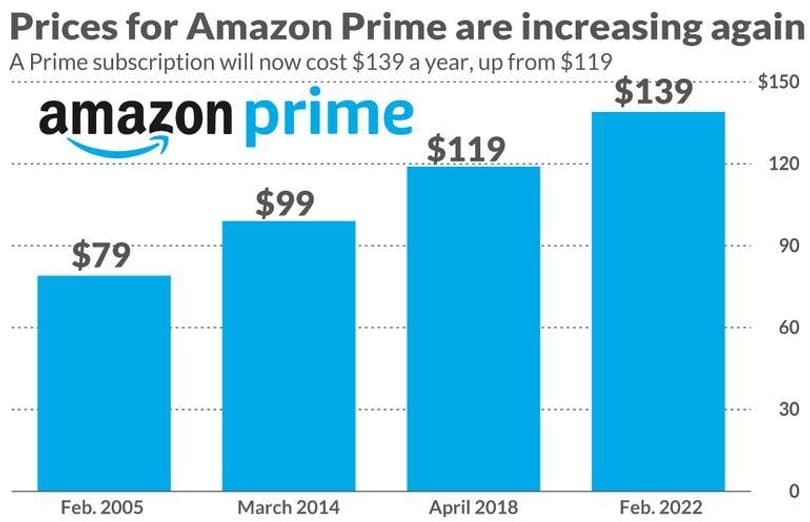
Annual Membership: Historically the most popular and financially advantageous option, the annual Prime membership typically costs around $139 per year. From a purely mathematical standpoint, this represents a significant saving compared to its monthly counterpart. Paying once a year translates to approximately $11.58 per month, assuming current pricing. This lump-sum payment requires a greater immediate outlay but locks in a lower effective monthly rate, making it appealing for long-term users who are confident in their continuous use of Prime’s services. It’s an investment in a year’s worth of benefits, offering peace of mind without the recurring smaller debits.
-
Monthly Membership: For those who prefer greater flexibility, or who are unsure about committing to a full year, Amazon offers a monthly Prime membership, usually priced at $14.99 per month. While this option demands a higher per-month expenditure, it provides the convenience of canceling anytime without losing a significant upfront investment. This flexibility is particularly attractive for individuals who anticipate fluctuating needs for Prime services, perhaps only during peak shopping seasons (like holidays) or specific periods when certain digital benefits (like a specific show on Prime Video) are desired. For instance, if you only need Prime for three months out of the year, paying for three monthly subscriptions would be cheaper than a full annual one, illustrating the importance of assessing usage patterns.
The choice between annual and monthly largely hinges on two factors: long-term commitment and cash flow. If Amazon Prime is an integral part of your digital life and shopping habits, the annual plan offers undeniable savings. If, however, your usage is intermittent or you prefer to keep your budget highly liquid, the monthly option, despite its higher effective cost, might be a better fit for your personal finance strategy.
Exploring Discounted Prime Memberships
Amazon has also implemented several initiatives to make Prime more accessible, offering reduced-cost memberships to specific demographic groups. These discounts are not merely charitable gestures; they are strategic moves to expand Amazon’s market reach and integrate new users into its ecosystem, often at critical life stages.
-
Student Prime (Prime Student): For eligible college students, Amazon provides a significantly reduced Prime membership, typically costing $7.49 per month or $69 per year. This substantial discount makes Prime highly attractive to a demographic known for budget consciousness and a reliance on online services. Beyond the standard Prime benefits, Prime Student often includes exclusive student-specific deals and promotions, further enhancing its value. The initial free six-month trial period also allows students to fully experience the benefits without immediate financial commitment, fostering long-term adoption. This category highlights Amazon’s understanding of lifetime customer value, aiming to convert students into full-paying members post-graduation.
-
EBT and Medicaid Recipients (Prime Access): Recognizing the financial challenges faced by low-income households, Amazon offers an even more substantial discount to individuals receiving qualifying government assistance, such as EBT or Medicaid. These members can access Prime for approximately $6.99 per month. This program, known as Prime Access, underscores Amazon’s commitment to inclusivity and market expansion, ensuring that even budget-constrained households can access the convenience of online shopping and digital entertainment. It also has a powerful social impact, providing essential services like grocery delivery to communities that might otherwise struggle with access.
These discounted tiers are not just about lower prices; they are about broadening accessibility and establishing Amazon Prime as a utility across various socio-economic strata. For eligible individuals, exploring these options can lead to substantial annual savings, making the Prime membership a much more financially viable proposition.
The True Cost Beyond the Sticker Price
While the membership fee is the most obvious cost, a comprehensive financial assessment requires looking beyond this initial figure. The “true cost” of Amazon Prime can be influenced by several indirect factors that subtly impact your overall spending.
One significant factor is the psychological effect of “free two-day shipping.” While seemingly a benefit, it can inadvertently encourage more frequent and sometimes unnecessary purchases. The perception of saving on shipping costs might lead consumers to buy items they wouldn’t have otherwise, simply because “it’s Prime.” This phenomenon, known as the “Prime effect,” can subtly inflate monthly expenditure, eating into your budget in ways that are hard to track.
Moreover, the vast ecosystem of Prime, including services like Prime Video, Amazon Music, and Kindle Unlimited, can sometimes reduce the incentive to explore more affordable or free alternatives. While these are “included” with the membership, they might prevent users from discovering cheaper streaming services or public library resources, which could offer similar content at no additional direct cost. The convenience often overrides the critical financial evaluation of alternatives.
Finally, while Amazon often boasts competitive pricing, not every item is the cheapest on Amazon, even with Prime. The ease of “one-click” purchasing can lead to reduced price comparison shopping across different retailers. This can result in paying a premium on certain items that might be cheaper elsewhere, thereby adding an unseen cost to the overall Prime experience. A financially savvy consumer will always cross-reference prices, even with the allure of Prime’s convenience.
The Comprehensive Value Proposition of Amazon Prime
To truly assess whether the cost of Amazon Prime is justified, one must look beyond the membership fee and deeply evaluate the tangible and intangible benefits it confers. Amazon has meticulously crafted a bundle of services designed to make Prime an indispensable part of modern living, ranging from logistics to entertainment.
Core Benefits: Shipping and Digital Entertainment
At its heart, Amazon Prime’s appeal has always revolved around its foundational benefits: fast shipping and a robust digital media library.
-
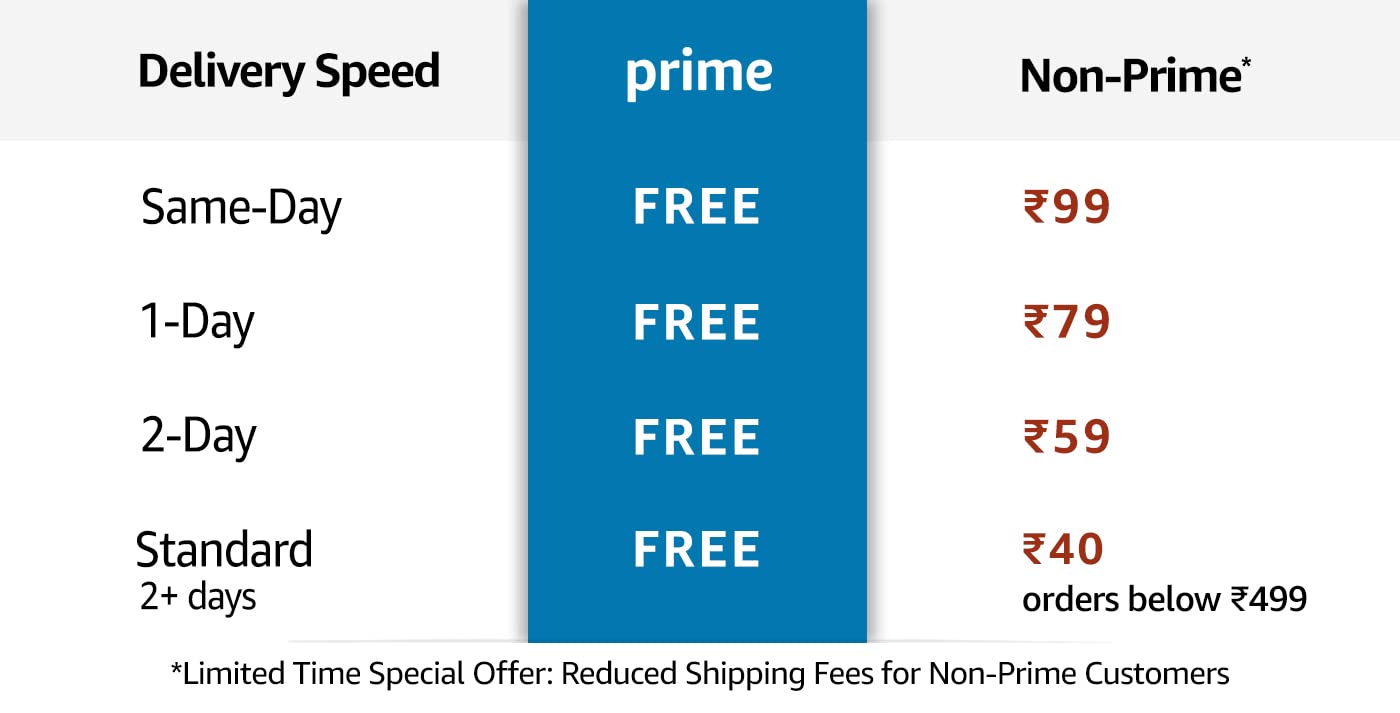
Expedited Shipping: The cornerstone of Prime is arguably its expedited shipping options. Members enjoy unlimited free two-day shipping on millions of eligible items, and often receive one-day, same-day, or even two-hour delivery in select areas. For frequent online shoppers, this benefit alone can translate into significant savings on shipping fees, which can quickly accumulate when making individual purchases. Beyond the monetary savings, the convenience and reliability of rapid delivery are a major draw, eliminating the frustration of waiting and the need to consolidate orders to meet free shipping thresholds. This benefit essentially makes Amazon a default shopping destination for many, altering consumer behavior.
-
Prime Video: Included with membership, Prime Video offers an extensive library of movies, TV shows, and Amazon Originals. This digital streaming service directly competes with standalone platforms like Netflix and Hulu, potentially saving members the cost of an additional subscription. The quality and breadth of content have grown significantly, making it a compelling entertainment option for many households. From blockbuster films to critically acclaimed series, Prime Video represents a substantial portion of the membership’s entertainment value.
-
Amazon Music Prime: While not as comprehensive as Amazon Music Unlimited, Music Prime offers ad-free access to millions of songs and thousands of stations and playlists. For casual listeners, this can adequately replace other basic music streaming services, further consolidating digital subscriptions.
-
Prime Reading: This benefit provides unlimited access to a rotating selection of ebooks, magazines, and comics. While not a full replacement for Kindle Unlimited, it offers enough variety to satisfy avid readers and can introduce new titles without additional purchase.
These core benefits alone, especially for regular Amazon shoppers and digital content consumers, often come close to justifying the annual membership fee when compared to the combined costs of individual shipping fees and separate streaming subscriptions.
Lesser-Known Perks: Enhancing Your Lifestyle and Savings
Beyond the headline features, Amazon Prime offers a plethora of lesser-known benefits that, when leveraged effectively, can further amplify the membership’s value and contribute to household savings.
-
Prime Gaming (formerly Twitch Prime): Gamers can enjoy free games, exclusive in-game content, and a free monthly channel subscription on Twitch. For the gaming community, this can represent significant value, especially with the rising cost of new game releases and in-game purchases.
-
Amazon Photos: Prime members receive unlimited full-resolution photo storage, along with 5 GB for videos. This cloud storage solution offers a secure backup for precious memories and can eliminate the need for separate cloud storage subscriptions (e.g., Google Drive, iCloud) for photo storage, presenting a tangible financial saving.
-
Prime Try Before You Buy (formerly Prime Wardrobe): This service allows members to try on clothes, shoes, and accessories at home before committing to a purchase. You only pay for what you keep, and returns are free. This reduces the risk of impulse fashion buys and the hassle of returns, contributing to smarter spending habits.
-
Prime Day Access: Members gain exclusive access to Amazon’s annual Prime Day sales event, offering significant discounts across a vast range of products. Savvy shoppers can plan major purchases around this event, realizing substantial savings that can, in effect, offset a portion of their annual membership cost.
-
Amazon Fresh/Whole Foods Market Discounts: In many regions, Prime members receive free grocery delivery (on eligible orders) from Amazon Fresh and exclusive discounts at Whole Foods Market, including an extra 10% off sale items (excluding alcohol). For those who regularly shop at Whole Foods or utilize grocery delivery services, these benefits can translate into considerable weekly or monthly savings, fundamentally changing how households manage their food budget.
-
Share Your Prime Benefits: Perhaps one of the most underutilized benefits, Prime members can share certain advantages, like free shipping and Prime Video, with one other adult in their household. This effectively allows two adults to benefit from a single membership fee, doubling the value for a shared household and making the per-person cost even lower.
Quantifying the Value: Is it Worth the Investment?
Determining whether Amazon Prime is “worth it” is a highly personal financial assessment. It requires a detailed evaluation of individual usage patterns against the explicit and implicit costs.
To quantify the value, consider the following:
- Shipping Savings: Estimate how much you would typically spend on shipping fees for online orders (from Amazon or elsewhere) if you didn’t have Prime. For many frequent shoppers, this alone can quickly add up to, or even exceed, the annual membership fee.
- Streaming & Music Alternatives: If you use Prime Video and Amazon Music Prime as your primary entertainment sources, compare their content libraries and features to what you’d get from other standalone services (Netflix, Hulu, Spotify). Calculate the monthly cost of those alternatives and see if Prime is saving you money.
- Grocery & Exclusive Deals: Factor in any savings from Whole Foods discounts, Amazon Fresh delivery fees, or purchases made during Prime Day. If you regularly utilize these, the savings can be substantial.
- Other Niche Benefits: Do you use Prime Gaming, Amazon Photos, or Prime Reading? Assign a perceived monetary value to these if they replace other paid services or provide unique enjoyment.
- Convenience Factor: While harder to quantify, the value of convenience – faster delivery, streamlined shopping, and integrated services – plays a significant role in user satisfaction and can be an indirect financial benefit by saving time and reducing stress.
For an individual who orders frequently, streams video regularly, utilizes grocery benefits, and perhaps even enjoys Prime Gaming, the annual cost of Prime can easily be outweighed by the accumulated savings and convenience. However, for an infrequent shopper who only occasionally watches a show or two, the cost might be harder to justify. The key is to be brutally honest about your actual usage and to avoid the psychological trap of overvaluing “free” benefits you barely use.
Strategizing Your Amazon Prime Membership for Financial Fitness
A well-managed Amazon Prime membership can be a powerful tool for financial fitness, but only if approached strategically. This involves understanding your consumption habits, maximizing the benefits, and knowing when to pivot or pause.
Cost-Benefit Analysis: A Personal Finance Perspective
The decision to subscribe to or renew Amazon Prime should be an integral part of your personal financial planning, not an automatic default. A robust cost-benefit analysis helps to clarify its place in your budget.
Start by listing all the Prime benefits you actually use on a regular basis. Be realistic. If you stream one movie a month, that’s different from watching hours of content daily. If you order five items a year, the shipping savings are minimal.
Then, estimate the monetary value of those benefits:
- How much would you pay for shipping if you didn’t have Prime?
- How much would an equivalent streaming service (like Netflix or Disney+) cost you monthly or annually?
- How much do you save through Whole Foods discounts or Prime Day deals?
- Do Amazon Photos or Music Prime replace other paid services?
Sum up these estimated savings and compare them directly to the annual or monthly cost of Prime. If your calculated savings and perceived value significantly exceed the membership fee, then Prime is likely a financially sound decision for you. If the numbers are close, or if the cost outweighs the tangible savings, it’s time to re-evaluate. Remember to factor in the “opportunity cost” – could that membership fee be better spent elsewhere, perhaps on an investment, debt repayment, or a different service you’d use more?
Maximizing Benefits to Justify the Expense
If you decide Prime is a worthwhile investment, the next step is to ensure you’re getting the most out of your membership. This isn’t just about saving money, but about extracting full value from your existing expense.
- Consolidate Streaming: Make Prime Video your primary streaming service, reducing or eliminating subscriptions to other platforms if their content overlaps.
- Utilize Prime Day: Plan larger, non-urgent purchases around Prime Day (and other Amazon sale events) to take advantage of member-exclusive discounts.
- Embrace Digital Perks: Explore Prime Reading and Prime Gaming. If you’re a reader or a gamer, these can offer significant free content.
- Leverage Grocery Benefits: If available in your area, utilize Amazon Fresh or Whole Foods delivery/discounts to save time and money on groceries. This is especially impactful for busy individuals or those in food deserts.
- Share Your Membership: If living with another adult, ensure you’re using the Amazon Household feature to share benefits, effectively halving the per-person cost.
- Cancel Other Subscriptions: Review your other digital subscriptions. Can Amazon Photos replace your paid cloud storage? Can Amazon Music Prime be sufficient instead of Spotify Premium?
By actively engaging with and optimizing your use of Prime’s diverse offerings, you can transform it from a mere cost into a robust financial asset that provides value across multiple facets of your daily life.
Alternatives and Opt-Out Strategies
No subscription is permanent, and understanding alternatives and exit strategies is crucial for maintaining financial flexibility.
If your cost-benefit analysis indicates that Prime isn’t providing enough value, or if your financial situation changes, consider these options:
- Cancel Membership: Amazon makes it relatively easy to cancel your Prime membership. You can opt out of auto-renewal or cancel immediately and receive a pro-rated refund if you haven’t used many Prime benefits since your last payment.
- Go Ad-Hoc: If you only need fast shipping occasionally, consider simply paying for shipping on individual orders. Sometimes, a few dollars for shipping on a handful of crucial items is still cheaper than a monthly Prime fee.
- Free Shipping Thresholds: Many online retailers (including Amazon for non-Prime members) offer free standard shipping if you meet a certain order minimum. Plan your purchases accordingly.
- Explore Alternatives:
- Libraries: Public libraries offer a wealth of free books, audiobooks, movies, and music, often through digital apps, which can replace Prime Reading and aspects of Prime Video/Music.
- Other Retailers: Walmart, Target, and other major retailers offer competitive pricing and free shipping options that can serve as viable alternatives for many purchases.
- Specific Streaming Services: If your primary use is Prime Video, but you don’t care for the content, dedicated streaming services like Netflix or Hulu might offer better value for your specific entertainment preferences.
Regularly reviewing your subscription services, including Amazon Prime, is a fundamental aspect of proactive personal finance. Don’t let inertia dictate your spending habits.
Future Trends and Managing Your Subscription
The landscape of subscription services is dynamic, and Amazon Prime is no exception. Anticipating changes and effectively managing your subscription are vital for long-term financial planning.
Anticipating Price Adjustments and New Offerings
Amazon has demonstrated a pattern of increasing its Prime membership fees periodically, reflecting rising operational costs (especially for logistics and content creation) and expanding benefits. The annual fee has seen several increments since its inception. Financial prudence dictates that consumers should anticipate future price adjustments and factor these potential increases into their long-term budget.
Moreover, Amazon continuously adds new benefits and features to Prime. While some of these enhance value, others might be niche and not universally utilized. It’s important to stay informed about these changes. When Amazon announces new features, critically assess whether they genuinely add value for you or simply serve to justify future price hikes without significant personal benefit. This vigilance allows for a more informed decision when renewal time comes around.
Practical Steps for Subscription Management
Effective management of your Amazon Prime membership, like all recurring expenses, involves a few key steps:
- Set a Calendar Reminder: Note your Prime renewal date in your personal finance calendar. This ensures you have ample time to review your usage and decide whether to renew before being automatically charged.
- Review Usage Annually: Before renewal, take a moment to honestly assess how much you’ve used each Prime benefit over the past year. Use the cost-benefit analysis discussed earlier.
- Check for Eligibility for Discounts: If your circumstances change (e.g., you become a student, or qualify for government assistance), re-check your eligibility for discounted Prime memberships.
- Explore Temporary Options: If you only need Prime for a short period (e.g., for holiday shopping), consider signing up for a monthly membership and canceling it after your needs are met.
- Utilize Amazon Account Tools: Amazon provides an easy-to-use interface to manage your Prime membership, including options to change your plan, cancel, or turn off auto-renewal. Familiarize yourself with these tools to maintain control.
By actively managing your Prime subscription, you ensure that it remains a conscious financial decision, aligned with your current needs and budget, rather than a passive, recurring expense.
Final Thoughts: A Smart Financial Decision
Amazon Prime, with its diverse array of benefits and tiered pricing, presents a complex financial equation for the modern consumer. Its cost is not merely the sticker price but encompasses a broader impact on spending habits and overall budget. For many, the convenience of expedited shipping, coupled with extensive digital entertainment and other lifestyle perks, truly makes the annual or monthly fee a worthwhile investment, potentially saving more than it costs.
However, for others, particularly infrequent users or those who don’t fully utilize the digital ecosystem, the cost might outweigh the benefits, leading to an unnecessary drain on personal finances. The key to making Amazon Prime a smart financial decision lies in proactive engagement: conduct a thorough cost-benefit analysis, diligently maximize the benefits you actually use, and be prepared to re-evaluate and adapt your subscription strategy as your needs and financial circumstances evolve.
Ultimately, Amazon Prime can be a valuable financial tool or an avoidable expense, depending entirely on the informed choices and diligent management of the individual. By approaching it with a professional, insightful, and strategic mindset, consumers can ensure their Prime membership genuinely contributes to their financial fitness, rather than detracting from it.
aViewFromTheCave is a participant in the Amazon Services LLC Associates Program, an affiliate advertising program designed to provide a means for sites to earn advertising fees by advertising and linking to Amazon.com. Amazon, the Amazon logo, AmazonSupply, and the AmazonSupply logo are trademarks of Amazon.com, Inc. or its affiliates. As an Amazon Associate we earn affiliate commissions from qualifying purchases.