
In the rapidly evolving landscape of digital entertainment, understanding the myriad services available can often feel like navigating a complex maze. Among the prominent players, “Prime TV” stands out as a term frequently encountered, often referring to Amazon Prime Video. Far more than just another streaming service, Amazon Prime Video is a comprehensive digital entertainment platform, intricately woven into the fabric of Amazon’s broader ecosystem. This article will delve into what Prime Video truly entails, dissecting its core features, the underlying technology that powers it, and its strategic position within the competitive streaming industry, all viewed through a technology-centric lens.
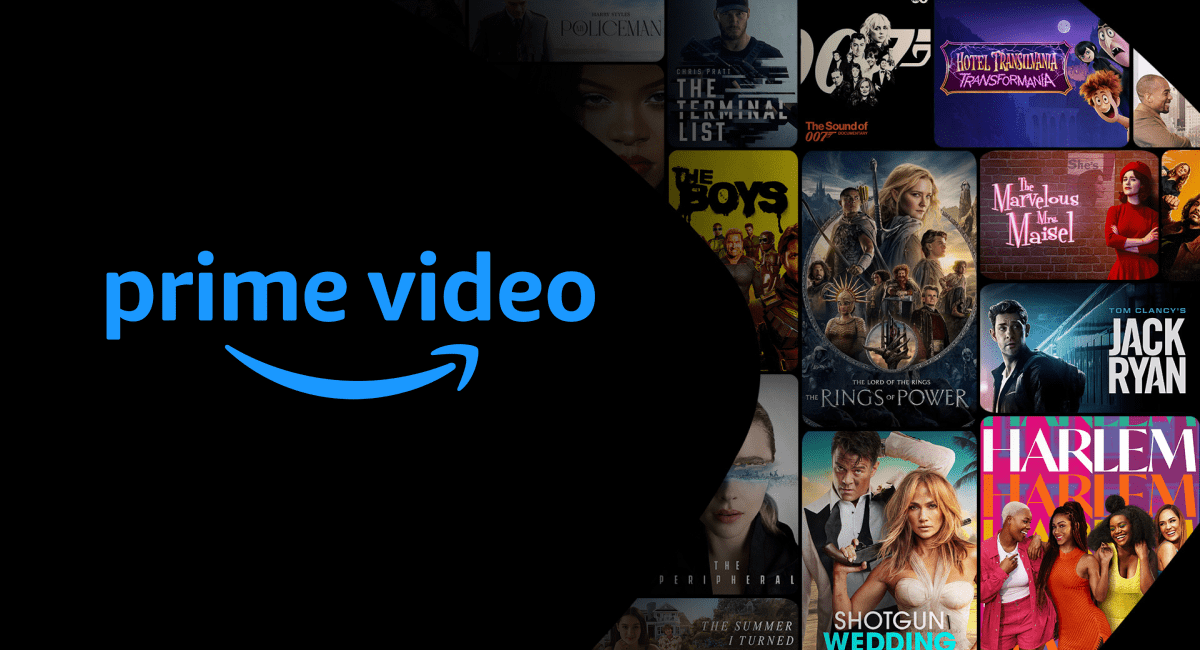
At its heart, Prime Video is Amazon’s answer to the demand for on-demand digital content, offering a vast library of movies, TV shows, and original programming accessible via a multitude of devices. It’s a cornerstone of the Amazon Prime subscription, providing a rich media experience that complements other Prime benefits like expedited shipping and exclusive deals. For the technologically savvy consumer, understanding Prime Video means appreciating the sophisticated infrastructure that delivers high-quality content, the intelligent algorithms that personalize recommendations, and the user-centric design that defines its accessibility.
Decoding Amazon Prime Video: A Multifaceted Entertainment Hub
Amazon Prime Video is not merely a catalogue of content; it’s a sophisticated digital service designed to provide a rich, integrated entertainment experience. Its evolution reflects the broader trends in media consumption, emphasizing accessibility, variety, and technological innovation.
The Foundation: On-Demand Streaming Excellence
At its core, Prime Video provides a robust video-on-demand (VOD) service, allowing subscribers to access content whenever and wherever they choose. This foundational aspect relies on a highly efficient content delivery network (CDN) that minimizes buffering and ensures high-quality playback across various internet speeds. When a user selects a title, the system intelligently streams the content from servers optimized for proximity and bandwidth, employing adaptive bitrate streaming technology. This technology dynamically adjusts video quality (from standard definition up to 4K Ultra HD) based on the user’s network conditions and device capabilities, ensuring a smooth and uninterrupted viewing experience without manual intervention. The ability to stream content reliably, even in less than ideal network environments, is a testament to the engineering prowess behind the platform.
Beyond Basic Streaming: Integrated Benefits and Features
What sets Prime Video apart within the broader Amazon Prime ecosystem is its integration with other services and its unique set of features that enhance the viewing experience. While primarily a VOD service, Prime Video also offers options for renting or purchasing individual titles, often before they are available for streaming or to non-subscribers. This pay-per-view model operates on a digital rights management (DRM) framework, ensuring content protection and adherence to licensing agreements. Technologically, this involves secure content encryption, digital watermarking, and robust authentication protocols to prevent unauthorized access or copying.
Furthermore, Prime Video frequently offers “channels” – optional, paid add-ons from third-party providers like HBO, Showtime, or Starz. From a technological standpoint, this represents a sophisticated aggregation platform, where Prime Video acts as a centralized interface for managing subscriptions and accessing content from multiple distinct providers. This reduces user friction by eliminating the need for separate apps and logins, consolidating billing, and often leveraging Prime Video’s existing UI and streaming infrastructure for playback, even if the content originates from another provider’s library.
A Deep Dive into Content: Originals, Exclusives, and More
The breadth and depth of Prime Video’s content library are critical to its appeal. This includes a vast selection of licensed movies and TV shows from major studios, which constantly rotates based on licensing agreements and market demand. Technologically, managing this dynamic content library involves complex metadata management, rights tracking, and content ingestion pipelines that process and prepare media files for streaming across diverse global regions, each with unique licensing nuances.
Perhaps the most significant differentiator is Amazon’s substantial investment in “Amazon Originals” – content produced or acquired exclusively by Amazon Studios. These include critically acclaimed series (e.g., The Marvelous Mrs. Maisel, The Boys, Lord of the Rings: The Rings of Power) and films. The production and delivery of original content involve cutting-edge filmmaking technology, from high-resolution cameras and advanced CGI to sophisticated post-production workflows. Once produced, these originals are optimized for Prime Video’s streaming infrastructure, often supporting the highest available resolutions (4K UHD, HDR) and immersive audio formats (Dolby Atmos), pushing the boundaries of home entertainment technology. The platform also frequently streams live events, such as Thursday Night Football, which demands low-latency streaming technology, robust server capacity, and real-time content delivery to handle millions of concurrent viewers without degradation in quality or significant delay.
The Technological Underpinnings of Seamless Streaming
The seemingly effortless experience of watching content on Prime Video belies a complex web of technologies working in concert. These technologies are continually refined to enhance performance, accessibility, and user satisfaction.
Optimizing User Experience: Adaptive Streaming and Resolution
The cornerstone of modern video streaming is adaptive bitrate (ABR) technology. When you press play on Prime Video, the system doesn’t just send a fixed-quality video stream. Instead, it encodes the content into multiple versions at different resolutions and bitrates. As you watch, the Prime Video client application (on your TV, phone, browser, etc.) constantly monitors your internet connection speed and device performance. If your bandwidth drops, it seamlessly switches to a lower bitrate version to prevent buffering; if your bandwidth improves, it scales up to a higher quality. This process is so fluid that most users don’t even notice the transitions, ensuring a consistent and enjoyable viewing experience. Formats like MPEG-DASH and HLS (HTTP Live Streaming) are commonly used to facilitate this adaptive delivery, paired with efficient video codecs like H.264 (AVC) and increasingly H.265 (HEVC) for 4K content, which offer superior compression ratios without sacrificing visual fidelity.
Universal Accessibility: Device Compatibility and UI Design
Prime Video’s ubiquitous presence across a vast array of devices is a significant technological achievement. The platform is accessible via web browsers, dedicated apps on smartphones and tablets (iOS, Android), smart TVs (Samsung, LG, Sony, etc.), streaming media players (Roku, Apple TV, Fire TV devices), game consoles (PlayStation, Xbox), and set-top boxes. Each device platform presents unique technical challenges, requiring specialized software development kits (SDKs) and optimized application development to ensure consistent functionality and performance.
The user interface (UI) design across these diverse devices also demands a sophisticated approach. While maintaining a cohesive brand identity, the UI must adapt to different screen sizes, input methods (touch, remote control, game controller), and processing powers. This involves responsive design principles, efficient rendering engines, and careful optimization to ensure smooth navigation and quick content loading, regardless of the underlying hardware. For instance, the UI on a smart TV needs to be easily navigable with a remote control, prioritizing large, clear elements, while a mobile app might leverage touch gestures and a more compact layout.

Innovative Features: X-Ray, Watch Parties, and Offline Access
Prime Video continually integrates innovative features that leverage its technological capabilities:
- X-Ray: Powered by IMDb (which Amazon owns), X-Ray offers on-screen information about actors, music, trivia, and more, as you watch. This is a real-time data integration marvel, where the video playback client communicates with IMDb’s vast database, synchronizing metadata with specific timestamps in the video stream. It’s an example of how a streaming service can enrich passive viewing with interactive, context-aware information.
- Watch Parties: This feature allows multiple users in different locations to watch the same content simultaneously, with a synchronized playback and a chat function. Technically, this requires robust server-side synchronization mechanisms to ensure everyone’s video stream is precisely aligned, combined with a real-time messaging infrastructure to handle the chat. It creates a communal viewing experience, leveraging network technology to bridge physical distance.
- Offline Viewing: Subscribers can download select titles to their mobile devices for offline viewing. This functionality relies on secure digital rights management (DRM) technologies to encrypt the downloaded content and enforce viewing restrictions (e.g., expiration dates, device limits). The downloaded files are often optimized for mobile storage and playback, using efficient codecs and packaging formats that balance quality with file size, enabling entertainment even without an internet connection.
Engaging with Prime TV: Navigation, Personalization, and the User Journey
The user journey on Prime Video is meticulously designed to be intuitive and engaging, heavily relying on advanced algorithms and intelligent design principles to enhance content discovery and customization.
Discovering Content: Search, Recommendations, and Curated Playlists
Content discovery is paramount in a library as vast as Prime Video’s. The platform employs sophisticated search algorithms that process natural language queries and provide highly relevant results, often incorporating metadata from IMDb for deeper context. Beyond explicit search, personalized recommendations are a core technological strength. Utilizing machine learning and artificial intelligence, Prime Video analyzes viewing history, ratings, watchlists, and even browsing behavior to suggest new titles. These recommendation engines are complex, employing collaborative filtering, content-based filtering, and hybrid models to predict what a user might enjoy. This constant algorithmic curation aims to keep users engaged by presenting them with content that aligns with their tastes, often introducing them to new genres or original programming they might not otherwise discover. Curated playlists and categories, often updated by human editors, complement these algorithmic recommendations, providing structured pathways for exploration.
Customizing Your View: Profiles, Parental Controls, and Watchlists
To cater to diverse households, Prime Video offers user profiles, allowing each family member to maintain their personalized viewing history, recommendations, and watchlists. This feature requires robust user management systems and data segmentation to keep individual preferences distinct. For families with children, comprehensive parental controls are crucial. Technologically, these controls allow account administrators to restrict access to content based on age ratings (e.g., G, PG, R, TV-Y, TV-MA) and to set PINs for purchases or specific profiles. This relies on content metadata being accurately tagged with rating information and a secure authentication system to enforce these restrictions effectively, providing peace of mind for parents. Watchlists, a simple yet effective feature, enable users to bookmark titles they intend to watch later, serving as a personalized queue that syncs across all their devices, a testament to effective cloud synchronization.
The Ecosystem Advantage: Prime TV within Amazon’s Broader Offerings
Prime Video’s integration within the larger Amazon ecosystem provides unique technological advantages. For Prime subscribers, access to Prime Video is seamless, often just a click away from their Amazon shopping cart or Kindle library. This tight integration means shared user accounts, billing information, and often unified customer support. Data collected from Prime Video usage can also inform other Amazon services, for instance, by suggesting relevant products based on content viewed (e.g., merchandise from a popular show). While ethically complex, this data synergy allows for a highly personalized and convenient user experience across Amazon’s diverse offerings. The Fire TV range of devices, developed by Amazon, also provides a tightly optimized hardware-software integration, offering a fluid and intuitive Prime Video experience that often prioritizes Amazon’s content and features.
Prime TV’s Position in the Competitive Streaming Arena
In an increasingly saturated streaming market, Prime Video continuously adapts its technology and content strategy to maintain its competitive edge and secure its place as a leading entertainment platform.
Strategic Differentiation in a Crowded Market
The streaming market is fiercely competitive, with giants like Netflix, Disney+, Max, and countless niche services vying for subscriber attention. Prime Video differentiates itself not just through its content library but also through its unique technological ecosystem and multifaceted value proposition. Its deep integration with the Amazon Prime subscription model makes it a bundled value offering, rather than a standalone media service. This bundling strategy leverages Amazon’s vast customer base and encourages Prime subscriptions by offering a comprehensive package of benefits where Prime Video is a significant draw. Technologically, its continuous innovation in areas like X-Ray, Watch Parties, and seamless 4K HDR delivery aims to provide a superior and unique user experience that rivals or surpasses competitors. The investment in live sports streaming (e.g., NFL) also demonstrates a strategic move to capture the audience for real-time events, which poses distinct technological challenges for low-latency, high-availability streaming infrastructure.
The Future of Prime TV: Technological Evolution and Content Innovation
The future of Prime Video will undoubtedly be shaped by ongoing technological advancements and evolving content strategies. Expect continued refinement in AI-driven personalization, leading to even more tailored recommendations and potentially interactive content experiences. Further investments in immersive technologies like virtual reality (VR) or augmented reality (AR) for companion experiences could emerge, though widespread adoption might still be some time off. The platform will also likely continue to push the boundaries of streaming quality, embracing new video codecs, higher resolutions, and advanced audio formats to deliver cinema-quality experiences in the home. Content innovation will remain a priority, with increased investment in global original productions and exclusive rights to major franchises or live events, leveraging Amazon’s global infrastructure for distribution.
Impact on Digital Entertainment Consumption
Prime Video has significantly influenced digital entertainment consumption by popularizing the bundled subscription model and demonstrating the power of integrating streaming services into a broader e-commerce and logistics ecosystem. It has pushed other services to innovate in terms of content quality, technological features, and user experience. Its success highlights the importance of not just having compelling content, but also the underlying technology to deliver it flawlessly across diverse devices and to personalize the experience for millions of users worldwide. As technology continues to advance, Prime Video’s commitment to optimizing streaming, enhancing interactivity, and expanding accessibility will continue to shape the way we consume and interact with digital media.

Conclusion: The Enduring Appeal of Prime TV
“What is Prime TV?” is a question that reveals the complexity and breadth of Amazon Prime Video. It is a powerful confluence of technology and content, engineered to deliver a seamless, personalized, and robust digital entertainment experience. From its adaptive streaming algorithms and ubiquitous device compatibility to its innovative features like X-Ray and Watch Parties, Prime Video stands as a testament to the sophisticated engineering required to operate a global streaming platform. Its integration within the Amazon Prime ecosystem further solidifies its value, making it a compelling offering in the crowded streaming landscape. As digital entertainment continues its rapid evolution, Prime Video’s ongoing commitment to technological advancement and content excellence ensures its continued relevance and impact on how we engage with stories and media in the modern age.
aViewFromTheCave is a participant in the Amazon Services LLC Associates Program, an affiliate advertising program designed to provide a means for sites to earn advertising fees by advertising and linking to Amazon.com. Amazon, the Amazon logo, AmazonSupply, and the AmazonSupply logo are trademarks of Amazon.com, Inc. or its affiliates. As an Amazon Associate we earn affiliate commissions from qualifying purchases.