
In times of economic uncertainty or unexpected hardship, the question “Where can I get a food box today?” is more than just a search for sustenance; it’s a critical query about managing personal finances and safeguarding one’s well-being. Food insecurity, even if temporary, represents a significant financial challenge, directly impacting household budgets and the overall stability of individuals and families. This article delves into the financial implications of seeking food assistance, outlining the various resources available and offering strategies for both immediate relief and long-term financial resilience. Understanding these avenues is crucial for anyone navigating the complex landscape of personal finance, where food costs are often a primary expenditure.
Understanding the Immediate Need: Food Security as a Financial Foundation
The ability to consistently afford and access nutritious food is a cornerstone of personal financial stability. When this ability is compromised, it signals a deeper strain on a household’s budget, potentially exacerbated by factors like unemployment, unexpected medical bills, or rising living costs. Addressing immediate food needs is not just about hunger; it’s about preventing a cascade of financial and health problems that can arise from inadequate nutrition.
The Cost of Living and Food Insecurity
The rising cost of living, particularly for essential goods like groceries, has pushed many households to the brink. For those living paycheck to paycheck, even a slight increase in food prices or a minor unexpected expense can lead to difficult choices between food, rent, utilities, or medication. Food insecurity in this context is often a symptom of insufficient income or poor financial planning, making it a critical personal finance issue. It forces individuals to stretch their budgets, often sacrificing nutritional quality for quantity, which can have long-term health and financial consequences. The financial stress associated with not knowing where your next meal will come from can also impact productivity, decision-making, and mental health, further complicating efforts to improve one’s financial situation.
The Link Between Nutrition and Financial Stability
Adequate nutrition is inextricably linked to one’s capacity for work, education, and overall financial productivity. Malnutrition, whether due to insufficient calories or lack of essential nutrients, can lead to chronic health issues, reduced energy levels, and impaired cognitive function. These health challenges often translate into increased medical expenses, lost workdays, and reduced earning potential, creating a vicious cycle of poverty and poor health. By securing access to nutritious food, individuals are not only addressing immediate hunger but also investing in their long-term health and financial stability, enabling them to pursue employment, manage finances effectively, and contribute to their communities. Food assistance programs, therefore, act as an essential buffer, preventing further financial erosion and allowing individuals to focus on rebuilding their economic footing.
Identifying Key Food Assistance Resources
When faced with immediate food needs, understanding the landscape of available assistance is the first step towards securing relief. These resources are designed to provide financial relief by offsetting food expenditures, thus freeing up funds for other essential costs or allowing for savings. From local community initiatives to large-scale government programs, each offers a unique pathway to support, fundamentally impacting a household’s financial solvency.
Local Food Banks and Pantries: Community Lifelines
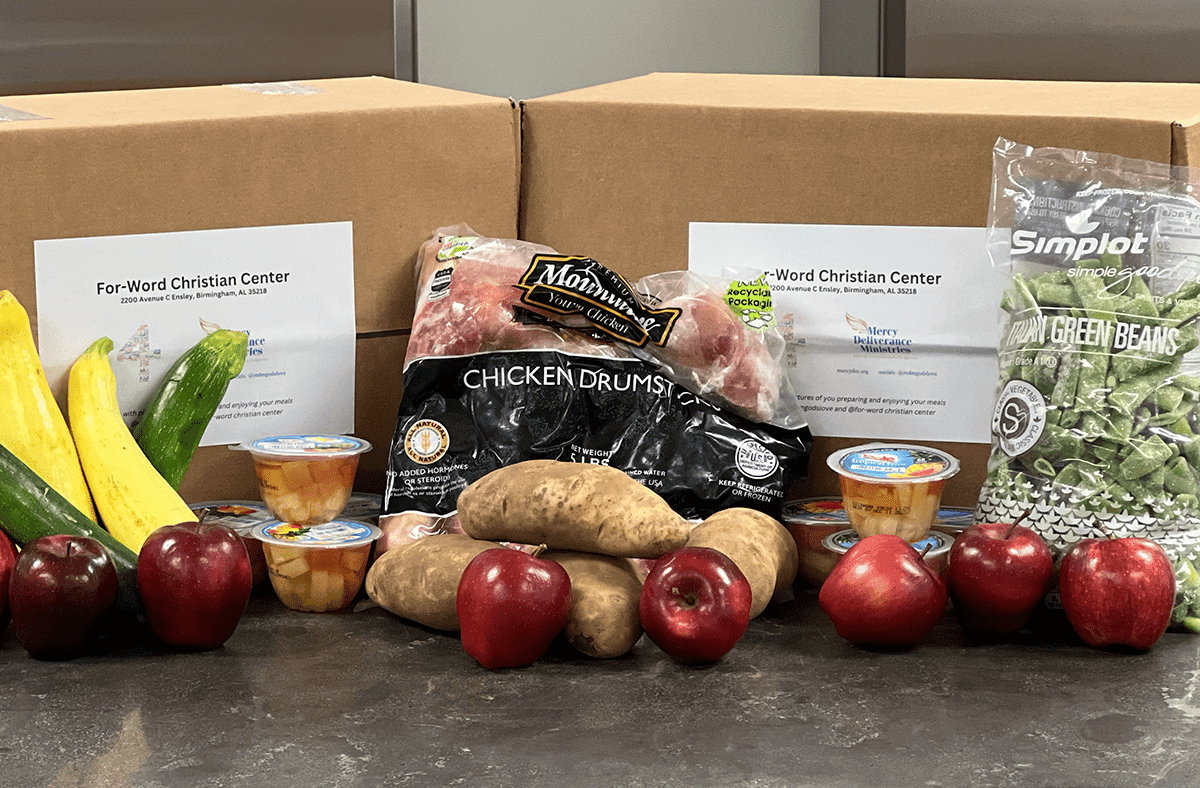
Food banks and pantries are often the first line of defense against hunger. These community-based organizations collect donated food and distribute it to those in need. Financially, utilizing a food pantry can significantly reduce a household’s weekly or monthly grocery bill, potentially saving hundreds of dollars that can then be reallocated to rent, utilities, transportation, or debt repayment. While typically providing non-perishable items, many also offer fresh produce, dairy, and meat, ensuring a more balanced diet. Accessing these services usually requires a simple registration, and some may ask for proof of residency or income, though many prioritize immediate need over strict financial criteria. They serve as a vital financial tool, providing a direct subsidy on one of life’s most significant expenses.
Government Programs: SNAP, WIC, and Emergency Food Assistance
Federal and state government programs play a crucial role in the financial safety net, directly addressing food insecurity. The Supplemental Nutrition Assistance Program (SNAP), formerly known as food stamps, provides eligible low-income individuals and families with financial assistance to purchase groceries. SNAP benefits are loaded onto an Electronic Benefits Transfer (EBT) card, functioning like a debit card specifically for food purchases, thereby directly augmenting a household’s purchasing power. For families with infants, children, and pregnant or postpartum women, the Special Supplemental Nutrition Program for Women, Infants, and Children (WIC) offers targeted financial support for nutritious foods, nutrition education, and healthcare referrals. Beyond these, various emergency food assistance programs are often activated during crises, providing temporary financial relief for food purchases. These programs are not just handouts; they are strategic financial interventions designed to stabilize households, improve health outcomes, and contribute to broader economic productivity by ensuring foundational nutritional needs are met.
Meal Programs and Community Kitchens
Beyond food boxes, community kitchens and meal programs offer prepared meals, a critical service for those without access to cooking facilities or facing extreme hardship. These programs provide immediate sustenance, saving individuals the cost and effort of preparing food themselves. From a financial perspective, this eliminates the need to purchase groceries or incur utility costs for cooking, offering direct savings. Often operating on a no-questions-asked basis, they provide an accessible financial relief valve for individuals experiencing homelessness or acute financial distress. These initiatives are often run by charities, churches, or non-profit organizations and can be invaluable in mitigating the daily financial burden of food for vulnerable populations.
Practical Steps to Accessing Food Boxes and Financial Aid
Navigating the various resources for food assistance requires a systematic approach. Understanding how to locate, apply for, and utilize these programs is crucial for maximizing their financial benefits and ensuring consistent access to food. These practical steps empower individuals to take control of their immediate financial challenges related to food.
Leveraging Online Tools and Local Directories
In the digital age, finding food assistance has become significantly easier. Numerous online platforms and mobile applications are dedicated to connecting individuals with local food banks, pantries, and meal programs. Websites like Feeding America, WhyHunger, or specific state/county government portals offer searchable databases based on zip code. These tools are invaluable for quickly identifying nearby resources and understanding their operating hours and specific requirements. Beyond general search engines, local directories, community resource guides, and social services agencies often compile comprehensive lists of food assistance providers. Utilizing these tools saves time and effort, directly translating into more efficient access to financial relief through food provisions.
Understanding Eligibility and Documentation

While the primary goal of food assistance is to help those in need, most programs have specific eligibility criteria, often related to income, household size, and residency. For government programs like SNAP or WIC, detailed income verification, proof of identity, and residency documents (e.g., utility bills, lease agreements) are typically required. Food banks and pantries might have less stringent requirements, sometimes only asking for a form of identification or proof of address. Understanding these prerequisites beforehand can significantly streamline the application process. Gathering necessary documentation—pay stubs, tax returns, government IDs, birth certificates—in advance is a critical financial preparedness step, ensuring a smoother application and quicker access to benefits, thereby minimizing periods of food insecurity and financial strain.
The Application Process: Tips for Success
The application process for food assistance, particularly for government programs, can sometimes seem daunting. It often involves filling out detailed forms, attending interviews, and submitting documentation. Key tips for success include being thorough and accurate in all information provided, asking questions if anything is unclear, and following up on your application status. Many organizations offer assistance with the application process, either through dedicated staff or community navigators. For food banks and pantries, the process is usually simpler, often involving a walk-in visit during distribution hours. Successfully navigating these processes means securing consistent access to free or subsidized food, which is a direct boost to one’s personal financial health, alleviating pressure on the grocery budget and allowing funds to be directed elsewhere.
Beyond the Immediate: Strategies for Long-Term Food and Financial Stability
While immediate food assistance addresses urgent needs, true financial stability requires proactive strategies that go beyond short-term fixes. Integrating food management into a broader personal finance plan is essential for preventing future food insecurity and building lasting economic resilience.
Budgeting for Food: Maximizing Every Dollar
Effective budgeting is perhaps the most powerful tool for ensuring food security. This involves tracking all income and expenses, allocating specific amounts for groceries, and sticking to that budget. Strategies like meal planning, preparing meals at home, buying in bulk when financially feasible, utilizing sales and coupons, and reducing food waste can significantly stretch your food budget. Learning to cook economical, nutritious meals from scratch can also dramatically lower food costs compared to eating out or purchasing processed foods. Every dollar saved on groceries is a dollar that can be put towards savings, debt reduction, or other essential expenses, strengthening your financial foundation.
Building an Emergency Fund for Food Security
One of the most effective ways to mitigate the risk of future food insecurity is to build an emergency fund. This dedicated savings account should ideally cover 3-6 months of essential living expenses, including food. While building such a fund can take time, even small, consistent contributions can create a buffer against unexpected financial shocks like job loss or medical emergencies. Having an emergency fund provides peace of mind and reduces reliance on external food assistance programs, offering a personal financial safety net that allows you to weather storms without compromising your access to food. It’s an investment in your future financial independence.
Exploring Supplementary Income Streams
To alleviate the financial pressure that often leads to food insecurity, exploring supplementary income streams can be a transformative strategy. This could involve taking on a part-time job, freelancing, selling goods online, or monetizing a hobby. Even a small additional income can significantly impact a household’s ability to cover food costs and build savings. Diversifying income reduces dependence on a single source, offering greater financial flexibility and resilience. This proactive approach to earning can move individuals from merely surviving to thriving, providing the means to consistently afford nutritious food and achieve broader financial goals.
Financial Literacy Resources and Support
Empowering oneself with financial knowledge is key to long-term stability. Many non-profit organizations, community centers, and even financial institutions offer free or low-cost financial literacy courses and counseling. These resources can help individuals learn about budgeting, debt management, saving, and investing, providing the tools necessary to make informed financial decisions. Understanding how to manage money effectively reduces the likelihood of future financial crises, including food insecurity. Accessing these resources is an investment in personal financial growth, leading to greater control over one’s economic future.
The Broader Economic Impact of Food Assistance
Beyond individual households, food assistance programs have a profound impact on the broader economy. They are not merely charitable endeavors but strategic investments that yield significant societal and economic benefits. Understanding these broader implications underscores the importance of a robust system for addressing food insecurity.
Reducing Healthcare Costs
Food insecurity is directly linked to higher rates of chronic diseases such as diabetes, heart disease, and hypertension. Individuals who lack access to nutritious food often face poorer health outcomes, leading to increased doctor visits, hospitalizations, and prescription medication costs. By providing access to healthy food, assistance programs help prevent these diet-related illnesses, thereby reducing healthcare expenditures for both individuals and the healthcare system as a whole. This represents a significant economic saving, as healthier populations require less medical intervention and contribute more consistently to the workforce.
Supporting Local Economies
Food assistance programs, particularly those that allow beneficiaries to purchase food at local grocery stores (like SNAP), inject significant funds directly into local economies. These benefits are spent on food produced and sold by local businesses, supporting farmers, retailers, and their employees. This economic stimulus creates jobs, generates tax revenue, and fosters a more vibrant local marketplace. When people have the financial means to purchase food, it creates a multiplier effect, circulating money within the community and supporting the livelihoods of many.

Fostering Community Resilience
A community where basic needs like food are met is a more resilient and productive community. Food assistance programs help to reduce social inequalities, improve educational outcomes for children, and stabilize families. By providing a safety net, they prevent wider social unrest and foster a sense of security and trust within the community. When people are not constantly worried about where their next meal will come from, they are better able to participate in civic life, engage in education, and contribute to the local workforce. This collective resilience strengthens the social fabric and creates a more stable economic environment for everyone.
In conclusion, the question “Where can I get a food box today?” opens a gateway into understanding the critical intersection of food security and personal finance. From identifying immediate relief options to implementing long-term budgeting and savings strategies, addressing food needs is an integral part of managing one’s financial health. By leveraging available resources and adopting proactive financial habits, individuals can not only overcome immediate challenges but also build a resilient foundation for a more secure and prosperous future.
aViewFromTheCave is a participant in the Amazon Services LLC Associates Program, an affiliate advertising program designed to provide a means for sites to earn advertising fees by advertising and linking to Amazon.com. Amazon, the Amazon logo, AmazonSupply, and the AmazonSupply logo are trademarks of Amazon.com, Inc. or its affiliates. As an Amazon Associate we earn affiliate commissions from qualifying purchases.