
Closing a checking account can seem like a daunting task, but with the right preparation and understanding of the process, it can be executed smoothly. Whether you’re consolidating your finances, switching to a new institution, or simply no longer need the account, knowing the specific steps for Bank of America can save you time and potential headaches. This comprehensive guide will walk you through everything you need to know, ensuring a seamless transition and protecting your financial well-being.
The Strategic Decision: Why Close Your Bank of America Checking Account?
Before diving into the procedural aspects, it’s insightful to consider the underlying reasons for closing an account. Understanding your motivation can help reinforce your decision and ensure you’ve explored all alternatives. For many, the choice to close an account is a strategic financial move aimed at optimizing their personal finance landscape.

Changing Banks for Better Services or Rates
One of the most common reasons individuals decide to close an existing checking account is the allure of better offerings elsewhere. Competitor banks might offer higher interest rates on checking balances, lower (or no) monthly maintenance fees, more robust digital banking platforms, or specialized perks that better align with your current financial needs. For instance, a bank offering fee-free ATMs nationwide or a more integrated investment platform could be a compelling reason to make a switch. Regularly evaluating your banking relationship is a healthy financial habit, ensuring your primary institution continues to serve your best interests. This proactive approach to banking can significantly impact your financial savings and convenience over time.
Consolidating Accounts for Simplicity
Over time, individuals can accumulate multiple checking accounts from various banks, often remnants of past financial phases or specific promotions. While having several accounts can offer a degree of diversification, it often leads to unnecessary complexity. Consolidating these accounts into one or two primary accounts can simplify budgeting, streamline bill payments, and reduce the mental load of managing multiple logins and statements. For busy individuals, a minimalist approach to banking can free up valuable time and reduce the risk of oversight. Fewer accounts mean less paperwork, fewer passwords to remember, and a clearer picture of your overall financial standing.
Avoiding Unnecessary Fees
Bank fees, while sometimes small, can accumulate over time and erode your savings. Monthly maintenance fees, ATM fees (out-of-network), overdraft fees, and even inactivity fees can become a significant drain if you’re not careful. If your Bank of America checking account consistently incurs fees that you find difficult to avoid, or if a competitor offers similar services without these charges, closing the account becomes a financially prudent decision. It’s essential to read the fee schedule of any account carefully, both existing and prospective, to ensure you’re making an informed choice. Even a few dollars saved each month can add up significantly over a year.
Dissatisfaction with Customer Service or Banking Experience
Beyond fees and features, the quality of customer service and the overall banking experience play a crucial role in customer satisfaction. If you’ve experienced repeated issues with Bank of America’s customer support, encountered persistent technical glitches with their online platform, or simply feel that your banking needs are not being met with the level of service you expect, closing your account can be a valid response. Trust and reliability are cornerstones of a good banking relationship, and their absence can prompt a move elsewhere. A bank that values its customers and provides efficient, accessible support can make a substantial difference in your daily financial interactions.
Essential Preparations: Steps to Take Before You Close
Closing an account isn’t simply a matter of telling the bank to shut it down. A thoughtful approach involves several preparatory steps to ensure a smooth transition and avoid financial disruptions or unexpected charges. This proactive planning is critical to prevent future complications and ensures that your financial life continues uninterrupted.
Zeroing Out Your Balance and Handling Remaining Funds
One of the first and most critical steps is to ensure your account balance is at or near zero. If you plan to transfer funds to a new account, initiate this transfer well in advance to allow for processing time. For smaller remaining balances, you might simply withdraw the cash, use it for purchases, or request a cashier’s check from the bank for the residual amount. Be mindful of minimum balance requirements that might trigger fees, and always ensure sufficient funds to cover any pending transactions before initiating the transfer or withdrawal process. If you leave a small positive balance, Bank of America will likely issue a check for the remaining amount after the account is officially closed. If there’s a negative balance, you’ll need to deposit funds to bring it to zero or positive before they will process the closure request.
Updating Direct Deposits and Automatic Payments
This step cannot be stressed enough. Virtually every checking account is linked to various financial mechanisms: paychecks are direct-deposited, utilities are automatically paid, subscription services debit funds, and loan payments are withdrawn. Before closing your Bank of America account, you must update all direct deposits to your new account and reroute all automatic payments. This includes employer payroll, government benefits (like Social Security), recurring bill payments (rent, mortgage, credit cards, insurance, streaming services), and any automated transfers you might have set up. Start this process several weeks in advance, as some changes can take one to two billing cycles to fully process. Keep a meticulous list of all linked transactions to ensure nothing is overlooked. A missed payment due to an un-updated automatic debit can lead to late fees and damage your credit score.
Reviewing Pending Transactions and Debts
Check your account statement and online banking platform for any pending transactions. These could include checks you’ve written that haven’t cleared, debit card purchases that are still processing, or scheduled payments that haven’t been executed. All pending transactions must clear before you formally request to close the account. Attempting to close an account with pending transactions can lead to complications, including overdrafts, returned payments, and potential fees. Similarly, ensure there are no outstanding debts or liabilities tied to the account, such as an active line of credit or an unsettled overdraft. All such matters must be resolved before closure. Waiting a few extra days for everything to clear is a small price to pay for a smooth closure.
Saving Account Statements and Transaction History
Financial records are crucial for tax purposes, budgeting, and future reference. Before your account is closed and access to your online statements is potentially revoked, download and save all your historical account statements, transaction histories, and any relevant tax documents (e.g., interest earned statements). Many banks only keep a limited history available online, so downloading everything you might need for the past several years is a wise precaution. Store these documents securely, either digitally in an encrypted folder or as physical copies. Having these records readily available can save you significant hassle during tax season or if you ever need to dispute a charge.
Cancelling Linked Services and Features
Beyond direct deposits and automatic payments, your checking account might be linked to other Bank of America services or features. This could include overdraft protection tied to a savings account or a credit card, Zelle or other peer-to-peer payment services, investment accounts, or even safety deposit box payments. Ensure you understand and cancel or re-link these services appropriately. For instance, if you have overdraft protection from a savings account, closing the checking account might affect the savings account’s functionality or your overall financial safety net. Review all services carefully to avoid any unexpected disruptions or charges after the checking account is gone.
Navigating the Closure: Methods for Closing Your Bank of America Checking Account
Once your preparations are complete, you can initiate the closure request. Bank of America, like most large financial institutions, offers several pathways to close an account, each with its own advantages and considerations regarding convenience, security, and speed.
In-Person at a Bank of America Branch
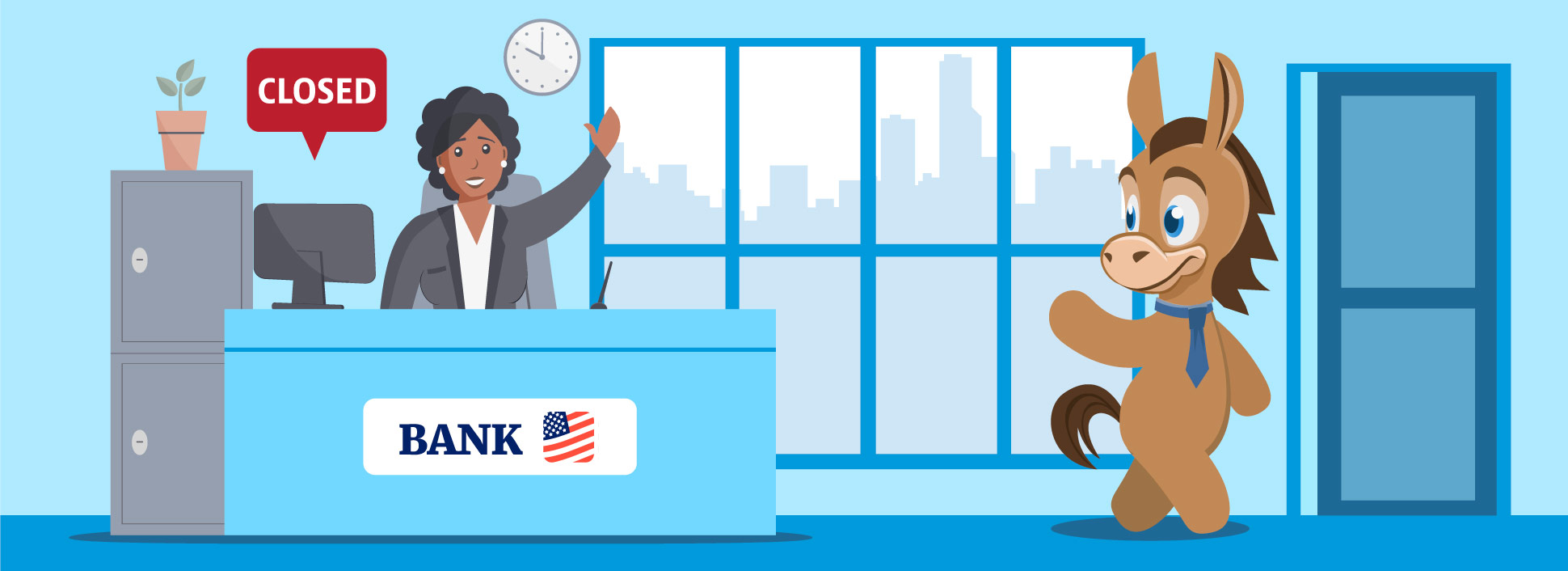
This is often the most straightforward and secure method, particularly if you prefer face-to-face interaction or have complex questions. Visiting a Bank of America branch allows you to speak directly with a representative who can guide you through the process, confirm your identity, and ensure all necessary paperwork is completed correctly.
- Process: Bring a valid government-issued ID (driver’s license, passport) and your account number. Inform the representative of your intent to close the account. They will verify your identity, confirm the balance (and disburse any remaining funds), and provide you with a closure confirmation.
- Pros: Immediate confirmation, ability to ask questions and resolve issues on the spot, can receive remaining funds instantly (cash or cashier’s check).
- Cons: Requires physical travel, limited to branch operating hours, potentially longer wait times depending on the branch.
Via Phone Call to Customer Service
For those who cannot visit a branch or prefer the convenience of handling matters remotely, calling Bank of America’s customer service is a viable option. This method provides flexibility and can often be completed relatively quickly, assuming you have all your account details ready.
- Process: Call Bank of America’s customer service number (usually found on their website or the back of your debit card). Be prepared to provide identifying information (account number, Social Security number, address, date of birth) for verification. Clearly state your request to close the checking account. The representative will guide you through the steps and arrange for any remaining funds to be mailed to you as a check.
- Pros: Convenient, can be done from anywhere, potentially quicker than mail.
- Cons: May involve hold times, verification can be lengthy, potential for miscommunication if not meticulous, funds sent via mail take time to arrive.
Through Written Request (Mail/Fax)
While less common in the digital age, closing an account via a written letter or fax is still an option, especially if you want a physical record of your request. This method is often recommended if you are closing an account from abroad or have specific legal requirements that necessitate a written record.
- Process: Draft a formal letter clearly stating your intent to close the account. Include your full name, account number, mailing address, contact phone number, and a clear request for a cashier’s check for any remaining balance. Sign and date the letter. It’s advisable to send it via certified mail with a return receipt requested to have proof of delivery.
- Pros: Provides a documented paper trail, useful for specific situations requiring formal written notice.
- Cons: Slowest method, no immediate confirmation, funds take time to be issued and mailed, potential for delays or lost mail.
Online Closure (Limited Availability)
As of my last update, Bank of America generally does not offer a direct online portal to close a checking account. While you can manage many aspects of your account online, complete closure usually requires a more direct interaction (in-person or phone) for security and verification purposes. It’s always a good idea to check Bank of America’s official website or contact their customer service to see if their policies have changed or if specific account types offer an online closure option. If an online option were available, it would typically involve logging into your secure banking portal, navigating to an account management section, and following prompts for closure. Always ensure you are on the official Bank of America website for any online transactions to protect your personal and financial information.
Post-Closure Protocols: What Happens Next?
The process doesn’t end the moment you’ve submitted your closure request. There are a few critical steps and expectations for the period immediately following account closure to ensure complete peace of mind and prevent any lingering issues.
Confirmation of Account Closure
After you’ve initiated the closure, Bank of America should provide you with a confirmation. If you closed the account in person, you might receive a printed confirmation immediately. If by phone or mail, expect a letter or email confirming the account’s official status within a few business days or weeks. Keep this confirmation for your records. It serves as proof that the account is no longer active under your name and that you’ve fulfilled your obligations, providing a valuable document should any future questions arise.
Monitoring for Unexpected Activity
For a few weeks or even a couple of months following closure, it’s wise to monitor your new primary bank account and review your credit reports periodically. This helps ensure that all direct deposits and automatic payments have successfully rerouted and that no unexpected debits or credits are attempted on the closed account. While rare, sometimes old payments or deposits can attempt to go through a closed account, leading to complications like returned items or even a negative mark on your banking history if not addressed promptly. Vigilance during this period is a smart financial habit.
Destroying Old Cards and Checks
Once your account is officially closed, securely destroy all associated debit cards and unused checks. Cut up your debit card through the magnetic strip and chip, and shred any blank checks. This prevents unauthorized use and protects your financial identity from potential fraudsters. Simply throwing them away is not secure enough; proper disposal is crucial for cybersecurity and personal financial safety.
Potential Re-opening Considerations
While your intent is to close the account, it’s worth noting that if you later decide to bank with Bank of America again, you would typically need to open an entirely new account rather than “re-open” the closed one. Account closures are generally permanent for that specific account number. This means you would go through the new account opening process, which may involve new account numbers, new debit cards, and fresh terms and conditions.
Important Considerations and Potential Pitfalls
While the process is generally straightforward, being aware of potential issues can help you avoid them and ensure a smooth, worry-free transition.
Outstanding Balances or Debts
Attempting to close an account with a negative balance or an active loan/line of credit tied to it will halt the process. You must settle all financial obligations with Bank of America before they will finalize the closure. This includes resolving any overdrafts, fees, or outstanding credit card balances if the checking account was used for automatic payments linked to those accounts within the bank. Banks will not close an account that owes them money; the balance must be zero or positive.
Impact on Credit Score (Indirectly)
Closing a checking account itself does not directly affect your credit score, as checking accounts are not typically reported to credit bureaus. However, indirectly, if closing the account leads to missed payments on other debts (due to forgotten automatic payments not being rerouted), those missed payments would negatively impact your credit score. This underscores the importance of meticulously updating all recurring payments well in advance of the closure. A single missed credit card payment, for example, can drop your score by several points.
Keeping Records for Tax Purposes
As mentioned earlier, retaining your financial statements is crucial. You might need these records for tax audits, to prove income, or for other financial planning reasons for several years after the account is closed. Ensure you have digital or physical copies saved securely. The IRS typically recommends keeping records for at least three years, but for major transactions or investment accounts, longer retention periods may be advisable. Don’t rely on the bank to retain indefinitely your access to old statements after closure.
Conclusion
Closing a checking account with Bank of America, while requiring careful attention to detail, is a manageable process that empowers you to take control of your financial architecture. By understanding your motivations, meticulously preparing your finances, choosing the appropriate closure method, and following through with post-closure steps, you can ensure a smooth transition. This guide serves as a comprehensive roadmap for navigating this important personal finance decision, allowing you to move forward with confidence and clarity in your financial journey. Remember, proactive financial management is key to long-term stability and achieving your monetary goals.
aViewFromTheCave is a participant in the Amazon Services LLC Associates Program, an affiliate advertising program designed to provide a means for sites to earn advertising fees by advertising and linking to Amazon.com. Amazon, the Amazon logo, AmazonSupply, and the AmazonSupply logo are trademarks of Amazon.com, Inc. or its affiliates. As an Amazon Associate we earn affiliate commissions from qualifying purchases.