
Understanding your ATM withdrawal limits is a fundamental aspect of effective personal finance management, especially when banking with a major institution like Bank of America. While the convenience of ATMs offers immediate access to your funds, there are often specific thresholds designed for security and operational efficiency. This comprehensive guide will delve into the nuances of Bank of America’s ATM withdrawal policies, helping you navigate your access to cash with confidence and clarity.
Understanding Bank of America’s Standard ATM Withdrawal Limits
Bank of America, like most financial institutions, implements daily ATM withdrawal limits to protect both the bank and its customers from potential fraud and to manage cash flow. These limits are not arbitrary; they are part of a broader risk management strategy.
Typical Daily Limits for Debit Cards
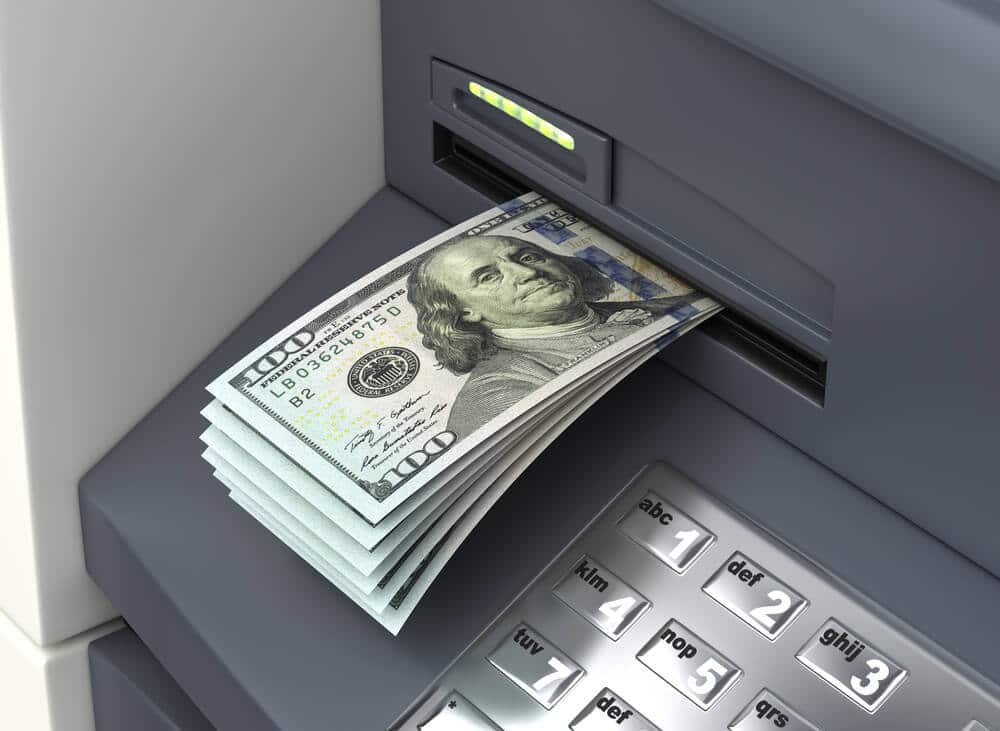
For most Bank of America debit cardholders, the standard daily ATM cash withdrawal limit typically ranges from $700 to $1,000. This amount is the aggregate total you can withdraw across all your transactions within a 24-hour rolling period. It’s crucial to understand that this limit resets, but not always at midnight; it’s often based on the time of your first withdrawal. For example, if you withdraw money at 2 PM on Monday, your next full limit might not be available until 2 PM on Tuesday.
This range is generally sufficient for most day-to-day cash needs, covering expenses like groceries, transportation, or small purchases where cash is preferred or necessary. However, for larger cash requirements, cardholders often discover these standard limits can be a bottleneck.
Variations Based on Account Type and Card Level
The “standard” limit is a good starting point, but it’s not universally applied. Several factors can influence your specific limit, with account type and card level being paramount:
- Checking Accounts: Basic checking accounts often adhere to the lower end of the standard range.
- Premium Checking Accounts: Customers with premium checking accounts, such as Bank of America Advantage Plus or Bank of America Advantage Relationship Banking accounts, may enjoy higher default withdrawal limits due to their larger balances, more extensive banking relationship, and potentially higher transaction volumes.
- Business Accounts: Business debit cards linked to corporate accounts might have significantly higher limits to accommodate operational expenses and payroll, reflecting the different nature of business financial needs.
- Credit Cards (Cash Advances): While the primary focus here is debit card withdrawals, it’s worth noting that credit cards also have cash advance limits. These are typically lower than debit card limits, accrue interest immediately, and often come with higher fees. They should generally be used only as a last resort.
- Student Accounts: Student checking accounts might have slightly lower default limits, aligning with the typical spending patterns and financial responsibilities of students.
It’s always recommended to check the specific terms and conditions associated with your particular account and card for the most accurate information.
ATM Cash Deposit Limits (Brief Mention)
While the article focuses on withdrawals, it’s worth briefly touching on ATM deposit capabilities. Bank of America ATMs generally allow deposits of both cash and checks without a specific dollar limit per transaction, though there might be a limit on the number of items or checks. The availability of funds from these deposits, however, is subject to the bank’s standard hold policies, which vary based on deposit type and account history.
Factors Influencing Your Specific Withdrawal Limit
Beyond the general guidelines, several dynamic factors can influence the exact amount you’re allowed to withdraw from a Bank of America ATM at any given time. These elements are often interconnected and designed to provide a personalized yet secure banking experience.
Your Relationship with the Bank
The longevity and breadth of your relationship with Bank of America can play a significant role. Customers who have maintained accounts for many years, hold multiple products (e.g., checking, savings, mortgage, investments), and have a history of responsible financial behavior might be afforded more flexibility. A strong, established relationship often translates to increased trust and, consequently, potentially higher default limits or easier approval for temporary increases.
Account History and Standing
Your individual account history directly impacts your withdrawal capabilities. This includes:
- Average Daily Balance: Accounts with consistently higher average daily balances may be viewed as lower risk, potentially leading to higher limits.
- Transaction History: A clean transaction history, free from overdrafts, suspicious activity, or bounced checks, reinforces your reliability as a customer. Conversely, a history of frequent overdrafts or unusual transactions could lead to stricter limits as a preventative measure.
- Credit Score (Indirectly): While not directly tied to ATM debit card limits, a good credit score (which often reflects responsible financial behavior across all accounts) can indirectly contribute to a stronger overall banking relationship, which might influence considerations for higher limits.
Fraud Prevention and Security Measures
A primary reason for withdrawal limits is to mitigate financial crime. Bank of America employs sophisticated fraud detection systems that monitor transactions for unusual patterns. If a withdrawal request, even within your stated limit, triggers a red flag (e.g., a large withdrawal immediately after a new account opening, or multiple consecutive withdrawals in different locations), the transaction might be temporarily blocked or flagged for review, effectively limiting your access until the activity is verified. These measures are in place to protect your funds from unauthorized access.
Location and Type of ATM
While less common for standard debit card withdrawals, the location and type of ATM can sometimes have an impact:
- Out-of-Network ATMs: Using an ATM that is not part of the Bank of America network might impose its own, separate, lower withdrawal limit, irrespective of your bank’s limit. This is often an institutional policy of the ATM owner. Additionally, such transactions typically incur surcharges from both Bank of America and the third-party ATM owner.
- International ATMs: When traveling abroad, international ATM networks and local banking regulations can impose different withdrawal limits. These limits might be significantly lower than your domestic limit and are often dictated by the local bank operating the ATM or the country’s financial regulations.
- Emergency ATMs/Limited Service ATMs: In rare instances, an ATM with limited cash availability might temporarily reduce the maximum withdrawal per transaction, although your daily limit remains unchanged.
Navigating Higher Withdrawal Needs: Options and Strategies
There are times when the standard ATM withdrawal limit simply won’t suffice. Whether it’s for a large purchase requiring cash, travel expenses, or an emergency, Bank of America offers several avenues to access larger sums of money.
Requesting a Temporary Increase
For one-off or infrequent needs for more cash than your daily ATM limit allows, you can often request a temporary increase. This is typically done by:

- Calling Customer Service: Contact Bank of America’s customer service line and explain your need for a temporary increase. Be prepared to verify your identity and explain the reason for the larger withdrawal.
- Visiting a Branch: Speaking with a teller or a personal banker in person can also facilitate a temporary limit increase. This can be particularly useful if you need the funds immediately after the request.
Approvals for temporary increases are often granted on a case-by-case basis, considering your account history, available balance, and the reason for the request. It’s advisable to make such requests in advance, if possible, to avoid delays.
Adjusting Permanent Limits (If Applicable)
In some situations, particularly for business accounts or high-net-worth individuals, it might be possible to request a permanent adjustment to your daily ATM withdrawal limit. This is less common for standard personal checking accounts but can be considered based on your financial profile and relationship with the bank. Any such request would involve a review of your financial standing and would likely be discussed with a personal banker at a branch.
Utilizing Teller Services for Larger Amounts
The most straightforward way to access significant amounts of cash beyond your ATM limit is to visit a Bank of America branch during business hours. Tellers can process withdrawals for any amount up to your available balance, provided the branch has sufficient cash on hand. For very large withdrawals, it’s courteous and practical to call the branch in advance to ensure they can accommodate your request and to minimize your waiting time. This also allows the branch to ensure adequate security measures are in place.
Alternatives to Large Cash Withdrawals
Before planning a large cash withdrawal, consider if there are safer and more convenient alternatives:
- Debit Card Purchases: For most large purchases (e.g., furniture, electronics), using your debit card directly is often preferable. It provides a digital record of the transaction and offers better fraud protection than cash.
- Checks or Bank Transfers: For paying individuals or businesses, a personal check, cashier’s check, or a direct bank transfer (ACH or wire transfer) can often be more secure and traceable than handing over large sums of cash.
- Digital Payment Apps: For person-to-person payments, apps like Zelle (which is integrated with Bank of America) allow instant transfers directly from your bank account, often with higher daily limits than ATM withdrawals.
- Credit Cards: For purchases, credit cards offer robust fraud protection, and some even provide extended warranties or rewards points.
Fees, Foreign Transactions, and Best Practices
Navigating ATM withdrawals also involves understanding potential costs and adopting smart habits to protect your finances.
Bank of America ATM Fees and Surcharges
When using a Bank of America ATM, withdrawals from your checking or savings account are generally free. However, be aware of fees in other scenarios:
- Out-of-Network ATM Fees: If you use an ATM outside the Bank of America network, you will likely incur two fees:
- A fee from Bank of America for using a non-network ATM (typically $2.50 to $3.00 for domestic transactions).
- A surcharge from the owner of the ATM you used. These surcharges can vary widely but are often clearly displayed on the ATM screen before you complete the transaction.
- ATM Cash Advance Fees (Credit Cards): As mentioned, using a credit card for a cash advance at an ATM incurs specific fees, usually a percentage of the amount withdrawn (e.g., 3-5%) or a flat minimum fee, whichever is greater.
International ATM Withdrawals and Associated Costs
Withdrawing cash while traveling internationally involves additional considerations:
- International Transaction Fees: Bank of America typically charges an international transaction fee (often 3% of the transaction amount) for withdrawals made at ATMs outside the U.S., even if it’s within their global alliance network (though some partner banks might waive their own ATM owner fees).
- Currency Conversion: The exchange rate used will be determined by the card network (Visa/Mastercard) and may include a markup.
- Local ATM Surcharges: Foreign ATMs may also levy their own surcharges.
- Lower Limits: As noted, foreign ATMs often have their own daily withdrawal limits, which might be lower than your Bank of America limit.
To minimize international ATM fees, consider withdrawing larger amounts less frequently (within your daily and the foreign ATM’s limits), and inquire about Bank of America’s global ATM alliance partners, which might offer reduced or waived fees in certain countries.
Tips for Smart ATM Usage and Cash Management
- Know Your Limit: Regularly check your specific daily ATM withdrawal limit through online banking, the mobile app, or by calling customer service.
- Plan Ahead: If you know you’ll need a large amount of cash, plan to visit a branch or request a temporary increase in advance.
- Use In-Network ATMs: Stick to Bank of America ATMs whenever possible to avoid fees. You can find them using the Bank of America mobile app’s ATM locator.
- Be Mindful of Security: Always be aware of your surroundings, cover the keypad when entering your PIN, and check the ATM for any suspicious devices.
- Monitor Your Account: Regularly review your account statements and transaction history for any unauthorized activity.
- Emergency Cash: Consider carrying a small amount of emergency cash in a separate, secure location while traveling, but rely primarily on your debit or credit card for most transactions.
Security and Protecting Your Funds
Accessing your cash safely is paramount. Bank of America employs numerous security measures, but personal vigilance is your strongest defense.
Safeguarding Your PIN and Card
Your Personal Identification Number (PIN) is the key to your account.
- Memorize, Don’t Write: Never write your PIN down or share it with anyone. Commit it to memory.
- Unique PIN: Avoid easily guessable PINs like birthdays, sequential numbers, or parts of your address.
- PIN Secrecy: Always cover the keypad when entering your PIN at an ATM or point-of-sale terminal to prevent “shoulder surfing.”
- Card Security: Treat your debit card like cash. Keep it in a secure place, don’t let it out of your sight during transactions, and never give it to anyone to use on your behalf.
Monitoring Account Activity
Regularly checking your account activity is a crucial step in preventing and detecting fraud.
- Online Banking & Mobile App: Use Bank of America’s online banking portal or mobile app to check your transaction history frequently. Many apps allow you to set up alerts for specific types of transactions or amounts.
- Transaction Alerts: Enable text or email alerts for withdrawals, large purchases, or any activity on your account. This proactive approach ensures you’re immediately aware of any potentially unauthorized use.
- Review Statements: Scrutinize your monthly statements for any unfamiliar transactions.
Reporting Lost or Stolen Cards Promptly
If your Bank of America debit card is lost or stolen, immediate action is vital to protect your funds.
- Report Immediately: Contact Bank of America immediately. You can do this through their mobile app, online banking portal, or by calling their customer service line. The sooner you report it, the less likely you are to be held responsible for fraudulent charges.
- Temporary Lock: Many banking apps, including Bank of America’s, allow you to temporarily lock your card while you search for it. If you find it, you can unlock it. If not, report it as lost or stolen.
- Fraud Protection: Bank of America offers various fraud protection services, including Zero Liability for unauthorized transactions, provided you report them promptly.
By understanding your withdrawal limits, exploring alternative access methods, and adhering to best practices for security, you can manage your cash flow effectively and securely with Bank of America.
aViewFromTheCave is a participant in the Amazon Services LLC Associates Program, an affiliate advertising program designed to provide a means for sites to earn advertising fees by advertising and linking to Amazon.com. Amazon, the Amazon logo, AmazonSupply, and the AmazonSupply logo are trademarks of Amazon.com, Inc. or its affiliates. As an Amazon Associate we earn affiliate commissions from qualifying purchases.