
In an increasingly digitized world, where contactless payments, mobile wallets, and online banking dominate our financial interactions, the humble Automated Teller Machine (ATM) might seem like a relic of a bygone era. Yet, for millions worldwide, the need for physical cash remains a persistent reality, underpinning daily transactions, emergency preparedness, and nuanced personal finance strategies. The question, “Where is the nearest ATM machine?” is far more than a simple query about location; it is a gateway to understanding critical aspects of personal financial management, technological integration, and security best practices in accessing liquidity.
This comprehensive guide delves into why cash still matters, how to efficiently locate ATMs using modern tools, strategies for minimizing transaction costs, and essential security considerations. We’ll explore how to seamlessly integrate ATM usage into a prudent financial plan, ensuring that obtaining cash remains a convenient, cost-effective, and secure component of your money management toolkit.
The Enduring Need for Cash in a Digital World
Despite the omnipresence of digital payment options, cash continues to play an indispensable role in the financial ecosystem. Its tangible nature and universal acceptance often make it the preferred, or indeed the only, option for various transactions and financial situations. Understanding these underlying reasons is crucial for anyone navigating their personal finances effectively.
Budgeting and Expense Control
For many, cash serves as a powerful psychological tool for budgeting and expense control. The physical act of handing over cash creates a more immediate and tangible sense of spending compared to the abstract swipe of a card or a tap of a phone. This “cash envelope system,” where specific amounts of cash are allocated for different spending categories (groceries, entertainment, transport), can be incredibly effective in preventing overspending and staying within a budget. Once the cash for a category is gone, spending in that area stops, fostering discipline that digital payments often fail to instill. This hands-on approach to managing discretionary spending helps individuals achieve financial goals, save more, and reduce debt.
Emergency Preparedness and Contingency Planning
While digital systems offer unparalleled convenience, they are not immune to disruptions. Power outages, network failures, or technical glitches can render electronic payment systems temporarily inaccessible. In such scenarios, having a small reserve of physical cash can be a lifeline. From purchasing essentials during a natural disaster to covering unexpected minor expenses when digital systems are down, cash provides an invaluable layer of financial security. Financial advisors often recommend keeping a small amount of cash on hand, separate from your main emergency fund, specifically for these immediate, unforeseen circumstances. This aligns with a broader strategy of diversifying financial access and not relying solely on a single mode of transaction.
Merchant Preferences and Underserved Transactions
Numerous small businesses, street vendors, farmers’ markets, and niche service providers operate on a cash-only or cash-preferred basis. These businesses often avoid the transaction fees associated with card processing, allowing them to offer more competitive prices or maintain higher profit margins. For consumers, this means that carrying cash opens doors to a wider range of goods and services, particularly in local economies or rural areas where digital infrastructure might be less developed. Moreover, certain personal transactions, such as tipping service staff, making small donations, or reimbursing friends, are often more easily and gracefully handled with physical currency. Cash facilitates direct, immediate exchanges without the overhead or digital footprint of electronic transfers.
Privacy and Anonymity in Transactions
In an era of increasing data collection and digital surveillance, cash transactions offer a degree of privacy and anonymity that electronic payments cannot match. Every card transaction leaves a digital trail, detailing where, when, and how much you spent. While this data can be useful for budgeting apps and fraud protection, some individuals prefer the discretion afforded by cash for certain purchases or simply as a principle of personal freedom. For transactions where a digital footprint is undesirable, or for those concerned about their spending habits being tracked, cash provides a clear alternative, allowing for financial autonomy and control over personal data.
Leveraging Technology to Locate Your Next ATM
While cash provides unique benefits, the process of acquiring it has been significantly modernized by technology. Gone are the days of aimlessly driving around in search of a bank branch. Today, a suite of digital tools and services makes finding the nearest ATM a quick, efficient, and often cost-saving endeavor. Integrating these tools into your financial routine can enhance convenience and mitigate unexpected fees.
Bank-Specific Mobile Apps and Online Portals
Your primary bank’s mobile app and online banking portal are arguably the most reliable and user-friendly tools for locating ATMs. These platforms are designed to showcase your bank’s proprietary network of ATMs, often displaying real-time availability, operating hours, and even whether the ATM dispenses specific denominations. Using your bank’s own ATMs is the most effective strategy for avoiding out-of-network fees, which can quickly erode your cash withdrawal. Familiarizing yourself with the ATM locator feature within your bank’s digital ecosystem should be a fundamental step in your financial planning, particularly when traveling or in unfamiliar areas.
Independent ATM Locators and Mapping Services
Beyond your specific bank, several independent services and general mapping applications provide comprehensive ATM location capabilities.
- Google Maps, Apple Maps, and Waze: These ubiquitous mapping services have integrated ATM locators, allowing users to search for “ATM near me” and receive a list of nearby machines, often with ratings, reviews, and directions. While they might not distinguish between network and non-network ATMs as clearly as bank-specific apps, they offer a broad overview.
- Network-Specific Apps (e.g., Allpoint, Cirrus, Plus): Major ATM networks like Allpoint, Plus (Visa), and Cirrus (Mastercard) offer dedicated mobile apps. If your debit card belongs to one of these networks, their respective apps can identify surcharge-free ATMs within their vast networks. This is particularly valuable for users whose banks participate in these surcharge-free alliances, providing access to tens of thousands of ATMs that are not part of their bank’s direct network, without incurring extra fees.
- Third-Party Financial Apps: Many budgeting apps and personal finance management tools also incorporate ATM locators as part of their comprehensive service offerings, helping users manage their money holistically.
These tools are invaluable for travelers, students, or anyone who frequently finds themselves outside their usual vicinity, ensuring easy access to cash without financial penalties.
Retailer-Linked ATM Networks
A growing trend involves ATMs situated within retail establishments like supermarkets, convenience stores, and gas stations. Many of these are part of surcharge-free networks (like Allpoint or MoneyPass), making them convenient and cost-effective alternatives to traditional bank branch ATMs. Often available outside typical banking hours, these ATMs provide extended access to cash, fitting seamlessly into daily errands. When searching for ATMs, consider these retail locations, as they can often be closer and more accessible than a standalone bank branch, especially in suburban or rural areas. This integration reflects a shift towards embedded financial services within daily commerce.
Navigating ATM Fees: A Financial Prudence Play
One of the most significant financial considerations when using ATMs is the potential for fees. These charges, often perceived as minor annoyances, can significantly impact your personal finance over time, especially if not managed strategically. Understanding and avoiding these fees is a hallmark of intelligent money management.
Understanding Surcharges and Out-of-Network Fees
ATM fees typically come in two forms:
- Surcharge Fee: This is charged by the owner of the ATM (not necessarily your bank) for using their machine. It’s often displayed prominently on the ATM screen before you complete the transaction. These fees can range from $2.50 to $5.00 or more per transaction.
- Out-of-Network Fee (or Foreign ATM Fee): This is charged by your own bank for using an ATM that is not part of their network or a partner network. This fee is in addition to any surcharge imposed by the ATM owner. It’s important to check your bank’s fee schedule, as these can also range from $2.00 to $3.50 per transaction.

Combined, a single out-of-network withdrawal could cost you upwards of $5.00 to $8.50, effectively reducing the cash you receive and adding an unnecessary drain on your funds. For someone making several such withdrawals a month, these costs can quickly accumulate into hundreds of dollars annually, money that could otherwise be saved or invested.
Strategies to Avoid or Minimize Fees
Prudent financial planning involves actively minimizing ATM fees. Here are key strategies:
- Use Your Own Bank’s ATMs: This is the golden rule. Always prioritize ATMs owned and operated by your financial institution. Use their mobile app or website to locate them.
- Join Surcharge-Free Networks: Many banks are part of large ATM networks (e.g., Allpoint, MoneyPass, CO-OP ATM Network) that allow their customers to use thousands of ATMs across the country without incurring surcharges. Check if your bank is a member and use their locator tools.
- Get Cash Back at Retailers: Many supermarkets, pharmacies, and convenience stores offer “cash back” with a debit card purchase. This is often a completely free way to obtain cash, effectively turning a routine purchase into an ATM transaction without any fees. Always confirm with the cashier before proceeding.
- Plan Ahead and Withdraw Larger Amounts: If you anticipate needing cash, plan your withdrawals to minimize the number of transactions. Instead of making several small withdrawals and paying fees each time, withdraw a larger sum that will last for a few days or weeks, depending on your needs.
- Switch Banks: If your current bank’s ATM network is too restrictive or if you frequently incur fees, consider switching to a bank with a more extensive network or one that reimburses foreign ATM fees. Online banks often excel in this area, offering fee-free ATMs or rebates on fees.
Security and Best Practices for ATM Use
Accessing cash from an ATM involves inherent security risks that demand vigilance. While banks employ robust security measures, individual awareness and adherence to best practices are crucial for protecting your funds and personal information. Diligence at the ATM is a vital component of holistic personal financial security.
Situational Awareness and Environmental Scans
Before approaching an ATM, always conduct a quick environmental scan. Look around for suspicious individuals, unusual vehicles, or anything that seems out of place. Opt for ATMs in well-lit areas, preferably inside a bank or a busy, reputable establishment during daylight hours. Avoid ATMs that appear isolated or in poorly lit locations, especially at night. If you feel uncomfortable for any reason, trust your instincts and find another ATM. Your personal safety should always be the top priority.
Protecting Your PIN
Your Personal Identification Number (PIN) is the key to your account. Always shield the keypad with your free hand while entering your PIN, even if you believe no one is watching. Be wary of anyone standing too close. Never write your PIN down, store it on your phone, or share it with anyone, not even bank employees, who will never ask for your PIN over the phone or email. Memorizing your PIN is the most secure method. If you suspect your PIN has been compromised, change it immediately and report it to your bank.
Inspecting the ATM for Tampering
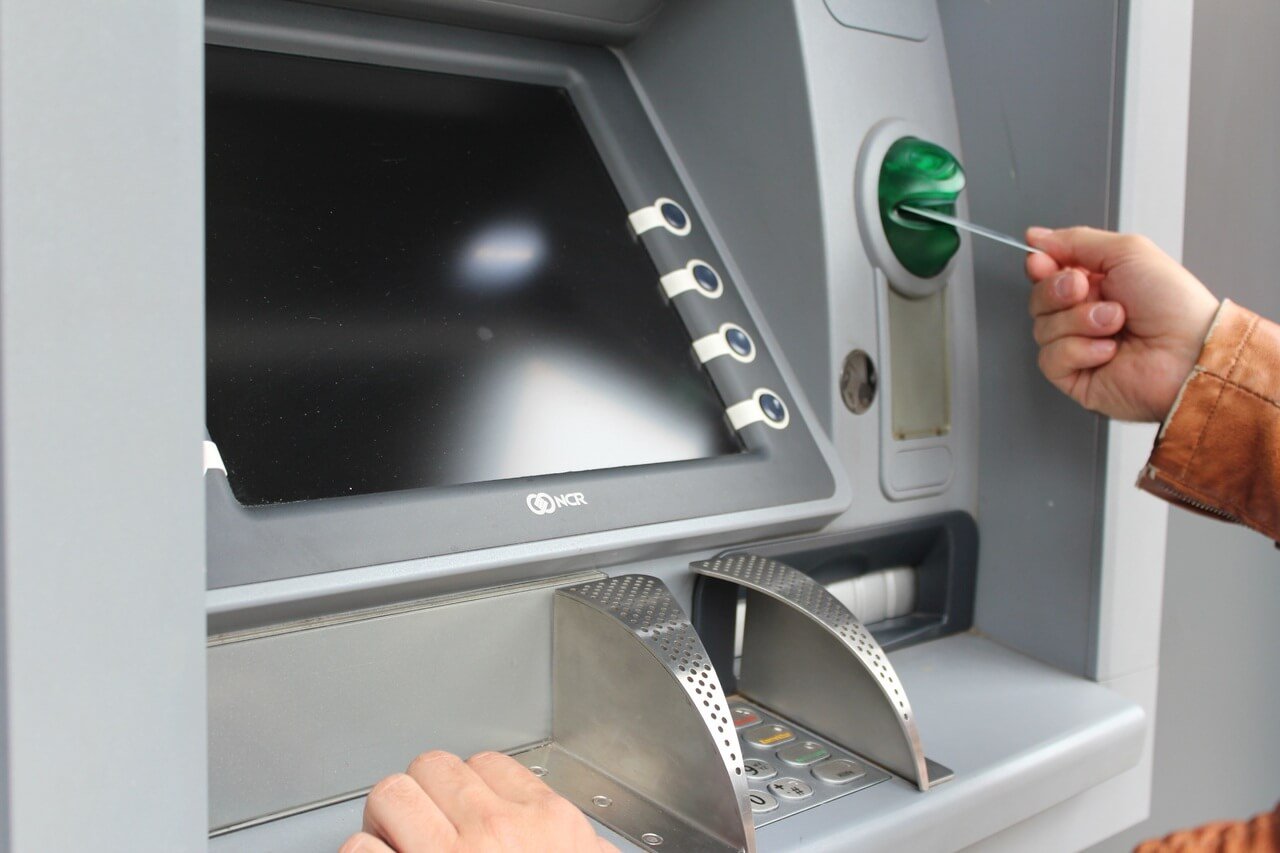
Before inserting your card, take a moment to inspect the ATM for any signs of tampering or “skimming devices.”
- Card Reader: Jiggle the card reader. Look for anything loose, bulky, or poorly fitted that doesn’t seem to be part of the original machine. Skimmers are often designed to fit over the actual card reader.
- Keypad: Press the keys firmly. A fake keypad might feel spongy or unusually thick.
- Camera: Be aware of small cameras attached near the screen, keypad, or even inside the card slot, which could be used to capture your PIN.
- Signage: Look for any unofficial-looking signs or instructions that might divert your attention or trick you into revealing information.
If anything looks suspicious, do not use the ATM. Report your findings to the bank immediately and use a different machine.
Post-Transaction Vigilance and Immediate Departure
Once your transaction is complete, immediately collect your cash, card, and receipt. Count your cash discreetly and place it securely in your wallet or purse before leaving the ATM area. Avoid lingering at the machine. It is best practice to review your transaction history regularly through online banking or your mobile app to spot any unauthorized activity promptly. If you notice discrepancies, contact your bank without delay.
Reporting Issues Promptly
Should you encounter any problems – such as a card being swallowed, a transaction error, or suspecting tampering – report it to your bank immediately. Many banks have a 24/7 customer service line dedicated to fraud and ATM issues. The quicker you report a problem, the better the chances of resolving it and mitigating any potential financial losses. Keep your bank’s customer service number handy, especially when traveling.
The Future of Cash Access and Financial Adaptations
The landscape of personal finance is in constant flux, driven by technological innovation and evolving consumer behaviors. While cash and ATMs retain their importance, their role is undeniably transforming, necessitating adaptation from both financial institutions and individual consumers.
Declining Cash Usage and the Rise of Digital Wallets
The long-term trend points towards a continued decline in the overall volume of cash transactions, particularly in developed economies. The convenience of digital wallets (Apple Pay, Google Pay, Samsung Pay), peer-to-peer payment apps (Venmo, Zelle), and ubiquitous card acceptance is gradually eroding the necessity for physical currency in many daily scenarios. Consumers are increasingly valuing speed, traceability, and integrated loyalty programs offered by digital solutions. This shift means that while cash won’t disappear entirely, its use may become more concentrated in specific niches or for particular user segments.
Cardless ATMs and Biometric Authentication
To bridge the gap between digital convenience and the need for physical cash, some banks are rolling out “cardless ATMs.” These machines allow users to withdraw cash using their smartphone, typically by scanning a QR code, entering a code generated by their mobile banking app, or even via near-field communication (NFC). This enhances security by reducing the risk of card skimming and offers convenience by eliminating the need to carry a physical card. Looking further ahead, biometric authentication (fingerprint, facial recognition) could become more common at ATMs, offering even greater security and a seamless user experience, albeit raising new questions about data privacy and system vulnerabilities.
The Evolving Role of Physical Banks
As digital banking takes precedence, the traditional brick-and-mortar bank branch is also undergoing a transformation. Branches are evolving from transaction hubs to advice centers, focusing on more complex financial planning, loans, and wealth management, rather than simple withdrawals or deposits. This shift may lead to fewer standalone ATMs, with cash access increasingly integrated into retail environments or offered through more technologically advanced, self-service kiosks that can handle a broader range of banking functions.
Hybrid Solutions: Cash Access at Point-of-Sale
The “cash back” option at retail checkouts is a prime example of a hybrid solution that blends digital payment with physical cash access. This service, often offered free of charge, effectively decentralizes cash distribution, turning almost any retail store into a de facto ATM. As the density of traditional ATMs potentially decreases, these point-of-sale cash-back options are likely to become even more crucial for convenient and cost-free cash retrieval, further embedding financial services within the fabric of everyday commerce.
In conclusion, while the world inexorably moves towards digital finance, the immediate question of “where is the nearest ATM machine?” remains highly relevant for sound personal financial management. Whether for budgeting, emergency preparedness, or specific transactional needs, cash holds a distinct place. By leveraging modern technology to locate ATMs efficiently, strategically avoiding fees, and rigorously adhering to security best practices, individuals can ensure that accessing physical currency remains a convenient, cost-effective, and safe component of their financial lives. The future may bring new methods of cash access, but the principles of financial prudence and security will always remain paramount.
aViewFromTheCave is a participant in the Amazon Services LLC Associates Program, an affiliate advertising program designed to provide a means for sites to earn advertising fees by advertising and linking to Amazon.com. Amazon, the Amazon logo, AmazonSupply, and the AmazonSupply logo are trademarks of Amazon.com, Inc. or its affiliates. As an Amazon Associate we earn affiliate commissions from qualifying purchases.