
In an increasingly cashless world, the seemingly simple query, “Where’s the closest ATM?” carries a surprising depth of financial implications. It’s a question born from an immediate need for physical currency, a testament to the enduring role of cash in our personal finances, even amidst the rise of digital payments. For many, finding an ATM isn’t merely about convenience; it’s about financial preparedness, managing transaction costs, and ensuring liquidity in a world that often swings between digital convenience and the necessity of tangible money. This article delves into the financial ecosystem surrounding ATMs, exploring their continued relevance, the costs associated with their use, smart strategies for access, and their evolving place in our financial landscape.
The Enduring Relevance of Cash Access
Despite the rapid adoption of digital payment methods, from contactless cards to mobile wallets, cash continues to play a vital, often understated, role in personal finance. The need to locate an ATM signifies situations where digital alternatives fall short, highlighting the unique advantages and necessities that physical currency provides.
Beyond Digital: Why Physical Currency Still Matters
For various reasons, individuals and businesses still rely on cash. Many small businesses, street vendors, and markets operate on a cash-only basis, either to avoid processing fees or due to a lack of infrastructure for digital payments. In such scenarios, cash is the only viable tender. Furthermore, some individuals find cash an invaluable tool for budgeting. The physical act of handing over money can create a more tangible sense of spending, making it easier to stick to a budget than the often abstract nature of digital transactions. This “envelope system” for managing discretionary spending is a classic personal finance strategy that relies heavily on cash.
Moreover, cash transactions often offer a greater degree of privacy compared to digital payments, which leave a detailed trail of spending data. For those concerned about data security or simply preferring anonymity in certain transactions, cash remains the preferred option. It offers a layer of transactional independence that digital methods cannot replicate, making it an essential component of a diversified financial approach.
Emergency Preparedness and Financial Resilience
One of the most critical, yet often overlooked, reasons for the enduring importance of ATMs and cash is financial resilience in emergencies. During power outages, natural disasters, or widespread technical failures that disable electronic payment systems, ATMs might be non-functional, and digital payments become impossible. In such scenarios, physical cash can become the only means to purchase necessities like food, water, or fuel.
Having a small emergency cash reserve at home, independent of your bank accounts, is a widely recommended personal finance strategy. However, when that reserve runs low or a larger unforeseen expense arises, the ability to quickly access funds from an ATM becomes paramount. Understanding how to locate and utilize ATMs efficiently, even during less severe disruptions, is a key aspect of practical financial preparedness, ensuring you’re never left stranded without access to your money.
Navigating the ATM Landscape: Costs and Convenience
The convenience of an ATM is undeniable, offering 24/7 access to cash. However, this convenience often comes with a financial cost, which savvy consumers must understand to avoid unnecessary expenses. The location of the nearest ATM might not always be the most cost-effective option.
Understanding Surcharges and Network Fees
One of the most significant financial considerations when using an ATM is the potential for fees. These typically come in two forms:
- Surcharge Fee: This is charged by the owner of the ATM (not necessarily your bank) for the convenience of using their machine. These fees can range from $2.00 to $5.00 or more per transaction and are usually displayed prominently on the ATM screen before you complete the transaction.
- Out-of-Network Fee: Your own bank may charge you a fee for using an ATM outside of its network. This is essentially a penalty for not using one of their machines or a machine within a partner network.
These fees can quickly add up, especially if you make frequent, small withdrawals. For instance, withdrawing $20 from an out-of-network ATM might incur $6 in fees ($3 surcharge + $3 bank fee), representing a staggering 30% transaction cost. For international travel, foreign transaction fees on ATM withdrawals can also apply, further increasing the cost of accessing your money abroad.
A key strategy to mitigate these costs is planning. By withdrawing larger sums less frequently from in-network ATMs, or cash-back options at stores, individuals can significantly reduce the amount spent on ATM fees over time, saving those dollars for actual spending rather than transaction costs.
Bank vs. Independent ATMs: A Cost-Benefit Analysis
ATMs are generally categorized into those operated by banks (or credit unions) and independent ATMs, often found in convenience stores, bars, or gas stations. There are distinct financial implications for each.
Bank-Owned ATMs:
- Pros: If you use an ATM from your own bank or a partner bank within its network, you typically avoid both surcharge and out-of-network fees. They are generally considered more secure, with better lighting and surveillance. Many also offer additional services beyond cash withdrawal, such as deposits, balance inquiries, and sometimes even loan payments.
- Cons: Availability might be limited, especially in rural areas or late at night if you’re far from a branch.

Independent ATMs:
- Pros: Widespread availability and convenience, often found in high-traffic commercial locations where bank branches are scarce.
- Cons: Almost always charge a surcharge fee, and your bank will likely add its own out-of-network fee. They may not offer other banking services like deposits. While many are secure, their locations can sometimes be less protected, raising security concerns. The lack of direct bank affiliation means potential delays or complications if there’s an issue with a transaction.
For optimal financial management, prioritizing bank-owned or network ATMs is usually the most cost-effective strategy. When an independent ATM is the only option, it’s crucial to acknowledge the fees and weigh the cost against the urgency of the need for cash.
Smart Strategies for Finding and Using ATMs
In today’s interconnected world, finding an ATM has become significantly easier, but smart usage goes beyond mere location. It involves leveraging technology responsibly and prioritizing security to protect your financial assets.
Leveraging Digital Tools Responsibly
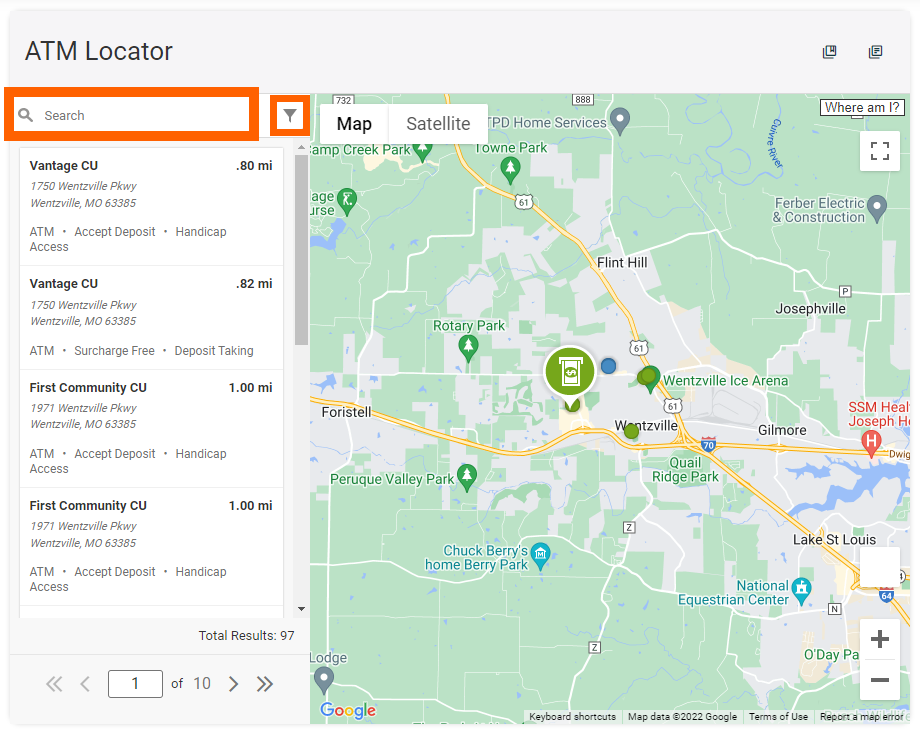
Modern banking apps and third-party financial tools have revolutionized the process of finding ATMs. Most major banks offer robust mobile applications that include an ATM locator feature, often showing both their own ATMs and those of partner networks (like Allpoint or MoneyPass), which allows users to avoid fees. These apps leverage GPS technology to pinpoint the closest branch or ATM and provide directions.
Beyond bank-specific apps, general mapping services like Google Maps or Apple Maps can also identify nearby ATMs, though they may not differentiate between in-network and out-of-network machines, requiring users to manually verify fee structures. When using these digital tools, it’s important to:
- Verify Network Status: Always check if an identified ATM is part of your bank’s fee-free network to avoid surprise charges.
- Check Operating Hours: Some ATMs, particularly those inside stores or bank lobbies, might have limited access hours.
- Prioritize Official Sources: Whenever possible, use your bank’s official app for the most accurate and fee-specific information.
By responsibly utilizing these digital aids, individuals can save time, avoid unnecessary fees, and manage their cash access more efficiently, integrating this utility seamlessly into their broader personal financial planning.
Prioritizing Security in ATM Transactions
The convenience of ATMs also presents potential security risks that require vigilance from users. Protecting your money and personal information during an ATM transaction is a critical aspect of smart financial management.
- Choose Safe Locations: Opt for ATMs in well-lit, high-traffic areas, especially during evening hours. Bank lobbies or ATMs inside reputable establishments are generally safer than isolated machines.
- Be Aware of Your Surroundings: Before approaching an ATM, scan the area for suspicious individuals or activities. If you feel uncomfortable, find another ATM.
- Inspect the Machine: Before inserting your card, check for any signs of tampering, such as card skimmers (devices placed over the card slot to steal information) or hidden cameras. Wiggle the card reader and keypad to ensure nothing is loose or out of place.
- Shield Your PIN: Always cover the keypad with your other hand while entering your Personal Identification Number (PIN) to prevent shoulder surfing or hidden cameras from capturing it.
- Secure Your Card and Cash: Once the transaction is complete, immediately put your card and cash away before leaving the ATM. Count your money quickly and discreetly.
- Review Statements: Regularly check your bank statements for unauthorized transactions. Report any suspicious activity immediately to your bank.
These security practices are not just about protecting against theft; they are fundamental elements of financial self-care, ensuring that the act of accessing your own money remains safe and secure.
The Evolving Role of Cash in a Digital Economy
The landscape of personal finance is in constant flux, with digital payments gaining ground and challenging the traditional role of cash. Yet, ATMs and physical currency continue to adapt, maintaining their relevance through unique advantages and ongoing innovations.
Cash vs. Card: When to Choose Which
The decision between paying with cash or card (or mobile wallet) is a daily financial choice with various implications.
- For Budgeting: Cash can be superior for discretionary spending categories. Withdrawing a specific amount for weekly groceries or entertainment and sticking to it can prevent overspending, aligning with careful budget management.
- For Small Purchases: While contactless payments are convenient, for very small amounts (e.g., a cup of coffee from a food truck), cash can sometimes be quicker and avoids the minimum purchase requirements some merchants impose on card transactions.
- For Tracking Expenses: Digital transactions offer an automated record, making expense tracking easier through banking apps or budgeting software. Cash requires manual tracking if detailed records are desired.
- For Financial Inclusion: For individuals who are unbanked or underbanked, cash remains the primary means of transacting, highlighting its crucial role in financial inclusion.
Understanding when to opt for cash versus digital payments is a nuanced aspect of personal financial strategy, allowing individuals to leverage the benefits of both systems for optimal money management.

The Future of Cash and ATM Innovations
While debates about a “cashless society” persist, the complete disappearance of cash remains unlikely in the foreseeable future. Instead, ATMs are evolving to remain relevant in a digital-first world. Innovations include:
- Cardless Withdrawals: Many ATMs now allow users to withdraw cash using their smartphone via a banking app, enhancing convenience and security by eliminating the need for a physical card.
- Biometric Authentication: Some advanced ATMs are incorporating fingerprint or facial recognition for enhanced security and faster transactions.
- Cryptocurrency Integration: A growing number of ATMs are functioning as “Bitcoin ATMs,” allowing users to buy or sell cryptocurrencies with cash, bridging the gap between traditional finance and emerging digital assets.
- Enhanced Functionality: Modern ATMs often include features like personalized marketing, multiple currency options, and even the ability to make micro-loans or pay bills, transforming them into more comprehensive financial service hubs.
These innovations demonstrate that ATMs are not static relics but dynamic financial tools adapting to contemporary needs. Their future role will likely continue to center on providing essential cash access while integrating new technologies to offer broader financial services, ensuring their place as a cornerstone of personal finance.
The question, “Where’s the closest ATM?” is more than a simple geographical query. It’s an entry point into a broader discussion about financial literacy, security, preparedness, and the evolving dynamics of money in our modern lives. By understanding the costs, leveraging smart tools, and prioritizing security, individuals can navigate the ATM landscape effectively, ensuring ready access to cash when needed and making financially sound choices in an increasingly complex economic environment.
aViewFromTheCave is a participant in the Amazon Services LLC Associates Program, an affiliate advertising program designed to provide a means for sites to earn advertising fees by advertising and linking to Amazon.com. Amazon, the Amazon logo, AmazonSupply, and the AmazonSupply logo are trademarks of Amazon.com, Inc. or its affiliates. As an Amazon Associate we earn affiliate commissions from qualifying purchases.