
Amazon.com, Inc. is a corporate entity that consistently defies singular classification. While its origins are deeply rooted in e-commerce, attempting to pigeonhole Amazon into a single industry or business model fails to capture the intricate tapestry of its operations and its pervasive influence across the global economy. From a brand perspective, Amazon is a masterclass in identity evolution, strategic diversification, and the relentless pursuit of customer obsession, which has allowed it to build an almost unparalleled corporate identity across a multitude of market segments. To truly understand “what type of company Amazon is,” one must delve into its brand strategy, its corporate identity’s expansion, and how it manages a sprawling ecosystem under a unified, albeit multi-faceted, brand umbrella.

The Evolving Corporate Identity: A Journey of Brand Expansion
Amazon’s corporate identity has undergone a radical transformation, moving from a niche online bookseller to a ubiquitous global brand conglomerate. This evolution is not merely a story of business growth but a testament to a deliberate and often audacious brand strategy that prioritized long-term vision over short-term gains, fundamentally altering how consumers interact with commerce, technology, and entertainment.
The Genesis: Branding as an Online Bookseller
In 1994, Jeff Bezos founded Amazon as an online bookstore, strategically leveraging the nascent internet to offer a wider selection than traditional brick-and-mortar stores. The initial brand promise was simple yet powerful: convenience, vast selection, and competitive pricing for books delivered directly to your door. The name “Amazon,” evoking the world’s largest river, symbolically represented the boundless selection Bezos envisioned. This foundational identity, centered around customer access and selection, became the bedrock upon which all subsequent brand expansions would be built. The focus was on disintermediation, using technology to connect consumers directly to products, a core tenet that continues to define Amazon’s approach. Its early branding emphasized trust and reliability in an unfamiliar online world, setting precedents for digital commerce.
Beyond Retail: Diversification and Brand Stretch
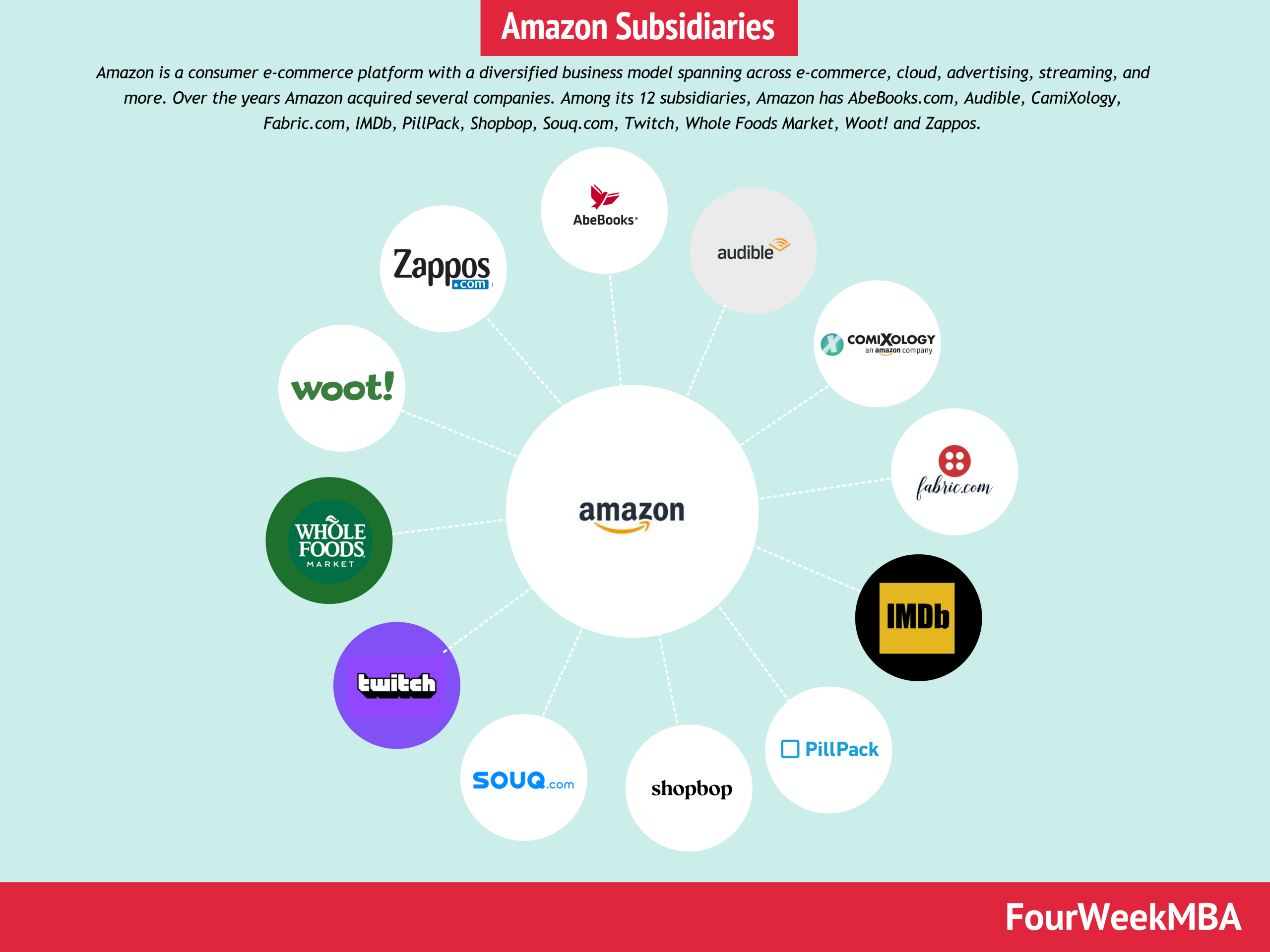
The brilliance of Amazon’s brand strategy lies in its ability to stretch its core identity – customer-centricity, convenience, and vast selection – across vastly different product categories and services without diluting its overall brand equity. This diversification wasn’t haphazard; it was a calculated expansion into adjacent markets, and eventually entirely new ones, each carefully integrated into the overarching Amazon brand narrative. First, it expanded beyond books to music, movies, and electronics, becoming “The Everything Store.” Then came the monumental leaps into cloud computing with Amazon Web Services (AWS), digital entertainment with Prime Video and Amazon Music, smart home devices with Echo and Alexa, and a formidable logistics network. Each new venture required a subtle adaptation of the Amazon brand, emphasizing different aspects while maintaining a consistent underlying ethos. AWS, for instance, developed a B2B brand identity focused on reliability, scalability, and innovation for enterprises, distinct from the consumer-facing e-commerce brand but still rooted in Amazon’s technological prowess and efficiency. This aggressive brand stretch allowed Amazon to create multiple synergistic business units, each reinforcing the parent brand’s image as a leader in innovation and customer service.
Amazon’s Brand Architecture: Unifying Diverse Ventures
Understanding Amazon necessitates an examination of its intricate brand architecture. Unlike many conglomerates that create distinct sub-brands for each venture, Amazon largely operates under a monolithic brand strategy, where “Amazon” is the primary identifier across most of its businesses. However, within this overarching structure, it deftly manages distinct brand identities and messaging for different customer segments.
E-commerce: The Core Consumer Brand
The e-commerce platform remains the most visible facet of the Amazon brand for the average consumer. Here, the brand promise is paramount: unmatched selection, competitive pricing, swift delivery, and a seamless shopping experience. Amazon Prime, a cornerstone of its consumer strategy, amplifies this promise, creating a loyal customer base through expedited shipping, exclusive deals, and bundled entertainment services. The “Amazon smile” logo, pointing from A to Z, subtly reinforces the idea of comprehensive selection and customer satisfaction. This core brand segment continuously innovates with features like one-click ordering, personalized recommendations, and easy returns, all designed to cement its identity as the ultimate consumer convenience brand.
Amazon Web Services (AWS): The Enterprise Powerhouse Brand
AWS represents a fascinating and highly successful deviation within Amazon’s brand architecture. While still carrying the “Amazon” name, AWS has cultivated its own distinct brand identity within the B2B technology space. It is branded as a reliable, scalable, and innovative cloud computing platform, targeting developers, startups, and large enterprises. Its marketing emphasizes technical superiority, security, and a vast ecosystem of services. The AWS brand is less about consumer convenience and more about enterprise efficiency, operational excellence, and technological leadership. This strategic differentiation allowed Amazon to dominate a nascent market, demonstrating its ability to build a robust B2B brand from its internal technological capabilities, proving that its corporate identity is not confined to direct-to-consumer interactions.
Devices and Entertainment: Extending the Home Brand

Amazon’s foray into hardware and content creation, exemplified by Kindle e-readers, Fire tablets, Echo smart speakers, and Prime Video, represents an extension of its brand into the daily lives of consumers. Here, the brand identity shifts slightly to focus on innovation, lifestyle enhancement, and seamless integration. Alexa, the voice AI behind Echo devices, has become a brand in itself, synonymous with convenience and smart home technology. Prime Video and Amazon Music leverage the Prime subscription to brand Amazon as a comprehensive entertainment provider, directly competing with established media companies. These ventures reinforce the idea of Amazon as a holistic lifestyle brand, seeking to integrate itself into every aspect of a customer’s digital existence, from reading and watching to managing smart homes.
Logistics and Advertising: Invisible Pillars of the Brand Ecosystem
Beyond the visible consumer interfaces, Amazon has also developed powerful, albeit less publicized, internal brands that support its external operations. Its vast logistics network, often referred to as Amazon Logistics, is a critical component of its brand promise of fast and reliable delivery. While not directly marketed to consumers as a separate brand, its efficiency directly enhances the Amazon retail brand’s credibility. Similarly, Amazon’s rapidly growing advertising business leverages its unparalleled first-party data to offer highly effective marketing solutions, competing with Google and Meta. These “invisible” brands underpin the perceived value and reliability of the overall Amazon brand, demonstrating that “what type of company is Amazon” also includes being a world-leading logistics operator and an advertising giant.
The Brand Philosophy: Customer Obsession and Relentless Innovation
At the heart of Amazon’s corporate identity and brand success lies a deeply ingrained philosophy: unwavering customer obsession and a relentless drive for innovation. These aren’t just corporate buzzwords but operational principles that have guided Amazon’s every strategic move and shaped its brand perception globally.
Customer-Centricity: The Enduring Brand Promise
Amazon’s brand promise is fundamentally built on understanding and serving the customer above all else. This isn’t just about good service; it’s about anticipating customer needs, simplifying processes, and removing friction points. From personalized recommendations to easy returns, and from free two-day shipping (and now often same-day) to the convenience of Prime, every innovation and service enhancement is framed through the lens of customer benefit. This intense focus has cultivated immense customer loyalty and trust, positioning Amazon as the default choice for millions. This customer obsession has become so ingrained that it’s often cited as the primary reason for Amazon’s consistent disruption of established industries – they simply prioritize the customer experience in ways competitors often struggle to match. This philosophy has allowed Amazon to consistently redefine customer expectations across industries, forcing competitors to adapt or risk obsolescence.
Innovating at Scale: Defining the Future of the Amazon Brand
Innovation is the lifeblood of the Amazon brand. It’s a company that consistently invests in research and development, not just to improve existing services but to create entirely new markets. This forward-looking approach positions Amazon as a leader and a trailblazer. Whether it’s pioneering cloud computing with AWS, popularizing voice assistants with Alexa, or experimenting with drone delivery, Amazon continually reinvents what its brand represents. This culture of innovation means the “type of company Amazon is” is always evolving, always pushing boundaries. It’s a brand that isn’t afraid to fail fast, learn, and iterate, fostering a dynamic and adaptable corporate identity that inspires both admiration and, at times, apprehension from competitors and regulators. This commitment to innovation is a key component of its brand narrative, signaling to both consumers and businesses that Amazon is not just a participant but a shapeshifter of the future.
Managing a Global Brand: Perception, Trust, and Challenge
As a multinational conglomerate with immense power and influence, managing the Amazon brand is a complex undertaking, involving balancing public perception, maintaining trust, and navigating significant challenges, including regulatory scrutiny and social responsibility.
Building and Maintaining Brand Trust
Trust is a critical component of Amazon’s brand equity. Its reputation for reliability, secure transactions, and customer service has been meticulously built over decades. However, maintaining this trust on a global scale, across diverse cultures and regulatory environments, is an ongoing challenge. The Amazon brand must constantly assure customers of data privacy, product authenticity, and fair dealings. Its investment in robust IT infrastructure, customer support, and sophisticated fraud detection mechanisms all contribute to fortifying this trust. For its B2B customers, especially AWS, trust in security, uptime, and compliance is paramount, forming the cornerstone of its enterprise brand identity.
Addressing Brand Perceptions and Societal Impact
While Amazon enjoys high brand recognition and often positive consumer sentiment, its sheer scale and market dominance have also led to increased scrutiny and negative perceptions. Concerns about its impact on small businesses, labor practices in its warehouses, environmental footprint, and monopolistic tendencies frequently surface. From a brand perspective, Amazon faces the formidable task of addressing these criticisms while continuing to expand. This involves engaging in public relations efforts, demonstrating corporate social responsibility (e.g., sustainability initiatives, fair wage commitments), and adapting its messaging to address societal concerns. The “type of company Amazon is” is increasingly defined not just by what it sells or services it provides, but by how it operates within the broader societal and economic fabric, and how its brand responds to the ethical implications of its vast reach. Navigating these complex brand perceptions requires a sophisticated and proactive approach, ensuring that its core brand values of customer obsession and innovation are balanced with a clear commitment to broader societal well-being and ethical governance.
In conclusion, Amazon is not merely an e-commerce company, a cloud provider, a logistics firm, or an entertainment studio; it is a brand chameleon, a corporate entity whose identity is defined by its ceaseless evolution, its profound customer obsession, and its relentless pursuit of innovation across a diverse and ever-expanding ecosystem. From a brand perspective, Amazon is a master architect of corporate identity, capable of unifying disparate ventures under a single, powerful name, continually redefining itself while remaining anchored to a foundational promise of convenience, selection, and value for its customers. It is a company that has become synonymous with the future of commerce and technology, constantly challenging traditional classifications and setting new benchmarks for global brands.
aViewFromTheCave is a participant in the Amazon Services LLC Associates Program, an affiliate advertising program designed to provide a means for sites to earn advertising fees by advertising and linking to Amazon.com. Amazon, the Amazon logo, AmazonSupply, and the AmazonSupply logo are trademarks of Amazon.com, Inc. or its affiliates. As an Amazon Associate we earn affiliate commissions from qualifying purchases.