
Understanding the “worth” of a company like Amazon goes far beyond simply looking at its current share price. While the market capitalization—the total value of all its outstanding shares—provides a snapshot of investor sentiment, a true assessment of Amazon’s intrinsic value requires a deep dive into its multifaceted business, financial performance, growth prospects, and the broader economic landscape. Amazon.com, Inc. (AMZN) has transformed from an online bookseller into a global behemoth dominating e-commerce, cloud computing, digital advertising, and numerous other sectors. For investors, potential or current, discerning the underlying value of such a complex enterprise is a critical exercise, demanding a blend of quantitative analysis and qualitative judgment. This article aims to unpack the layers that contribute to Amazon’s valuation, offering insights into what truly makes this technological titan “worth” its weight in the global economy.
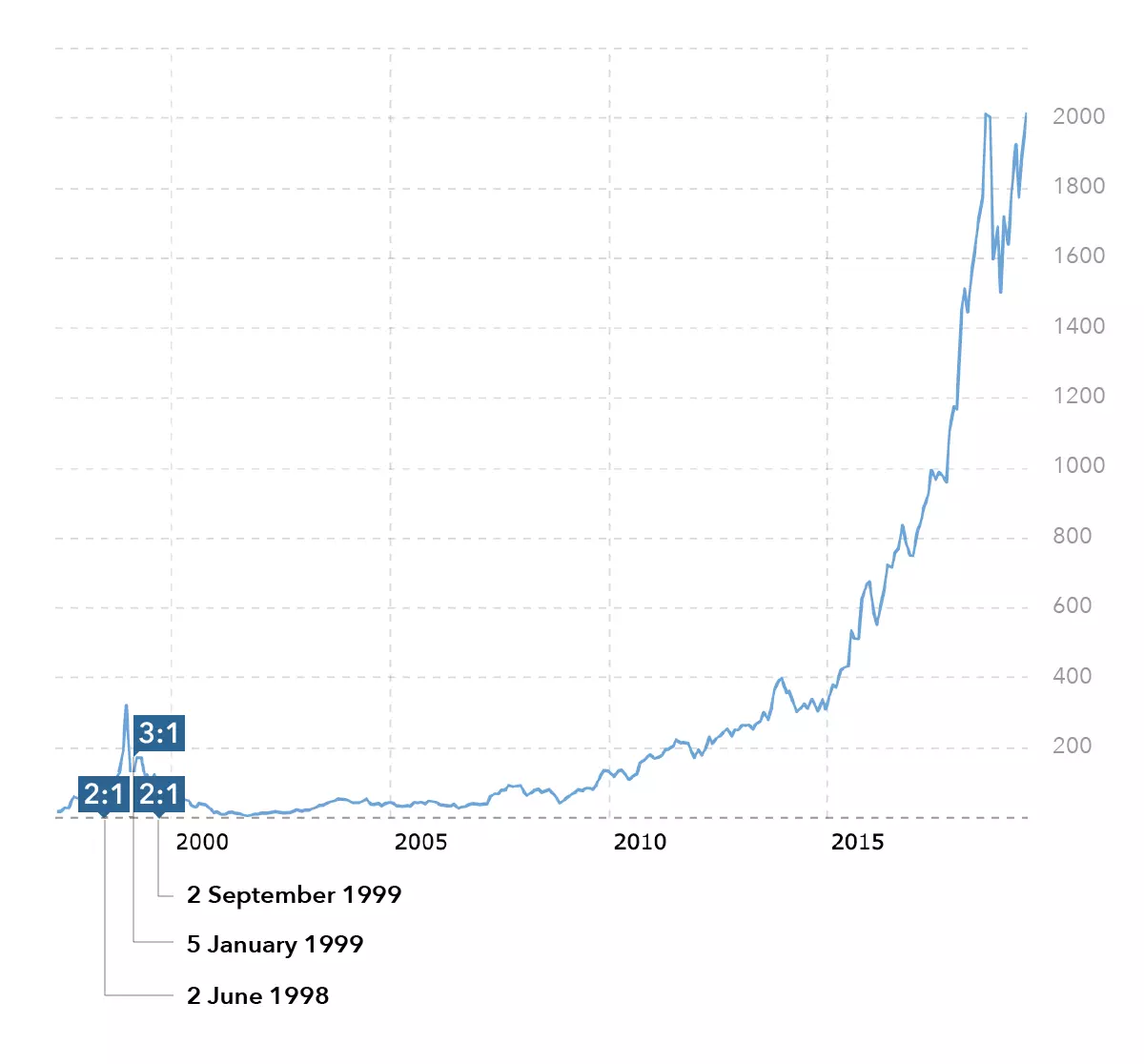
Understanding Amazon’s Market Valuation
Amazon’s market valuation is a dynamic figure, constantly influenced by a multitude of factors ranging from quarterly earnings reports to macroeconomic shifts. At its core, market capitalization reflects the collective judgment of investors about a company’s future earnings potential. However, the market price is not always synonymous with the company’s true intrinsic worth, which requires a more fundamental analysis.
The Current Stock Price vs. Intrinsic Value
The current stock price of Amazon is what an individual share trades for on an exchange at any given moment. Multiplying this price by the total number of outstanding shares yields Amazon’s market capitalization. This figure, often in the trillions, represents the market’s consensus valuation of the entire company. However, this market price is influenced by supply and demand, investor sentiment, news, and speculative trading, which can lead to over or undervaluation relative to its underlying assets and earnings power.
Intrinsic value, on the other hand, is an estimation of a company’s true value, independent of its market price. It’s typically calculated using fundamental analysis techniques, such as discounted cash flow (DCF) models, which project future free cash flows and discount them back to the present. The aim is to determine what the company should be worth based on its operational performance, assets, and future prospects, rather than what the market says it’s worth today. For a high-growth company like Amazon, estimating intrinsic value can be particularly challenging due to the uncertainty surrounding future growth rates and the long-term nature of its investments.
Amazon’s Business Segments Driving Value
Amazon’s colossal valuation is underpinned by several distinct, yet interconnected, business segments, each contributing significantly to its revenue and profitability. Understanding these pillars is crucial for any valuation exercise:
- E-commerce (Online Stores & Third-Party Seller Services): This is Amazon’s historical core, encompassing direct product sales and the vast marketplace for third-party sellers. While often operating on thin margins, it generates immense revenue and acts as a funnel for other services. Its global reach, extensive logistics network, and customer loyalty (driven by Prime subscriptions) are formidable competitive advantages.
- Amazon Web Services (AWS): The undisputed profitability engine of Amazon, AWS is the leading cloud computing platform globally. It provides on-demand cloud services to businesses, governments, and educational institutions. AWS boasts significantly higher operating margins than the retail segment and is a major contributor to Amazon’s overall profitability and free cash flow, consistently growing at a rapid pace. Its recurring revenue model and critical infrastructure role make it a highly valuable asset.
- Advertising Services: Leveraging its vast user data from e-commerce, Amazon has built a rapidly growing and highly profitable advertising business. This segment competes with Google and Meta for digital ad spend, offering sponsored product listings, display ads, and video ads across its platforms. Its integration within the shopping experience makes it uniquely effective for brands seeking to reach purchase-intent customers.
- Subscriptions Services (Amazon Prime): Beyond free shipping, Prime offers a bundle of services including video streaming, music, gaming, and exclusive deals. The sticky nature of Prime membership drives customer loyalty, increases purchasing frequency, and provides a stable, recurring revenue stream, further embedding Amazon into the daily lives of millions.
- Other Ventures: Amazon consistently innovates and expands into new areas, from physical stores (Whole Foods Market, Amazon Fresh) and healthcare (Amazon Pharmacy, Amazon Clinic) to devices (Kindle, Echo) and satellite internet (Project Kuiper). While some are nascent, they represent future growth options and demonstrate Amazon’s long-term vision and willingness to invest in high-potential markets.
The diversity and strength of these segments, particularly the high-margin and fast-growing AWS and advertising divisions, are what fundamentally drive Amazon’s worth beyond its traditional retail operations.
Key Financial Metrics to Evaluate AMZN
Evaluating a company of Amazon’s scale and complexity requires a rigorous analysis of its financial statements. Investors typically scrutinize several key metrics to gauge its health, growth potential, and operational efficiency.
Revenue and Growth Trends
Amazon’s ability to consistently generate massive revenue and maintain impressive growth rates has been a hallmark of its success. Investors look at:
- Total Net Sales: The top-line revenue figure, broken down by segment (online stores, physical stores, third-party seller services, AWS, subscription services, advertising, etc.). Sustained growth here indicates market expansion and demand for its offerings.
- Growth Rates (Year-over-Year): Percentage increase in revenue from one period to the next. High growth rates are crucial for a company like Amazon, which often trades at a premium valuation based on future expectations.
- Geographical Performance: Understanding sales distribution and growth across North America and international markets provides insight into market penetration and diversification.
While retail growth has matured, AWS and advertising services continue to show robust expansion, which is pivotal for Amazon’s future top-line performance.
Profitability Metrics
Despite its reputation for prioritizing growth over immediate profit in its early years, Amazon has increasingly focused on profitability, especially through AWS. Key profitability metrics include:
- Gross Profit/Margin: Revenue minus the cost of goods sold. A healthy and improving gross margin indicates efficient cost management in its core operations.
- Operating Income/Margin: Gross profit minus operating expenses (like sales, general, and administrative costs, and research and development). This metric reveals the profitability of Amazon’s core business activities before interest and taxes. AWS typically boasts significantly higher operating margins than the retail segment.
- Net Income/Margin: The “bottom line” profit after all expenses, including taxes and interest. This is what’s available to shareholders.
- Free Cash Flow (FCF): Often considered the most important metric for growth companies. FCF represents the cash a company generates after accounting for cash outflows to support operations and maintain its capital assets. Amazon’s ability to generate substantial FCF, particularly from AWS, allows it to fund its massive investments in logistics, technology, and new ventures without relying heavily on external financing. Positive and growing FCF is a strong indicator of financial health and value creation.
Valuation Multiples
Valuation multiples help compare Amazon’s stock price to its financial performance relative to its peers or its own historical averages.
- Price-to-Earnings (P/E) Ratio: Stock price divided by earnings per share. While widely used, Amazon’s P/E ratio can often appear very high, especially when it reinvests heavily or has fluctuating earnings. For high-growth companies, a high P/E might be justified if future earnings growth is expected to be substantial.
- Price-to-Sales (P/S) Ratio: Stock price divided by sales per share. This is often more useful for companies with inconsistent earnings or those in high-growth phases where revenue growth is a primary driver.
- EV/EBITDA (Enterprise Value to Earnings Before Interest, Taxes, Depreciation, and Amortization): Enterprise value (market cap + debt – cash) divided by EBITDA. This metric is often preferred as it’s capital structure-neutral and can provide a clearer picture of a company’s operating performance.
- PEG Ratio (Price/Earnings to Growth): P/E ratio divided by the earnings per share growth rate. A PEG ratio around 1 or less is generally considered favorable, suggesting a reasonable price for the growth being achieved. This is particularly relevant for a growth stock like Amazon.
Analyzing these metrics in conjunction provides a comprehensive view of Amazon’s financial standing and helps in assessing whether its stock is reasonably priced, undervalued, or overvalued given its fundamentals and future prospects.
Factors Influencing Amazon’s Future Worth
The future worth of Amazon’s stock is not solely determined by its current financial performance but is significantly shaped by a confluence of external and internal factors. These elements introduce both opportunities and risks that investors must carefully consider.
Macroeconomic Conditions

The broader economic environment plays a crucial role in Amazon’s performance.
- Inflation and Interest Rates: High inflation can increase Amazon’s operating costs (labor, shipping, raw materials), while rising interest rates can make borrowing more expensive for the company and reduce consumer discretionary spending, impacting retail sales. Higher interest rates also increase the discount rate in valuation models, thereby reducing the present value of future cash flows.
- Consumer Spending: As a major e-commerce player, Amazon’s retail segment is highly sensitive to consumer confidence and disposable income. Economic downturns or recessions can lead to reduced spending on non-essential items, directly impacting Amazon’s top line.
- Global Economic Growth: Amazon’s international operations are influenced by economic conditions in various countries. Strong global growth supports expansion and increased demand for both e-commerce and AWS services.
Competitive Landscape
Amazon operates in highly competitive markets, and its future worth depends on its ability to maintain or enhance its competitive advantages.
- E-commerce: Competition comes from traditional brick-and-mortar retailers (Walmart, Target), other online marketplaces (eBay, Shopify-powered stores), and direct-to-consumer brands. Amazon’s scale, logistics, and Prime ecosystem are key differentiators.
- Cloud Computing (AWS): AWS faces fierce competition from Microsoft Azure, Google Cloud Platform, and smaller specialized providers. Innovation, reliability, security, and pricing strategies are critical for maintaining its market leadership and high margins.
- Advertising: Google and Meta are dominant forces in digital advertising. Amazon’s unique advantage lies in its purchase-intent data from its e-commerce platform.
- Other Ventures: In areas like groceries, healthcare, and streaming, Amazon faces well-established competitors with deep pockets.
Innovation and Expansion
Amazon’s historical success is rooted in its relentless innovation and willingness to enter new markets.
- Technological Advancements: Continued investment in AI, machine learning, robotics, and other cutting-edge technologies is crucial for enhancing efficiency, developing new products/services, and maintaining a competitive edge.
- Research and Development (R&D): Amazon’s substantial R&D expenditure is a leading indicator of its future growth potential. These investments are directed at improving existing services, developing new ones, and exploring entirely new business opportunities.
- New Market Entry: Successfully expanding into new geographic markets or emerging industries (e.g., satellite internet with Project Kuiper, drone delivery) can unlock significant new revenue streams and growth vectors.
Regulatory Environment
Increasing scrutiny from governments worldwide poses a significant risk to Amazon’s operations and potentially its valuation.
- Antitrust and Monopoly Concerns: Regulators in the U.S., EU, and other regions are investigating Amazon’s market dominance, particularly concerning its treatment of third-party sellers, potential self-preferencing, and acquisitions. Fines, forced divestitures, or stricter operational rules could impact profitability and growth.
- Data Privacy: As a company that collects vast amounts of customer data, Amazon is subject to evolving data privacy regulations (e.g., GDPR, CCPA). Compliance costs and potential restrictions on data usage could affect its advertising business and personalized shopping experiences.
- Labor and Environmental Regulations: Changes in labor laws, minimum wage requirements, or environmental regulations could increase operating costs, especially for its extensive logistics network.
Management and Strategy
The vision and execution capabilities of Amazon’s leadership team are paramount.
- Leadership Succession: The transition from Jeff Bezos to Andy Jassy as CEO was a significant event. Investor confidence relies on the new leadership’s ability to maintain Amazon’s innovative culture and strategic direction.
- Capital Allocation: How Amazon allocates its substantial free cash flow—whether for R&D, acquisitions, share buybacks, or debt reduction—directly impacts long-term shareholder value.
- Operational Efficiency: Continuous improvement in operational efficiency across its massive global logistics and AWS data centers is critical for maintaining margins and competitive pricing.
These factors create a complex web of influences that contribute to the ongoing reassessment of Amazon’s stock worth, requiring investors to stay informed and adaptable.
Investment Perspectives: Bull vs. Bear Case for AMZN
Every major stock, including Amazon, has proponents (bulls) and detractors (bears). Understanding both sides of the argument is essential for forming a balanced investment thesis.
The Bull Case for AMZN
Investors with a bullish outlook on Amazon typically highlight several compelling reasons for continued growth and value appreciation:
- Dominant Position in High-Growth Sectors: Amazon’s leadership in cloud computing (AWS) and its rapidly expanding advertising business are significant growth engines with higher margins than its core e-commerce. AWS, in particular, continues to grow substantially, benefiting from the global shift to cloud infrastructure.
- E-commerce Moat and Prime Ecosystem: Despite increased competition, Amazon’s vast logistics network, extensive product selection, and the stickiness of its Prime membership create a powerful competitive moat. Prime members are highly engaged and spend significantly more than non-members.
- Strong Free Cash Flow Generation: Amazon’s ability to generate substantial free cash flow (especially from AWS) provides it with financial flexibility to invest in future growth initiatives, conduct share buybacks, or weather economic downturns. This robust cash generation is a cornerstone of its intrinsic value.
- Relentless Innovation and Optionality: Amazon has a proven track record of innovating and entering new markets. From healthcare to satellite internet, the company constantly explores new avenues for growth, providing multiple “shots on goal” for future revenue streams. Its R&D investment signals a long-term growth orientation.
- Operational Excellence: Amazon’s continuous focus on optimizing its supply chain, logistics, and data center efficiency helps it maintain competitive pricing and improve profitability over time.
The Bear Case for AMZN
Conversely, investors holding a bearish view on Amazon’s stock often point to the following concerns:
- High Valuation Concerns: Despite periodic pullbacks, Amazon’s stock has historically traded at a premium valuation, especially when judged by traditional P/E multiples. Bears argue that future growth expectations may already be priced in, leaving limited upside.
- Increased Regulatory Scrutiny: Antitrust investigations and potential regulatory actions globally pose a significant threat. These could lead to substantial fines, operational restrictions, or even forced divestitures, negatively impacting profitability and market dominance.
- Maturing E-commerce Growth: While still large, the e-commerce segment’s growth rate has naturally decelerated as it matures. Maintaining high growth numbers becomes more challenging on such a massive base, and profitability in this segment remains modest.
- Intensifying Competition: While Amazon holds strong positions, competition is fierce across all its segments. Microsoft and Google are formidable rivals in cloud computing, while traditional retailers are improving their online presence, and new ad tech players are emerging.
- Macroeconomic Headwinds: Economic downturns, sustained high inflation, and rising interest rates can significantly impact consumer spending (affecting retail and Prime) and increase Amazon’s operational costs, potentially squeezing margins.
- Labor and Supply Chain Challenges: Amazon’s reliance on a vast global workforce and complex supply chain makes it vulnerable to labor shortages, wage pressures, unionization efforts, and supply chain disruptions, all of which can increase costs and hinder efficiency.
Ultimately, evaluating Amazon’s worth requires an investor to weigh these competing perspectives against their own investment goals, risk tolerance, and long-term outlook on the company’s ability to navigate challenges and capitalize on opportunities.

Conclusion: Beyond the Ticker Price
Determining “how much Amazon stock is worth” is a multifaceted endeavor that transcends the daily fluctuations of its market price. It’s a continuous process of analyzing its robust, diverse business segments, scrutinizing its financial health through key metrics, anticipating the impact of macroeconomic and competitive forces, and understanding the strategic vision of its leadership. From the high-margin growth of AWS and its burgeoning advertising arm to the enduring power of its e-commerce platform and Prime ecosystem, Amazon demonstrates an impressive capacity for value creation.
However, investors must also acknowledge the inherent risks: the ever-present threat of regulatory intervention, intensifying competition, and the cyclical nature of consumer spending. The “worth” of Amazon, therefore, is not a static number but a dynamic assessment of its ability to innovate, adapt, and execute its strategy in a rapidly evolving global landscape. For savvy investors, this means looking beyond the immediate headlines and engaging in thorough due diligence, blending quantitative analysis with a qualitative understanding of Amazon’s powerful brand, operational scale, and future potential. Ultimately, Amazon’s true worth will be dictated by its enduring capacity to generate free cash flow and deliver sustainable, profitable growth for its shareholders over the long term.
aViewFromTheCave is a participant in the Amazon Services LLC Associates Program, an affiliate advertising program designed to provide a means for sites to earn advertising fees by advertising and linking to Amazon.com. Amazon, the Amazon logo, AmazonSupply, and the AmazonSupply logo are trademarks of Amazon.com, Inc. or its affiliates. As an Amazon Associate we earn affiliate commissions from qualifying purchases.