
Navigating the world of premium credit cards often means encountering annual fees, and American Express, a prominent player in the financial services industry, is no stranger to this practice. For many prospective and current cardholders, understanding the timing and implications of these fees is crucial for effective personal financial management. An annual fee is a recurring charge levied by credit card issuers for the privilege of using their card, typically to offset the cost of premium benefits, rewards programs, and exclusive services. American Express cards, renowned for their robust rewards, travel perks, and customer service, frequently come with such fees, ranging from modest amounts to several hundred dollars for their top-tier offerings. Knowing precisely when these charges appear on your statement can help you budget accordingly, evaluate the card’s value, and make informed decisions about your financial products. This comprehensive guide will delve into the specifics of American Express annual fees, covering when they are charged, why they exist, and how to strategically manage them.

Understanding American Express Annual Fees
Before diving into the “when,” it’s essential to grasp the “what” and “why” behind annual fees, especially concerning American Express cards. These fees are a cornerstone of many premium financial products, enabling issuers to provide a richer suite of benefits than no-fee alternatives.
What is an Annual Fee?
An annual fee is a yearly charge assessed by a credit card issuer simply for keeping an account open. Unlike interest charges, which depend on your spending and payment habits, the annual fee is a fixed cost that applies regardless of how much you use the card, or if you use it at all, assuming you don’t cancel it. For American Express cards, these fees are typically non-negotiable once applied, though specific circumstances might allow for waivers or retention offers. It’s a fundamental aspect of the card’s terms and conditions, disclosed transparently at the time of application.
Why Do Amex Cards Have Annual Fees?
American Express cards with annual fees are often positioned as premium products, and the fee itself helps fund the extensive benefits they offer. These can include generous rewards programs (e.g., Membership Rewards points), travel perks (lounge access, statement credits for airlines or hotels, travel insurance), purchase protections, exclusive event access, and dedicated customer service. Without these fees, it would be challenging for Amex to sustain such a high level of benefits and services. Essentially, the fee is a cost of entry to a more luxurious and benefit-rich credit card experience. It allows Amex to differentiate its products from basic, no-annual-fee options by providing tangible value that, for many cardholders, can far outweigh the fee itself.
Range of Amex Annual Fees
American Express offers a diverse portfolio of cards, and their annual fees vary significantly depending on the card’s tier and associated benefits. For instance, cards like the American Express® Green Card might have a moderate annual fee, while the American Express® Gold Card carries a higher fee due to enhanced dining and grocery rewards. At the pinnacle, cards such as The Platinum Card® from American Express or the Centurion® Card (by invitation only) command substantial annual fees, reflecting their extensive suite of luxury travel benefits, elite status opportunities, and concierge services. It’s crucial for applicants to compare these fees against the potential value derived from the card’s benefits, as a higher fee doesn’t automatically mean better value for every individual.
The Timing of Annual Fee Charges
Understanding the exact timing of when American Express charges its annual fees is key to financial planning and avoiding unwelcome surprises on your statement. While the general principle is “annually,” the precise date can vary based on several factors.
First-Year Fee Application
For most new American Express credit cards with an annual fee, the fee is typically charged to your account on the very first statement following your account opening. This means that within a few weeks of being approved and receiving your card, you will see the annual fee appear as a debit on your statement. It’s not usually deferred or waived for the first year unless explicitly stated as part of a specific promotional offer. This immediate charge means you pay for the first year’s benefits upfront, even before you’ve had a chance to fully utilize them. It’s important to factor this initial charge into your immediate budget after card approval.
Subsequent Annual Fee Dates
After the first year, subsequent annual fees are generally charged on or around the anniversary of your account opening. So, if your card was opened on March 15th, 2023, you can expect the annual fee for the second year to appear on your statement around March 15th, 2024, and similarly for subsequent years. This anniversary date-based billing is standard across the industry. It’s important to note that while the charge date is tied to your account anniversary, it will appear on the statement period that contains that anniversary date. This means if your statement cycle closes on the 10th of each month, and your anniversary is the 15th, the charge will show up on the statement issued after the 15th, covering that period. Always refer to your cardmember agreement or online account details for your specific account opening date.
Impact of Card Upgrades/Downgrades
When you upgrade or downgrade an American Express card, the timing and pro-rating of annual fees can become a bit more nuanced.
- Upgrading: If you upgrade from a no-annual-fee card to one with an annual fee, or from a lower-fee card to a higher-fee card, American Express will typically charge you a pro-rated portion of the new, higher annual fee for the remainder of your current annual billing cycle. Then, on your original account anniversary date, you will be charged the full annual fee for the upgraded card. For example, if you upgrade halfway through your year, you might pay half of the new card’s fee immediately, and then the full fee on your original anniversary.
- Downgrading: Conversely, if you downgrade from a card with an annual fee to a lower-fee or no-fee card, Amex often issues a pro-rated refund for the annual fee you’ve already paid for the current year. The new, lower or no annual fee would then apply from the date of the downgrade, and the subsequent full annual fee (if any) would be charged on your original account anniversary.
It’s always recommended to confirm the exact financial implications with American Express customer service before initiating an upgrade or downgrade to fully understand how the annual fee will be handled.
Strategies for Managing American Express Annual Fees
While annual fees are a standard part of many premium Amex cards, there are proactive strategies cardholders can employ to manage these costs and ensure they are always getting sufficient value in return.
Maximizing Card Benefits to Offset Fees
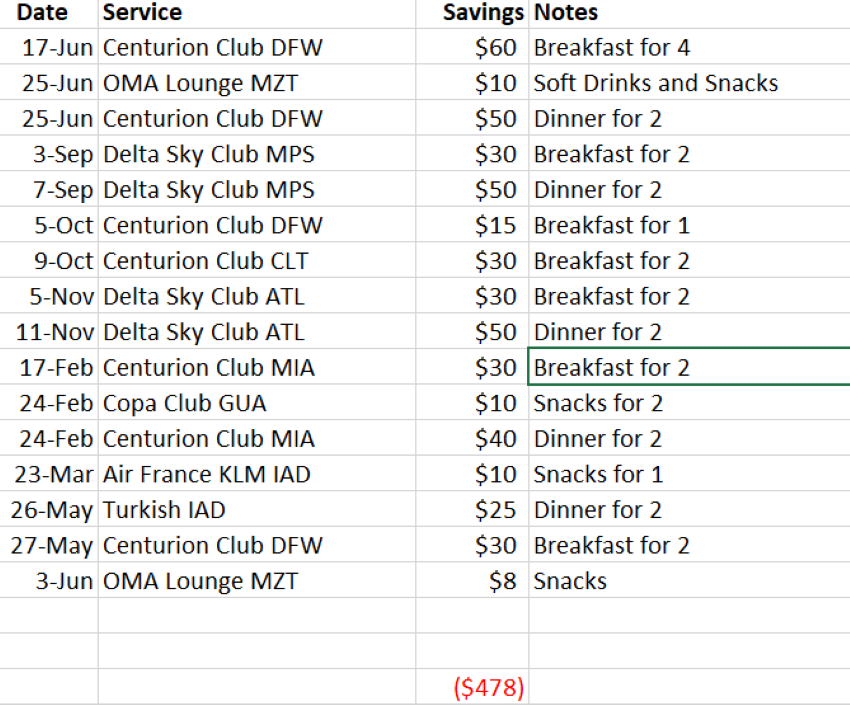
The most straightforward way to justify an annual fee is to ensure you are fully utilizing the card’s benefits. American Express cards are packed with perks that, when used strategically, can easily outweigh the annual charge. This includes:
- Statement Credits: Many premium Amex cards offer various statement credits (e.g., for airline fees, Uber, dining, specific retailers like Saks Fifth Avenue, or digital entertainment). Track these carefully and ensure you spend in eligible categories to trigger the credits, effectively reducing your out-of-pocket costs.
- Travel Perks: Lounge access (Centurion Lounges, Priority Pass Select), hotel elite status, and travel insurance can provide significant value, especially for frequent travelers. Calculate the cost savings if you were to pay for these services separately.
- Rewards Points: High earning rates in your primary spending categories, coupled with strategic redemption for travel or other high-value options, can translate into substantial savings or value generation that far exceeds the annual fee.
- Purchase Protections and Extended Warranties: These benefits can save you money in unforeseen circumstances, offering peace of mind and financial security.
By actively engaging with the card’s features, you can turn the annual fee into an investment rather than just an expense.

Considering Fee Waivers and Retention Offers
American Express, like other issuers, sometimes offers ways to mitigate annual fees, particularly for loyal customers.
- Retention Offers: If you’re considering canceling your card due to the annual fee, it’s often worth calling Amex customer service (specifically the retention department) before your annual fee hits or shortly after. They may offer retention bonuses, such as a statement credit, bonus Membership Rewards points, or even a temporary fee waiver, to encourage you to keep the account open. These offers are not guaranteed and often depend on your spending history, creditworthiness, and current promotions, but it’s always worth asking.
- Military Servicemembers: American Express generally waives annual fees for eligible active duty military servicemembers on most of their personal cards, under the Servicemembers Civil Relief Act (SCRA). This is a significant benefit for those serving.
It’s crucial to be polite, explain your situation (e.g., “I’m reviewing my cards and considering whether to keep this one given the annual fee”), and clearly state that you’d like to explore options to offset the fee.
Downgrading or Cancelling a Card
If, after careful consideration, you find that the benefits no longer justify the annual fee, or you are unable to secure a retention offer, you have two primary options:
- Downgrading: This involves switching to a different American Express card with a lower or no annual fee. This is often preferable to outright cancellation as it preserves your credit history with Amex, which can be beneficial for your credit score. Ensure you understand the implications for your rewards points (e.g., certain cards are required to keep Membership Rewards points active).
- Cancelling: If no other Amex card suits your needs, or you have other cards to maintain your credit history, cancelling is an option. If you cancel within 30 days of the annual fee being charged, American Express will typically provide a full refund of the annual fee. After this 30-day grace period, a refund is unlikely, though a pro-rated refund might be offered in specific circumstances (e.g., downgrading mid-year). Be mindful of the potential impact on your credit score, especially if it’s one of your oldest accounts, as closing it can shorten your average age of accounts and reduce your overall credit limit.
Deciding if an Amex Card with an Annual Fee is Right for You
The decision to carry an American Express card with an annual fee is a personal financial one that should be based on a careful cost-benefit analysis.
Calculating Your Break-Even Point
A practical approach is to calculate your “break-even” point. This involves assessing how much value you realistically expect to derive from the card’s benefits, rewards, and credits, and comparing that to the annual fee. For example, if a card has a $250 annual fee but offers $100 in dining credits and $100 in airline credits that you would use anyway, the net cost is effectively $50. Now, you need to determine if the remaining benefits (rewards, lounge access, insurance, etc.) are worth that $50. If you can confidently say you’ll get more than $250 worth of value (or $50 in the example above), then the card is a good fit.
Personal Spending Habits and Lifestyle Alignment
The ideal Amex card aligns perfectly with your personal spending habits and lifestyle.
- Travelers: Frequent travelers will likely find immense value in cards offering lounge access, travel credits, and elevated earning rates on travel purchases.
- Foodies/Diners: Cards with bonus points on dining and groceries, coupled with dining-specific credits, can be incredibly rewarding.
- Everyday Spenders: If your primary expenses are groceries, gas, and general purchases, ensure the card offers strong rewards in these categories, or that the other benefits outweigh a potentially lower earning rate.
Don’t apply for a card solely for its sign-up bonus or prestige; ensure its long-term utility matches how you actually live and spend.
Long-Term Value vs. Short-Term Costs
Consider the long-term value proposition. While an annual fee might seem like a short-term cost, the cumulative benefits over several years can be substantial. For instance, building a large pool of transferable Amex Membership Rewards points can open doors to incredible travel redemptions. Furthermore, the intangible benefits like enhanced customer service, purchase protection, and the peace of mind offered by travel insurance can add significant value that is harder to quantify but nonetheless impactful. Evaluate if the benefits grow with your loyalty and if your lifestyle continues to align with the card’s offerings over time.
Common Misconceptions and Important Considerations
Pro-Rated Refunds
While it’s generally true that cancelling within 30 days of an annual fee charge results in a full refund, the concept of pro-rated refunds for annual fees after this initial grace period can be murky. American Express’s policy typically does not offer pro-rated refunds if you cancel a card after the 30-day window following the annual fee posting, unless it’s specifically for a downgrade scenario where a pro-rated portion might be applied. Always confirm with customer service.
Impact on Credit Score
Cancelling a credit card, especially one with a long history, can impact your credit score. It reduces your overall available credit, which can increase your credit utilization ratio, and it removes an account from your credit history, potentially shortening the average age of your accounts. These factors can negatively affect your score. If you must cancel, try to do so after careful consideration of your overall credit profile. Downgrading is often a better option to preserve your credit history with the issuer.
Monitoring Your Statement
The most effective way to stay on top of your American Express annual fees is to regularly monitor your monthly statements and online account activity. Amex clearly labels the annual fee charge, making it easy to spot. Setting up alerts for new charges or for your account anniversary date can also serve as a helpful reminder. Being proactive allows you to plan, explore retention offers, or make timely decisions about downgrading or cancelling before you’re fully committed to another year’s fee.
In conclusion, American Express annual fees are typically charged on the first statement after account opening and then annually around the account anniversary. While these fees are a core component of many premium Amex cards, the key to navigating them successfully lies in understanding their timing, maximizing the value of your card’s benefits, and being proactive in exploring retention offers or alternative card options. By adopting a strategic approach, you can ensure that your American Express card remains a valuable asset in your financial toolkit.
aViewFromTheCave is a participant in the Amazon Services LLC Associates Program, an affiliate advertising program designed to provide a means for sites to earn advertising fees by advertising and linking to Amazon.com. Amazon, the Amazon logo, AmazonSupply, and the AmazonSupply logo are trademarks of Amazon.com, Inc. or its affiliates. As an Amazon Associate we earn affiliate commissions from qualifying purchases.