
In the rapidly evolving landscape of modern finance, the traditional boundaries of banking and investment are being redrawn. As digital assets move from the periphery of the financial world to its core, tools that facilitate access to this ecosystem have become essential. At the forefront of this shift is Coinbase. A Coinbase account is much more than a simple login for a website; it is a sophisticated financial vehicle designed to provide individuals and institutions with a secure, regulated, and user-friendly entry point into the world of cryptocurrencies and blockchain-based assets.
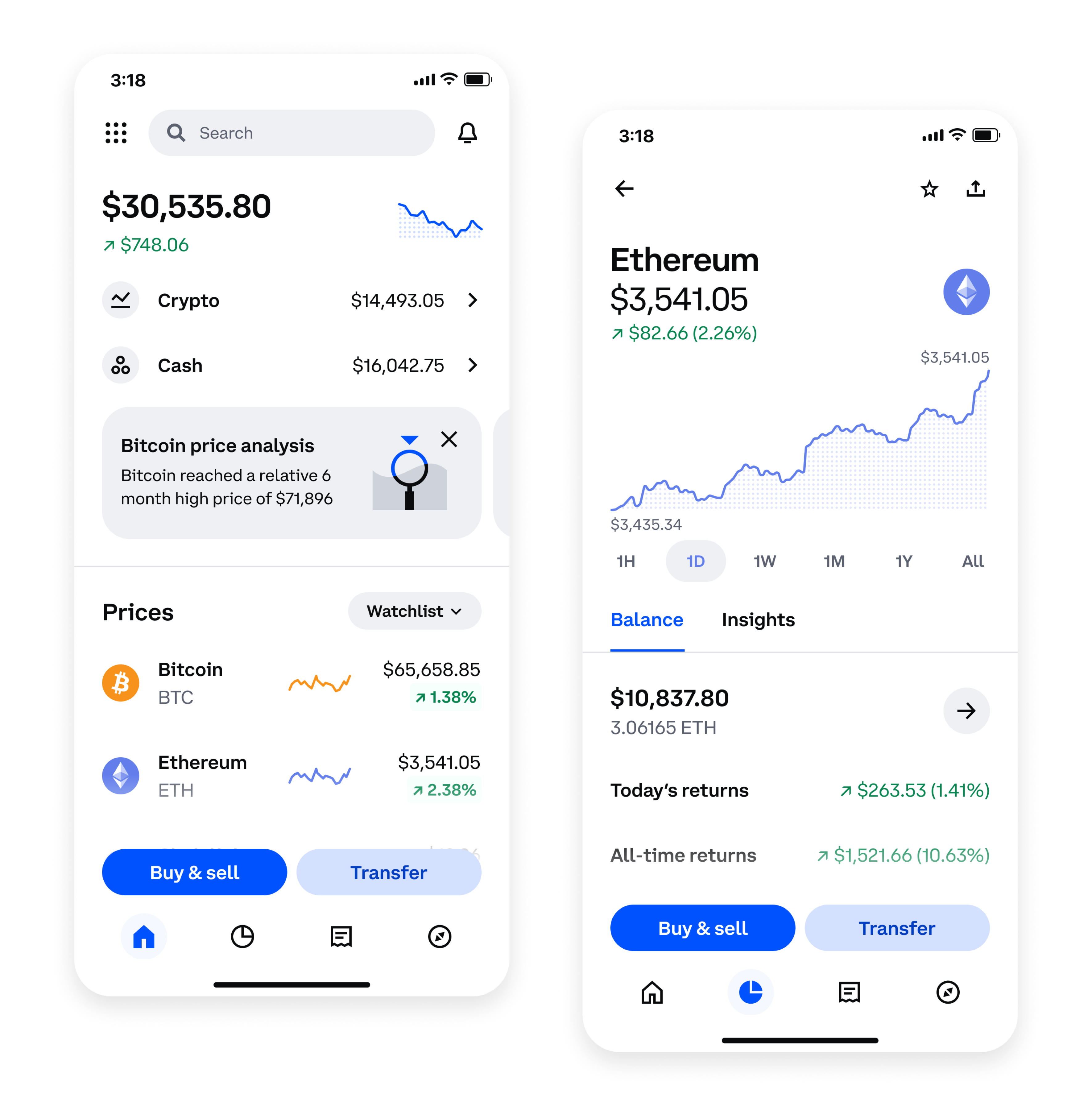
For the modern investor, understanding what a Coinbase account represents is the first step toward diversifying a portfolio beyond stocks, bonds, and real estate. It serves as a bridge between the legacy financial system—built on fiat currencies like the US Dollar—and the decentralized future of finance.
Understanding Coinbase as a Modern Financial Hub
To understand what a Coinbase account is, one must first view it through the lens of a traditional brokerage. Much like an account with Charles Schwab or Fidelity allows an investor to buy shares of a company, a Coinbase account allows an individual to purchase, sell, and store digital currencies. However, the functionality of this account extends far beyond simple trading.
The Shift from Traditional Banking to Digital Wallets
Traditional bank accounts are designed to store government-issued currency and facilitate payments through centralized networks. While effective, these systems often suffer from slow cross-border settlement times and high intermediary fees. A Coinbase account introduces a new paradigm. When you open an account, you are essentially creating a centralized hub that interacts with various decentralized networks.
While the “money” in your traditional bank is a liability of the bank, the assets in your Coinbase account represent a new form of digital property. Coinbase provides the infrastructure—the digital wallet—that manages the private keys necessary to authorize transactions on the blockchain. This removes the technical barrier to entry for the average person, as Coinbase handles the complex cryptography in the background, offering a streamlined interface that feels as familiar as a standard banking app.
The Role of an Exchange vs. a Personal Wallet
It is important to distinguish between the two primary functions of a Coinbase account: the exchange and the custodial wallet. The exchange is the marketplace where buyers and sellers meet to determine the price of assets like Bitcoin or Ethereum. Your account acts as your seat at this table.
Simultaneously, the account acts as a custodial wallet. In the cryptocurrency world, “custodial” means that Coinbase holds the assets on your behalf, similar to how a bank holds your cash. This is a critical feature for many investors because it places the burden of security and technical maintenance on a regulated, publicly traded company (Nasdaq: COIN) rather than on the individual. For those looking to integrate crypto into their personal finance strategy without the stress of managing physical hardware wallets, the Coinbase account offers a balanced solution.
Key Financial Features of a Coinbase Account
For many, the primary draw of a Coinbase account is the ability to grow wealth through diverse financial instruments. The platform has expanded its offerings from simple “buy and sell” mechanics to a full suite of financial products that mimic and, in some cases, improve upon traditional banking services.
Trading and Asset Diversity
A Coinbase account grants access to hundreds of different digital assets. This diversity is crucial for modern portfolio theory, which emphasizes the importance of non-correlated assets. Within your account, you can trade “Blue Chip” cryptocurrencies like Bitcoin (BTC), which many view as a digital version of gold, as well as utility tokens, stablecoins, and governance tokens.
The ability to swap one asset for another instantly within the account allows for rapid rebalancing of a portfolio. If an investor believes that a certain sector of the digital economy—such as Decentralized Finance (DeFi) or Layer 2 scaling solutions—is poised for growth, they can pivot their holdings with a few clicks.
Staking and Passive Income Opportunities
One of the most powerful financial tools available within a Coinbase account is “Staking.” In the traditional world, you might earn a small percentage of interest by keeping your money in a high-yield savings account. In the crypto world, many networks use a “Proof of Stake” mechanism to secure their operations.
By holding certain assets (like Ethereum, Solana, or Cardano) in your Coinbase account, you can “stake” them. In return for helping to secure the network, you receive rewards in the form of additional tokens. Coinbase manages the technical side of this process and passes the yield—often ranging from 2% to 10% annually—to the account holder. This transforms a static investment into a productive asset, creating a stream of passive income that can be compounded over time.
The Coinbase Card: Bridging Crypto and Real-World Spending
A Coinbase account also offers a tangible link to the physical economy through the Coinbase Card. This is a Visa debit card that allows users to spend their crypto balances or USD held in their account at any merchant that accepts Visa.
From a financial management perspective, this is a game-changer. It provides liquidity to otherwise illiquid digital assets. An investor can choose to pay for groceries using their Bitcoin gains or spend a stablecoin like USDC (which is pegged 1:1 to the US Dollar). Furthermore, the card often provides “crypto back” rewards, allowing users to earn a percentage of their spending back in the form of digital assets, effectively turning every purchase into a micro-investment.
Strategic Investing Through Coinbase
Opening a Coinbase account is only the beginning; the real value lies in how one uses the platform’s tools to execute a long-term financial strategy. The platform is built to accommodate both the “set-it-and-forget-it” investor and the active trader.
Recurring Buys and Dollar-Cost Averaging
Financial experts often recommend Dollar-Cost Averaging (DCA) as a way to mitigate the risks associated with market volatility. A Coinbase account makes this strategy effortless through its “Recurring Buys” feature.
Users can set their account to automatically purchase a fixed dollar amount of a specific asset on a daily, weekly, or monthly basis. This removes the emotional element of investing. By buying consistently regardless of the price, an investor naturally buys more units when prices are low and fewer when prices are high, lowering the average cost per unit over the long term. This is a foundational pillar of disciplined personal finance.
Advanced Trade for Market Analysis
For those who wish to take a more active role in their financial destiny, the Coinbase account provides access to “Advanced Trade.” This interface offers real-time order books, depth charts, and technical analysis tools.
While the standard Coinbase interface is designed for simplicity, the Advanced Trade section is built for precision. It allows for “Limit Orders,” where a user can specify the exact price at which they are willing to buy or sell. This is an essential tool for protecting capital and maximizing entry and exit points, ensuring that the investor is not at the mercy of sudden market swings.
Portfolio Management and Tracking
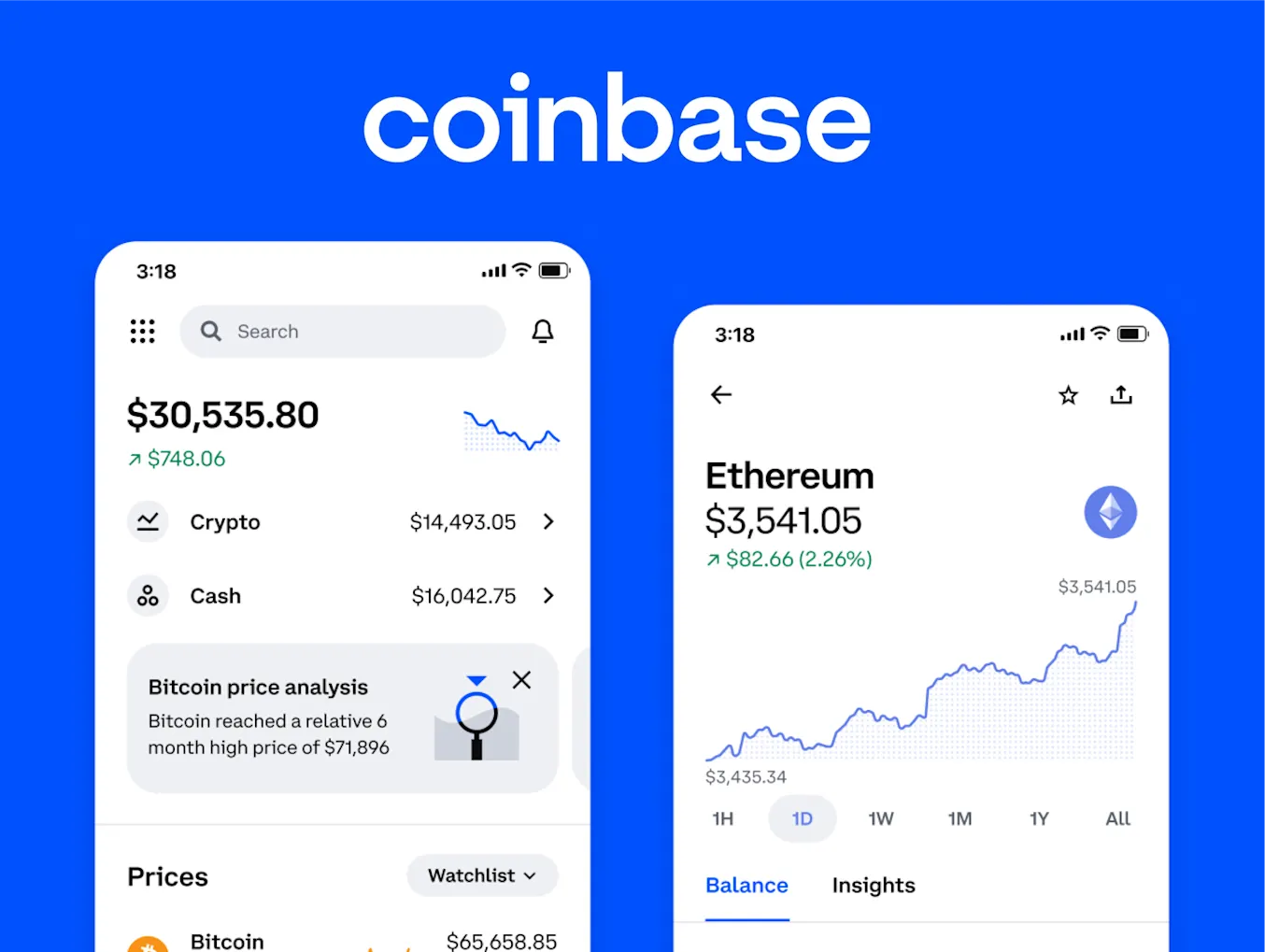
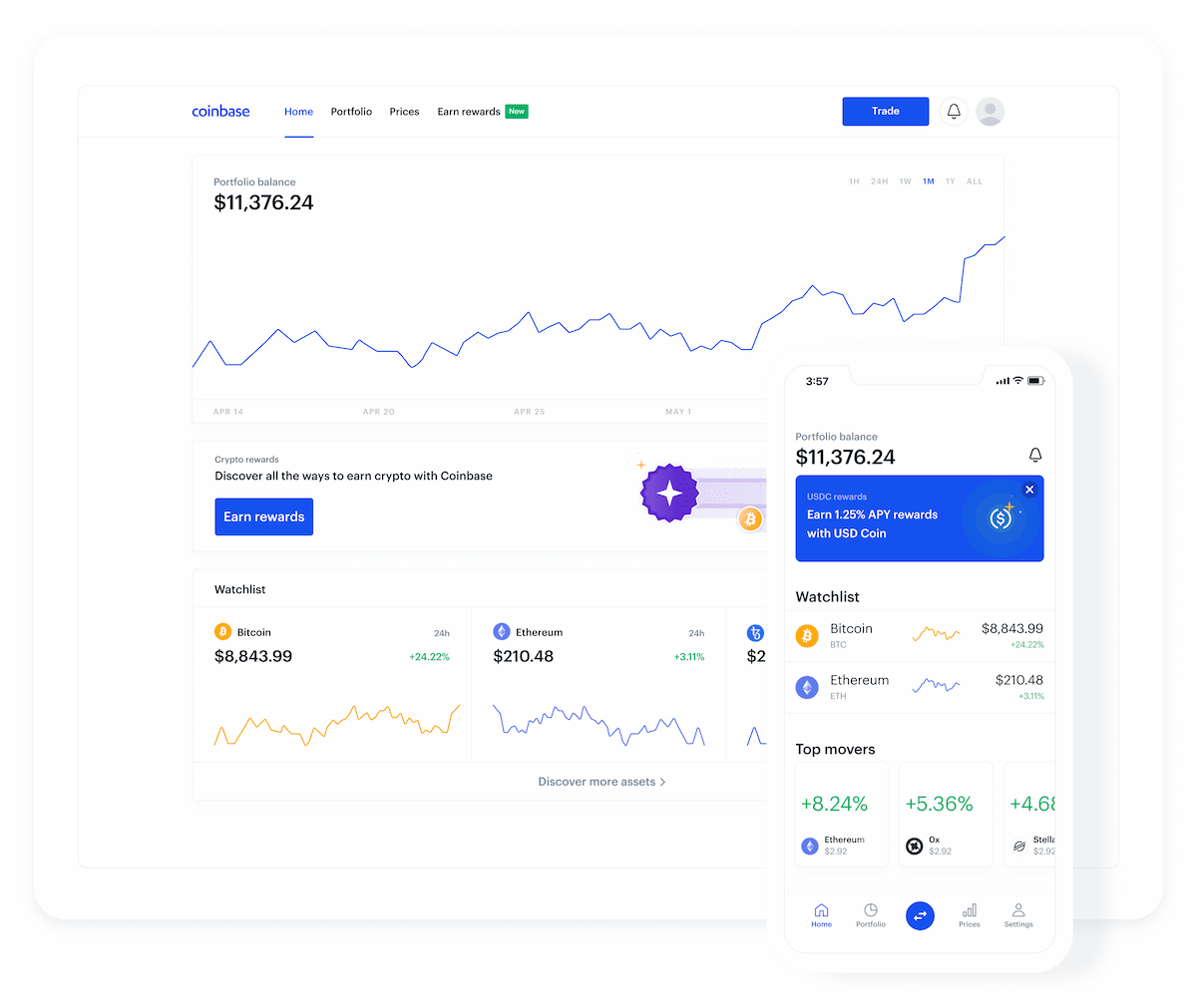
A Coinbase account serves as a centralized dashboard for financial health. The platform provides detailed performance tracking, showing the total balance, the percentage change over various timeframes, and the breakdown of asset allocation. Having this high-level view allows investors to see where they are over-leveraged and where they might need to increase their exposure, leading to more informed financial decision-making.
Security Protocols for Protecting Your Financial Assets
In the world of online income and digital wealth, security is the highest priority. A Coinbase account is fortified with multiple layers of protection designed to safeguard the user’s capital from unauthorized access and external threats.
Two-Factor Authentication (2FA) and Biometrics
The first line of defense for any Coinbase account is robust authentication. Coinbase requires more than just a password; it integrates mandatory Two-Factor Authentication (2FA). While SMS-based 2FA is an option, the platform strongly encourages the use of hardware keys (like YubiKey) or time-based one-time password (TOTP) apps like Google Authenticator. For mobile users, biometric security—such as fingerprint or facial recognition—adds an additional layer of friction for attackers while maintaining ease of use for the owner.
Cold Storage and Institutional Custody
What happens to the assets once they are in the account? Coinbase utilizes “cold storage” for the vast majority of user funds. This means the digital keys are stored on hardware that is completely disconnected from the internet, making them immune to online hacking attempts.
Furthermore, as a publicly traded company in the United States, Coinbase is subject to rigorous financial audits and regulatory oversight. They maintain high capital reserves and adhere to strict “Know Your Customer” (KYC) and Anti-Money Laundering (AML) laws. This institutional-grade custody is a primary reason why many high-net-worth individuals and corporations choose Coinbase as their primary financial tool for digital assets.
Insurance and Regulatory Compliance
Unlike many offshore exchanges, Coinbase has worked within the regulatory framework of the jurisdictions in which it operates. In the United States, for example, any USD cash balances held in a Coinbase account are covered by FDIC insurance up to $250,000, as they are held in pooled custodial accounts at partner banks. While this insurance does not cover the value of the cryptocurrencies themselves (due to their inherent market volatility), it provides a significant safety net for the liquid cash component of an investor’s portfolio.
Fees and Financial Efficiency
To manage a Coinbase account effectively, one must understand the cost of doing business on the platform. Every financial tool has a fee structure, and being “fee-literate” is a hallmark of a successful investor.
Navigating the Fee Structure
Coinbase generates revenue through transaction fees and spreads. When using the simple “Buy” or “Sell” buttons, the platform calculates a spread between the market price and the price offered to the user, alongside a flat or percentage-based fee. While this is the most convenient way to trade, it is often the most expensive.
For the budget-conscious investor, using the “Advanced Trade” feature is the key to efficiency. Advanced Trade uses a “Maker-Taker” fee model, which is significantly lower than the standard retail fees. By understanding these nuances, an account holder can drastically reduce their overhead, ensuring that more of their capital remains invested in the market rather than being lost to transaction costs.
Minimizing Costs for High-Frequency Traders
For those who trade frequently or move large volumes of capital, Coinbase offers tiered fee structures. As your monthly trading volume increases, the percentage you pay in fees decreases. Additionally, holding certain assets or participating in the “Coinbase One” subscription service can provide benefits such as zero trading fees on certain volumes and enhanced customer support. This makes the Coinbase account a scalable tool that grows alongside the investor’s wealth and sophistication.
Ultimately, a Coinbase account is the cornerstone of a modern financial strategy. It provides the security, tools, and market access necessary to navigate the complex world of digital assets. Whether used for long-term wealth preservation, active trading, or daily spending, it represents a fundamental evolution in how we interact with, store, and grow our money in the 21st century.
aViewFromTheCave is a participant in the Amazon Services LLC Associates Program, an affiliate advertising program designed to provide a means for sites to earn advertising fees by advertising and linking to Amazon.com. Amazon, the Amazon logo, AmazonSupply, and the AmazonSupply logo are trademarks of Amazon.com, Inc. or its affiliates. As an Amazon Associate we earn affiliate commissions from qualifying purchases.