
In an era of ubiquitous streaming services and sophisticated home entertainment systems, the decision to venture out to a movie theater has become a deliberate one, often weighed against the cost of the experience. For many, AMC Theatres, as one of the largest cinema chains globally, represents the quintessential moviegoing experience. However, the price of admission at an AMC location is far from a static figure. It’s a dynamic variable influenced by a multitude of factors, creating a complex pricing landscape for consumers to navigate. Understanding “how much are movie tickets at AMC Theatres” requires delving beyond a simple number, exploring the financial strategies at play, and equipping moviegoers with the knowledge to make informed, budget-conscious decisions. This article will dissect the financial components of an AMC movie ticket, offering insights into pricing variations and strategies for optimizing your cinematic investment.

Understanding AMC’s Dynamic Ticket Pricing Model
AMC Theatres employs a sophisticated dynamic pricing model that considers various elements beyond just the film itself. This strategy aims to maximize revenue by aligning ticket prices with demand, location, and the specific offering. For consumers, this means that the price you pay can differ significantly based on when and where you choose to see a movie.
Base Ticket Costs: A Starting Point
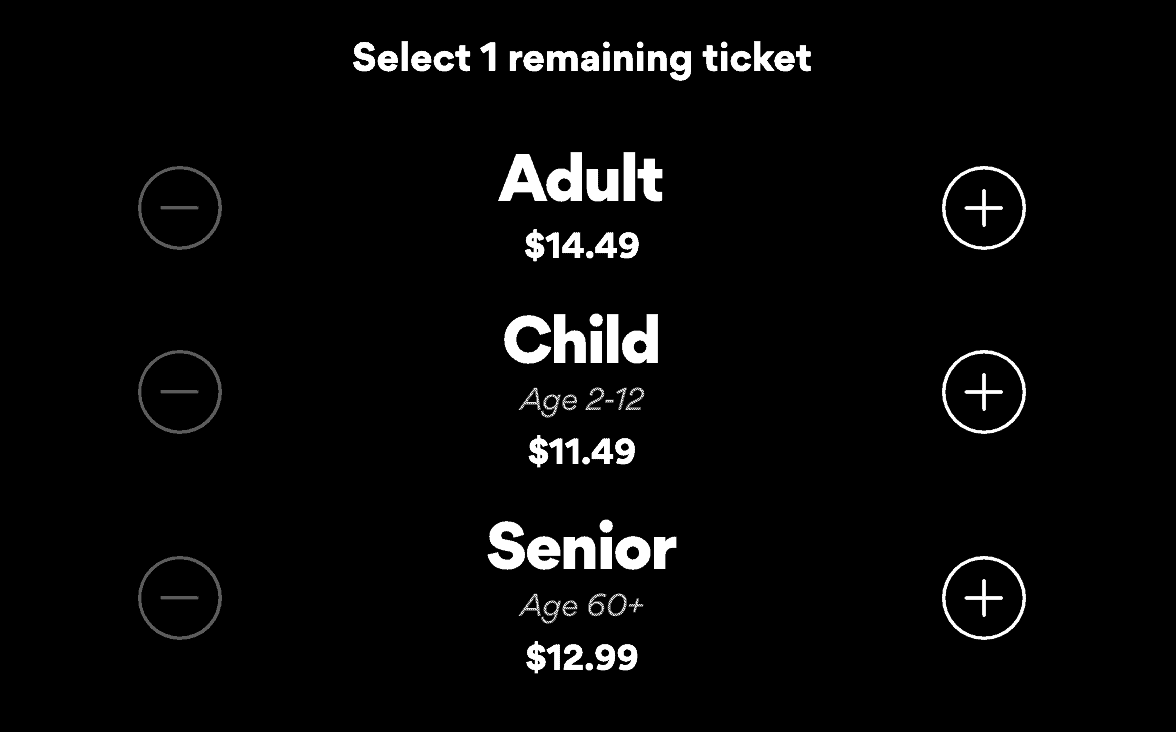
At its core, every AMC ticket begins with a base price determined by the viewer’s demographic. This initial tier typically includes categories such as:
- Adult Tickets: These represent the standard full-price admission for individuals over a certain age (usually 12 or 13). They form the benchmark against which other prices are compared.
- Child Tickets: Offered at a reduced rate for younger viewers (typically up to 11 or 12 years old), these tickets aim to make family outings more affordable. The discount varies but can be substantial.
- Senior Tickets: Recognizing the budgeting needs of older patrons, AMC often provides a discount for seniors (typically 60 or 65+). This is a common industry practice designed to encourage consistent attendance from this demographic.
- Student Tickets: In select locations and often with valid student ID, college and high school students can sometimes secure discounted tickets, acknowledging their typically tighter budgets.
These base prices fluctuate by location, reflecting local market conditions, operating costs, and competitive landscapes. A ticket in a high-rent urban center will almost invariably be more expensive than one in a suburban or rural area.
Geographic and Demographic Variables
Location is perhaps the most significant determinant of base ticket prices. AMC operates thousands of screens across diverse economic environments, and its pricing reflects these differences.
- Urban vs. Suburban/Rural Theaters: The cost of living, property values, and average disposable income in metropolitan areas typically translate to higher ticket prices. Suburban and rural AMC locations often benefit from lower operational overhead, allowing for slightly more competitive pricing.
- Premium Markets: Certain cities are designated as premium markets due to their high demand for entertainment and higher average incomes. These locations will often have the highest baseline ticket prices, irrespective of the specific movie or showtime.
- Local Competition: The presence or absence of competing cinema chains in a particular vicinity can also influence AMC’s pricing strategy. In areas with fierce competition, AMC might keep prices more competitive to attract and retain market share. Conversely, in areas with a monopoly, there might be less pressure to offer lower prices.
These geographic nuances require consumers to check prices specific to their local AMC theater, rather than relying on a national average.
The Impact of Showtimes and Day of the Week
Beyond location and demographic, the specific time and day you choose to see a movie play a crucial role in its cost. This is a classic example of demand-based pricing applied to entertainment.
- Matinees: Showings before a certain time (often before 4 or 5 PM) are almost always cheaper than evening shows. This is because matinees generally attract smaller crowds, and the discounted price serves to fill seats during off-peak hours, maximizing auditorium utilization.
- Evening Shows: Peak viewing times, typically from 6 PM onwards, command the highest prices. These are the most popular slots, and AMC capitalizes on this demand.
- Weekends vs. Weekdays: Saturdays and Sundays, especially evening shows, are the most expensive days to go to the movies due to high demand for leisure activities. Weekday screenings, particularly Monday through Thursday, are generally more affordable.
- Discount Tuesdays: Many AMC locations offer “Discount Tuesdays,” where all tickets for standard showings are significantly reduced, often to a flat, low rate (e.g., $5-$7). This is a popular promotional strategy to drive traffic on an otherwise slow day and has become a staple for budget-conscious moviegoers.
By being flexible with their viewing schedule, consumers can significantly impact the financial outlay for their movie outing.
The Premium Experience: Formats and Their Price Tags
Modern moviegoing is no longer a one-size-fits-all experience. AMC offers a variety of premium formats designed to enhance the cinematic experience, but these come with a noticeable bump in ticket price. Understanding these options is crucial for evaluating the value proposition and managing your budget.
IMAX, Dolby Cinema, and Prime at AMC
These are AMC’s flagship premium large format (PLF) offerings, each promising a distinct, elevated viewing experience:
- IMAX: Known for its massive screens, unique aspect ratios, and powerful sound systems, IMAX screenings carry a significant premium, typically adding $4-$8 per ticket over a standard adult fare. The immersive quality, especially for action or visually stunning films, often justifies the extra cost for enthusiasts.
- Dolby Cinema: Combining Dolby Vision HDR projection with Dolby Atmos immersive audio, Dolby Cinema offers superior picture clarity, deeper blacks, and incredibly precise sound. These tickets also command a substantial surcharge, often similar to IMAX or slightly higher, for a truly sensory experience.
- Prime at AMC: This proprietary format features enhanced visuals, immersive sound (often Dolby Atmos), and luxurious recliners with seat transducers that vibrate with the on-screen action. The combination of comfort and advanced technology makes Prime tickets among the most expensive, reflecting the comprehensive upgrade.
For film buffs, the financial outlay for these premium formats might be seen as an investment in a superior artistic and entertainment experience that cannot be replicated at home.
AMC DINE-IN and Recliner Seating
Beyond just audio-visual enhancements, AMC has invested heavily in comfort and convenience, transforming some theaters into full-service dining establishments.
- AMC DINE-IN: These locations allow patrons to order meals and drinks directly from their seats, offering a full restaurant experience combined with a movie. While the ticket price itself might not be drastically different from other premium formats, the total cost of the outing dramatically increases due to the food and beverage purchases, which are typically priced similarly to casual dining restaurants. This represents a significant financial commitment for a movie night.
- Power Recliner Seating: Many standard AMC theaters, even without full DINE-IN service, have upgraded to plush power recliners. While often included in the standard ticket price in these renovated locations, some older theaters transitioning to recliners might introduce a slight surcharge for the added comfort, especially if it’s considered a premium upgrade within that specific theater.
These comfort-focused options appeal to those willing to pay more for a luxurious and convenient outing, effectively blending dining and entertainment into a single, often more expensive, package.
Special Engagements and Fathom Events
AMC also hosts various special screenings that fall outside the typical movie release schedule, often carrying unique pricing structures.
- Fathom Events: These are limited-time, unique content screenings, often including live concerts, operas, ballets, classic film re-releases, anime specials, or sporting events. Fathom Event tickets are typically priced at a flat rate, which can be significantly higher than a standard adult ticket, as they offer exclusive content not available elsewhere.
- Film Festivals and One-Off Screenings: Occasionally, AMC theaters will host local film festivals or special one-off screenings of independent films or documentaries. These events often have their own unique pricing, which can vary widely depending on the nature of the event and its organizers.
- Early Access Screenings: For highly anticipated blockbusters, AMC might offer “early access” screenings a day or two before the official release. These can sometimes carry a slightly higher price point due to the exclusivity and demand to be among the first to see a new film.
These special events cater to niche interests and offer unique experiences, often justifying their higher price tags for dedicated fans or those seeking alternative forms of cinema.
Strategies for Saving Money on Your AMC Movie Experience
While AMC tickets can add up, there are numerous financial strategies and programs available for the savvy moviegoer to reduce their overall expenditure. Being proactive and informed can lead to significant savings.
Leveraging AMC Stubs Membership Programs
AMC offers a tiered loyalty program called AMC Stubs, which provides various benefits ranging from free rewards to unlimited movie access.
- AMC Stubs Insider (Free): This basic tier is free to join and offers perks like earning 20 points for every $1 spent, which can be redeemed for discounts on tickets and concessions. Members also receive free refills on large popcorn and access to Discount Tuesdays, providing an immediate financial advantage.
- AMC Stubs Premiere ($15/year): This paid upgrade offers accelerated point earnings (50 points per $1), waived online ticketing fees (a significant saving for frequent online bookers), and priority lanes at the box office and concession stand. For those who go to the movies several times a year and primarily purchase tickets online, the annual fee can easily be recouped through waived fees and accelerated rewards.
- AMC Stubs A-List ($19.95-$24.95/month): This subscription service is a game-changer for frequent moviegoers. It allows members to see up to three movies per week, including all premium formats (IMAX, Dolby Cinema, Prime, DINE-IN), for a fixed monthly fee. For anyone seeing more than two or three movies a month, A-List quickly becomes a tremendous financial value, offering substantial savings compared to purchasing individual tickets. The monthly fee varies by state, reflecting market differences. This model encourages consistent patronage and locks in a recurring revenue stream for AMC, while offering unparalleled value for high-frequency viewers.
Analyzing your moviegoing habits against the benefits of each tier is crucial for selecting the most financially advantageous membership.
Exploring Discounts and Promotional Offers
Beyond Stubs, various other discounts and promotions can ease the financial burden of movie tickets.
- Student Discounts: As mentioned, many AMC locations offer student pricing. Always carry a valid student ID to inquire about and avail these savings.
- Senior and Military Discounts: These demographic-specific discounts are widely available. Seniors and active military personnel (and sometimes veterans) should always ask for these reduced rates.
- Corporate and Employee Discounts: Many large corporations and organizations partner with AMC to offer discounted movie tickets as an employee benefit. Check with your HR department or employer for available programs.
- Gift Cards: Purchasing AMC gift cards from third-party retailers (like warehouse clubs or online discount sites) can sometimes yield a discount on the face value (e.g., $50 gift card for $40), providing an instant saving on future purchases.
- Seasonal Promotions: AMC frequently runs seasonal promotions, especially during holidays or summer, such as “Summer Movie Camp” for kids, which often offers very low-priced tickets for family-friendly films. Keep an eye on AMC’s website and social media channels for these limited-time offers.
A little research and the courage to ask can often unlock unexpected savings.
The Power of Matinees and Discount Days
As previously discussed, timing your visit strategically is one of the simplest yet most effective ways to save money.
- Matinee Savings: Opting for a morning or early afternoon showing can save you several dollars per ticket compared to evening prices. This is particularly beneficial for families or those with flexible schedules.
- Discount Tuesdays: This is arguably the most popular and financially rewarding discount. For those who can plan their movie outing for a Tuesday, the savings are substantial, often making a premium format ticket affordable for a fraction of its weekend evening price.
- Avoid Peak Times: Simply avoiding Friday and Saturday evening shows, which are consistently the most expensive, can lead to significant savings over time. If your schedule allows, consider a Sunday evening or a weekday evening show, which might still be cheaper than peak weekend rates.
Flexibility in scheduling your movie dates is a powerful financial tool for AMC patrons.
Beyond the Ticket: The Full Cost of an AMC Outing
While the ticket price is the most obvious expense, it often represents only a fraction of the total cost of an AMC movie experience. Savvy financial planning for a movie outing must account for these additional expenditures.
Concession Stand Economics: A Major Expenditure
For many, a movie isn’t complete without popcorn, a drink, and candy. However, the concession stand is where a significant portion of a cinema’s profit is made, and where your budget can quickly balloon.
- High Markups: Concession items typically have very high markups, far exceeding what you’d pay for similar items at a grocery store. A large popcorn and soda combo can easily cost more than the movie ticket itself.
- The “Necessity” Factor: The theater environment often creates a psychological desire for snacks and drinks, leading consumers to make impulse purchases despite the high prices.
- The Bottom Line: A family of four purchasing drinks, popcorn, and candy can easily add $40-$60 to their outing, doubling or tripling the initial ticket cost.
Budgeting for concessions requires discipline. Consider bringing your own water bottle (if allowed) or having snacks before or after the movie to mitigate these high costs. AMC Stubs members benefit from free large popcorn refills, which is one way to maximize value if you do buy concessions.
The Allure of Bundles and Combos
AMC often offers combo deals on concessions (e.g., “Popcorn & Drink Combo,” “Value Pack”). While these are marketed as savings, it’s essential to critically evaluate if they genuinely offer financial value for your specific consumption.
- Perceived vs. Actual Savings: Combos might offer a slight discount compared to buying each item individually, but the base prices are still high. It’s crucial to compare the combo price to what you would have purchased, not just the sum of individual high-priced items.
- Portion Sizes: Combos often include larger portion sizes than you might genuinely need, leading to overspending on excess.
- Strategic Upselling: Combos are a clever upsell strategy, encouraging customers to buy more than they initially intended by offering a “deal.”
For those committed to concessions, a combo can offer marginal savings, but it’s important not to fall into the trap of buying more just because it’s part of a “deal.”
Parking and Other Incidental Costs
Depending on your AMC location, other hidden costs can add up:
- Parking Fees: Especially in urban centers, parking garages associated with or near AMC theaters can charge significant hourly or flat rates, easily adding $5-$15 (or more) to your outing. Always check parking availability and costs in advance.
- Transportation Costs: If using public transport, factor in bus or subway fares. For those driving, gas costs should also be considered, especially for longer trips.
- Babysitting: For parents, the cost of childcare for an evening out can be a significant addition to the overall expense, often far exceeding the ticket price.
These incidental costs, while not directly purchased from AMC, are part of the holistic financial consideration for a movie outing.
The Value Proposition: Is an AMC Ticket Worth It?
Ultimately, the question of “how much are movie tickets at AMC Theatres” boils down to a personal financial decision about value. In a world saturated with entertainment options, is the cost of an AMC ticket and the full experience it entails a worthwhile investment?
Balancing Cost with Entertainment Value
The perceived value of an AMC ticket is subjective and depends on individual priorities:
- The Immersive Experience: For many, the large screen, booming sound, and communal experience of a theater cannot be replicated at home. Premium formats like IMAX and Dolby Cinema offer a level of immersion that justifies the higher price for a truly cinematic spectacle.
- Escapism and Social Outing: A trip to the movies is often more than just seeing a film; it’s a social event, a date night, or a family outing. The cost covers not just the movie but the entire experience of getting out and being entertained away from home.
- Comparing to Alternatives: When stacked against the monthly cost of multiple streaming subscriptions, or the price of other out-of-home entertainment options (concerts, sporting events, fine dining), an AMC ticket, especially with discounts, can still represent good value for a few hours of entertainment.
The key is to align the cost with your expectations and the enjoyment derived. An expensive ticket for a film you love, seen in a premium format with friends, might be a fantastic value. A cheap ticket for a mediocre film seen alone might feel like a waste.

The Future of Movie Ticket Pricing
The movie exhibition industry is constantly evolving, and so too will its pricing strategies. We can anticipate several trends:
- Continued Dynamic Pricing: Expect even more sophisticated algorithms that adjust prices based on real-time demand, weather, local events, and even individual customer profiles.
- Subscription Model Expansion: The success of AMC Stubs A-List suggests that subscription models will likely continue to evolve, offering different tiers and potentially partnering with other entertainment providers.
- Bundling and Experiential Packages: AMC may further lean into offering bundled experiences that combine tickets with concessions, merchandise, or even other local attractions, creating tiered pricing for various levels of “outing.”
- Personalized Offers: Leveraging data from loyalty programs, AMC could offer increasingly personalized discounts and promotions to individual members, optimizing their spending and engagement.
In conclusion, understanding the true cost of an AMC movie ticket is a multi-faceted exercise in personal finance. From base prices influenced by location and showtime, to the significant premiums for enhanced formats and the often-overlooked expense of concessions and incidentals, the financial commitment can vary wildly. However, by strategically utilizing loyalty programs, seeking out discounts, and timing your visits wisely, moviegoers can significantly reduce their expenditure and continue to enjoy the magic of the big screen without breaking the bank. The power to manage your movie budget lies in being an informed and proactive consumer.
aViewFromTheCave is a participant in the Amazon Services LLC Associates Program, an affiliate advertising program designed to provide a means for sites to earn advertising fees by advertising and linking to Amazon.com. Amazon, the Amazon logo, AmazonSupply, and the AmazonSupply logo are trademarks of Amazon.com, Inc. or its affiliates. As an Amazon Associate we earn affiliate commissions from qualifying purchases.