
In an era defined by a vast and ever-evolving digital ecosystem, the simple question “How can I watch AMC?” opens a Pandora’s box of technological pathways and platforms. Gone are the days when a single cable subscription was the sole answer. Today, accessing AMC’s critically acclaimed dramas, cult classics, and cinematic offerings involves a nuanced understanding of streaming technology, device compatibility, and internet infrastructure. This guide will meticulously break down the various technical avenues available, empowering viewers to choose the most efficient and enjoyable method for their specific setup. From the enduring mechanisms of traditional broadcasts to the cutting-edge innovations of direct-to-consumer streaming, we delve into the core technologies that bring AMC directly to your screens.
The Enduring Role of Traditional Broadcasts: Cable and Satellite Technology
While the spotlight often shines on digital streaming, traditional cable and satellite television services continue to form the bedrock of content delivery for millions. Understanding their underlying technology is crucial, as they represent a robust, albeit older, method of accessing channels like AMC.
Understanding Cable and Satellite Technology
Cable television operates through a vast network of physical coaxial cables, which transmit digital and analog signals directly into subscribers’ homes. This infrastructure, often a legacy of early telecommunications, has been significantly upgraded over decades to handle high-definition digital signals. A set-top box, acting as a digital decoder and tuner, interprets these signals, converting them into a format viewable on a television. The technology ensures a direct, often reliable, connection, less susceptible to internet congestion issues than streaming.
Satellite television, conversely, relies on geostationary satellites orbiting Earth. Signals are broadcast from ground stations, bounced off these satellites, and then received by a parabolic dish antenna installed at the subscriber’s location. A receiver box then decodes the signal. Both systems have invested heavily in digital signal processing (DSP) and multiplexing technologies to deliver hundreds of channels efficiently, alongside interactive program guides (IPGs) that utilize specialized software to navigate the vast channel lineup.
DVRs and On-Demand Features in Traditional Systems
A significant technological enhancement within traditional TV services is the Digital Video Recorder (DVR). DVRs represent a leap from analogue VCRs, employing hard drive storage and advanced software algorithms to record live broadcasts, enabling time-shifting. Users can pause live TV, rewind, and fast-forward, essentially manipulating the linear broadcast schedule. Modern DVRs often feature multi-tuner capabilities, allowing simultaneous recording of several programs while watching another.
Furthermore, most cable and satellite providers offer “Video On Demand” (VOD) services. This technology streams content over the existing cable or satellite infrastructure, providing a library of movies and TV shows, often including AMC programming, accessible at the viewer’s convenience. VOD systems typically leverage content delivery networks (CDNs) within the provider’s private network, ensuring dedicated bandwidth and a smooth viewing experience distinct from public internet streaming.
Geographic and Hardware Considerations
Access to traditional cable or satellite AMC broadcasts is largely dictated by geographic availability and the necessary hardware. Cable services are tied to physical infrastructure, meaning availability varies by region and specific utility service areas. Satellite TV, while generally broader in reach, requires line-of-sight to the satellite, which can be affected by physical obstructions (trees, buildings) or severe weather. Essential hardware includes the set-top box (which often integrates a tuner, decoder, and sometimes a DVR), a smart card for encryption/decryption, and in the case of satellite, an outdoor dish antenna. Compatibility and software updates for these devices are managed by the service provider, ensuring consistent access to the channel’s digital stream.
The Rise of Live TV Streaming Services: A Modern Paradigm
The internet has revolutionized content delivery, giving birth to a new generation of “Live TV Streaming Services.” These platforms offer a digital alternative to traditional cable, leveraging internet protocol (IP) to deliver live television channels, including AMC, to a multitude of devices.
How Live TV Streaming Works
Live TV streaming operates on the principle of Internet Protocol Television (IPTV). Instead of broadcasting via coaxial cables or satellite dishes, content is encoded, compressed, and transmitted as data packets over the internet. This process involves complex video encoding (e.g., H.264, H.265/HEVC), adaptive bitrate streaming technologies (like HLS or DASH) that dynamically adjust video quality based on network conditions, and a global network of CDNs. CDNs cache content closer to end-users, reducing latency and buffering. When you subscribe to a service like Sling TV or YouTube TV, you are essentially accessing a digital stream of AMC, authenticated via your internet connection, rather than a physical broadcast signal. The flexibility of IP delivery allows for simultaneous viewing on multiple devices and locations, a significant advantage over fixed-location traditional TV.
Key Platforms Offering AMC Live
Several prominent live TV streaming services include AMC in their channel lineups, each with its own technical specifications, app ecosystem, and user interface design.
- Sling TV: Known for its customizable channel packages (“Orange” and “Blue”), Sling TV offers AMC as a core component. Its technology focuses on lean-back viewing, with apps optimized for smart TVs and streaming devices. It employs robust DRM (Digital Rights Management) and content protection technologies to secure its streams.
- YouTube TV: Google’s entry into the live TV space, YouTube TV boasts an intuitive interface across devices, deep integration with Google’s ecosystem, and often includes unlimited cloud DVR functionality. Its underlying infrastructure benefits from Google’s vast network capabilities, ensuring high reliability and quality streaming.
- Hulu + Live TV: Combining live TV with Hulu’s extensive on-demand library, this service uses sophisticated recommendation algorithms and a unified user experience across its live and on-demand content. Its tech stack supports multiple simultaneous streams and a robust cloud DVR.
- FuboTV: Originally sport-centric, FuboTV has expanded its general entertainment offerings, including AMC. Its technology is geared towards high-quality video, often supporting 4K streaming for certain events, leveraging advanced compression techniques to deliver superior picture fidelity over IP.
- Philo: A more budget-friendly option, Philo focuses on entertainment and lifestyle channels, including AMC. Its technical infrastructure is streamlined, offering a simpler user interface and a focus on core live and on-demand playback, with cloud DVR included.
Each of these platforms invests heavily in developing proprietary applications for various operating systems and devices, ensuring a consistent and optimized viewing experience.
Device Compatibility and App Ecosystems
The universality of IP-based streaming means that live TV services are accessible across a vast array of internet-connected devices. This multi-platform compatibility is a cornerstone of modern content consumption technology.
- Smart TVs: Modern smart TVs from manufacturers like Samsung, LG, Sony, and Vizio come with integrated app stores that host dedicated applications for these streaming services. These apps are optimized for the TV’s native resolution and often leverage the TV’s processing power for smooth playback.
- Streaming Sticks and Set-Top Boxes: Devices such as Roku, Amazon Fire TV Stick, Apple TV, and Google Chromecast transform any HDMI-enabled television into a smart TV. These gadgets run specialized operating systems (e.g., Roku OS, Fire OS) that host the streaming service applications, acting as dedicated media consumption hubs. Their processors and Wi-Fi chipsets are specifically designed for efficient streaming.
- Game Consoles: PlayStation and Xbox consoles, with their powerful graphics processors and network capabilities, also serve as capable streaming devices, featuring dedicated apps for most live TV services.
- Mobile Devices (Smartphones and Tablets): iOS and Android apps allow for on-the-go viewing, leveraging the device’s screen and speakers. These apps often include features like offline downloads (for some content), casting functionality (e.g., Chromecast), and mobile-optimized interfaces.
- Web Browsers: Most services offer web player interfaces accessible through standard browsers like Chrome, Firefox, Edge, and Safari, requiring no additional software installation beyond plugins like HTML5 video players.
The technology enabling this seamless multi-device access includes robust API integrations, cloud-based user profiles that synchronize viewing history and preferences, and adaptive streaming protocols that ensure content is delivered optimally regardless of screen size or network condition.
AMC’s Own Digital Ecosystem: AMC+ and Its Offerings
In response to the evolving digital landscape, many broadcasters have launched their own direct-to-consumer (DTC) streaming services. AMC is no exception, with AMC+ representing its dedicated digital ecosystem designed to deliver a premium, ad-free experience.
AMC+ as a Standalone Streaming Service
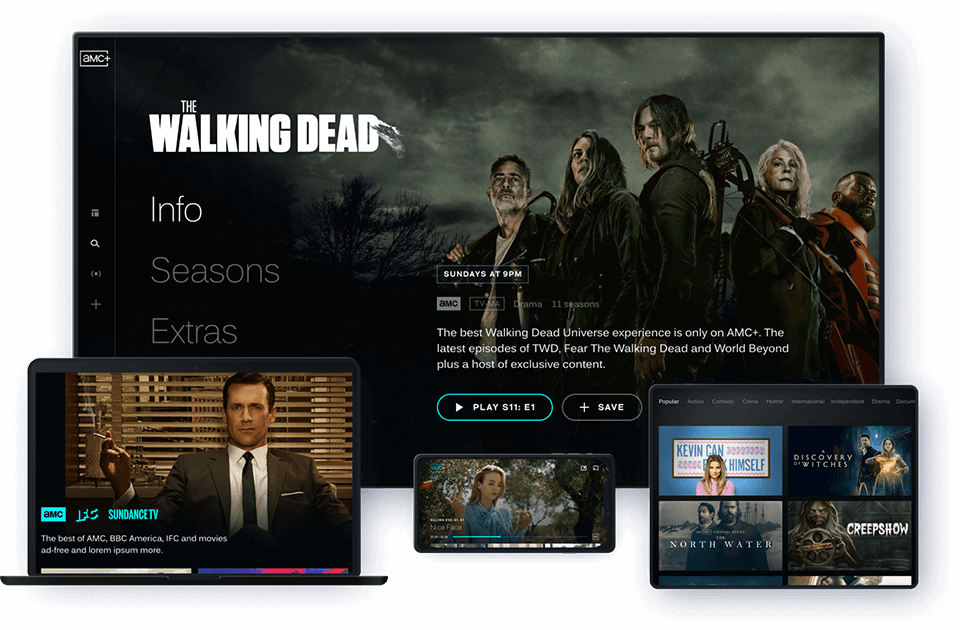
AMC+ stands as AMC Networks’ flagship subscription video on demand (SVOD) service. It operates on a direct-to-consumer model, meaning subscribers engage directly with AMC for access, bypassing traditional cable or satellite providers. Technically, AMC+ leverages a sophisticated cloud-based streaming infrastructure. This includes robust content management systems (CMS) for cataloging and delivering its extensive library of shows and movies, high-performance streaming servers, and advanced video encoders. The service employs digital rights management (DRM) technologies to protect its premium content against unauthorized access and distribution, ensuring compliance with licensing agreements. Its architecture is designed for scalability, capable of handling millions of simultaneous streams and delivering high-quality video across diverse global networks.
Accessing AMC+ Content and Exclusive Features
Accessing AMC+ primarily occurs through its dedicated applications or web portal. The service has developed native apps for a wide range of platforms, ensuring broad compatibility:
- Mobile Devices: Available on iOS and Android smartphones and tablets, offering a user-friendly interface, push notifications for new content, and sometimes features like offline viewing (downloading content for later playback without an internet connection).
- Smart TVs: Dedicated apps for major smart TV brands (Samsung, LG, Sony, Vizio) and TV operating systems (Roku TV, Fire TV, Apple TV, Google TV) allow for direct access from the living room. These apps are optimized for large screens and remote control navigation.
- Streaming Devices: Support for popular streaming sticks and boxes like Roku, Amazon Fire TV Stick, Apple TV, and Chromecast (both built-in and standalone devices) means flexibility for users who prefer these dedicated media players.
- Web Browsers: A full-featured web player provides access via standard desktop and laptop browsers, utilizing modern HTML5 video standards.
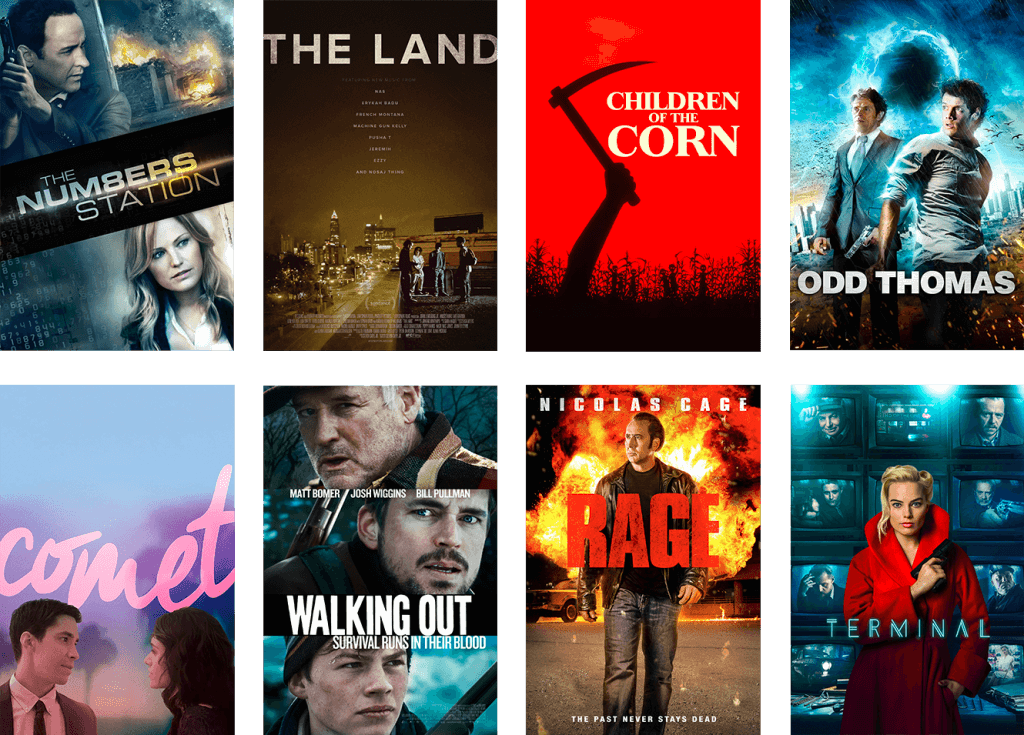
Beyond basic playback, AMC+ often incorporates advanced technical features like user profiles (allowing multiple household members to personalize their viewing experience), watchlists, and in some cases, 4K Ultra HD streaming capabilities, which demand higher bandwidth and more powerful decoding hardware. The service also pushes content early, releasing new episodes of flagship shows days or weeks before their linear broadcast, leveraging its digital distribution pipeline for exclusive early access.
Integration with Other Streaming Platforms
A key aspect of AMC+’s technical strategy is its widespread integration as a “channel” or “add-on” within other major streaming platforms. This approach expands its reach without requiring users to download a separate AMC+ app. These integrations are facilitated by robust API (Application Programming Interface) connections, which allow for seamless content discovery, subscription management, and playback through a third-party interface.
- Amazon Prime Video Channels: Subscribers to Amazon Prime can add AMC+ as a channel directly within the Prime Video app. The underlying technology involves Amazon’s content ingestion and delivery system integrating AMC+’s content feeds and DRM keys, providing a unified billing and viewing experience.
- Apple TV Channels: Similarly, Apple TV users can subscribe to AMC+ through the Apple TV app. This leverages Apple’s sophisticated channel ecosystem, offering consistent playback controls and integration with Apple’s “Up Next” feature.
- Roku Channel: Roku users can also subscribe to AMC+ directly via The Roku Channel. Roku’s platform aggregates content from various providers, and its technology handles the content delivery and user authentication for AMC+ within its own application.
- YouTube TV & Sling TV Add-ons: In some instances, AMC+ might be available as a premium add-on within live TV streaming services, although this specific integration varies and should be verified with the service provider.
These integrations highlight the interoperability of modern streaming technologies, allowing content providers like AMC to distribute their offerings widely while providing consumers with convenient, centralized access points. The technical challenge lies in maintaining consistent user experience and content security across these diverse partner platforms.
Optimizing Your Viewing Experience: Technical Considerations
Regardless of the chosen method for watching AMC, several technical factors play a crucial role in determining the quality and fluidity of your viewing experience. Understanding and optimizing these elements can significantly enhance satisfaction.
Internet Connectivity Requirements
The backbone of all modern streaming is internet connectivity. Adequate bandwidth is paramount for high-quality, uninterrupted playback.
- Bandwidth Recommendations:
- Standard Definition (SD): Typically requires 1.5 to 3 Mbps.
- High Definition (HD – 720p/1080p): Demands 5 to 8 Mbps for a single stream.
- 4K Ultra HD: Requires a sustained connection of at least 15 to 25 Mbps, and often more, especially with HDR (High Dynamic Range) content.
These are per-stream requirements; if multiple devices are streaming simultaneously, the total bandwidth needed will increase proportionally.
- Wi-Fi vs. Ethernet: While Wi-Fi offers convenience, an Ethernet (wired) connection generally provides superior stability, lower latency, and consistent speeds, making it ideal for primary streaming devices like smart TVs or dedicated streaming boxes. Wi-Fi performance can be affected by interference from other devices, router distance, and building materials.
- Network Congestion and Router Performance: A high-quality router with robust processing power and modern Wi-Fi standards (e.g., Wi-Fi 6) can better manage multiple connected devices and prioritize streaming traffic. Network congestion within the home (other users gaming, downloading large files) or at the internet service provider (ISP) level can lead to buffering and reduced video quality, even with a high-speed plan.
Device Specifications and Performance
The hardware on which you’re viewing AMC also significantly impacts performance.
- Processor and RAM: Modern streaming applications are resource-intensive. Devices with faster processors and ample RAM (e.g., 2GB+ for streaming boxes, 4GB+ for smart TVs) can decode high-resolution video streams more efficiently, prevent app crashes, and ensure smooth navigation through interfaces. Older or underpowered devices may struggle with HD or 4K content, leading to buffering, frame drops, or even app unresponsiveness.
- Operating System Versions: Keeping device operating systems (e.g., Android TV, Roku OS, iOS, Tizen, WebOS) and individual app versions up to date is critical. Updates often include performance enhancements, bug fixes, and security patches that directly improve streaming stability and compatibility with the latest content protection technologies. Outdated software can lead to compatibility issues or exploit vulnerabilities.
- Display Technology: The quality of your TV or monitor directly determines the visual output. A 4K HDR television is essential to fully appreciate 4K content, as it offers a higher pixel count and a wider range of colors and contrast than standard HD displays. Ensure your display supports the specific HDR formats (HDR10, Dolby Vision) used by the content you’re watching.
Troubleshooting Common Technical Issues
Even with optimal setup, technical glitches can occur. A systematic approach to troubleshooting, focusing on the underlying technology, is key.
- Buffering: Most commonly indicates insufficient bandwidth or network congestion.
- Solution: Test internet speed, reboot modem/router, try an Ethernet connection, reduce other network activity, close background apps on streaming device.
- App Crashes or Freezing: Often related to device resources or software bugs.
- Solution: Close and restart the app, clear the app’s cache and data (in device settings), restart the streaming device, ensure the app and device OS are updated. If persistent, reinstall the app.
- Login Errors: Can stem from incorrect credentials or server-side issues.
- Solution: Double-check username/password, try logging in on a different device or web browser, verify the streaming service’s status page for outages, reset password if necessary.
- Picture Quality Issues: (Pixelation, low resolution) Typically a bandwidth or device decoding problem.
- Solution: Ensure internet speed meets recommendations, check device resolution settings, try different HDMI cables, ensure HDR settings are correctly configured on your TV and streaming device.
- Audio Sync Problems: Less common but frustrating.
- Solution: Restart the app/device, check audio output settings on your TV/sound system (e.g., passthrough vs. PCM), ensure external audio devices (soundbars, AVRs) have updated firmware.
Understanding these technical aspects allows users to diagnose problems effectively, ensuring a consistently high-quality and enjoyable AMC viewing experience.
The Future of Content Delivery: Trends and Innovations
The landscape of content delivery is dynamic, constantly pushed forward by technological innovation. The ways we watch AMC, and indeed all media, will continue to evolve, driven by advancements in encoding, network infrastructure, and user interaction.
Evolution of Streaming Technologies
The core technologies underpinning streaming are continuously refined.
- Codecs: The move from H.264 to more efficient video codecs like H.265 (HEVC) and the emerging AV1 allows for higher quality video at lower bitrates, conserving bandwidth. Further research into next-generation codecs promises even greater efficiency.
- Adaptive Bitrate Streaming (ABS): This technology, which dynamically adjusts video quality based on real-time network conditions, is becoming more sophisticated, offering smoother transitions and better performance on variable connections.
- Low-Latency Streaming: Innovations aimed at reducing the delay between live action and its appearance on screen (crucial for sports and interactive content) are gaining traction, moving beyond traditional HTTP-based streaming to more real-time protocols.
- AI in Content Recommendation: Artificial intelligence and machine learning algorithms are becoming increasingly central to personalized user experiences, predicting viewer preferences and surfacing relevant AMC content, optimizing discovery and engagement.
Immersive Viewing Experiences
Beyond traditional 2D playback, future technologies promise more immersive ways to consume content:
- Virtual Reality (VR) and Augmented Reality (AR): While still nascent for mainstream TV viewing, the potential for watching shows in virtual cinema environments, or even experiencing interactive narratives that blend with the real world via AR, is a long-term goal for media companies. Imagine experiencing a scene from “The Walking Dead” within a dynamically rendered environment.
- Multi-Angle Viewing: For certain live events or highly produced shows, technology allowing viewers to switch between different camera angles or access supplementary information in real-time could enhance engagement, offering a personalized director’s cut.
- Spatial Audio: Advanced audio technologies like Dolby Atmos and DTS:X, which create a three-dimensional soundscape, are becoming standard, significantly enhancing the sense of immersion by placing sounds precisely around the viewer.

Digital Rights Management (DRM) and Content Security
As content distribution becomes more complex, the technologies used to protect intellectual property are also advancing. DRM systems are sophisticated encryption and licensing frameworks that prevent unauthorized copying and distribution of digital media. Future DRM will likely incorporate more robust multi-factor authentication, blockchain-based verification, and AI-driven anomaly detection to combat piracy across an ever-wider array of devices and platforms. This ensures that the creators and distributors, like AMC, can securely deliver their valuable content while maintaining the integrity of their business models.
The journey of watching AMC, from its origins on cable to its present ubiquity across myriad streaming platforms, is a microcosm of the broader evolution of media technology. As these innovations continue, the “how” of accessing our favorite shows will only become more diverse, more personalized, and more technically advanced, promising an even richer viewing experience in the years to come.
aViewFromTheCave is a participant in the Amazon Services LLC Associates Program, an affiliate advertising program designed to provide a means for sites to earn advertising fees by advertising and linking to Amazon.com. Amazon, the Amazon logo, AmazonSupply, and the AmazonSupply logo are trademarks of Amazon.com, Inc. or its affiliates. As an Amazon Associate we earn affiliate commissions from qualifying purchases.