
Understanding the interest rate on a loan is not merely a matter of financial literacy; it’s a fundamental aspect of responsible borrowing that can significantly impact your financial well-being. An interest rate is essentially the cost of borrowing money, expressed as a percentage of the principal amount. It represents the fee charged by a lender to a borrower for the use of assets. For borrowers, deciphering how these rates are determined is crucial for making informed decisions, comparing loan offers effectively, and ultimately minimizing the overall cost of debt.
Many factors, both personal and economic, converge to dictate the interest rate you’ll be offered. From your individual creditworthiness to the broader market environment, each element plays a critical role in shaping the financial landscape of your loan. This comprehensive guide will demystify the complex world of loan interest rates, breaking down their fundamental components, identifying the key influencers, and equipping you with the knowledge to navigate the lending market with confidence. By grasping these concepts, you can move beyond simply accepting a quoted rate to actively understanding, and potentially influencing, the cost of your borrowing.
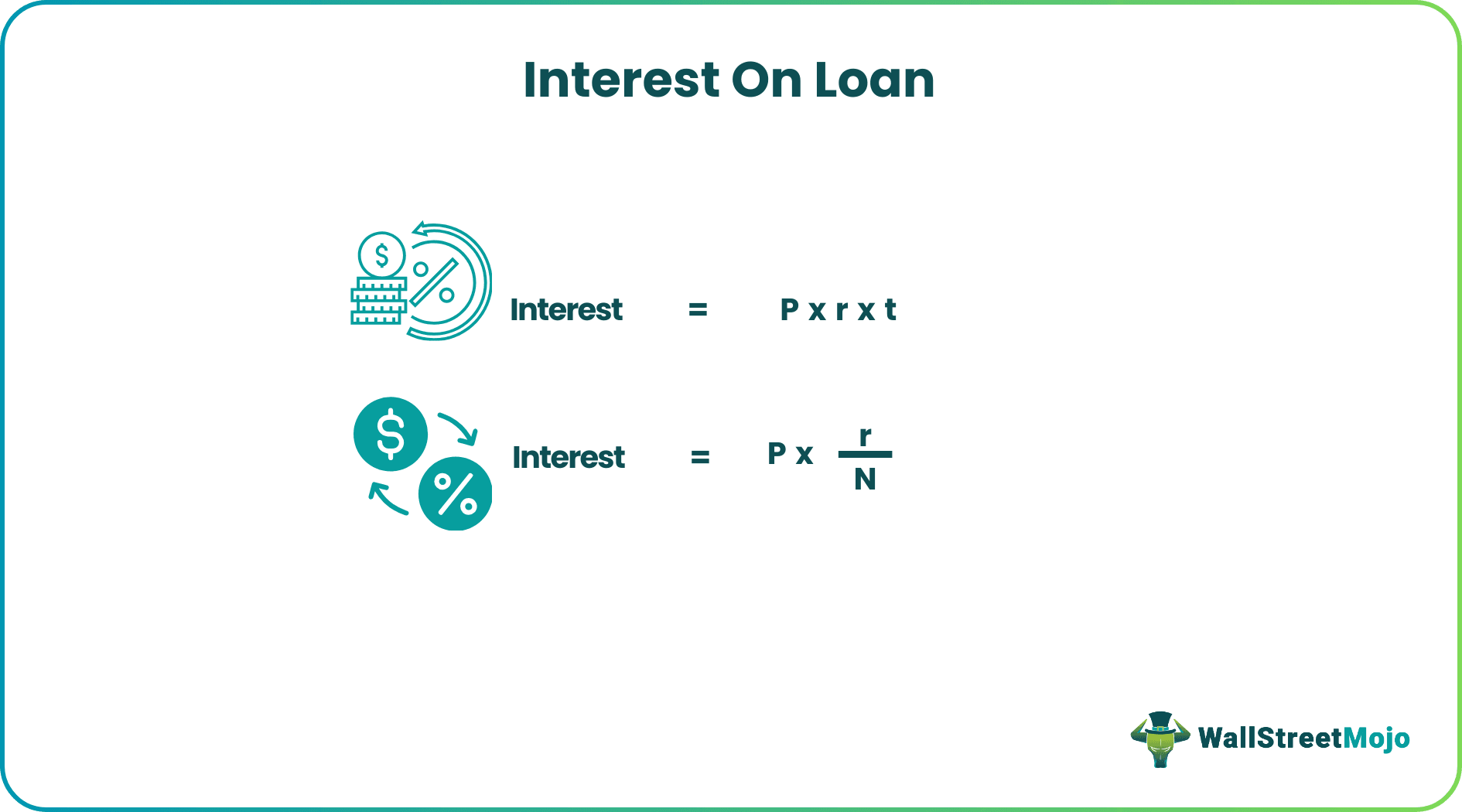
Fundamental Components of Loan Interest Rates
To truly understand how interest rates are determined, one must first grasp their basic building blocks. These foundational elements are present in virtually every loan agreement and dictate how interest accrues and is calculated.
The Principal and Term
The principal is the initial amount of money borrowed. It is the base upon which interest is calculated. A larger principal inherently means that any given interest rate will result in a larger monetary interest payment.
The loan term refers to the duration over which the loan is to be repaid. This period can range from a few months for short-term personal loans to several decades for mortgages. The term plays a significant role in the total interest paid, even if the interest rate remains constant. A longer loan term, while potentially offering lower monthly payments, typically results in a higher total interest paid over the life of the loan. This is because interest has more time to accrue on the outstanding principal. Conversely, a shorter term usually means higher monthly payments but less total interest paid, assuming the same interest rate.
Annual Percentage Rate (APR) vs. Nominal Interest Rate
One of the most critical distinctions borrowers must understand is the difference between the nominal interest rate and the Annual Percentage Rate (APR).
The nominal interest rate is the stated interest rate on the loan. It’s the percentage lenders quote you for borrowing the principal. However, this rate often doesn’t tell the whole story.
The Annual Percentage Rate (APR) provides a more comprehensive picture of the true cost of borrowing. It includes not only the nominal interest rate but also other associated fees and charges that a borrower must pay, such as origination fees, closing costs, discount points, and sometimes even mortgage insurance premiums. The APR converts these additional costs into an annualized percentage, allowing borrowers to compare the true cost of different loan offers more accurately. A loan with a lower nominal interest rate might actually have a higher APR due to significant fees, making it more expensive overall. Always compare APRs when shopping for loans.
Fixed vs. Variable Interest Rates
Loans can come with either a fixed or a variable interest rate, each carrying distinct advantages and risks.
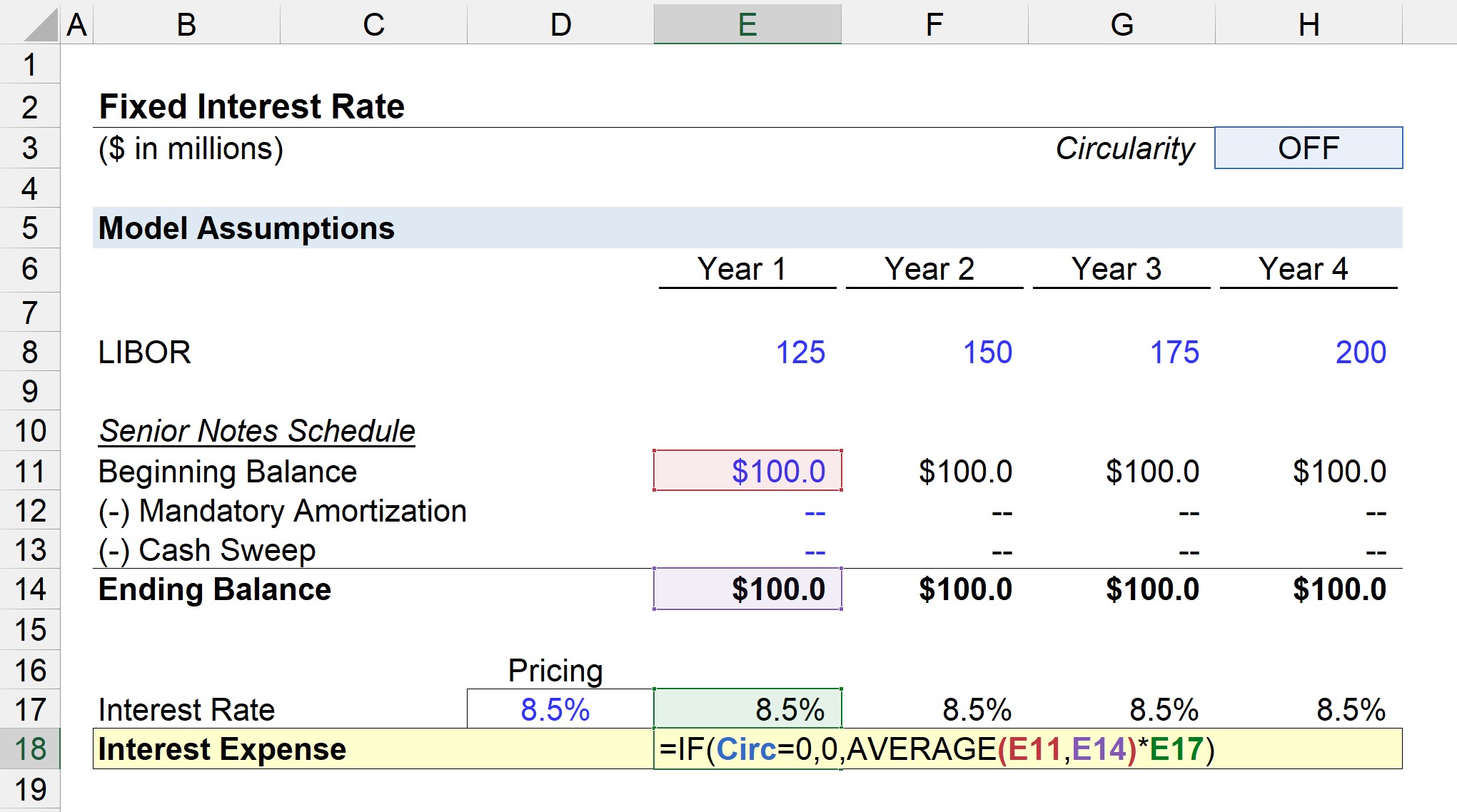
A fixed interest rate remains constant throughout the entire life of the loan. This provides predictability and stability in monthly payments, making budgeting easier. Borrowers who prefer certainty and are averse to risk often favor fixed-rate loans, especially in environments where interest rates are expected to rise. Mortgages are a common example where fixed rates are popular, offering homeowners peace of mind regarding their housing payments for decades.
A variable interest rate, also known as an adjustable-rate, can change periodically based on a benchmark index (e.g., the prime rate or LIBOR). While variable rates often start lower than fixed rates, they introduce an element of uncertainty. If the benchmark index rises, your interest rate and subsequent monthly payments will increase. Conversely, if the index falls, your payments could decrease. Variable rates might be attractive to borrowers who anticipate interest rates to fall or who plan to repay the loan quickly, thereby mitigating the risk of future rate hikes. However, they carry the inherent risk of increased costs if rates climb unexpectedly.
Key Factors Influencing Your Loan Interest Rate
While the fundamental components define the structure of interest, several external and personal factors significantly influence the specific rate you, as an individual borrower, will be offered. Lenders assess risk, and these factors help them determine your creditworthiness and the likelihood of repayment.
Your Credit Score and History
Perhaps the most significant personal factor influencing your interest rate is your credit score and history. Lenders use credit scores (like FICO or VantageScore) as a quick snapshot of your financial reliability. A higher credit score (generally above 700) indicates a lower risk to lenders, often qualifying you for the most favorable interest rates. This is because a strong credit history demonstrates a consistent ability to manage debt responsibly, make timely payments, and avoid defaults.
Conversely, a lower credit score suggests a higher risk, leading lenders to charge higher interest rates to compensate for the increased likelihood of late payments or default. Your credit report, which details your payment history, types of credit used, amounts owed, and length of credit history, provides the comprehensive data behind that score. It’s crucial to regularly review your credit report for errors and work on improving any negative marks to secure better loan terms.
Debt-to-Income Ratio (DTI)
Your debt-to-income ratio (DTI) is another critical metric lenders scrutinize. It’s a percentage that compares your total monthly debt payments to your gross monthly income. For example, if your total monthly debt payments (including the prospective loan) are $1,500 and your gross monthly income is $4,500, your DTI would be 33% ($1,500 / $4,500).
Lenders use DTI to assess your ability to manage additional monthly payments. A lower DTI indicates that you have more disposable income available to cover your existing and new debt obligations, signaling less risk. Most lenders prefer a DTI of 36% or less, though this can vary by loan type and lender. A high DTI might signal that you are overextended financially, potentially leading to a higher interest rate or even loan denial, as lenders perceive a greater risk of default.
Loan Type and Purpose
The type and purpose of the loan also play a substantial role in determining its interest rate. Different loan categories carry different risk profiles for lenders.
- Secured Loans: These loans are backed by collateral, such as a house (mortgage) or a car (auto loan). Because the lender can seize the collateral if the borrower defaults, secured loans generally carry lower interest rates than unsecured loans, as the risk to the lender is reduced.
- Unsecured Loans: Personal loans, credit cards, and student loans are typically unsecured, meaning they are not backed by collateral. This higher risk for the lender translates into higher interest rates, especially for borrowers with less-than-stellar credit.
- Mortgages: Rates vary based on fixed vs. variable, loan term, and government-backed (FHA, VA) vs. conventional loans.
- Auto Loans: Rates are influenced by new vs. used vehicles, loan term, and borrower credit.
- Personal Loans: Often used for debt consolidation or unexpected expenses, rates depend heavily on creditworthiness.
- Student Loans: Rates are often set by the government (federal loans) or competitive for private lenders, with some deferment or forbearance options unique to student debt.
The inherent risk associated with each loan type, along with its specific market dynamics, directly impacts the rates offered.
Economic Indicators and Market Conditions
Beyond personal factors, broader economic indicators and market conditions significantly influence the prevailing interest rates. Lenders operate within a larger economic framework, and their rates are often a reflection of these external forces.
- Federal Reserve Policy (Federal Funds Rate): The U.S. Federal Reserve’s monetary policy, particularly its adjustments to the federal funds rate, has a ripple effect across the entire financial system. While the federal funds rate is an overnight lending rate between banks, changes in this rate typically influence the prime rate, which in turn affects variable interest rates on many consumer loans, credit cards, and lines of credit. When the Fed raises rates to combat inflation, borrowing costs generally increase.
- Inflation: High inflation erodes the purchasing power of money over time. Lenders account for this by charging higher interest rates to ensure that the real return on their loans maintains its value.
- Supply and Demand for Credit: Like any commodity, the cost of money (interest rates) is influenced by supply and demand. If there’s high demand for loans but a limited supply of available capital, interest rates tend to rise. Conversely, an abundance of capital and lower demand for loans can drive rates down.
- Economic Outlook: The overall health and outlook of the economy also play a role. During periods of economic uncertainty, lenders may become more cautious, leading to stricter lending standards and potentially higher rates to compensate for increased risk.

Understanding these macroeconomic forces helps borrowers anticipate potential rate movements and time their borrowing decisions strategically.
Navigating the Loan Application Process to Secure Better Rates
Knowing what influences interest rates is one thing; actively leveraging that knowledge to secure a better rate is another. The loan application process offers several opportunities to improve your position.
Researching and Comparing Lenders
One of the most effective strategies for securing a favorable interest rate is to research and compare multiple lenders. Don’t settle for the first offer you receive. Different types of lenders—traditional banks, credit unions, and online lenders—each have unique lending criteria, fee structures, and rate offerings.
- Traditional Banks: Often offer a wide range of products and competitive rates for established customers.
- Credit Unions: Member-owned institutions that often provide more personalized service and can sometimes offer lower rates or more flexible terms due to their non-profit status.
- Online Lenders: Known for their speed and convenience, often with competitive rates, especially for borrowers with strong credit, and sometimes more lenient criteria for those with less-than-perfect credit.
Use online comparison tools, get pre-approved by several lenders (which typically involves a soft credit pull that doesn’t hurt your score), and collect detailed loan offers. This competitive shopping forces lenders to put their best foot forward to earn your business.
Understanding Loan Offers and Terms
Once you receive multiple loan offers, it’s crucial to go beyond just comparing the quoted nominal interest rate. Carefully understand all aspects of each loan offer and its terms.
- APR vs. Nominal Rate: As discussed, always compare APRs for an accurate picture of the total cost.
- Fees: Look out for origination fees, application fees, closing costs, and other administrative charges. These can significantly inflate the overall cost of the loan.
- Prepayment Penalties: Some loans penalize you for paying off the loan early. Ensure your chosen loan allows for early repayment without extra charges if you anticipate paying it off ahead of schedule.
- Late Payment Fees: Understand the penalties for missed or late payments.
- Collateral Requirements: For secured loans, be clear about what collateral is being used and the implications if you default.
Reading the fine print and asking questions about anything you don’t understand is paramount to avoid unexpected costs or unfavorable conditions down the line.
Negotiation Strategies
While not always possible, particularly with standardized loans like credit cards, there are instances where negotiation strategies can lead to better interest rates or more favorable terms, especially with larger loans or when dealing directly with a loan officer.
- Leverage Other Offers: If you’ve received a better offer from a competitor, use it as leverage. Lenders may be willing to match or even beat a competitor’s rate to secure your business, especially if you have a strong credit profile.
- Improve Your Credit Profile: Before applying, take steps to improve your credit score and reduce your DTI. Even a modest improvement can shift you into a better rate tier.
- Be Prepared: Have all your financial documents (income statements, tax returns, bank statements, credit report) organized and ready. A well-prepared applicant signals responsibility.
- Ask for Concessions: Don’t be afraid to ask for a reduction in fees or a slight tweak to the rate. The worst they can say is no.
While direct rate negotiation might be more common in mortgage lending or business loans, always explore the possibility of improving your terms.
Strategies for Managing and Reducing Loan Interest Over Time
Securing the best possible initial interest rate is a great start, but managing and potentially reducing the interest paid over the life of the loan is an ongoing process. Several strategies can help you minimize your total interest burden.
Refinancing
Refinancing involves taking out a new loan to pay off an existing one, often with the goal of securing a lower interest rate or changing the loan terms. This strategy is particularly effective when market interest rates have dropped significantly since you originally took out your loan, or when your credit score has substantially improved.
- When it makes sense: Consider refinancing if you can secure a significantly lower APR, reduce your monthly payments, or shorten your loan term.
- Potential benefits and costs: Benefits include lower interest payments and potentially faster debt payoff. However, be mindful of refinancing costs, such as origination fees and closing costs, which can sometimes offset the savings from a lower rate. Calculate the break-even point to ensure refinancing is truly advantageous.
Refinancing can be a powerful tool, especially for mortgages, student loans, and even personal loans, but it requires careful analysis to ensure it’s a net positive.
Making Extra Payments
One of the simplest and most effective ways to reduce the total interest paid on a loan is by making extra payments toward the principal whenever possible. Because interest is calculated on the outstanding principal balance, reducing that balance faster means less interest accrues over time.
- Impact on principal: Even small, consistent extra payments can have a dramatic effect. For example, on a mortgage, adding an extra payment equivalent to one-twelfth of your monthly payment each month (effectively making 13 payments a year) can shave years off your loan term and save tens of thousands in interest.
- Targeting high-interest debt: If you have multiple loans, prioritize making extra payments on those with the highest interest rates first. This “debt avalanche” method minimizes the overall interest paid across all your debts.
Always confirm with your lender that extra payments are applied directly to the principal and that there are no prepayment penalties.
Debt Consolidation
For individuals struggling with multiple high-interest debts, such as credit card balances, debt consolidation can be a viable strategy. This involves taking out a new, larger loan (like a personal loan or a balance transfer credit card) at a lower interest rate to pay off several existing debts.
- Streamlining payments: The primary benefit is simplifying your financial life by consolidating multiple monthly payments into a single, often lower, payment.
- Potential for lower rates: If you have good credit, you might qualify for a consolidation loan with a significantly lower interest rate than your current high-interest debts, leading to substantial savings and a clearer path to becoming debt-free.
- Caution: While beneficial, debt consolidation requires discipline. If you consolidate high-interest debt and then run up balances on the old credit lines again, you could end up in a worse financial situation.
Conclusion
Determining the interest rate on a loan is far from an arbitrary process. It is a carefully calibrated assessment by lenders, influenced by a dynamic interplay of fundamental loan components, your individual financial profile, and prevailing economic conditions. By understanding the distinction between nominal rates and APR, appreciating the impact of fixed versus variable terms, and recognizing the critical role of your credit score and debt-to-income ratio, you empower yourself to navigate the lending landscape with greater clarity.
Furthermore, proactive strategies such as diligently researching lenders, thoroughly understanding all loan terms, and employing savvy negotiation tactics can significantly improve the rates you secure. Post-acquisition, tools like refinancing, making extra principal payments, and strategic debt consolidation offer continuous opportunities to minimize your interest burden over time. Armed with this knowledge, you are no longer a passive recipient of loan offers but an informed participant capable of making decisions that genuinely align with your financial goals, ultimately saving you money and fostering greater financial stability.
aViewFromTheCave is a participant in the Amazon Services LLC Associates Program, an affiliate advertising program designed to provide a means for sites to earn advertising fees by advertising and linking to Amazon.com. Amazon, the Amazon logo, AmazonSupply, and the AmazonSupply logo are trademarks of Amazon.com, Inc. or its affiliates. As an Amazon Associate we earn affiliate commissions from qualifying purchases.