
The allure of a new car is undeniable – the fresh scent of leather, the latest technology, and the promise of reliable transportation. For many, a vehicle is not just a luxury but a necessity, a crucial tool for work, family, and daily life. However, this necessity comes with a significant financial commitment: the car payment. Understanding “what’s the average car payment” is more than just curiosity; it’s a vital step in responsible financial planning, impacting everything from your monthly budget to your overall debt-to-income ratio.
In an ever-evolving economic landscape, where vehicle prices fluctuate and interest rates shift, the concept of an “average” car payment becomes a moving target. It’s not a single, static figure but rather a complex interplay of various factors that shape how much money leaves your bank account each month. This comprehensive guide will delve into the current averages for both new and used vehicles, dissect the key elements that influence these figures, and provide actionable strategies to help you navigate the automotive financing world wisely, ensuring your car payment aligns with your financial well-being rather than becoming a burden. By gaining a clearer perspective on these averages and the underlying mechanics, you can approach your next vehicle purchase with confidence and a sound financial strategy.

Unpacking the Current Averages: New vs. Used
When discussing average car payments, the most significant differentiator is whether you’re financing a new or a used vehicle. The sticker price, depreciation, and typical loan terms for each category are vastly different, leading to distinct monthly payment averages.
The Landscape of New Car Loans
Purchasing a brand-new car often entails a higher initial cost. Automakers continually introduce advanced features, safety technologies, and design upgrades, pushing up the average transaction price. Consequently, new car loans tend to be for larger principal amounts. As of recent data trends, the average new car payment often hovers around the $700 to $750 mark per month. This figure can fluctuate based on the economic climate, consumer demand, and inventory levels. New car loans also commonly feature longer terms, with 72-month (six-year) and even 84-month (seven-year) loans becoming increasingly prevalent to make higher price tags more digestible for buyers by lowering the monthly payment. While this reduces the immediate financial strain, it invariably increases the total interest paid over the life of the loan.
Understanding Used Car Loan Averages
Used cars, while still a significant investment, generally present a more affordable entry point into vehicle ownership. Having already undergone the initial depreciation hit, their purchase prices are typically lower than their new counterparts. This translates to smaller loan principals and, subsequently, lower monthly payments. Current trends indicate that the average used car payment typically falls within the range of $500 to $550 per month. Similar to new car loans, the average term for used car financing has also extended, though it often remains slightly shorter than new car terms, frequently around 60 to 72 months. The lower average payment makes used vehicles an attractive option for budget-conscious buyers, though it’s crucial to factor in potential maintenance costs that might not be covered by a new car warranty.
The Nuance of Loan Terms and Interest Rates
Beyond the new vs. used distinction, the loan term and interest rate are paramount in determining your monthly payment. A longer loan term (e.g., 84 months) will spread the principal out over more payments, reducing each installment, but significantly increasing the total interest paid over time. Conversely, a shorter term (e.g., 36 or 48 months) will result in higher monthly payments but less overall interest paid.
Interest rates, heavily influenced by your credit score, market conditions, and the lender’s policies, also play a critical role. A higher interest rate, even on the same loan principal and term, can add tens or even hundreds of dollars to your monthly payment and thousands to the total cost of the car. Understanding the interplay between these two factors is fundamental to making an informed financial decision.
Key Factors Driving Your Monthly Car Payment
The “average” car payment is a useful benchmark, but your individual payment will be a unique calculation based on a confluence of personal and market-driven factors. Dissecting these elements is crucial for anyone looking to understand or optimize their automotive expenses.
The Price Tag and Vehicle Choice
The most obvious determinant of your monthly payment is the vehicle’s actual purchase price. A luxury SUV will naturally command a higher payment than a compact sedan. Factors influencing this price include:
- New vs. Used: As discussed, new cars carry a premium.
- Make and Model: Premium brands and models with advanced features are more expensive.
- Trim Level and Options: Upgrades like leather seats, advanced infotainment, or driver-assist packages add to the cost.
- Market Demand: Popular models might sell closer to MSRP, while less popular ones might offer room for negotiation.
Your choice of vehicle fundamentally sets the principal amount you need to borrow, which directly scales your monthly payment.
The Power of Your Credit Score and Interest Rates
Your credit score is perhaps the single most influential personal factor determining the interest rate you’ll qualify for. Lenders use credit scores to assess the risk of lending money.
- Excellent Credit (780+): Generally qualifies for the lowest interest rates, often below 5% or even 0% APR on new car promotions.
- Good Credit (670-739): Still receives competitive rates, typically in the 5-10% range.
- Fair Credit (580-669): May face higher rates, potentially 10-15% or more, depending on other factors.
- Poor Credit (below 580): Often leads to significantly higher interest rates, sometimes exceeding 20%, making the monthly payments much higher and increasing the total cost of the vehicle exponentially.
Even a difference of a few percentage points in your interest rate can translate to tens of dollars per month and thousands over the loan’s lifetime.
The Impact of Down Payments and Trade-ins
A down payment is the initial amount of cash you pay towards the vehicle’s purchase price, reducing the amount you need to borrow. The larger your down payment, the smaller your loan principal, and consequently, the lower your monthly payment and total interest paid. Financial experts often recommend a minimum of 10-20% down for new cars and 5-10% for used cars to mitigate “upside-down” loans (owing more than the car is worth).
Similarly, trading in your old vehicle provides equity that acts like a down payment. The value of your trade-in is deducted from the new vehicle’s price, directly reducing the loan amount required. A strategic down payment, whether cash or trade-in equity, can significantly improve the affordability of your car loan.

Beyond the Sticker Price: Taxes, Fees, and Add-ons
The purchase price isn’t the only cost wrapped into your car payment. Several additional expenses can be financed alongside the vehicle, increasing your loan amount:
- Sales Tax: Varies by state and locality, often a significant percentage of the car’s price.
- Documentation Fees: Fees charged by dealerships for processing paperwork.
- Registration and Licensing Fees: Annual or biennial costs to legally operate the vehicle.
- Extended Warranties/Service Contracts: Optional coverages that can add thousands to the loan.
- GAP Insurance: Covers the difference between what you owe on your car and its actual cash value if it’s totaled or stolen.
While some of these are unavoidable, others (like extended warranties) are optional and should be carefully considered before adding them to your loan, as they inflate your principal and thus your monthly payment.
Strategizing for a Healthier Car Payment
Navigating the complexities of car financing doesn’t have to be overwhelming. With a proactive approach and a clear understanding of your financial situation, you can strategically work towards a car payment that is not only manageable but also aligns with your broader financial goals.
Boosting Your Down Payment and Improving Credit
These two strategies offer some of the most impactful ways to reduce your monthly car payment and save money over the life of the loan.
- Save Aggressively for a Down Payment: Prioritize saving a substantial amount before you even start car shopping. Aim for at least 20% for a new car to avoid negative equity and lower monthly payments significantly. For used cars, a 10% down payment is a good target. The more cash you put down, the less you need to borrow, directly reducing your principal and monthly outlay.
- Enhance Your Credit Score: Before applying for a loan, take steps to improve your creditworthiness. This includes paying all bills on time, reducing outstanding debt (especially on credit cards), correcting any errors on your credit report, and avoiding opening new lines of credit. A higher credit score translates to lower interest rates, which can save you thousands over the life of the loan and significantly lower your monthly payment.
Smart Shopping: Vehicles and Lenders
Being a savvy shopper extends beyond just picking the right car; it also involves finding the right financing.
- Consider Used or Certified Pre-Owned (CPO) Vehicles: As discussed, used cars have lower purchase prices and thus lower monthly payments. CPO vehicles offer a good compromise, often coming with warranties and undergoing rigorous inspections, providing peace of mind closer to a new car but at a used car price point.
- Shop Around for Lenders: Don’t limit yourself to the financing offered by the dealership. Get pre-approved for a loan from banks, credit unions, and online lenders before you visit the dealership. This provides you with leverage, allowing you to compare rates and choose the most favorable terms. Having a pre-approval in hand can also streamline the negotiation process at the dealership.
- Negotiate the Price: The sticker price is rarely the final price. Be prepared to negotiate the vehicle’s price, including any trade-in value, to reduce the overall amount you need to finance. Research the fair market value of the car you’re interested in using resources like Kelley Blue Book (KBB) or Edmunds.
Refinancing and Loan Term Optimization
Even after you’ve purchased a car, there are strategies to potentially lower your payment or total cost.
- Refinance Your Loan: If your credit score has improved since you purchased the car, or if interest rates have dropped, consider refinancing your existing car loan. Refinancing can secure you a lower interest rate, which will reduce your monthly payment and the total interest paid over time. It’s often worth exploring if you’ve had your current loan for more than six months and your financial situation has improved.
- Optimize Loan Terms: While longer loan terms reduce monthly payments, they dramatically increase the total interest paid. If your budget allows, opt for the shortest loan term you can comfortably afford. This will result in a higher monthly payment but significantly less interest paid over the life of the loan, saving you money in the long run. Conversely, if you’re struggling with a high payment, extending the term might offer temporary relief, but be aware of the increased total cost.
Integrating Car Payments into Your Financial Blueprint
A car payment isn’t an isolated expense; it’s a significant component of your overall financial health. Integrating it thoughtfully into your budget and long-term planning is essential to ensure it enhances, rather than detracts from, your financial freedom.
Budgeting for Automotive Expenses
Your car payment is just one piece of the automotive puzzle. A truly comprehensive budget accounts for all associated costs:
- Insurance: A mandatory expense that varies greatly based on vehicle type, driver’s history, location, and coverage.
- Fuel: A volatile expense influenced by gas prices, vehicle efficiency, and driving habits.
- Maintenance and Repairs: Regular oil changes, tire rotations, and unexpected repairs are inevitable. Allocate a monthly amount for these.
- Registration and Licensing: Annual or biennial fees.
- Parking/Tolls: If applicable to your daily commute or lifestyle.
When considering a car payment, ensure your budget can comfortably accommodate all these expenses without straining your other financial obligations or hindering your savings goals. Overlooking these additional costs is a common pitfall that can lead to financial stress.
The 20/4/10 Rule and Other Guidelines
Financial experts often propose rules of thumb to help consumers gauge the affordability of a car payment:
- The 20/4/10 Rule: This popular guideline suggests putting at least 20% down, financing the car for no more than 4 years (48 months), and ensuring your total monthly vehicle expenses (payment, insurance, fuel) do not exceed 10% of your gross monthly income. Adhering to this rule helps prevent overspending, minimizes interest payments, and ensures your car isn’t a disproportionate drain on your finances.
- Total Debt-to-Income (DTI) Ratio: Lenders look at your DTI to assess your ability to manage monthly payments and repay debts. Your car payment contributes to this ratio. Aim to keep your total debt payments (including mortgage, credit cards, student loans, and car loan) below 36% of your gross monthly income, with a higher percentage potentially signaling financial strain.
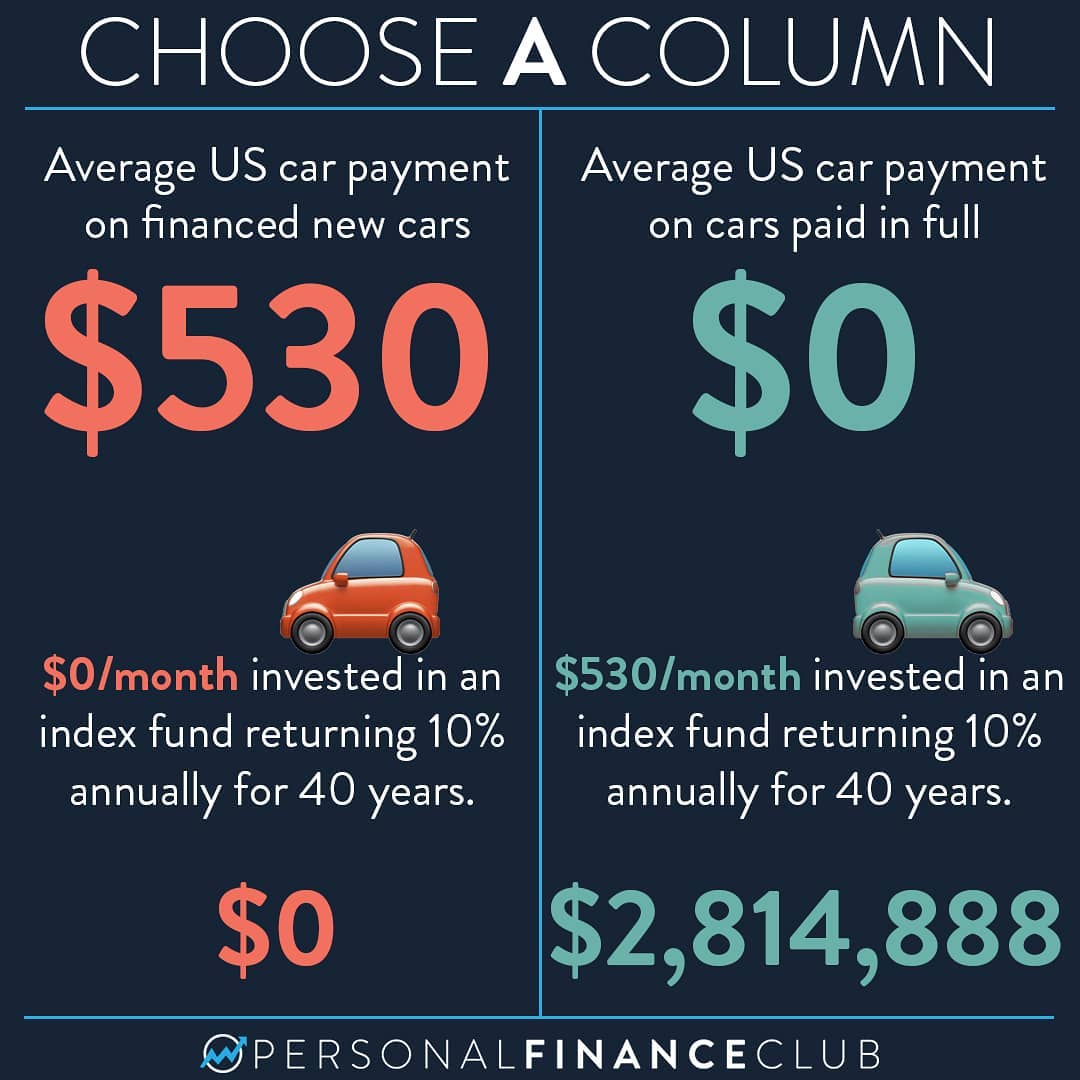
- Opportunity Cost: Consider what else you could do with the money tied up in a car payment. Could that money be invested for retirement, used to pay down higher-interest debt, or saved for a down payment on a house? Understanding this opportunity cost helps put the car payment into perspective and reinforces the importance of a wise purchase.
Avoiding the Car Payment Trap
Many individuals fall into the trap of focusing solely on the monthly payment without considering the total cost of ownership. Dealerships often leverage this by extending loan terms to make even expensive vehicles seem affordable.
- Don’t Just Focus on Monthly Payments: Always look at the total cost of the car, including interest, over the entire loan term. A lower monthly payment over 84 months might cost you significantly more in the long run than a higher monthly payment over 48 months.
- Resist Upselling: Be firm about what you need and what you can afford. Avoid unnecessary add-ons like extended warranties or expensive protective coatings that inflate your loan principal without providing equivalent value. If you need these, consider purchasing them separately or through a third party for better value.
- Regularly Review Your Financial Situation: Your income, expenses, and financial goals change over time. Periodically review your car payment and overall automotive expenses to ensure they still align with your current financial reality. This might involve considering refinancing or exploring options to pay off the loan early if your circumstances improve.
Navigating Your Automotive Investment Wisely
Understanding “what’s the average car payment” is merely the starting point. It’s a valuable metric that provides context but shouldn’t be the sole determinant of your automotive purchase. The true wisdom lies in dissecting the factors that contribute to this average, recognizing how they apply to your unique financial situation, and proactively strategizing to secure a payment that is not just affordable but also fiscally responsible.
From meticulously saving for a substantial down payment and diligently improving your credit score to exhaustively shopping for both the right vehicle and the most competitive loan rates, every decision plays a critical role. Remembering to budget beyond just the monthly payment – accounting for insurance, fuel, and maintenance – ensures a holistic and sustainable financial plan. Ultimately, the goal is not just to acquire a car, but to do so in a manner that supports your broader financial well-being, allowing you to enjoy your vehicle without compromising your journey towards financial freedom. By empowering yourself with knowledge and applying these insightful strategies, you can transform the often-daunting process of car buying into a confident and financially sound investment.
aViewFromTheCave is a participant in the Amazon Services LLC Associates Program, an affiliate advertising program designed to provide a means for sites to earn advertising fees by advertising and linking to Amazon.com. Amazon, the Amazon logo, AmazonSupply, and the AmazonSupply logo are trademarks of Amazon.com, Inc. or its affiliates. As an Amazon Associate we earn affiliate commissions from qualifying purchases.