
Navigating the world of car loans can feel like deciphering a complex financial puzzle. For many, a vehicle represents not just a mode of transport but a significant investment and a necessity for daily life. Understanding how much car loan you can realistically get approved for is a crucial first step, empowering you to approach dealerships with confidence, set realistic expectations, and avoid financial strain. This comprehensive guide will break down the key factors that lenders consider, providing you with the insights needed to determine your borrowing power and make informed decisions on your car-buying journey.
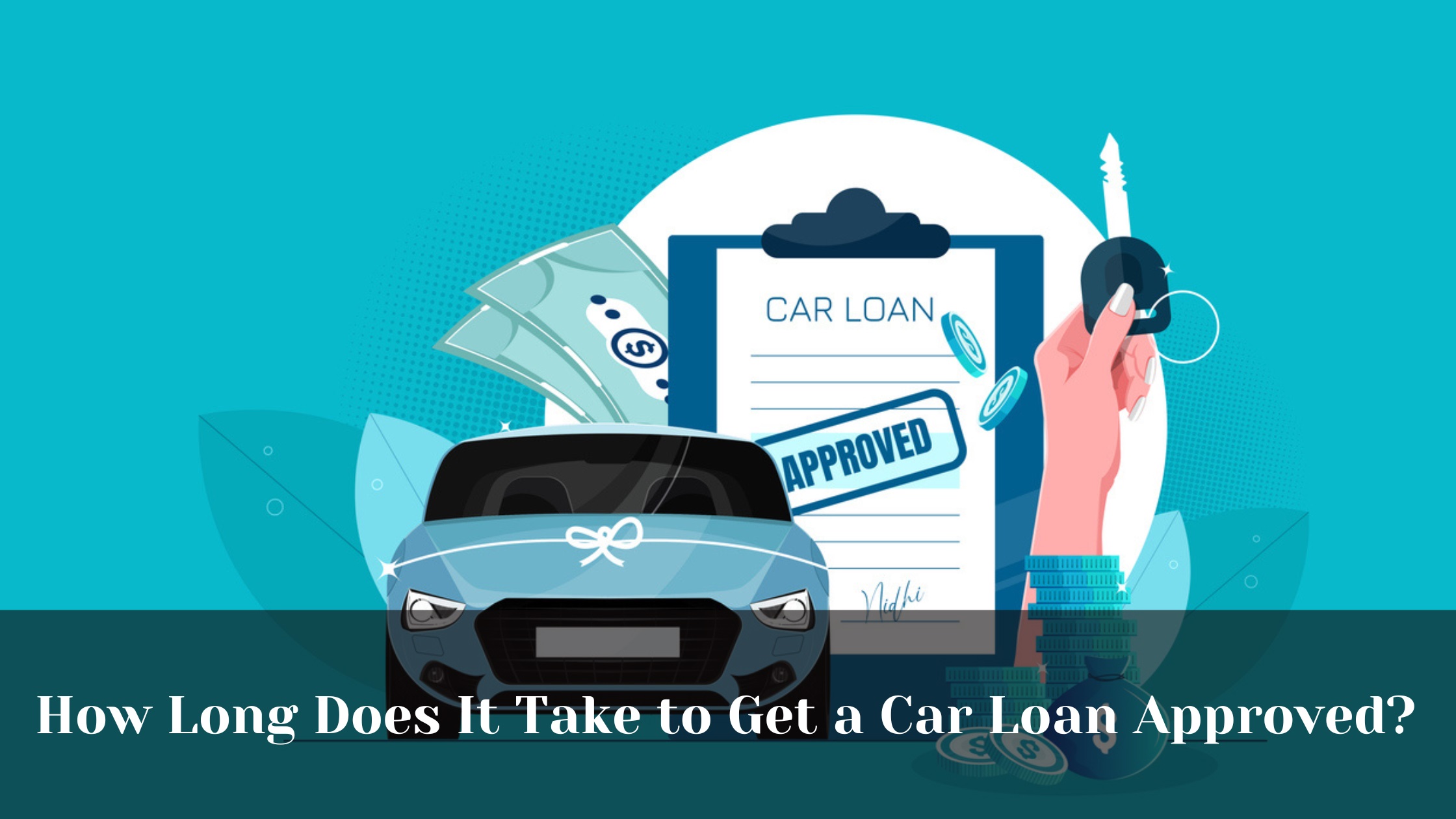
The approval amount for a car loan isn’t a one-size-fits-all figure; it’s a highly personalized calculation based on a confluence of financial indicators. Lenders assess your creditworthiness, capacity to repay, and the specifics of the vehicle you intend to purchase. By understanding these components, you can not only estimate your approval limits but also take proactive steps to improve your chances of securing favorable terms.
Understanding the Core Factors Influencing Your Approval
Before even looking at cars, it’s essential to understand how lenders view you as a borrower. Several fundamental financial metrics play a pivotal role in their decision-making process, directly impacting the loan amount and interest rate you’ll be offered.
Your Credit Score and History
Your credit score, often a FICO score, is arguably the single most important factor in determining your eligibility and the terms of your car loan. It’s a three-digit number that summarizes your credit risk based on your credit report. Lenders use it to predict how likely you are to repay your loan on time.
- FICO Score Ranges: Generally, a score of 700 or above is considered good, while scores above 750 are excellent, typically qualifying you for the best interest rates. Scores below 600 might still get approval but often come with higher interest rates to compensate for increased risk.
- Key Components of Your Credit History: Lenders look beyond just the score. They delve into your credit report to examine:
- Payment History: Your track record of paying bills on time is paramount. Late payments, defaults, or bankruptcies significantly damage your creditworthiness.
- Credit Utilization: How much of your available credit you’re using. Keeping this below 30% is generally recommended.
- Length of Credit History: A longer history with responsible usage demonstrates stability.
- New Credit: Too many recent credit applications can be a red flag.
- Credit Mix: Having a healthy mix of different credit types (e.g., credit cards, student loans, mortgage) can be beneficial.
- Improving Your Credit Score: If your score isn’t where you want it to be, taking steps like paying bills on time, reducing existing debt, and disputing errors on your credit report can make a significant difference over time. Reviewing your credit report from all three major bureaus (Experian, Equifax, Transunion) annually is a wise practice.
Debt-to-Income (DTI) Ratio
Your Debt-to-Income (DTI) ratio is a critical indicator of your ability to manage monthly payments. It’s a percentage that compares your total monthly debt payments to your gross monthly income. Lenders use DTI to ensure you aren’t overextending yourself financially.
- Calculation: To calculate your DTI, sum up all your monthly debt payments (e.g., mortgage/rent, credit card minimums, student loan payments, other car loans) and divide that by your gross monthly income (before taxes and deductions). For example, if your total monthly debt payments are $1,000 and your gross monthly income is $4,000, your DTI is 25% ($1,000 / $4,000 = 0.25).
- Lender Expectations: Most lenders prefer a DTI ratio of 36% or less, though some might approve loans for borrowers with DTIs up to 43% or even higher, especially if they have a strong credit score and a significant down payment. A lower DTI indicates that you have more disposable income available to comfortably cover your new car loan payment.
- Strategies to Lower DTI: Before applying for a car loan, consider paying down existing debts, especially those with high interest rates or large minimum payments. Increasing your income, if possible, would also help reduce your DTI.
Income and Employment Stability
Lenders want assurance that you have a consistent and sufficient income stream to make your monthly car loan payments. Your employment history provides insight into this stability.
- Proof of Stable Income: You’ll typically need to provide proof of income, such as recent pay stubs (usually the last two or three months), W-2 forms from previous years, or tax returns if you are self-employed. Lenders look for income that reliably covers the projected car payment plus all other existing obligations.
- Length of Employment: A stable employment history, generally two years or more with the same employer, signals reliability. Frequent job changes might raise questions about income consistency.
- Self-Employment Considerations: If you are self-employed, lenders will scrutinize your income more closely, often requiring two years of tax returns to verify consistent profitability and income levels. It’s crucial to have clear financial records.
The Role of the Vehicle and Loan Specifics
Beyond your personal financial profile, the characteristics of the car you wish to purchase and the terms of the loan itself significantly influence the approval process and the final loan amount.
Vehicle Type and Age
The car you choose isn’t just about personal preference; it’s a key factor in how much a lender is willing to finance.
- Impact on Loan Amount and Interest Rate: Lenders are often more willing to lend larger sums and offer lower interest rates for newer, more reliable vehicles. This is because newer cars tend to depreciate slower initially, have longer lifespans, and are less likely to incur major repair costs that could jeopardize your ability to make loan payments. Used cars, particularly older models, carry higher risk due to potential mechanical issues and faster depreciation, which can lead to higher interest rates or lower maximum loan amounts.
- New vs. Used Car Financing: Financing a brand-new car generally allows for longer loan terms and can sometimes qualify for promotional interest rates directly from manufacturers. Used car financing can be more challenging, with shorter terms and higher rates, though certified pre-owned (CPO) vehicles often bridge this gap with manufacturer-backed warranties and more favorable financing options.
- Loan-to-Value (LTV) Ratio: Lenders also consider the Loan-to-Value (LTV) ratio, which compares the loan amount to the car’s market value (or MSRP for new cars). If you’re borrowing more than the car is worth (a high LTV), it’s a riskier loan for the lender. A large down payment helps keep the LTV low.
Down Payment Amount
Making a down payment is one of the most effective ways to influence your loan approval and terms. It directly reduces the amount you need to borrow.
- How it Reduces the Loan Principal: A down payment acts as your equity in the car from day one, lowering the principal loan amount. This reduces your monthly payments and the total interest you’ll pay over the life of the loan.
- Benefits of a Larger Down Payment:
- Lower Monthly Payments: Less borrowed means smaller installments.
- Less Total Interest Paid: You’re accruing interest on a smaller principal.
- Reduced Risk for Lender: A larger down payment demonstrates your commitment and reduces the lender’s exposure should you default, making them more likely to approve your loan at better terms.
- Positive Equity Sooner: It helps prevent being “upside down” on your loan (owing more than the car is worth), which is common with new cars due to immediate depreciation.
- Recommended Down Payment Percentages: While there’s no strict rule, a common recommendation is to put down at least 10-20% for a new car and 20% or more for a used car. If you can afford more, it’s almost always a good financial move.
Loan Term and Interest Rate
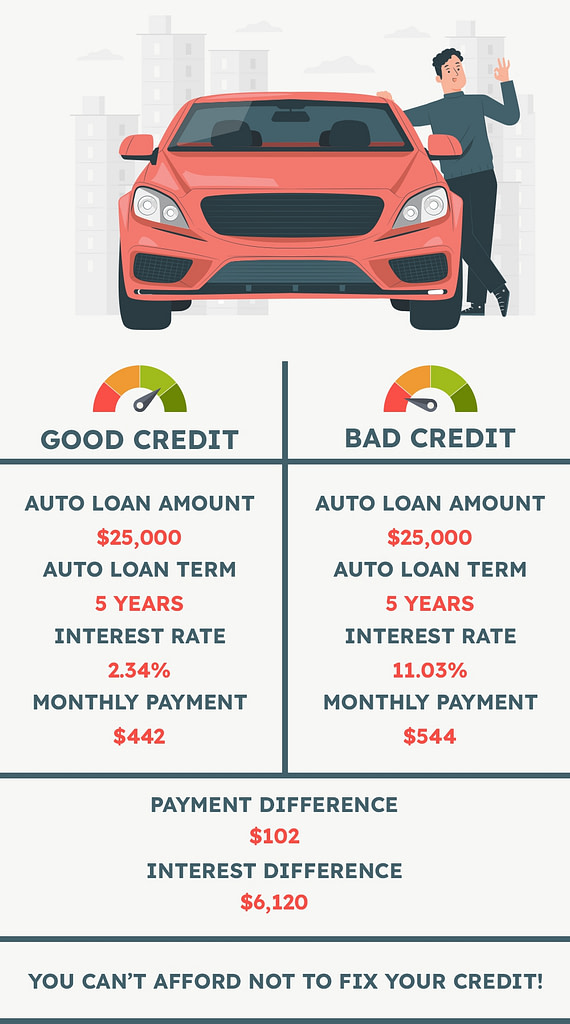
The length of your loan and the interest rate attached to it are critical components of your loan approval, impacting both your monthly payment and the total cost of borrowing.
- Impact of Loan Duration:
- Shorter Terms (e.g., 36-48 months): Result in higher monthly payments but significantly lower total interest paid over the life of the loan. They also allow you to pay off the car faster and build equity more quickly.
- Longer Terms (e.g., 60-84 months): Offer lower monthly payments, making the car seem more affordable in the short term. However, you’ll pay substantially more in total interest and risk being upside down on your loan for a longer period. While a longer term might help with approval by reducing the monthly burden, lenders will assess if the extended term aligns with the car’s expected lifespan and value.
- Understanding APR: The Annual Percentage Rate (APR) is the true cost of borrowing, expressed as a yearly percentage. It includes the interest rate plus any fees associated with the loan. A lower APR means a cheaper loan. Your credit score, DTI, and the prevailing market rates all influence the APR you’ll be offered. Even a small difference in APR can translate into hundreds or thousands of dollars over the life of the loan.
The Application Process: Steps to Maximize Your Approval Odds
Once you understand the underlying factors, preparing for the application process becomes straightforward. Taking a strategic approach can significantly improve your chances of approval and help you secure the best possible loan terms.
Pre-Approval vs. Dealer Financing
One of the most powerful tools in your car-buying arsenal is getting pre-approved for a loan before you step foot in a dealership.
- Advantages of Pre-Approval:
- Know Your Budget: You’ll know exactly how much you can borrow, allowing you to focus on cars within your price range.
- Negotiating Power: With pre-approval in hand, you become a cash buyer, giving you leverage to negotiate the car’s price without feeling pressured into dealer financing.
- Compare Offers: You can compare your pre-approved rate with any financing offers from the dealership, ensuring you get the best deal.
- Streamlined Process: It speeds up the purchase process at the dealership.
- Impact on Credit (Hard Inquiry): Be aware that a pre-approval involves a “hard inquiry” on your credit report, which can temporarily ding your score by a few points. However, credit scoring models typically treat multiple inquiries for the same type of loan (e.g., car loans) within a short window (usually 14-45 days) as a single inquiry, so it’s wise to shop for rates within a concentrated period.
Gathering Required Documentation
Having your documents ready expedites the loan application process and demonstrates your preparedness to lenders.
- Proof of Income: Recent pay stubs (2-3 months), W-2 forms, or two years of tax returns for self-employed individuals.
- Proof of Residence: Utility bill, lease agreement, or mortgage statement.
- Identification: Valid government-issued ID (driver’s license).
- Social Security Number: For credit checks.
- Trade-in Details (if applicable): Title or registration for your current vehicle, along with any existing loan information.
Understanding Loan Offers and Terms
Once you receive loan offers, whether from a bank, credit union, or dealership, it’s crucial to review them meticulously.
- Reading the Fine Print: Don’t just look at the monthly payment. Scrutinize the APR, the total cost of the loan (principal + interest + fees), the loan term, and any prepayment penalties.
- Total Cost of the Loan: Calculate the total amount you’ll pay over the life of the loan. This often reveals the true affordability beyond just the monthly payment.
- Hidden Fees: Be wary of excessive or unclear fees. Ask for an itemized breakdown of all costs.
- Contingencies: Understand any conditions of the loan approval.
Beyond Approval: Smart Car Loan Management
Getting approved is a significant hurdle cleared, but responsible car ownership extends beyond the initial purchase. Smart financial management of your car loan can save you money and protect your credit for future endeavors.
Budgeting for Your Car Loan
A common mistake is focusing solely on the monthly car payment. A car comes with numerous ongoing expenses that must be factored into your budget.
- Beyond the Monthly Payment:
- Car Insurance: This can be a substantial monthly cost, varying widely based on your vehicle, driving record, age, and location. Get quotes before buying.
- Maintenance and Repairs: All cars require routine maintenance (oil changes, tire rotations) and can incur unexpected repairs. Allocate funds for these.
- Fuel Costs: Consider your commute and the car’s fuel efficiency.
- Registration and Taxes: Annual fees are mandatory.
- Creating a Realistic Budget: Use a budgeting tool or spreadsheet to map out all your monthly income and expenses. Ensure the total cost of car ownership fits comfortably within your budget without jeopardizing other financial goals or necessities. A general rule of thumb is that your total car expenses (payment, insurance, fuel, maintenance) shouldn’t exceed 10-15% of your gross monthly income.
Managing Your Loan Post-Purchase
Your financial responsibility doesn’t end after you drive off the lot. Proactive loan management can lead to significant savings.
- Making Timely Payments: This is paramount for maintaining a good credit score and avoiding late fees. Set up automatic payments to ensure you never miss a due date.
- Refinancing Options: If your credit score improves significantly after you’ve had the loan for a while, or if interest rates drop, you might be able to refinance your car loan for a lower interest rate, reducing your monthly payment or the total interest paid.
- Early Repayment Benefits: If your loan doesn’t have prepayment penalties, making extra payments or rounding up your monthly payment can help you pay off the loan faster, saving you a considerable amount in interest. Always confirm with your lender that extra payments will be applied directly to the principal.
Conclusion
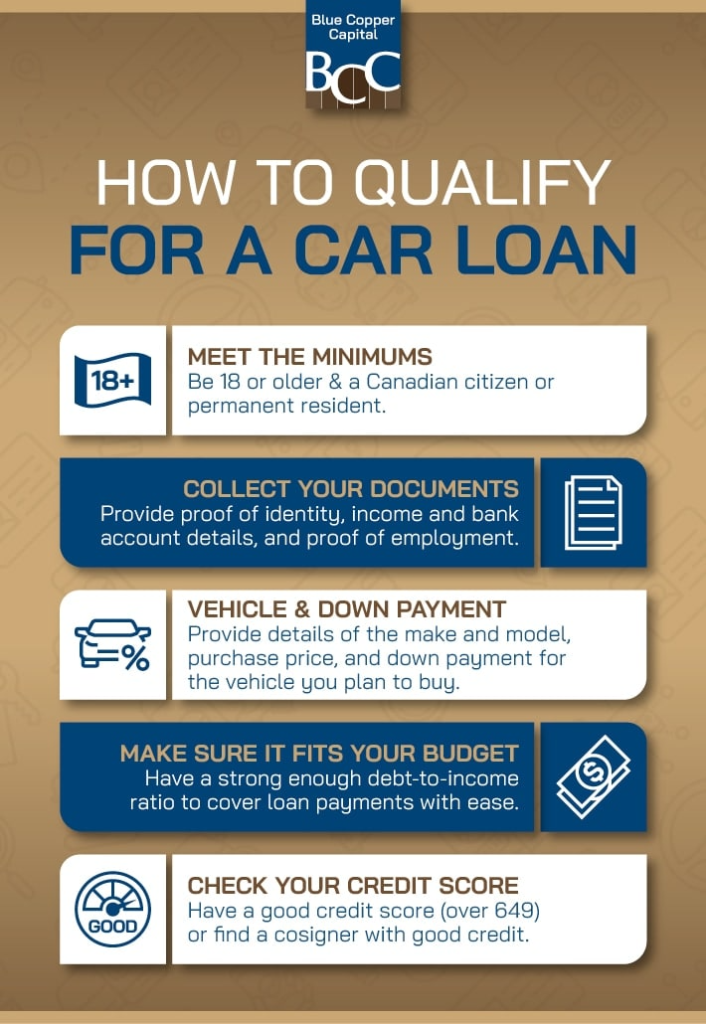
Understanding how much car loan you can get approved for is a proactive step toward responsible vehicle ownership. It requires a thorough assessment of your financial health, including your credit score, DTI ratio, and income stability, combined with an awareness of how the chosen vehicle and loan terms impact the lending decision. By preparing diligently, getting pre-approved, meticulously reviewing loan offers, and budgeting for all associated costs, you can secure a car loan that aligns with your financial capabilities and helps you achieve your transportation goals without undue stress. Remember, knowledge is power, and in the world of personal finance, it’s the key to driving smart decisions.
aViewFromTheCave is a participant in the Amazon Services LLC Associates Program, an affiliate advertising program designed to provide a means for sites to earn advertising fees by advertising and linking to Amazon.com. Amazon, the Amazon logo, AmazonSupply, and the AmazonSupply logo are trademarks of Amazon.com, Inc. or its affiliates. As an Amazon Associate we earn affiliate commissions from qualifying purchases.