
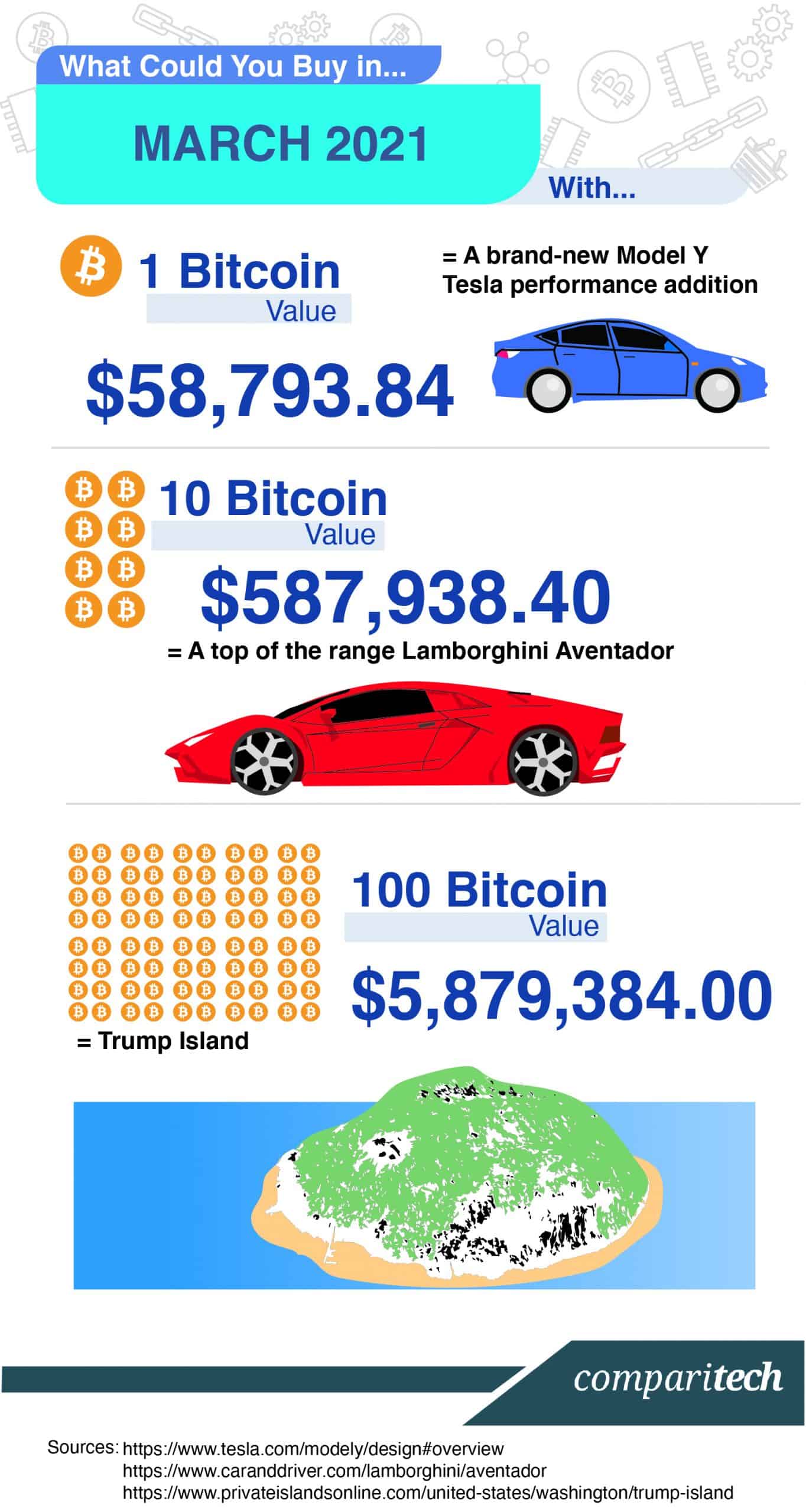
In the dynamic world of digital assets, understanding the value of even a fraction of a cryptocurrency like Bitcoin is crucial for investors, enthusiasts, and curious minds alike. The question “how much is 0.01 Bitcoin?” might seem simple, yet its answer is anything but static, reflecting the intricate interplay of market forces, technological developments, and global economic sentiment. For anyone considering an entry into the crypto space, or simply seeking to comprehend the magnitude of this pioneering digital currency, grasping the current and potential value of even a small holding is fundamental. This article delves into the financial implications of owning 0.01 Bitcoin, exploring the factors that dictate its worth, how to ascertain its real-time value, and what it means from a personal finance and investment perspective.

Understanding Bitcoin’s Dynamic Value
Bitcoin, since its inception in 2009, has distinguished itself as a truly unique asset, defying traditional financial norms with its decentralized nature and limited supply. Unlike fiat currencies, its value is not tethered to a central bank or government, but rather to the collective trust and utility derived from its underlying blockchain technology and widespread adoption. This decentralized characteristic is precisely what makes its price so volatile and fascinating.
The Basics of Bitcoin Price Discovery
The price of Bitcoin, much like any other traded asset, is primarily determined by supply and demand dynamics on global cryptocurrency exchanges. When demand for Bitcoin outweighs its available supply, the price tends to rise. Conversely, if more people are looking to sell than buy, the price will typically fall. This constant tug-of-war between buyers and sellers, occurring 24/7 across numerous exchanges worldwide, results in the continuous fluctuation we observe in Bitcoin’s price. Factors such as newsworthy events, regulatory updates, technological advancements within the Bitcoin network, and even broader macroeconomic trends can significantly impact this balance, leading to rapid price movements that can swing its value by substantial percentages within short periods.
Real-Time Valuation: How to Check the Price of 0.01 BTC
Given Bitcoin’s inherent volatility, stating a fixed value for 0.01 BTC at any given moment is impossible. Its price changes by the second. To ascertain the precise value of 0.01 Bitcoin, you need to consult real-time market data. This typically involves a straightforward calculation: multiplying the current market price of one full Bitcoin by 0.01.
For example, if one Bitcoin (BTC) is trading at $65,000, then 0.01 BTC would be worth:
$65,000 * 0.01 = $650.
If the price of one BTC rises to $70,000, then 0.01 BTC would be worth:
$70,000 * 0.01 = $700.
This simple multiplication underscores the direct correlation between the value of a full Bitcoin and any fractional amount you hold.
The Role of Exchanges and Market Data
To find the most up-to-date price, you’ll rely on reputable cryptocurrency exchanges and financial data websites. Platforms like Coinbase, Binance, Kraken, and many others provide live price feeds. Financial news sites and dedicated crypto analytics platforms (e.g., CoinMarketCap, CoinGecko) aggregate data from multiple exchanges, offering a comprehensive view of Bitcoin’s global average price, trading volume, and market capitalization. These resources are indispensable for investors looking to make informed decisions, as they provide not just the current price, but also historical data, charts, and news that can influence future movements. Understanding how to navigate these platforms is a foundational skill for anyone engaging with cryptocurrency as a financial asset.
Key Factors Influencing Bitcoin’s Price
The journey of Bitcoin’s price has been a rollercoaster, marked by meteoric rises and sharp corrections. Understanding the underlying drivers of these movements is critical for anyone assessing the financial implications of holding even a small fraction like 0.01 BTC. These factors span economic, technological, and psychological dimensions, making Bitcoin an intriguing, albeit complex, asset to evaluate.
Supply, Demand, and Scarcity
At its core, Bitcoin’s value is heavily influenced by the fundamental economic principles of supply and demand. What makes Bitcoin unique is its hard-coded scarcity. The total supply of Bitcoin is capped at 21 million coins, a limit enforced by its protocol. Furthermore, new Bitcoins are introduced into circulation through a process called mining, with the reward for miners halving approximately every four years (an event known as the Bitcoin Halving). This programmed scarcity, combined with increasing demand as more individuals and institutions adopt Bitcoin, creates upward pressure on its price. The less available a desirable asset is, the more valuable it becomes, assuming consistent or rising demand. Even 0.01 BTC benefits directly from this scarcity model.
Market Sentiment and Investor Behavior
Perhaps one of the most significant, and often unpredictable, drivers of Bitcoin’s price is market sentiment. Cryptocurrency markets are highly susceptible to “fear of missing out” (FOMO) during bull runs and “fear, uncertainty, and doubt” (FUD) during downturns. News headlines, social media trends, celebrity endorsements, and even rumors can trigger significant buying or selling frenzies. Institutional adoption, such as investment by major corporations or the launch of Bitcoin-backed ETFs, can generate positive sentiment and draw in substantial capital, driving prices higher. Conversely, regulatory crackdowns, security breaches on exchanges, or negative media coverage can quickly erode confidence, leading to sell-offs. This emotional aspect of the market means that the value of 0.01 BTC can be significantly swayed by collective investor psychology.
Regulatory Landscape and Geopolitical Events
Governments and financial regulators worldwide are still grappling with how to classify and oversee cryptocurrencies. Announcements regarding new regulations—whether favorable or restrictive—can have an immediate and profound impact on Bitcoin’s price. For example, a country recognizing Bitcoin as legal tender or approving a new investment vehicle can send prices soaring, while a ban on crypto trading or mining can cause sharp declines. Geopolitical events, such as international conflicts, economic sanctions, or shifts in global monetary policy, also play a role. In times of economic uncertainty or currency devaluation, some investors may turn to Bitcoin as a “safe haven” asset, much like gold, perceiving it as a hedge against inflation or instability. This perception can boost demand and, consequently, its price.
Technological Advancements and Network Upgrades
The underlying technology of Bitcoin is constantly evolving. While Bitcoin’s core protocol is designed for stability, network upgrades (like the Taproot upgrade) and layer-two solutions (like the Lightning Network) aim to improve its efficiency, scalability, and functionality. Successful implementation of such advancements can enhance Bitcoin’s utility and appeal, thereby increasing demand and price. Conversely, any perceived vulnerabilities in the network’s security or significant technical setbacks could undermine confidence and negatively affect its value. Furthermore, the energy consumption associated with Bitcoin mining has become a talking point, and efforts to transition to more sustainable energy sources or efficient mining practices could influence public perception and institutional investment.
Macroeconomic Trends and Inflation
In recent years, Bitcoin has increasingly shown correlation with traditional financial markets, particularly tech stocks. Global macroeconomic conditions, such as interest rate hikes, inflation rates, and the overall health of the global economy, can influence investor appetite for riskier assets like Bitcoin. During periods of high inflation, some view Bitcoin as a potential store of value, similar to gold, which can attract capital. Conversely, when central banks adopt hawkish monetary policies to combat inflation, it can lead to a reduction in liquidity and a general de-risking by investors, potentially pulling down Bitcoin’s price alongside other speculative assets. The interplay between Bitcoin and these broader economic forces adds another layer of complexity to its valuation.
Is 0.01 Bitcoin a Significant Investment?
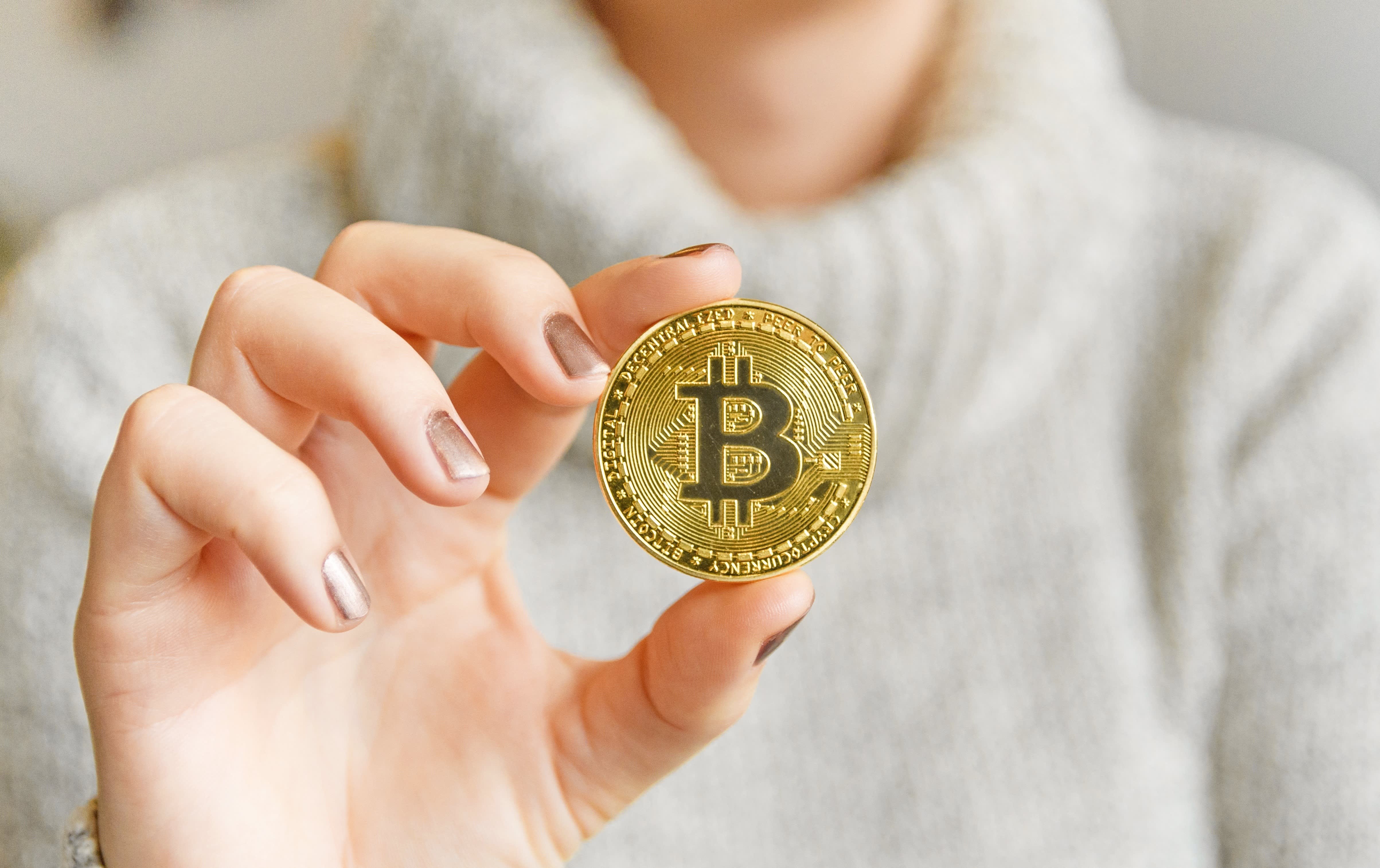
While 0.01 Bitcoin might seem like a small amount when compared to the full coin, its significance as an investment depends entirely on one’s perspective, financial goals, and the future trajectory of Bitcoin itself. In the world of finance, even fractional ownership of a high-value asset can be a strategic move.
Bitcoin’s Divisibility: Beyond Whole Coins
One of Bitcoin’s most ingenious features is its divisibility. A single Bitcoin can be divided into 100 million smaller units, each called a Satoshi (named after Bitcoin’s pseudonymous creator, Satoshi Nakamoto). This means 0.01 Bitcoin is equal to 1,000,000 Satoshis. This high degree of divisibility is crucial because it makes Bitcoin accessible to everyone, regardless of their budget. You don’t need to buy a whole Bitcoin to participate; you can invest as little as a few dollars, purchasing a corresponding amount of Satoshis. This granular divisibility allows for micro-transactions and also lowers the barrier to entry for investors, making it possible for individuals to accumulate fractional amounts over time.
The Power of Small Investments
Even 0.01 Bitcoin, representing a modest initial outlay for many, can be a significant investment when viewed through the lens of long-term growth potential. Historically, Bitcoin has demonstrated extraordinary price appreciation, making even small early investments grow substantially. While past performance is not indicative of future results, the possibility of future growth means that 0.01 BTC could appreciate considerably, especially if Bitcoin achieves broader mainstream adoption and becomes a more integral part of the global financial system. For individuals employing a dollar-cost averaging strategy—investing a fixed amount regularly regardless of price—accumulating 0.01 BTC might be an initial target or a stepping stone towards a larger holding. It’s an accessible entry point that allows investors to gain exposure to the asset class without committing a large sum upfront.
Risk and Reward in Cryptocurrency Investing
Like all investments, particularly those in nascent and volatile markets, investing in 0.01 Bitcoin carries both significant risks and potential rewards. The primary reward is the potential for substantial capital appreciation if Bitcoin’s value continues to rise over time. Many proponents believe Bitcoin will continue its upward trend due to its limited supply, increasing utility, and growing acceptance as a store of value and medium of exchange.
However, the risks are equally pronounced. Bitcoin’s price volatility means that the value of 0.01 BTC can drop significantly and rapidly. Regulatory uncertainty, technological obsolescence (though less likely for Bitcoin given its network effects), security risks (e.g., wallet hacks, exchange failures), and competition from other cryptocurrencies are all factors that could negatively impact its value. Therefore, any investment in Bitcoin, regardless of size, should be considered speculative. It is crucial for investors to conduct thorough research, understand their risk tolerance, and never invest more than they can afford to lose. Treating 0.01 BTC as a part of a diversified investment portfolio, rather than a sole investment, is often a prudent approach for managing risk.
Practical Considerations for Aspiring Bitcoin Holders
Beyond understanding its current valuation and future potential, practical aspects of acquiring, managing, and accounting for your 0.01 Bitcoin are essential. Navigating the operational side of cryptocurrency ownership requires attention to detail and awareness of the financial ecosystem it operates within.
Acquiring and Storing Your Bitcoin
The most common way to acquire 0.01 Bitcoin (or any fraction thereof) is through a reputable cryptocurrency exchange. These platforms allow you to convert fiat currency (like USD, EUR, GBP) into Bitcoin. When choosing an exchange, consider factors such as security features, trading fees, ease of use, and regulatory compliance. Once acquired, your Bitcoin needs to be stored securely. Exchanges offer custodial wallets, where they hold your private keys, but for greater control and security, many opt for non-custodial wallets. These include hardware wallets (physical devices like Ledger or Trezor for cold storage) or software wallets (desktop or mobile applications) that give you full control over your private keys. For an amount like 0.01 BTC, a balance between convenience and security is often sought, with many comfortable using well-established exchange wallets or mobile software wallets.
Understanding Transaction Costs
When buying, selling, or transferring Bitcoin, you will encounter transaction fees. These fees typically comprise two components: exchange fees and network (miner) fees. Exchange fees are charged by the platform for facilitating the trade and can vary based on trading volume or VIP tiers. Network fees, on the other hand, are paid to the Bitcoin miners who process and validate transactions on the blockchain. These fees fluctuate based on network congestion; during peak times, fees can be higher as users bid more to have their transactions prioritized. While 0.01 BTC is a relatively small amount, it’s important to be aware that transaction fees can sometimes represent a significant percentage of smaller transactions, particularly network fees during periods of high demand. Always check the estimated fees before initiating any transaction.
Tax Implications of Cryptocurrency Holdings
In many jurisdictions, cryptocurrencies are treated as property for tax purposes, not as currency. This means that buying and holding Bitcoin generally doesn’t trigger a taxable event. However, selling Bitcoin for a profit, exchanging it for another cryptocurrency, or using it to pay for goods and services can trigger capital gains or income tax liabilities, depending on your local regulations. For example, if you bought 0.01 BTC for $500 and later sold it for $700, you would realize a $200 capital gain, which might be taxable. It is crucial to keep meticulous records of all your cryptocurrency transactions, including dates, amounts, prices, and associated fees. Consulting with a tax professional who specializes in cryptocurrency is highly recommended to ensure compliance with local tax laws and to understand your obligations regarding your 0.01 BTC and any other crypto holdings.
The Future Outlook for Bitcoin and Your 0.01 BTC
The journey of Bitcoin has been nothing short of revolutionary, and its future trajectory continues to be a subject of intense debate and speculation. For holders of even a modest 0.01 BTC, understanding this potential future is key to appreciating the long-term financial implications of their investment.
Continued Adoption and Institutional Interest
One of the most compelling arguments for Bitcoin’s continued growth lies in its expanding adoption. We’ve witnessed a significant shift from a niche internet phenomenon to a recognized global asset class. Retail investors continue to pour into the market, but crucially, institutional interest has surged. Major financial institutions, corporations, and even some sovereign nations are increasingly exploring or integrating Bitcoin into their strategies, either as a treasury asset, an investment vehicle, or a payment rail. The approval of spot Bitcoin Exchange-Traded Funds (ETFs) in various regions marks a significant milestone, providing traditional investors with an easier, regulated pathway to gain exposure to Bitcoin. This institutional validation and broader acceptance are likely to drive further demand, enhancing liquidity and potentially pushing its price higher.
The Potential for Long-Term Growth
Despite its past volatility, many analysts and investors maintain a bullish long-term outlook for Bitcoin. Proponents often point to its fixed supply, its role as a hedge against inflation, and its potential to disrupt traditional financial systems as reasons for its anticipated growth. As the world becomes increasingly digital, and trust in centralized financial authorities potentially wanes, Bitcoin’s decentralized, immutable, and transparent nature could cement its position as a global digital store of value. While there will undoubtedly be bumps along the road, the long-term vision for Bitcoin sees it evolving into a more stable and widely integrated asset. For those holding 0.01 BTC, this means their fractional share could become substantially more valuable over decades, reflecting Bitcoin’s journey towards fulfilling its potential as “digital gold” or even a global reserve asset.
Navigating Volatility: A Prudent Approach
While the long-term outlook may be optimistic, it’s imperative for investors to remain pragmatic and prepared for continued volatility. Bitcoin’s price swings are a defining characteristic, influenced by the complex interplay of factors discussed earlier. For those holding 0.01 BTC, it means understanding that the dollar value of their investment can fluctuate significantly from day to day, or even hour to hour. A prudent approach involves:
- Long-Term Horizon: Focusing on Bitcoin’s long-term potential rather than short-term price movements.
- Dollar-Cost Averaging: Continuously investing a fixed amount regularly to mitigate the impact of volatility.
- Risk Management: Never investing funds that are critical for immediate needs and diversifying across different asset classes.
- Continuous Education: Staying informed about market developments, regulatory changes, and technological advancements.
Ultimately, the question of “how much is 0.01 Bitcoin” goes beyond a simple monetary value. It touches upon the broader narrative of digital finance, decentralization, and the future of money itself. For those who choose to hold even this fractional amount, it represents an investment not just in a digital asset, but in a burgeoning technological and financial revolution.
aViewFromTheCave is a participant in the Amazon Services LLC Associates Program, an affiliate advertising program designed to provide a means for sites to earn advertising fees by advertising and linking to Amazon.com. Amazon, the Amazon logo, AmazonSupply, and the AmazonSupply logo are trademarks of Amazon.com, Inc. or its affiliates. As an Amazon Associate we earn affiliate commissions from qualifying purchases.