
The question “how much is it to buy a Bitcoin” is often one of the first inquiries posed by individuals entering the cryptocurrency space. It’s a seemingly simple question with a complex answer, revealing the nuanced layers of digital asset valuation, market dynamics, and personal financial strategy. Unlike traditional assets with a fixed face value, Bitcoin’s price is a constantly moving target, determined by a global marketplace operating 24/7. This article will delve deep into what it truly costs to acquire Bitcoin, moving beyond the mere spot price to encompass transaction fees, security considerations, and the broader financial implications for investors.
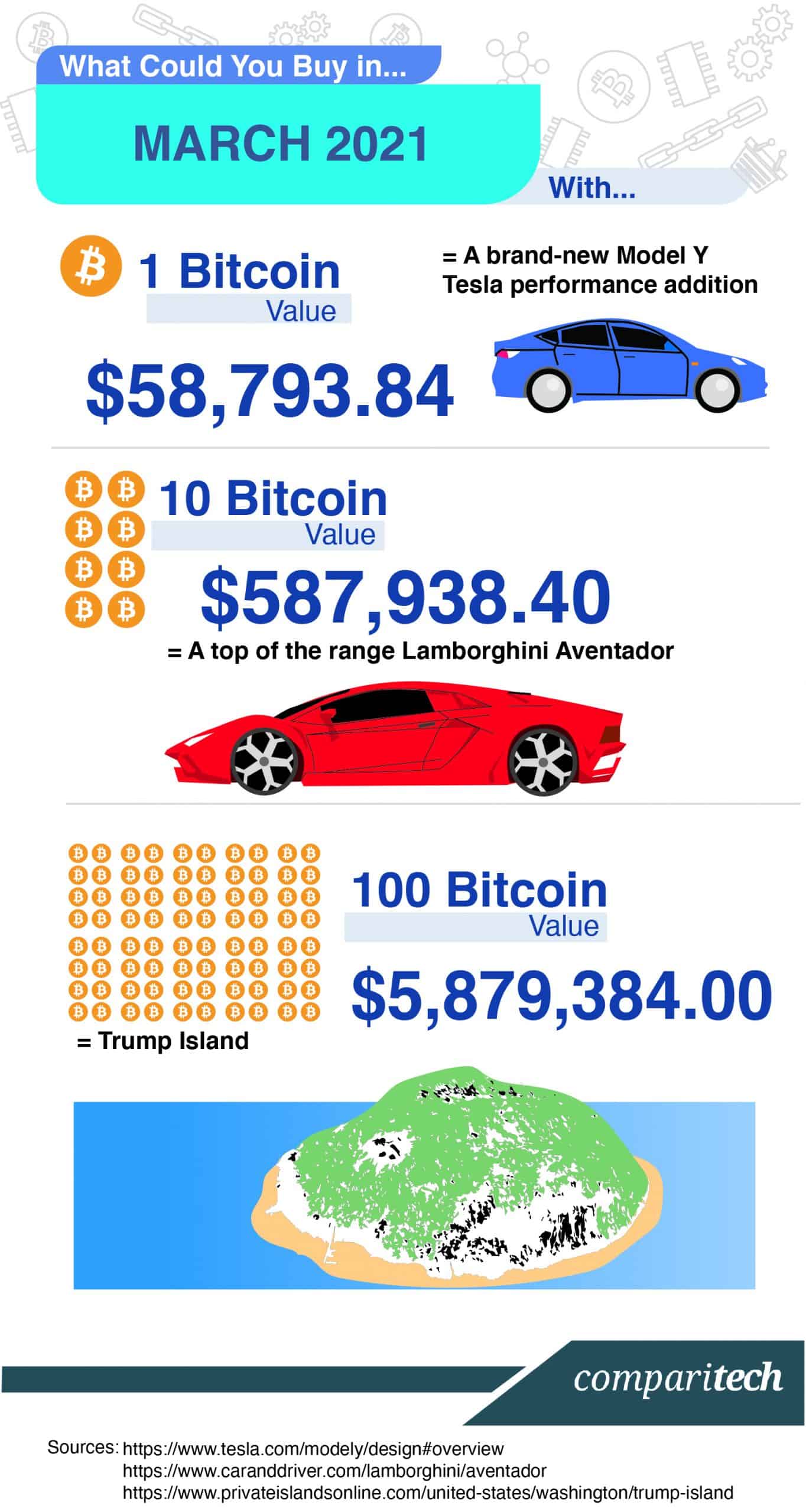
Demystifying Bitcoin’s Price Tag: More Than Just a Number
At its core, understanding the cost of Bitcoin requires an appreciation of how its value is derived and why it fluctuates so dramatically. It’s not a static commodity but a dynamic digital asset influenced by a myriad of factors.
The Dynamics of Market Valuation
Bitcoin’s price is fundamentally determined by supply and demand, much like any other market asset. However, given its decentralized nature and global accessibility, these forces operate on an unprecedented scale. When demand outstrips the available supply on exchanges, the price rises. Conversely, an influx of sellers exceeding buyer interest will drive the price down. This continuous interplay creates the volatility that is both a defining characteristic and a significant risk factor for Bitcoin.
The total supply of Bitcoin is capped at 21 million coins, making it a scarce asset. This scarcity, combined with increasing adoption and perceived utility, forms the bedrock of its long-term value proposition. However, short-term price movements are often driven by sentiment, news, and macroeconomic events, leading to significant swings that can be both exhilarating and alarming for investors.
Key Determinants of Bitcoin’s Fluctuation
Several factors contribute to Bitcoin’s often dramatic price movements. Understanding these can help investors contextualize the “cost” of entry at any given moment.
- Market Demand and Adoption: The increasing number of individuals, institutions, and even corporations integrating Bitcoin into their treasuries or payment systems directly impacts demand. Higher adoption translates to greater utility and, theoretically, a higher price.
- Macroeconomic Factors: Global economic conditions, inflation rates, interest rate changes by central banks, and geopolitical events all play a significant role. When traditional markets show instability, some investors turn to Bitcoin as a hedge against inflation or a “safe haven” asset, driving up its price. Conversely, a strong dollar or stable traditional markets might reduce its appeal.
- Regulatory News: Government regulations, or even rumors of them, can have a profound impact. Positive regulatory clarity (e.g., approval of Bitcoin ETFs) tends to boost confidence and price, while restrictive measures (e.g., bans or severe taxation) can trigger sell-offs.
- Technological Developments: Upgrades to the Bitcoin network (though rare for the core protocol), advancements in scaling solutions (like the Lightning Network), or innovations in the broader crypto ecosystem can enhance Bitcoin’s utility and attract more users, influencing its valuation.
- Media Sentiment and Speculation: Bitcoin’s price is highly sensitive to news cycles, social media trends, and analyst predictions. Favorable media coverage or bullish price targets can fuel speculative buying, while negative narratives can quickly lead to panic selling.
- Halving Events: Approximately every four years, the reward for mining new Bitcoin blocks is halved. This reduces the rate at which new Bitcoin enters circulation, effectively creating a supply shock that has historically preceded significant price rallies.
Considering these factors, the “cost” to buy Bitcoin is never fixed. It’s a real-time reflection of these complex dynamics, making market timing a critical, though challenging, aspect of investment.
Navigating the Purchase Process: Understanding Your Investment Outlay
Beyond the fluctuating spot price, the actual act of buying Bitcoin involves several transactional costs that prospective investors must account for. These fees can vary significantly depending on the platform and method used.
Choosing Your On-Ramp: Exchanges and Brokers
The primary method for buying Bitcoin is through cryptocurrency exchanges or brokers. These platforms act as intermediaries, facilitating the purchase and sale of digital assets.
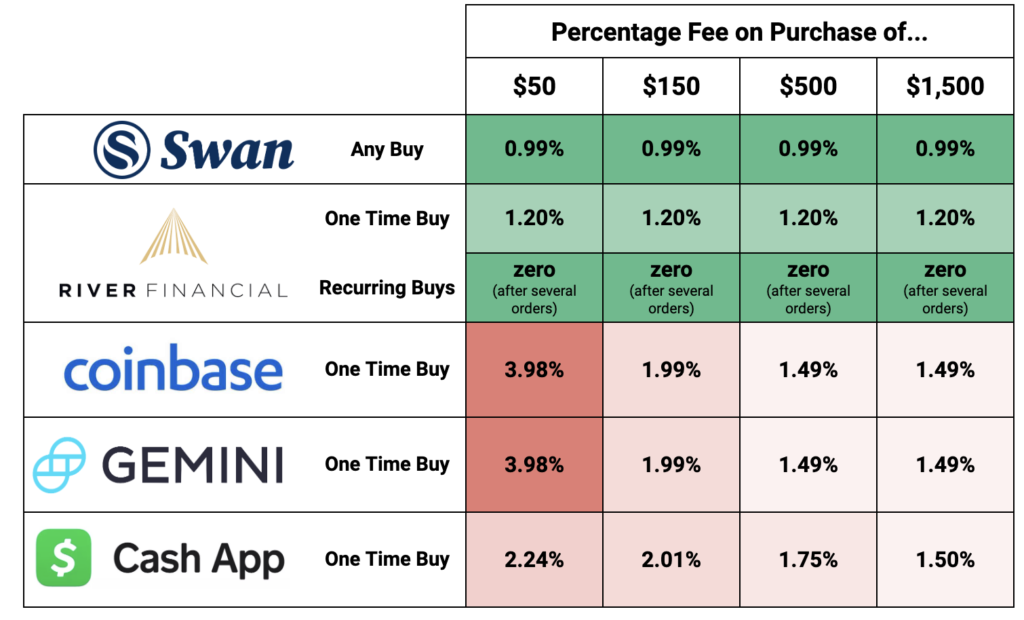
- Centralized Exchanges (CEXs): Platforms like Coinbase, Binance, Kraken, and Gemini are the most popular options. They offer high liquidity, robust security features (though not impervious to attack), and user-friendly interfaces. However, they typically charge various fees:
- Trading Fees: These are charged for executing a buy or sell order. They can be a percentage of the transaction volume (e.g., 0.1% to 1.5%) and often decrease with higher trading volume. Some exchanges use a “maker-taker” model, where fees differ for orders that add liquidity to the order book (makers) versus those that take liquidity (takers).
- Deposit Fees: While many exchanges offer free fiat deposits via bank transfer (ACH/SEPA), using debit/credit cards or wire transfers often incurs a percentage-based fee (e.g., 1.5% to 5%).
- Withdrawal Fees: These are charged when you move your Bitcoin from the exchange to an external wallet. These fees are typically fixed amounts in BTC and cover the blockchain network fee, plus a small premium for the exchange’s service.
- Decentralized Exchanges (DEXs): While primarily for trading altcoins, some DEXs allow for peer-to-peer Bitcoin swaps, often involving wrapped Bitcoin (WBTC) on other blockchains. Fees here are typically related to blockchain network fees (gas fees) and a small protocol fee. The complexity is generally higher for beginners.
- Bitcoin ATMs: These machines allow you to buy Bitcoin with cash. They are convenient but often charge significantly higher fees (e.g., 5% to 15% or more) compared to online exchanges.
- Peer-to-Peer (P2P) Platforms: Platforms like LocalBitcoins (before its shutdown) or Paxful connect buyers and sellers directly. Fees can vary widely, sometimes none if negotiated directly, but there’s a higher risk profile for scams if not careful.
The choice of platform significantly impacts the overall cost. For most beginners, a reputable centralized exchange offers the best balance of ease of use, security, and competitive fees.
Transaction Fees: The Unavoidable Costs
Beyond the exchange’s specific charges, there’s a fundamental cost inherent to the Bitcoin network itself.
- Network Fees (Miner Fees): When you send Bitcoin from one wallet to another, a transaction fee is paid to the Bitcoin miners who process and confirm your transaction. This fee is not paid to the exchange but is part of the cost of using the blockchain. The fee amount depends on network congestion and the size of your transaction in bytes (not the value). During peak times, these fees can surge significantly, impacting the effective cost of transferring your Bitcoin. Exchanges typically pass this cost on to you, sometimes with a small mark-up.
- Spread: On some platforms, especially brokerage services or “instant buy” features, you might encounter a “spread.” This is the difference between the buy price and the sell price offered by the platform, which is wider than the actual market price. The spread acts as an indirect fee, as you’re buying at a slightly higher price than the true market value.
Understanding and comparing these fee structures across different platforms is crucial for minimizing your investment outlay.
The Nuance of Partial Ownership: Buying Satoshis
A common misconception is that one must purchase an entire Bitcoin. Given its high price point, this is often out of reach for many individual investors. Fortunately, Bitcoin is divisible into 100 million smaller units called “satoshis” (sats).
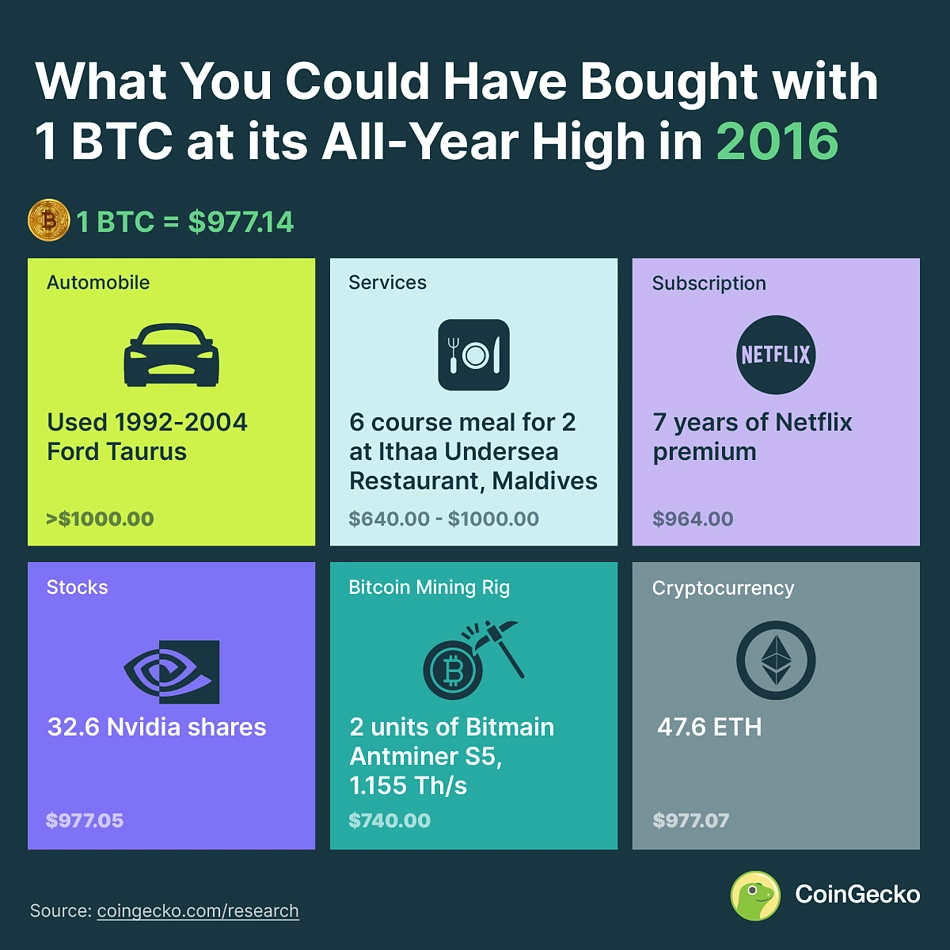
This means you can buy a fraction of a Bitcoin, for instance, $50 worth or $100 worth, regardless of the current price of a full Bitcoin. Most exchanges allow you to specify the dollar amount you wish to spend, and they will convert it into the corresponding fraction of Bitcoin. This divisibility makes Bitcoin accessible to virtually any budget, democratizing investment in the asset. The “cost” to buy a Bitcoin, therefore, can be as little as the minimum transaction amount set by an exchange, often just a few dollars.
Beyond the Sticker Price: Unpacking Hidden Costs and Risks
The cost of buying Bitcoin extends far beyond the monetary price and associated fees. Investors must also consider potential “hidden” costs and inherent risks that can impact their overall financial well-being.
The Volatility Variable: Price Swings and Emotional Costs
Bitcoin is notoriously volatile. Its price can swing by 10%, 20%, or even more in a single day, let alone over weeks or months. While this presents opportunities for significant gains, it also carries the risk of substantial losses.
- Financial Risk: The most obvious hidden cost is the potential for your investment to decrease in value. If you buy Bitcoin at $70,000 and it drops to $50,000, your $70,000 investment is now worth only $50,000. This risk requires a strong stomach and a clear understanding of your personal financial resilience.
- Emotional Cost: High volatility can take a significant emotional toll. The stress of watching your portfolio fluctuate wildly can lead to impulsive decisions, such as panic selling during a downturn or FOMO (fear of missing out) buying during a peak, both of which often result in suboptimal investment outcomes. A solid investment thesis and emotional discipline are crucial to navigate this.
Security and Custody: Protecting Your Digital Asset
Once you’ve purchased Bitcoin, the question of where and how to store it becomes paramount. This introduces another layer of “cost,” both monetary and in terms of vigilance.
- Exchange Security Risks: Leaving your Bitcoin on an exchange means you don’t fully control your private keys. While reputable exchanges invest heavily in security, they remain centralized targets for hackers. A breach could lead to the loss of your funds, as has happened numerous times in crypto history.
- Self-Custody Costs: For greater security, many investors opt for self-custody using a hardware wallet (e.g., Ledger, Trezor) or a software wallet.
- Hardware Wallets: These physical devices typically cost $50-$200 and provide the highest level of security by storing your private keys offline. This is a direct monetary cost.
- Software Wallets: These are free to download but are considered less secure than hardware wallets because they are connected to the internet.
- Operational Security: Managing your own private keys and seed phrases demands meticulous attention to operational security. Losing your seed phrase or having it compromised means losing your Bitcoin forever. This requires an investment of time, education, and unwavering caution.
The choice between convenience (leaving Bitcoin on an exchange) and security (self-custody) involves a trade-off, and the “cost” of security is a vital consideration for any serious investor.
Regulatory and Tax Implications: The Compliance Burden
Investing in Bitcoin carries significant regulatory and tax implications that are often overlooked by newcomers. These represent ongoing, and sometimes substantial, costs.
- Taxable Events: In many jurisdictions (including the U.S.), buying Bitcoin is not a taxable event, but selling it, trading it for another cryptocurrency, or using it to purchase goods and services is. Any gains realized from these transactions are typically subject to capital gains tax.
- Reporting Requirements: Investors are usually required to report their cryptocurrency transactions to tax authorities. Failing to do so can result in hefty penalties. Keeping meticulous records of all purchases, sales, and transfers is crucial, and this often requires using crypto tax software (which can be a subscription cost) or hiring a tax professional familiar with digital assets (a direct service fee).
- Evolving Regulations: The regulatory landscape for cryptocurrency is constantly evolving. New laws or changes in existing interpretations can impact the legality of certain activities, introduce new reporting burdens, or even affect the valuation of digital assets. Staying informed is an ongoing “cost” of time and research.
These compliance costs, though not upfront fees, are an integral part of the overall financial picture of owning Bitcoin.
Strategic Considerations Before Investing in Bitcoin
Before committing capital to Bitcoin, a prudent investor considers their personal financial situation and investment philosophy. The “cost” of entry isn’t just about money; it’s about aligning with your broader financial goals.
Your Personal Financial Goals and Risk Tolerance
Investing in Bitcoin should always be viewed within the context of your overall financial plan.
- Risk Capital Only: Given its volatility, Bitcoin should only be bought with capital you can afford to lose. It’s not a place for emergency funds or money designated for short-term critical expenses.
- Investment Horizon: Are you investing for short-term gains or long-term appreciation? A long-term perspective can help weather short-term price fluctuations, reducing the emotional cost of volatility.
- Understanding Your Tolerance: Honestly assess your emotional and financial capacity to handle significant drawdowns. If the thought of a 50% price drop keeps you awake at night, your allocation to Bitcoin might be too high.
Diversification and Long-Term vs. Short-Term Views
- Portfolio Diversification: For most investors, Bitcoin should be part of a diversified portfolio, not the entire portfolio. This strategy helps mitigate risk across different asset classes.
- Dollar-Cost Averaging (DCA): To counter the impact of volatility and the challenge of timing the market, many investors adopt a dollar-cost averaging strategy. This involves investing a fixed amount of money at regular intervals (e.g., $100 every week or month), regardless of Bitcoin’s price. Over time, this averages out your purchase price and reduces the risk of buying only at market peaks. This is a disciplined approach that can reduce emotional “costs” and lead to a better average entry price.
Conclusion: Making an Informed Bitcoin Investment Decision
The question “how much is it to buy a Bitcoin?” opens a Pandora’s box of financial considerations. It’s not merely about the current spot price, but a holistic assessment that encompasses transaction fees, platform choices, security measures, and the often-overlooked regulatory and tax implications. Moreover, the true cost includes the emotional fortitude required to navigate a highly volatile asset class and the intellectual investment needed to understand its underlying technology and market dynamics.
Bitcoin offers a fascinating and potentially rewarding investment opportunity, but it demands diligence, strategic planning, and a clear understanding of both its potential and its inherent risks. By thoroughly evaluating all these factors, from direct monetary costs to indirect financial and emotional overheads, investors can make a truly informed decision, ensuring their foray into the world of digital currency aligns with their overall financial objectives and risk tolerance.
aViewFromTheCave is a participant in the Amazon Services LLC Associates Program, an affiliate advertising program designed to provide a means for sites to earn advertising fees by advertising and linking to Amazon.com. Amazon, the Amazon logo, AmazonSupply, and the AmazonSupply logo are trademarks of Amazon.com, Inc. or its affiliates. As an Amazon Associate we earn affiliate commissions from qualifying purchases.