
The question “How much is crypto?” is deceptively simple, yet it unlocks a complex world of financial dynamics, technological innovation, and market sentiment. Unlike traditional fiat currencies whose values are often anchored by central banks and economic indicators, the valuation of cryptocurrencies is a multifaceted puzzle influenced by a unique blend of factors. For anyone looking to enter the digital asset space, or simply to comprehend its impact on the global financial landscape, understanding these underlying drivers is paramount. It’s not merely about observing a price ticker; it’s about deciphering the intricate interplay of supply, demand, utility, and speculation that dictates the fluctuating fortunes of Bitcoin, Ethereum, and thousands of other digital tokens. This article delves into the core components that determine cryptocurrency value, offering an insightful guide for investors and enthusiasts alike.

The Core Question: What Determines Cryptocurrency Value?
At its heart, the value of any asset is determined by what someone is willing to pay for it. For cryptocurrencies, this basic economic principle is amplified by several unique characteristics. Understanding these foundational elements is crucial to demystifying the price movements observed in the crypto markets.
Supply and Demand Fundamentals
Just like any commodity or stock, the most immediate influence on a cryptocurrency’s price is the classic economic principle of supply and demand. If demand for a particular crypto outstrips its available supply, its price tends to rise. Conversely, if supply exceeds demand, the price will likely fall.
- Limited Supply: Many cryptocurrencies, most notably Bitcoin, have a finite maximum supply coded into their protocols. This scarcity, similar to precious metals, is a key driver of value. As more people seek to own a piece of a truly scarce asset, the price naturally appreciates.
- Circulating Supply: Beyond the total maximum supply, the circulating supply – the number of coins currently available and publicly accessible – also plays a role. Projects that lock up tokens for staking or development can reduce the immediate circulating supply, creating upward pressure on prices.
- Demand Drivers: Demand can stem from various sources: speculative trading, long-term investment conviction, utility within a decentralized application (dApp), or even as a hedge against inflation in traditional markets.
Technological Utility and Ecosystem Strength
While speculative demand often grabs headlines, the long-term value of a cryptocurrency is increasingly tied to its underlying utility and the strength of its ecosystem. A digital asset is not just a digital token; it often represents a share in a network, a right to use a service, or a vote in a decentralized autonomous organization (DAO).
- Use Cases: Cryptocurrencies that power robust decentralized applications (e.g., Ethereum’s role in DeFi and NFTs), facilitate faster and cheaper cross-border payments (e.g., XRP, Stellar), or secure decentralized storage (e.g., Filecoin) inherently possess a functional value. The more valuable and widely adopted these use cases become, the more value accrues to their native tokens.
- Developer Activity: A vibrant community of developers continually building and improving the network signifies health and growth potential. Robust development leads to innovation, enhanced security, and broader applicability, all of which attract users and investors.
- Network Effects: As more users, developers, and businesses integrate with a particular blockchain or cryptocurrency, its value tends to increase exponentially. This network effect makes the platform more indispensable and difficult to replicate.
Market Sentiment and Speculation
The cryptocurrency market is highly susceptible to market sentiment, often driven by news, social media, and herd mentality. This speculative component can lead to rapid price swings, making it both alluring and risky for investors.
- News and Media: Positive news (e.g., institutional adoption, regulatory clarity, major partnerships) can trigger significant price rallies, while negative news (e.g., hacks, regulatory crackdowns, project failures) can lead to sharp downturns.
- Social Media and Influencers: The decentralized nature of information flow in crypto, heavily influenced by platforms like Twitter, Reddit, and Telegram, means that narratives and opinions can quickly shape collective sentiment and trading decisions.
- Retail vs. Institutional Interest: While retail investors traditionally dominated crypto markets, increasing institutional interest (e.g., hedge funds, corporations, even sovereign nations holding Bitcoin) adds a layer of stability and significant capital, yet also introduces new speculative forces.
Regulatory Landscape and Global Adoption
The regulatory environment plays an increasingly critical role in how cryptocurrencies are valued and perceived. Clarity, or lack thereof, can significantly impact investor confidence and the feasibility of crypto projects.
- Government Stance: Countries adopting favorable regulatory frameworks for crypto tend to attract innovation and investment, boosting confidence in local and global markets. Conversely, outright bans or overly restrictive regulations can stifle growth and cause price drops.
- Legitimacy and Mainstream Integration: As governments and financial institutions develop clearer guidelines, cryptocurrencies gain legitimacy, paving the way for broader mainstream adoption. This integration into traditional financial systems can unlock vast pools of capital and increase utility.
- Taxation: How cryptocurrencies are taxed (as property, currency, or securities) can affect trading behavior and investment strategies, ultimately influencing market liquidity and price.
Beyond the Price Tag: Understanding Volatility and Risk
The “how much is crypto” question often comes with an unspoken caveat: “and how much risk does it involve?” Cryptocurrency markets are famous for their extreme volatility, a characteristic that presents both immense opportunity and significant peril for investors.
The Rollercoaster Ride: Factors Driving Price Swings
Unlike mature stock markets, crypto markets operate 24/7 and are relatively small compared to global equities, making them highly susceptible to rapid and dramatic price movements.
- Low Liquidity (for some altcoins): Many smaller cryptocurrencies (altcoins) have low trading volumes, meaning even relatively small buy or sell orders can cause disproportionately large price swings.
- Whale Activity: Large holders (“whales”) can execute massive trades that significantly impact market prices, sometimes strategically to manipulate market sentiment.
- Technological Breakthroughs/Setbacks: News of a major protocol upgrade or a critical bug can send prices soaring or plummeting within hours.
- Macroeconomic Factors: Broader economic trends, such as inflation rates, interest rate changes, or geopolitical events, increasingly influence crypto markets, particularly Bitcoin, which is often seen as a risk asset.
Navigating Market Bubbles and Crashes
The history of crypto is punctuated by periods of euphoric bubbles followed by painful crashes. Understanding these cycles is key to managing expectations and mitigating losses.
- FOMO (Fear Of Missing Out): During bull runs, FOMO drives inexperienced investors to buy assets at inflated prices, often leading to unsustainable growth.
- FUD (Fear, Uncertainty, Doubt): Conversely, negative news or market corrections can trigger panic selling, exacerbating downward trends.
- Market Cycles: While not perfectly predictable, crypto markets often exhibit cyclical behavior, moving between periods of accumulation, markup, distribution, and markdown. Recognizing these patterns can inform investment decisions.
The Importance of Risk Management and Diversification
Given the inherent volatility, robust risk management is not optional; it’s essential for anyone investing in crypto.
- Only Invest What You Can Afford to Lose: This golden rule is particularly pertinent in crypto, where total loss of capital is a very real possibility.
- Diversification: Spreading investments across different cryptocurrencies, and even across different asset classes, can help reduce overall portfolio risk. Avoid putting all your eggs in one volatile basket.
- Dollar-Cost Averaging (DCA): Investing a fixed amount regularly, regardless of price, helps mitigate the impact of market volatility by averaging out your purchase price over time.
- Setting Stop-Losses: For active traders, setting predetermined sell points can help limit potential losses if the market moves unfavorably.
Evaluating Different Cryptocurrencies: It’s Not Just Bitcoin
When people ask “how much is crypto,” they are often thinking of Bitcoin. However, the crypto market is incredibly diverse, with thousands of different cryptocurrencies each with unique value propositions and price dynamics.
Bitcoin: The Digital Gold Standard
Bitcoin (BTC) is the progenitor of cryptocurrencies and remains the dominant force in terms of market capitalization. Its value is largely driven by its scarcity (capped at 21 million coins), its role as a store of value (often dubbed “digital gold”), and its first-mover advantage. Bitcoin’s price movements often set the tone for the broader crypto market. Its valuation is increasingly influenced by macroeconomic factors and institutional adoption, positioning it as a distinct asset class.
Ethereum and the Rise of Decentralized Applications (dApps)
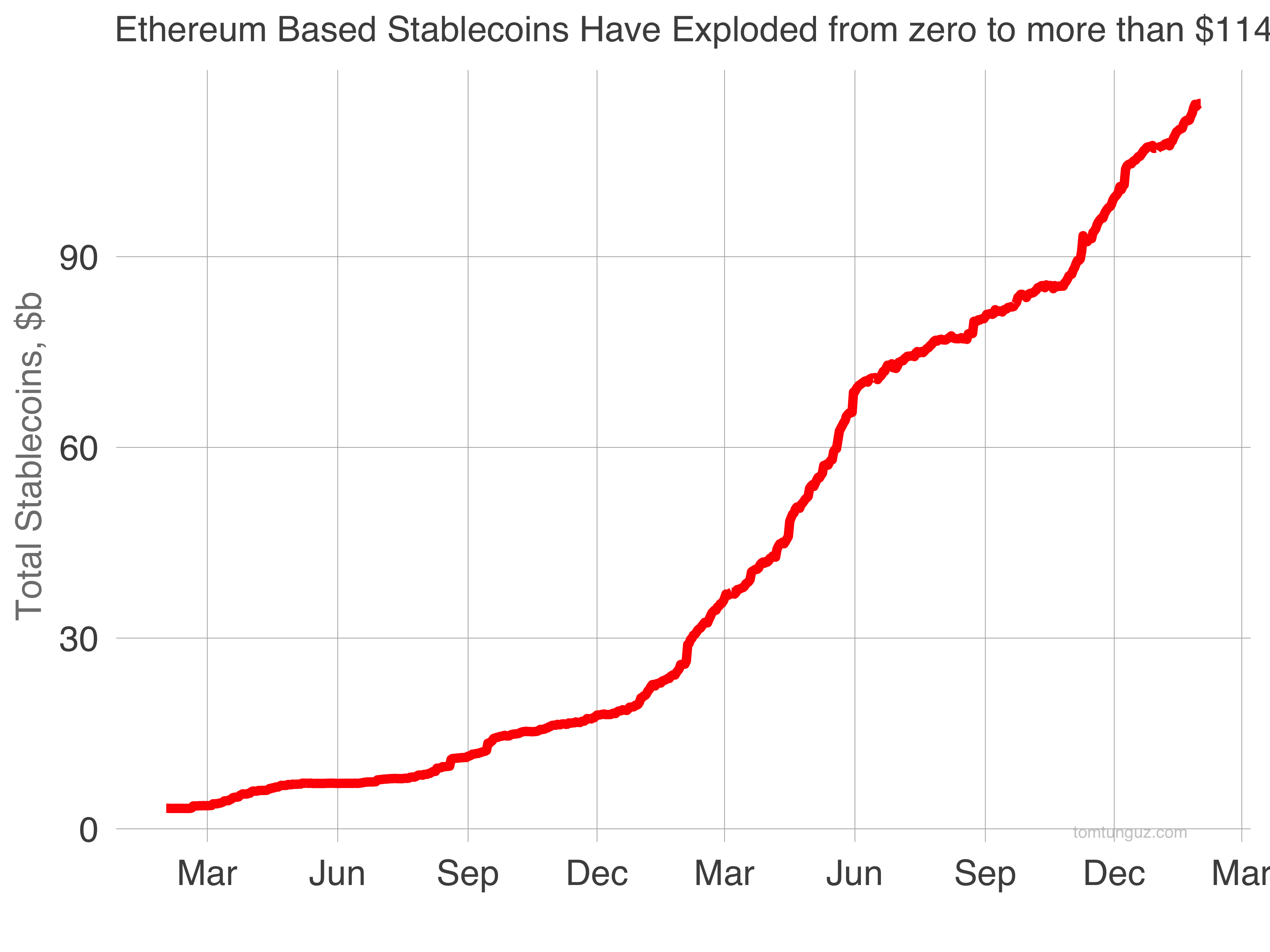
Ethereum (ETH) is not just a cryptocurrency; it’s a decentralized platform that enables smart contracts and decentralized applications. Its native token, Ether, powers the network and is essential for paying transaction fees (gas). Ethereum’s value is intricately linked to the growth of its ecosystem, including decentralized finance (DeFi), non-fungible tokens (NFTs), and various Web3 projects. Its transition to Ethereum 2.0 (now called “the Merge” and subsequent upgrades) has also significantly impacted its supply mechanics and utility.
Altcoins and Niche Use Cases
“Altcoin” is a blanket term for any cryptocurrency other than Bitcoin. This vast category includes a spectrum of projects, from promising innovators to speculative ventures. Altcoins often seek to improve upon Bitcoin’s design or target specific niches.
- Layer 1 Blockchains: Competitors to Ethereum, like Solana, Cardano, and Avalanche, aim to offer faster transactions or lower fees, and their token values are tied to their network adoption and scalability.
- DeFi Tokens: Tokens associated with decentralized finance protocols (e.g., Aave, MakerDAO) derive value from their utility within lending, borrowing, or trading platforms.
- Gaming and Metaverse Tokens: Tokens used within blockchain-based games or virtual worlds (e.g., Axie Infinity, Decentraland) gain value as their respective ecosystems grow in popularity.
- Privacy Coins: Cryptocurrencies like Monero or Zcash focus on enhancing transaction privacy, appealing to users who prioritize anonymity.
Stablecoins: A Different Kind of Value
Stablecoins are a unique class of cryptocurrencies designed to minimize price volatility by pegging their value to a stable asset, such as the U.S. dollar (e.g., USDC, USDT), or a basket of currencies. Their “value” is intentionally kept stable, making them crucial for traders seeking to preserve capital during market downturns, facilitate quick transfers, or act as collateral in DeFi protocols. While their price remains constant, their utility and adoption within the crypto ecosystem drive their market capitalization.
Practical Insights for the Aspiring Crypto Investor
For those looking to move beyond asking “how much is crypto” to actively participating, a strategic and informed approach is essential. The market rewards diligence and prudence.
Researching Projects: Beyond the Hype
Before investing, thorough due diligence is non-negotiable.
- Whitepaper Analysis: Understand the project’s vision, technology, tokenomics (how tokens are distributed and used), and roadmap.
- Team and Advisors: Research the experience and credibility of the project’s founders and development team.
- Community and Development Activity: A strong, engaged community and consistent code updates on platforms like GitHub are positive indicators.
- Market Capitalization vs. Price: A low token price doesn’t necessarily mean it’s cheap. Always consider the market capitalization (price x circulating supply) to gauge a project’s overall size and potential.
Entry Points and Investment Strategies (DCA vs. Lump Sum)
Deciding when and how to invest can significantly impact returns.
- Dollar-Cost Averaging (DCA): As mentioned, DCA is an effective strategy for mitigating volatility. By investing a fixed amount regularly (e.g., $100 every week), you buy more when prices are low and less when they are high, averaging out your cost over time.
- Lump Sum Investing: Some investors prefer to deploy a large amount of capital all at once, especially if they believe the market is undervalued. This strategy carries higher risk if the market subsequently declines.
- Long-Term HODLing vs. Active Trading: Decide if you’re a long-term investor (“HODLer”) aiming to hold assets for years, or an active trader looking to profit from short-term price movements. Each requires different approaches to risk and market analysis.
Security Best Practices for Digital Assets
The decentralized nature of crypto places the onus of security squarely on the investor.
- Strong Passwords and 2FA: Use unique, complex passwords and always enable two-factor authentication (2FA) on all exchange and wallet accounts.
- Hardware Wallets (Cold Storage): For significant holdings, hardware wallets (e.g., Ledger, Trezor) offer the highest level of security by storing private keys offline.
- Beware of Scams: The crypto space is rife with phishing attempts, fake projects, and pump-and-dump schemes. Always verify sources and be skeptical of offers that seem too good to be true.
- Backup Seed Phrase: Securely store your wallet’s seed phrase (recovery phrase) offline and never share it with anyone. Losing this phrase means losing access to your funds.
Understanding Taxes on Crypto Investments
Regulatory bodies globally are increasingly scrutinizing crypto transactions for tax purposes. Ignoring tax obligations can lead to significant penalties.
- Capital Gains: In many jurisdictions, selling cryptocurrency for a profit (or exchanging one crypto for another) is considered a taxable event, similar to stocks.
- Income Tax: Earning crypto through mining, staking rewards, or airdrops may be subject to income tax.
- Record Keeping: Maintain meticulous records of all your crypto transactions, including purchase dates, prices, and sale dates, to simplify tax reporting. Consider using crypto tax software to help manage this complexity.
The Future of Crypto Valuation: What Lies Ahead?
The question of “how much is crypto” is not static; it evolves with technological advancements, regulatory shifts, and broader economic trends. The future value of digital assets will be shaped by several powerful forces.
Institutional Adoption and Mainstream Integration
The increasing embrace of cryptocurrencies by traditional financial institutions, corporations, and even sovereign states is a powerful legitimizing force. Exchange-Traded Funds (ETFs) for Bitcoin and potentially Ethereum, corporate treasury allocations, and even countries adopting Bitcoin as legal tender are indicators of this trend. As more “smart money” flows into the space, volatility may decrease over time, and valuations could become more aligned with traditional asset classes. This integration also means easier access for retail investors, expanding the demand pool.
Evolving Technological Innovations
The blockchain space is still nascent and rapidly innovating. Future technological breakthroughs will undoubtedly impact the value propositions of existing and new cryptocurrencies.
- Scalability Solutions: Advancements in scaling technologies (e.g., Layer 2 solutions, sharding, optimistic rollups) will allow blockchains to handle more transactions at lower costs, increasing utility and potentially value.
- Interoperability: Projects focused on enabling seamless communication and asset transfer between different blockchains will unlock new possibilities and potentially elevate the value of interconnected networks.
- New Use Cases: The continued exploration of Web3, decentralized identity, verifiable credentials, and other emerging applications will create novel demand for specific tokens.
Geopolitical and Macroeconomic Influences
Cryptocurrency markets are no longer isolated from global economic and political events.
- Inflation and Monetary Policy: Bitcoin, in particular, is often viewed as a hedge against inflation and a response to expansionary monetary policies by central banks. Its value can rise in times of economic uncertainty or currency devaluation.
- Geopolitical Instability: In regions facing economic instability or authoritarian regimes, cryptocurrencies can offer a censorship-resistant alternative for transferring and storing wealth, driving localized demand and global awareness.
- Global Economic Health: A global recession or a robust economic recovery can impact investor sentiment across all asset classes, including crypto, influencing capital flows and valuations.
In conclusion, “how much is crypto” is a dynamic query with no simple answer. Its value is a complex interplay of inherent utility, market psychology, scarcity, technological prowess, and the ever-evolving regulatory landscape. For investors, understanding these multifaceted drivers, coupled with a commitment to rigorous research and sound risk management, is the only path to navigating the exciting yet challenging world of digital assets. The journey of crypto valuation is far from over, promising continued evolution and profound impacts on the future of finance.
aViewFromTheCave is a participant in the Amazon Services LLC Associates Program, an affiliate advertising program designed to provide a means for sites to earn advertising fees by advertising and linking to Amazon.com. Amazon, the Amazon logo, AmazonSupply, and the AmazonSupply logo are trademarks of Amazon.com, Inc. or its affiliates. As an Amazon Associate we earn affiliate commissions from qualifying purchases.