
The world of digital assets often introduces new terminology and concepts that can initially seem daunting. One common point of confusion for those new to cryptocurrencies, particularly Bitcoin, revolves around how its value is measured and what constitutes a “share.” Unlike traditional company stocks, which represent ownership in an entity and are divided into shares, Bitcoin operates on an entirely different premise. It is a decentralized digital currency, a peer-to-peer electronic cash system, rather than a company to be invested in via shares. Understanding this fundamental difference is crucial for anyone looking to grasp Bitcoin’s market value and its role in the broader financial landscape.
This article aims to demystify Bitcoin’s pricing mechanism, explain its unique divisibility, and provide a comprehensive guide for individuals interested in understanding its market dynamics and investment potential. We will delve into how its price is determined, the factors that drive its volatility, and the practicalities of acquiring this revolutionary digital asset. By the end, you will have a clearer picture of what it means to “own” Bitcoin and how to approach it from an informed financial perspective.
Understanding Bitcoin’s Unique Structure and Divisibility
The phrase “a share of Bitcoin” is a natural analogy for those familiar with traditional stock markets, but it doesn’t accurately describe how Bitcoin functions. Bitcoin isn’t an equity; it’s a currency and a commodity, designed with inherent scarcity and divisibility.
Bitcoin: Not a Stock, But a Digital Currency
At its core, Bitcoin is a digital currency, the first and most prominent cryptocurrency. It was created to be a decentralized medium of exchange, free from government or institutional control. When you “buy Bitcoin,” you are not purchasing a share of a company; you are acquiring a unit of this digital currency. Its value is not derived from company earnings or assets, but from market supply and demand, its utility, network security, and its limited supply of 21 million coins. This distinction is paramount: Bitcoin’s valuation is more akin to gold or a foreign currency than it is to Amazon or Apple stock. Its price reflects market participants’ collective assessment of its future utility, store of value potential, and its role as a hedge against inflation or traditional financial instability.
The Concept of a “Satoshi” – Bitcoin’s Smallest Unit
While a single Bitcoin can be quite expensive, especially during bull markets, this does not mean it’s inaccessible to the average investor. Bitcoin is highly divisible, far more so than traditional fiat currencies. One full Bitcoin can be divided into 100,000,000 smaller units, each called a “satoshi” (named after Bitcoin’s pseudonymous creator, Satoshi Nakamoto). This means that instead of buying a whole Bitcoin, you can purchase a fraction of it – for example, 0.001 BTC or even just 10,000 satoshis.
This extreme divisibility is a key feature that enhances Bitcoin’s accessibility and liquidity. It ensures that even with a high per-coin price, anyone can participate in the Bitcoin market with an investment as small as a few dollars. This flexibility contrasts sharply with traditional stock markets, where purchasing a single share of a high-priced stock might still require a significant upfront investment. The ability to buy tiny fractions means that the cost barrier to entry is virtually non-existent, making Bitcoin an inclusive asset for various investment budgets.
Why Divisibility Matters for Accessibility
The divisibility of Bitcoin is crucial for its adoption and function as a potential global currency. It addresses the practical challenge of making a valuable asset usable for everyday transactions and accessible for small-scale investments. Without divisibility, Bitcoin would be a highly illiquid asset, primarily confined to large institutional investors or the ultra-wealthy.
Consider this: if a single Bitcoin were to reach, say, $1,000,000, its utility as a medium of exchange for purchasing a cup of coffee would be non-existent without the ability to transact in much smaller units. The satoshi ensures that Bitcoin remains practical for micro-transactions and allows for gradual accumulation by retail investors. This characteristic significantly broadens the investor base, contributing to market depth and stability, and is a foundational element in Bitcoin’s long-term vision as a viable alternative financial system.
Decoding Bitcoin’s Market Value
Understanding the current price of Bitcoin requires looking beyond a single number; it involves comprehending the dynamic interplay of market forces, technological developments, and global economic sentiment.
Real-Time Price Discovery: How Bitcoin’s Value is Determined
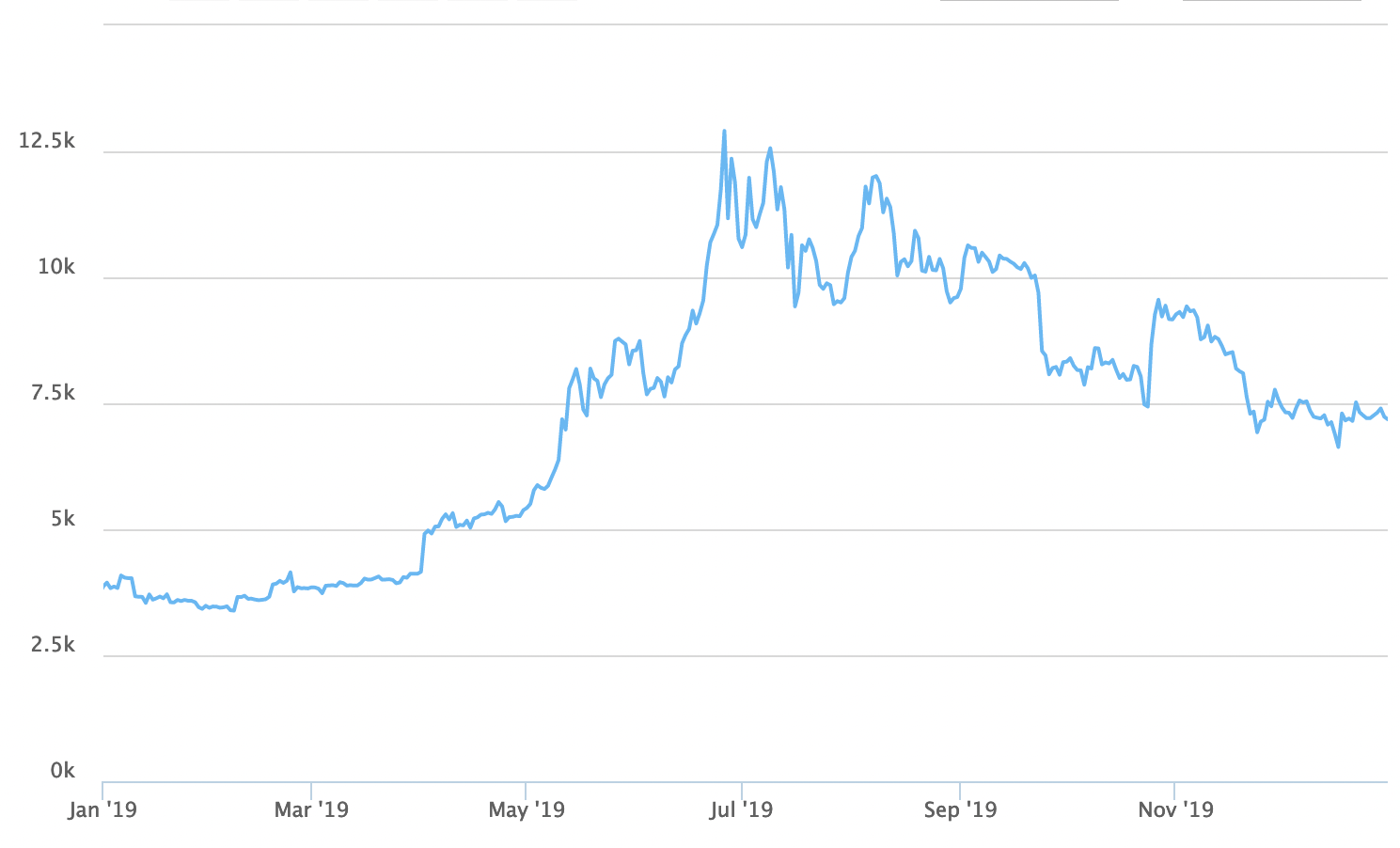
Bitcoin’s price is determined by supply and demand on various cryptocurrency exchanges worldwide. Unlike traditional markets with centralized exchanges that set opening and closing prices, the Bitcoin market operates 24/7, globally. The price you see on an exchange or a financial news website is typically an average or the last traded price from a collection of major exchanges. When more people want to buy Bitcoin than sell it, the price tends to rise. Conversely, if more people are selling than buying, the price falls.
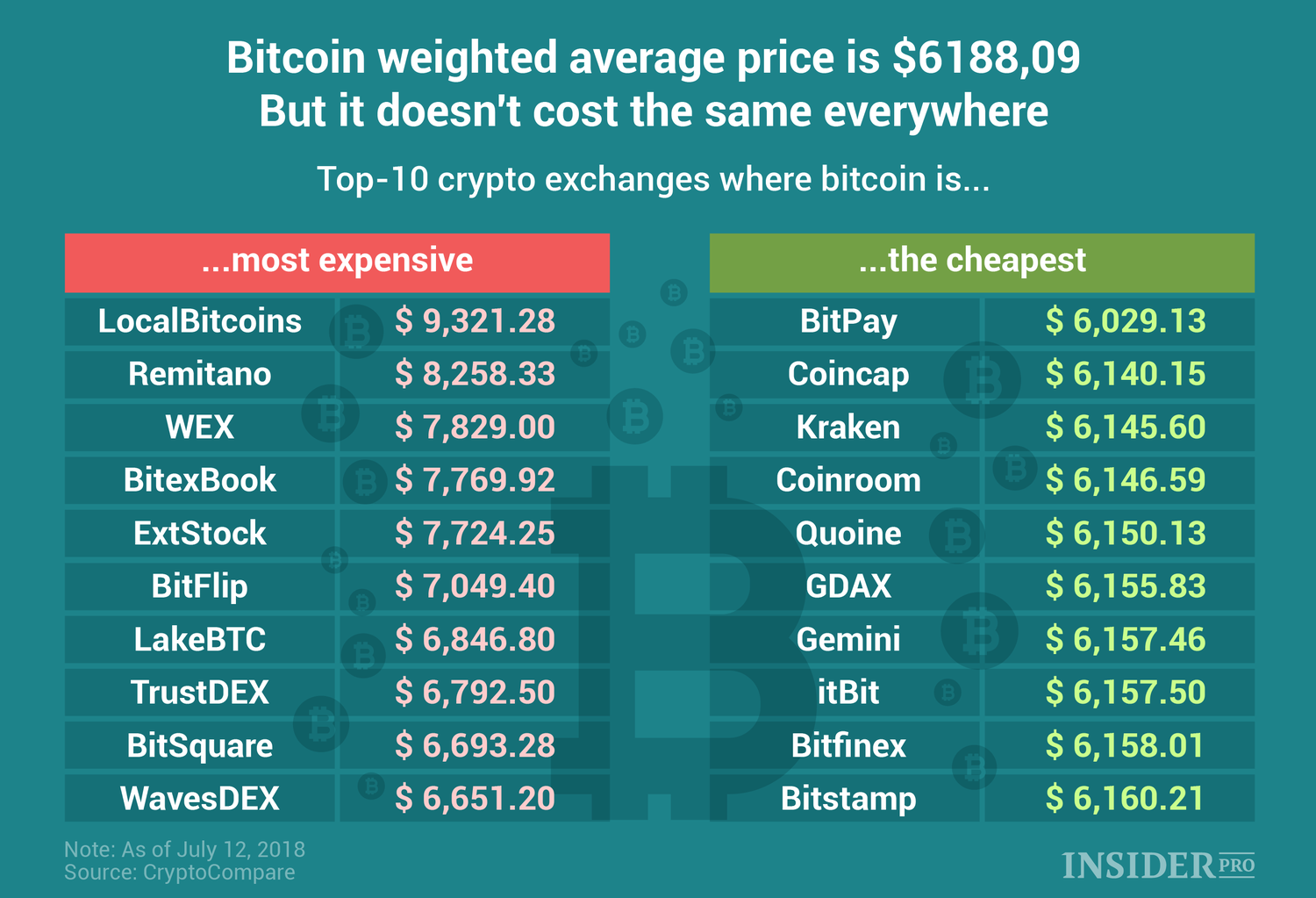
This continuous, global trading leads to real-time price discovery, where the value fluctuates constantly based on instantaneous market sentiment and trading activity. Arbitrageurs play a role in keeping prices relatively consistent across different exchanges by buying on exchanges where Bitcoin is cheaper and selling where it’s more expensive, thus leveling the playing field. The transparency of blockchain technology also contributes to this price discovery, as all transactions are recorded and publicly verifiable, though the identities of participants remain pseudonymous.
Factors Influencing Bitcoin’s Price Volatility
Bitcoin is renowned for its price volatility, which can present both opportunities and risks for investors. Several key factors contribute to these significant price swings:
- Supply and Demand Dynamics: The most fundamental driver. Bitcoin has a fixed supply cap of 21 million coins, making it a scarce asset. Demand is influenced by adoption, media coverage, institutional interest, and general market sentiment.
- Halving Events: Approximately every four years, the reward for mining new blocks is halved, reducing the rate at which new Bitcoins enter circulation. These “halving” events have historically preceded significant price rallies due to the reduced supply shock.
- Macroeconomic Factors: Global economic stability, inflation concerns, interest rate changes, and geopolitical events can influence Bitcoin’s appeal as a “safe-haven” asset or a hedge against traditional financial systems.
- Regulatory News: Government announcements, bans, or favorable legislation regarding cryptocurrencies in major economies can have an immediate and substantial impact on Bitcoin’s price.
- Technological Developments and Adoption: Upgrades to the Bitcoin network (e.g., Taproot), increased merchant adoption, or the launch of new investment products (like Bitcoin ETFs) can boost confidence and demand.
- Media Sentiment and Speculation: Public perception, news cycles, celebrity endorsements, and social media trends can trigger rapid shifts in buying or selling pressure, often amplifying price movements.
- Liquidity and Market Depth: While increasing, the cryptocurrency market is still relatively smaller and less liquid than traditional stock or forex markets, making it more susceptible to large price swings from significant buy or sell orders.
Where to Track Bitcoin’s Current Price
Given its 24/7 global trading, tracking Bitcoin’s real-time price is straightforward. Numerous platforms and websites provide up-to-the-minute data:
- Cryptocurrency Exchanges: Platforms like Coinbase, Binance, Kraken, and Gemini display the current price at which Bitcoin is trading on their respective platforms.
- Financial News Websites: Reputable financial news outlets (e.g., Bloomberg, Reuters, Wall Street Journal) often have dedicated crypto sections.
- Crypto Data Aggregators: Websites like CoinMarketCap, CoinGecko, and TradingView compile price data from dozens of exchanges, providing weighted averages and comprehensive market statistics.
- Dedicated Price Trackers: Many mobile apps and browser extensions are specifically designed for tracking crypto prices and portfolio performance.
It’s advisable to check multiple sources to get a comprehensive view, as slight price discrepancies can exist between exchanges due to varying liquidity and trading volumes.
Investing in Bitcoin: What You Need to Know
Investing in Bitcoin requires a different mindset and approach compared to traditional assets. Due to its volatility and nascent market, careful consideration and strategic planning are essential.
How to Buy Bitcoin (or Fractions Thereof)
Purchasing Bitcoin, even in fractions, has become increasingly accessible. The primary method involves using a cryptocurrency exchange:
- Choose a Reputable Exchange: Select an exchange that operates in your region, offers robust security, competitive fees, and a user-friendly interface. Examples include Coinbase, Binance, Kraken, Gemini, and Crypto.com.
- Create an Account: You’ll need to sign up, which typically involves providing personal information for identity verification (KYC – Know Your Customer) and anti-money laundering (AML) compliance.
- Link a Payment Method: Connect your bank account, debit card, or credit card to fund your account.
- Place an Order: Navigate to the Bitcoin trading section. You can place a “market order” to buy Bitcoin at the current market price or a “limit order” to buy it at a specific price you set. You can specify the amount in fiat currency (e.g., $100) or in Bitcoin (e.g., 0.005 BTC).
- Secure Your Bitcoin: Once purchased, your Bitcoin will be held in a digital wallet provided by the exchange. For larger sums, or for greater control, many investors choose to transfer their Bitcoin to a personal “cold wallet” (a hardware wallet not connected to the internet) for enhanced security.
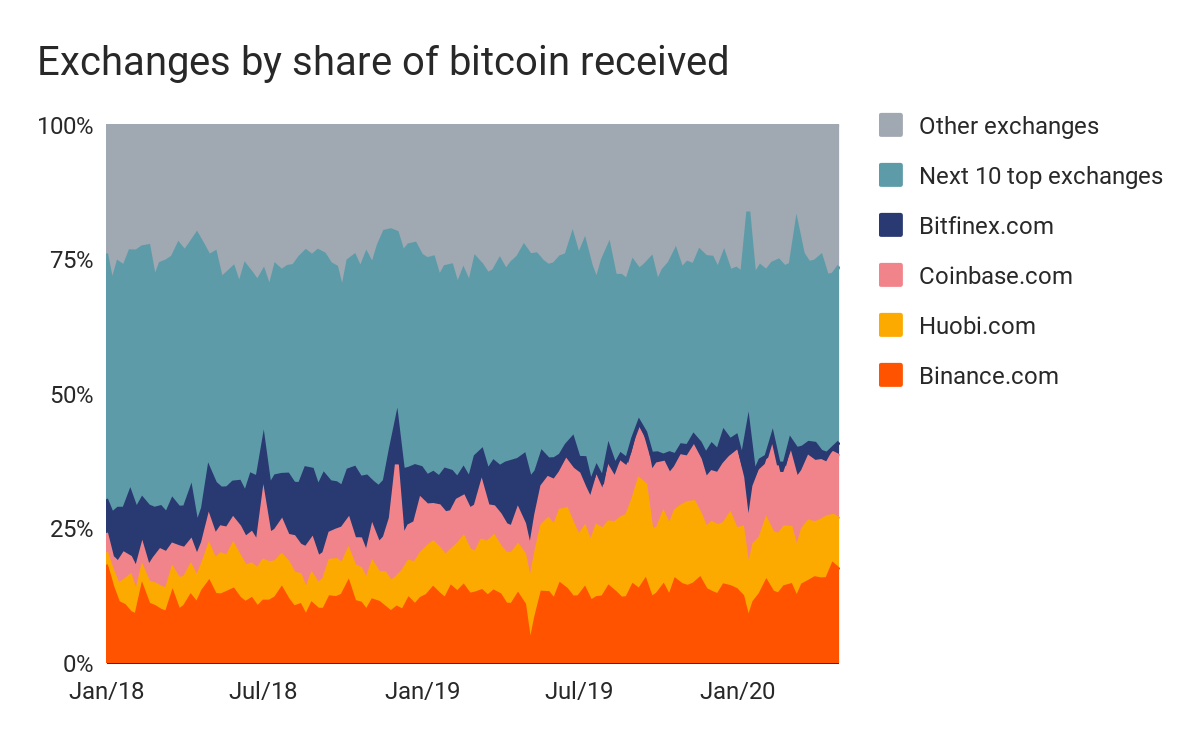
Choosing a Cryptocurrency Exchange
The choice of cryptocurrency exchange significantly impacts your investment experience. Key factors to consider include:
- Security: Look for exchanges with strong security measures, including two-factor authentication (2FA), cold storage for a majority of client funds, and insurance policies.
- Fees: Understand the trading fees (maker/taker fees), deposit/withdrawal fees, and network fees. These can vary significantly.
- Supported Cryptocurrencies: While you’re interested in Bitcoin, you might want an exchange that offers a wider range of assets for future diversification.
- User Interface: A beginner-friendly interface is crucial for new investors.
- Customer Support: Responsive and helpful customer service can be invaluable when issues arise.
- Regulatory Compliance: Ensure the exchange complies with regulations in your jurisdiction, which offers a layer of protection and legitimacy.
The Importance of Risk Management and Due Diligence
Investing in Bitcoin carries inherent risks, primarily due to its price volatility and the evolving regulatory landscape. Effective risk management and thorough due diligence are non-negotiable:
- Only Invest What You Can Afford to Lose: This is the golden rule of highly volatile investments. Bitcoin’s price can drop significantly and quickly.
- Diversify Your Portfolio: Do not put all your investment capital into Bitcoin. Integrate it as a small portion of a broader, diversified portfolio that includes traditional assets.
- Research Thoroughly: Understand the technology behind Bitcoin, its use cases, its potential challenges, and the macroeconomic factors that affect its price. Don’t rely solely on hype or social media trends.
- Understand Security Best Practices: Learn about wallet security, phishing scams, and secure online practices to protect your assets from theft.
- Stay Informed: Keep abreast of market news, regulatory developments, and technological advancements in the crypto space.
- Have a Clear Investment Strategy: Decide if you’re a long-term holder (HODLer), a short-term trader, or are using a dollar-cost averaging strategy. Stick to your plan and avoid emotional decisions during market swings.
The Long-Term Perspective: Bitcoin as an Investment Asset
Beyond the short-term price fluctuations, many investors view Bitcoin through a long-term lens, considering its potential as a transformative financial asset.
Bitcoin’s Role in a Diversified Portfolio
For many, Bitcoin represents an uncorrelated asset that can act as a hedge against inflation or a store of value similar to digital gold. Its decentralized nature and fixed supply make it appealing in an era of quantitative easing and potential currency debasement. Including a small allocation of Bitcoin in a diversified portfolio can potentially enhance returns and reduce overall portfolio risk, given its low correlation with traditional asset classes like stocks and bonds. However, its high volatility means that such an allocation should be carefully considered and limited to a percentage that aligns with an individual’s risk tolerance. The concept of efficient frontier in portfolio theory suggests that adding certain alternative assets can optimize risk-adjusted returns. Bitcoin, despite its risks, is increasingly being considered in this light by institutional investors and financial advisors.
Potential Risks and Rewards of Bitcoin Investment
Rewards:
- High Growth Potential: Historically, Bitcoin has shown explosive growth, offering substantial returns to early investors.
- Inflation Hedge: Its limited supply makes it attractive as a potential hedge against inflation, similar to gold.
- Decentralization and Censorship Resistance: Offers an alternative to traditional financial systems, free from government control and censorship.
- Global Accessibility: Can be transferred anywhere in the world, 24/7, with relatively low fees.
Risks:
- Extreme Volatility: Significant price swings can lead to substantial losses in a short period.
- Regulatory Uncertainty: The evolving regulatory landscape poses risks, including potential bans or restrictive taxation.
- Security Risks: Wallets and exchanges can be targets for hackers, and users can fall victim to scams.
- Technological Risks: While robust, any fundamental flaw or major network attack could undermine confidence.
- Competition: The rise of other cryptocurrencies and central bank digital currencies (CBDCs) could impact Bitcoin’s dominance.
Regulatory Landscape and Future Outlook
The regulatory landscape for Bitcoin and cryptocurrencies remains fragmented and uncertain. Different countries adopt varying approaches, from outright bans to embracing digital assets with clear regulatory frameworks. Key developments include the approval of Bitcoin Spot ETFs in various jurisdictions, which has opened up new avenues for institutional and retail investment, providing greater legitimacy and accessibility. However, concerns about money laundering, consumer protection, and systemic risk continue to drive regulatory scrutiny.
Looking ahead, Bitcoin’s future outlook is subject to ongoing innovation, increasing institutional adoption, and geopolitical developments. As blockchain technology matures and its use cases expand, Bitcoin’s role as a store of value and a medium of exchange could solidify further. However, the path will likely involve continued volatility, regulatory challenges, and intense public debate. Investors must remain agile, informed, and prepared for an investment journey that is as dynamic as the asset itself. Understanding that “a share of Bitcoin” is actually a fraction of a global, decentralized digital currency is the first step toward navigating this exciting, yet complex, financial frontier.
aViewFromTheCave is a participant in the Amazon Services LLC Associates Program, an affiliate advertising program designed to provide a means for sites to earn advertising fees by advertising and linking to Amazon.com. Amazon, the Amazon logo, AmazonSupply, and the AmazonSupply logo are trademarks of Amazon.com, Inc. or its affiliates. As an Amazon Associate we earn affiliate commissions from qualifying purchases.